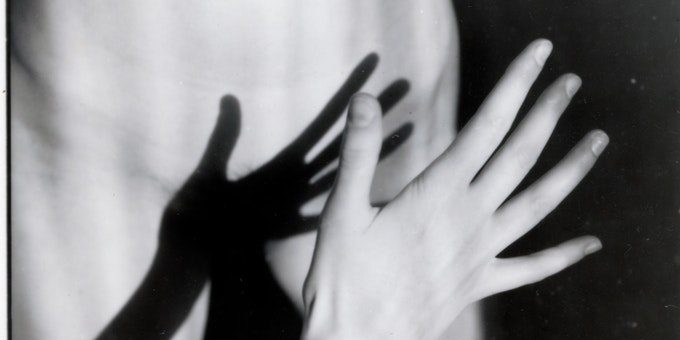
When gloss and accessible erotica just flooded the USSR, Mykola Trokh noticed that art and the female body immediately turned into a commodity. He began to “anatomize” the 90s — with their instability, aggression, and wild commerce. This made him one of the most popular photographers — but by the 2000s, the artist was forgotten.
Mykola Trokh was one of the most sought-after and popular photographers of the 1990s: in his works, he captured all the charm and horror of his time. Today, his name is mentioned only occasionally, his photos do not hang in museums, and they are valued only by a narrow circle of professionals. Trokh stands apart in the history of Ukrainian art. Living in the “picturesque” Kyiv context, he had to fight for his right to exist.
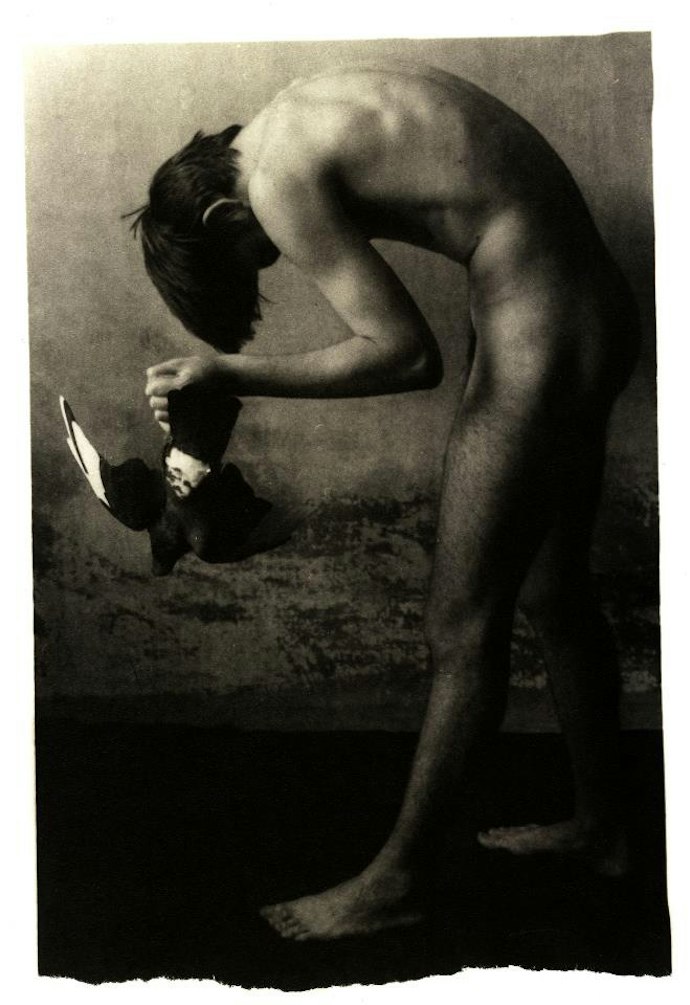
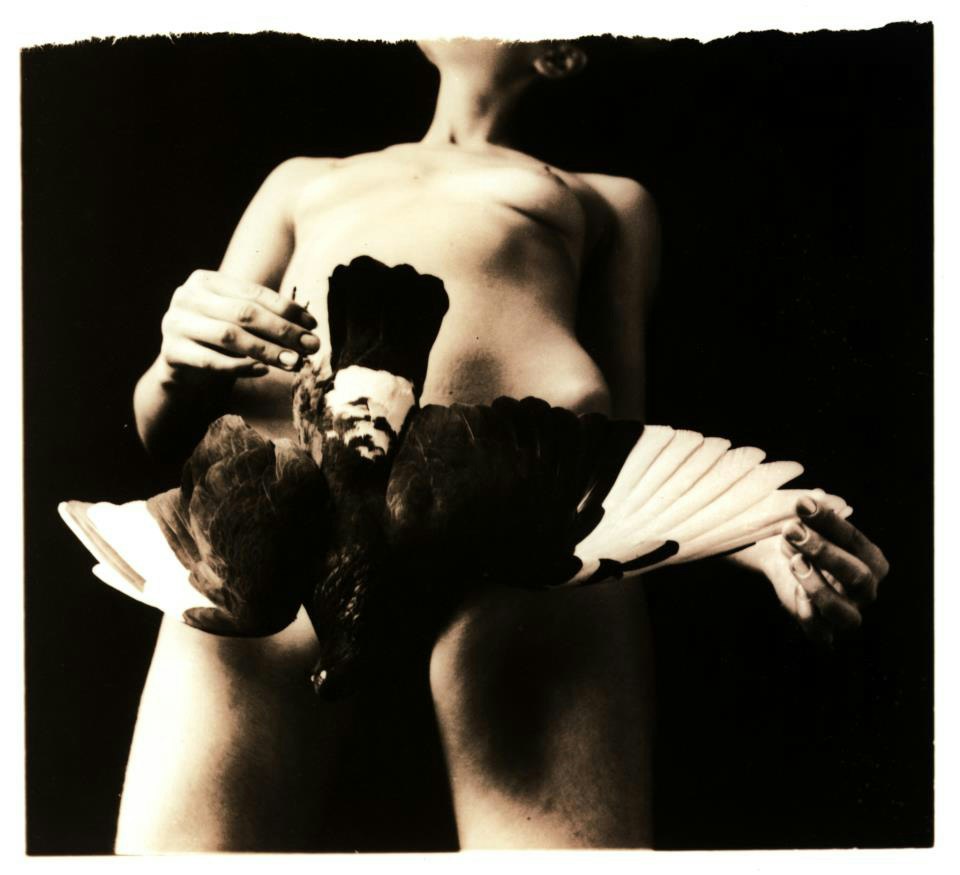
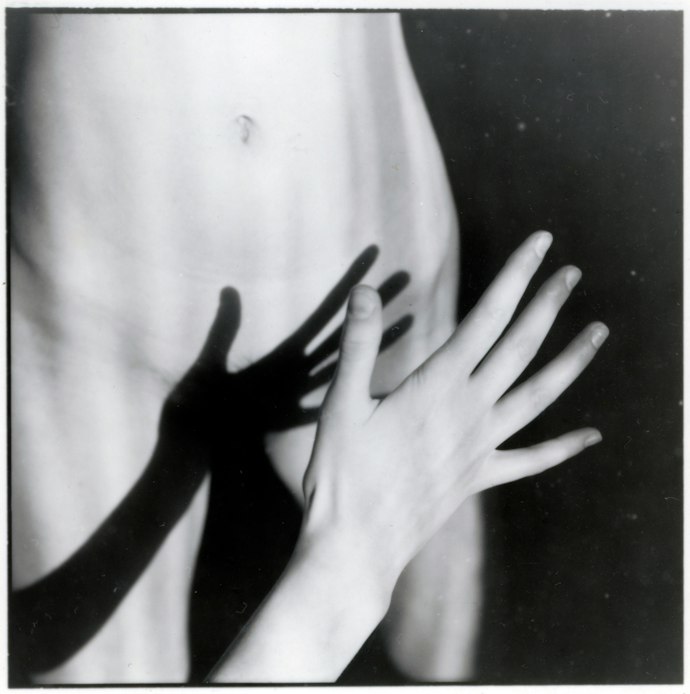
The main theme of Trokh’s creativity is the naked body, which can be interpreted as the body of society: morally decayed, perverse. His photographs are provocative. Trokh often appeals to pornography, building his own boundaries of the permissible.
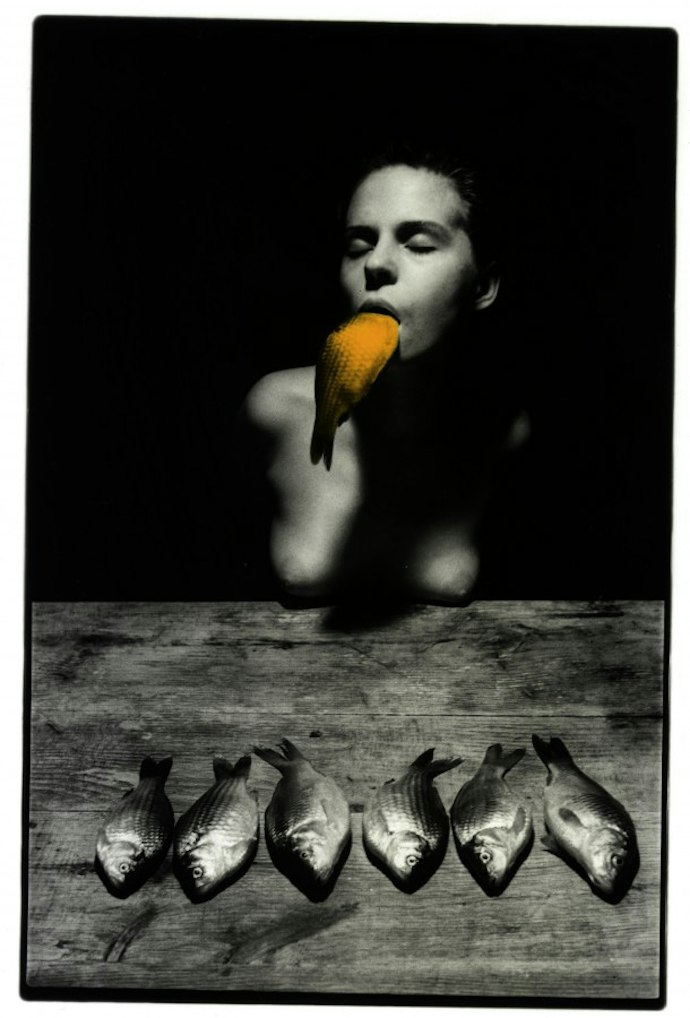
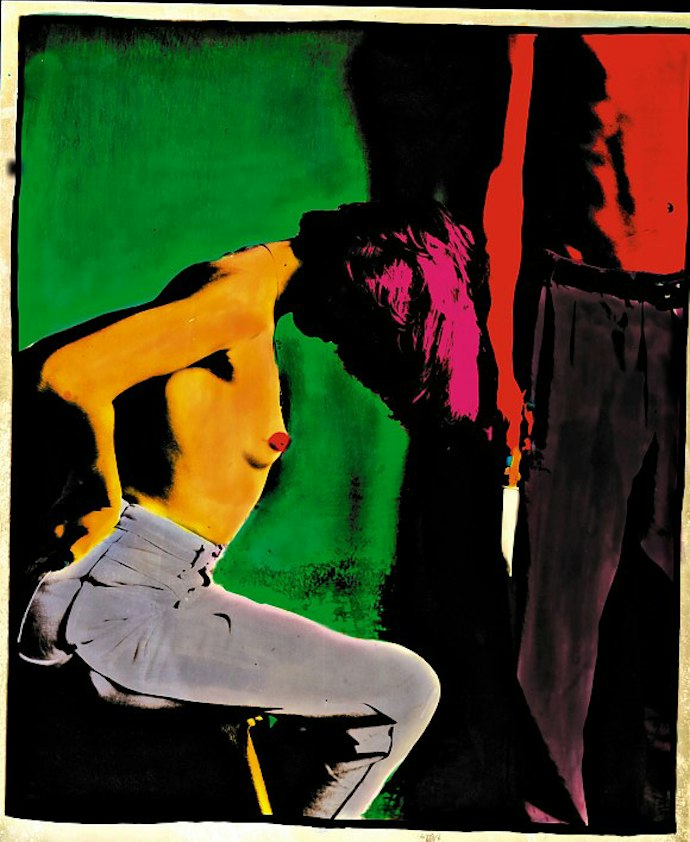
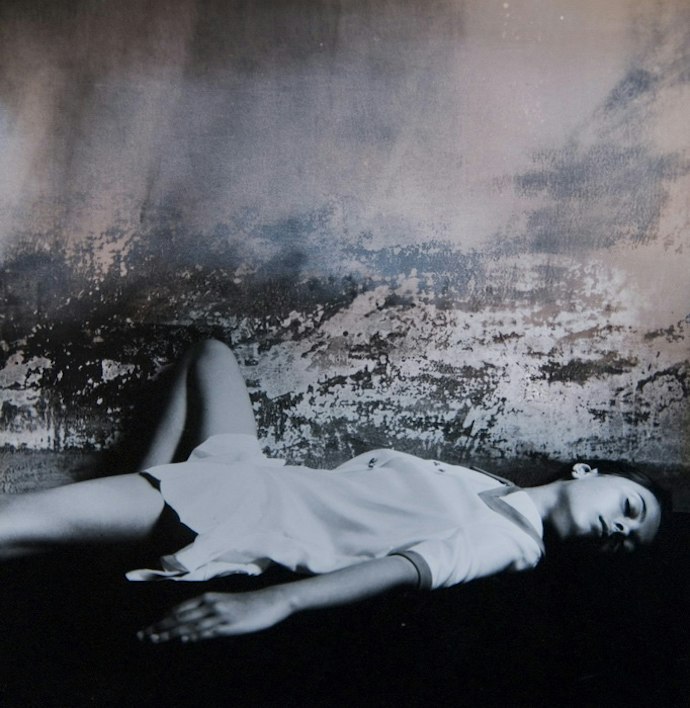
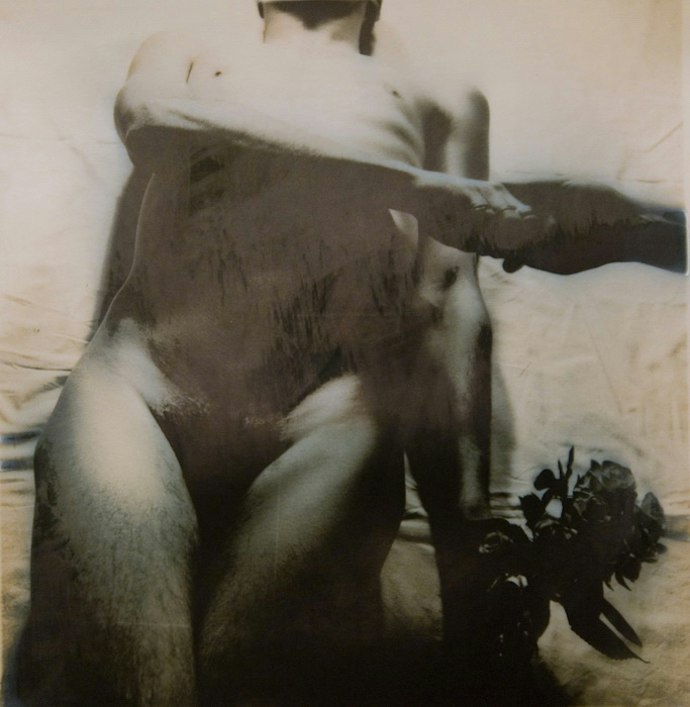
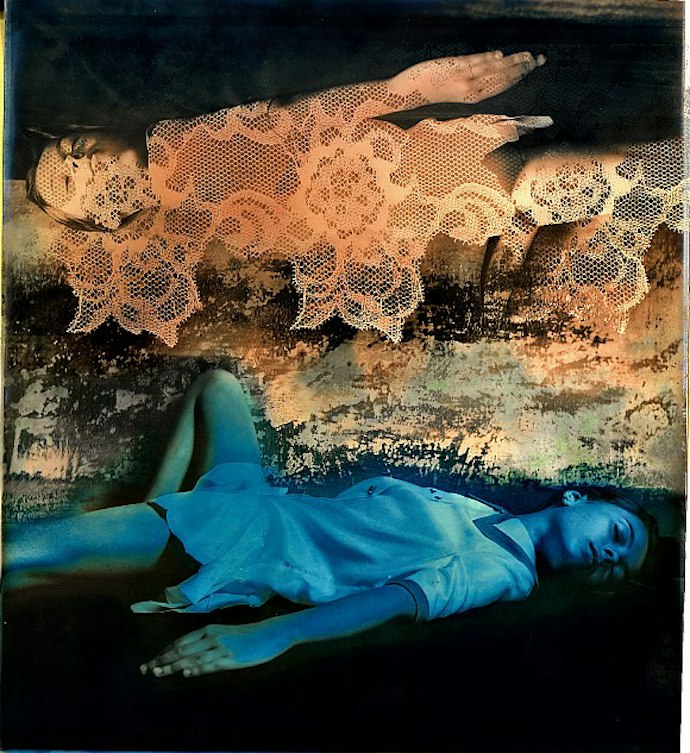
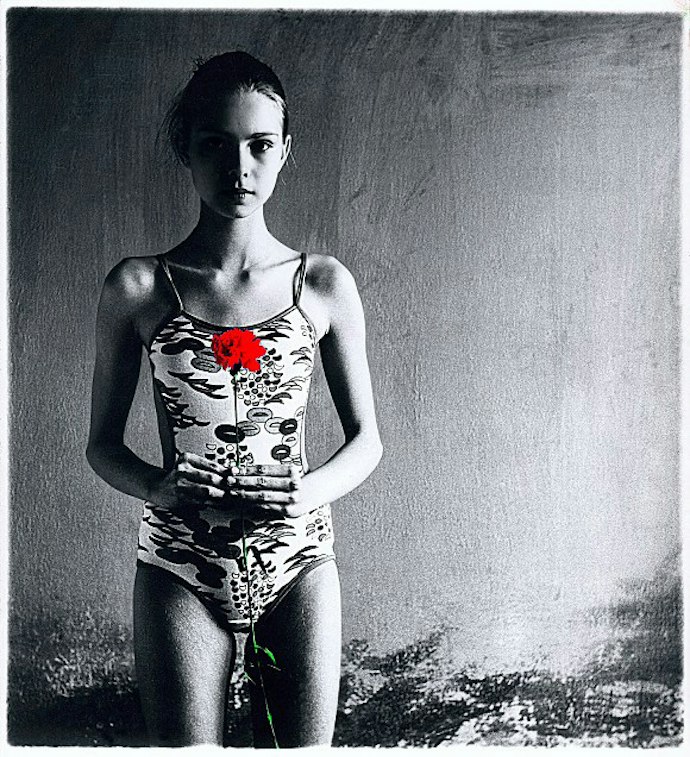
Trokh did not receive formal art education. He began photographing in the mid-1980s — at first simply streets and people on them, later doing staged shoots for fashion magazines and beauty contests. He even won the Grand Prix at the “Miss Photomodel, Photo Advertising — 1991” contest.
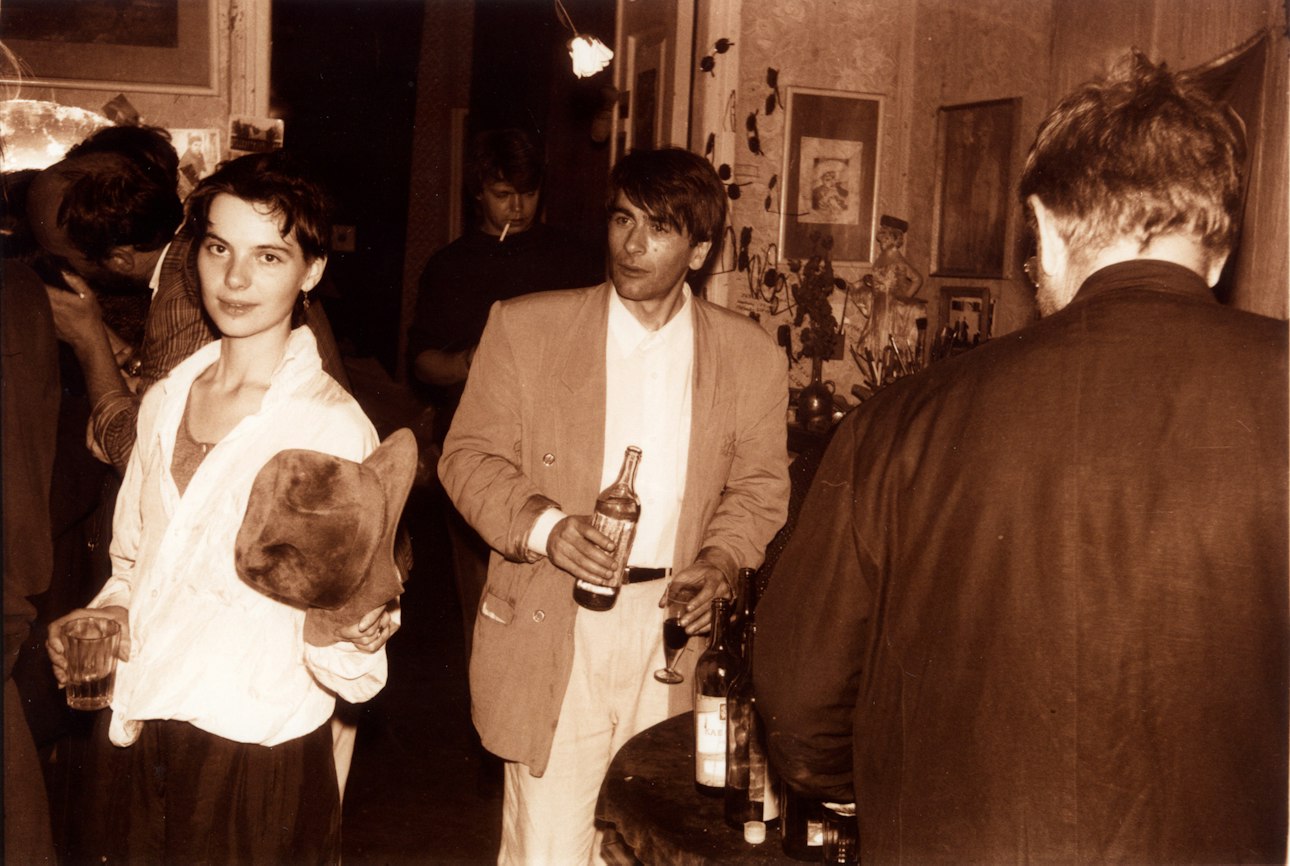
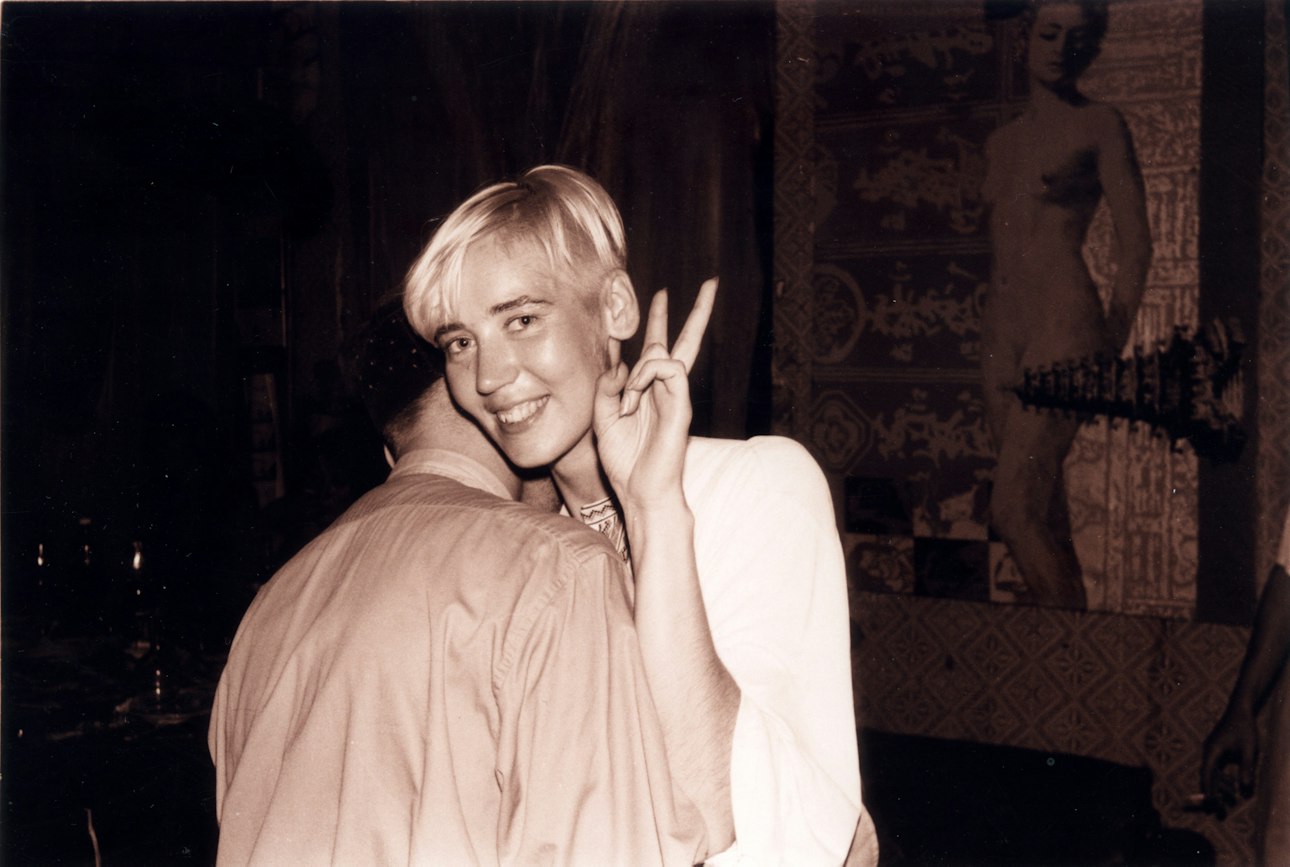
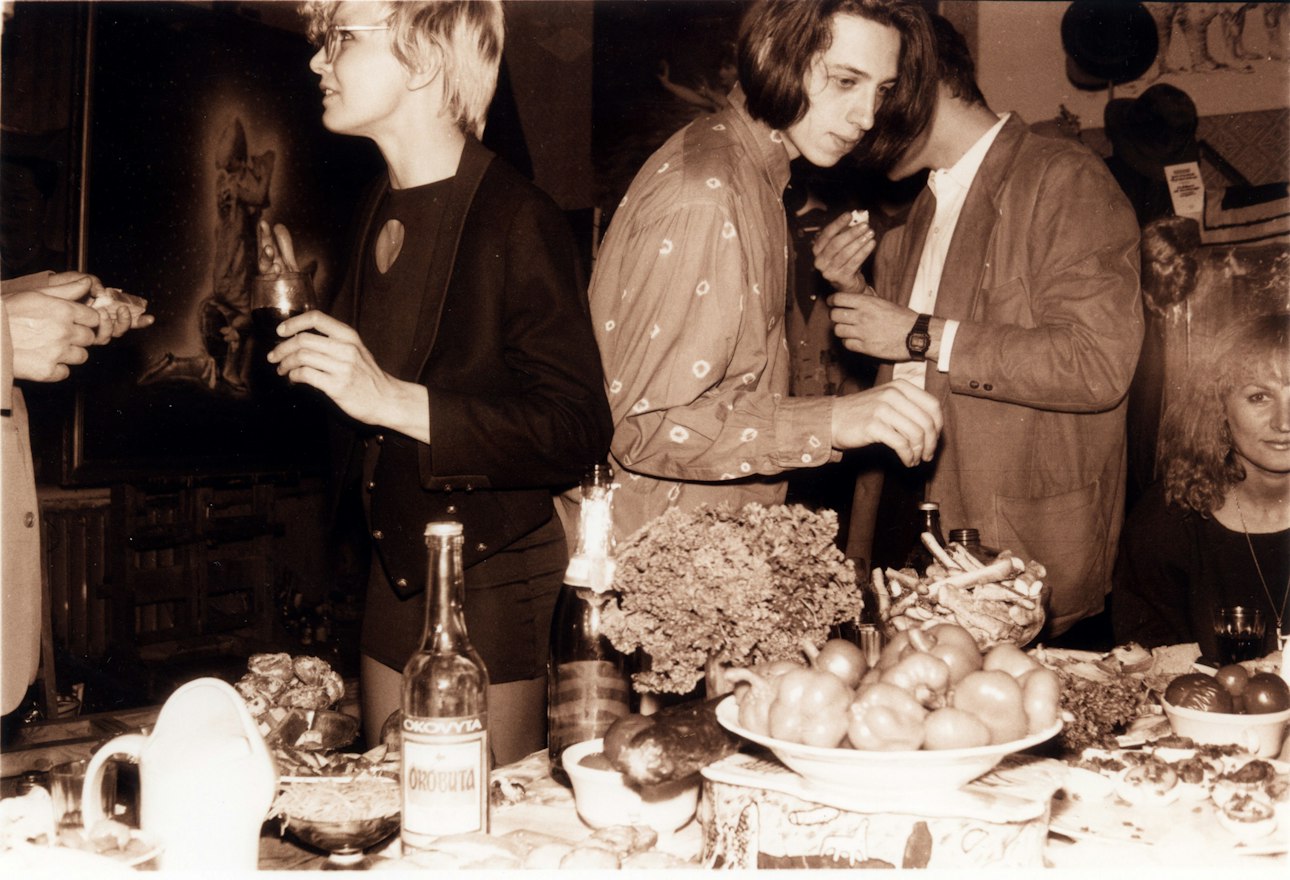
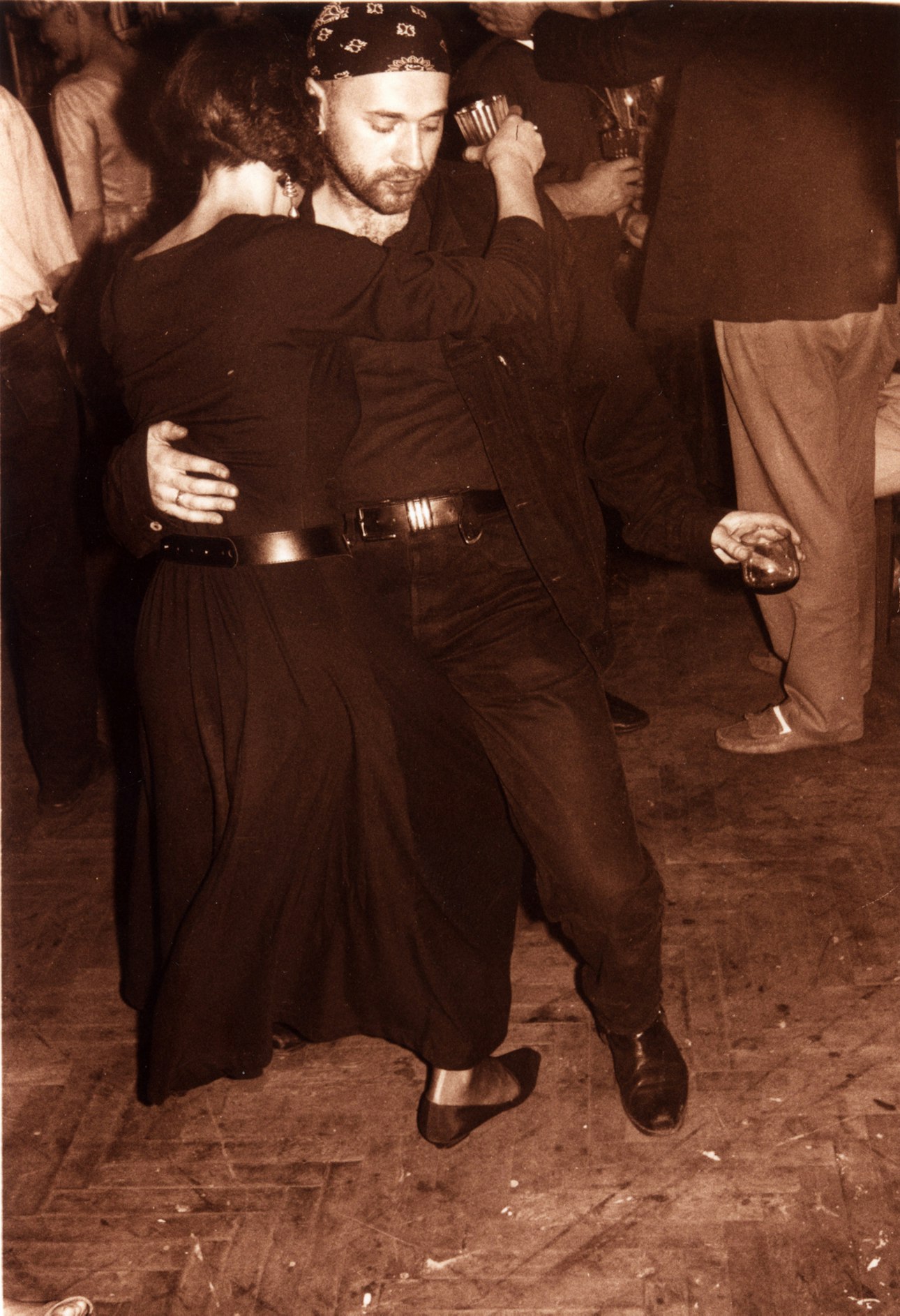
True creativity began in the artists’ squat on Paris Commune Street, where Trokh became the unofficial photographer. The atmosphere of an endless rave party, interspersed with intellectual conversations in studios and kitchens, was a platform for the artist. In photos from this time, you can see Oleksandr Hnylytskyi, Illia Chichkan, Oleksandr Roitburd, Valeria Trubina. The shots are often distorted, unexpected angles create the image of the “mutating 90s” — grotesque and unstable.
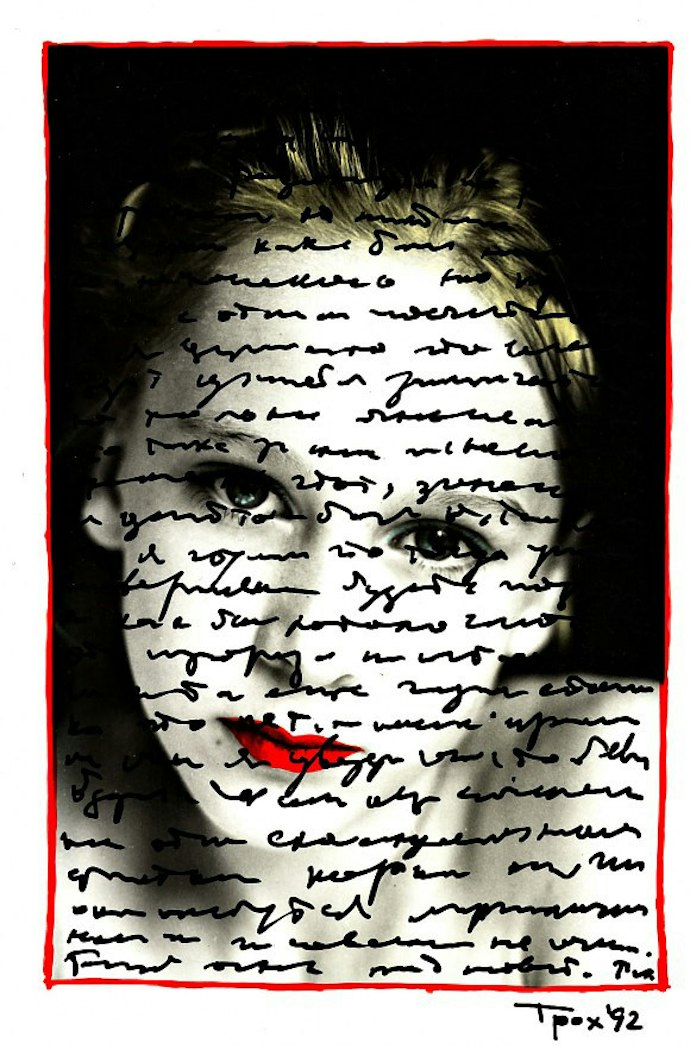
At this time, Trokh experimented a lot with form and color: coloring photo images with aniline dyes and markers, covering surfaces with inscriptions, gluing collages. One can trace the influence of Czech photographer Jan Saudek, who made explicit staged shots and decorated them with aniline dyes. But in Trokh’s works, there is less aestheticization, and the theatricality has the flavor of a post-Chernobyl carnival.
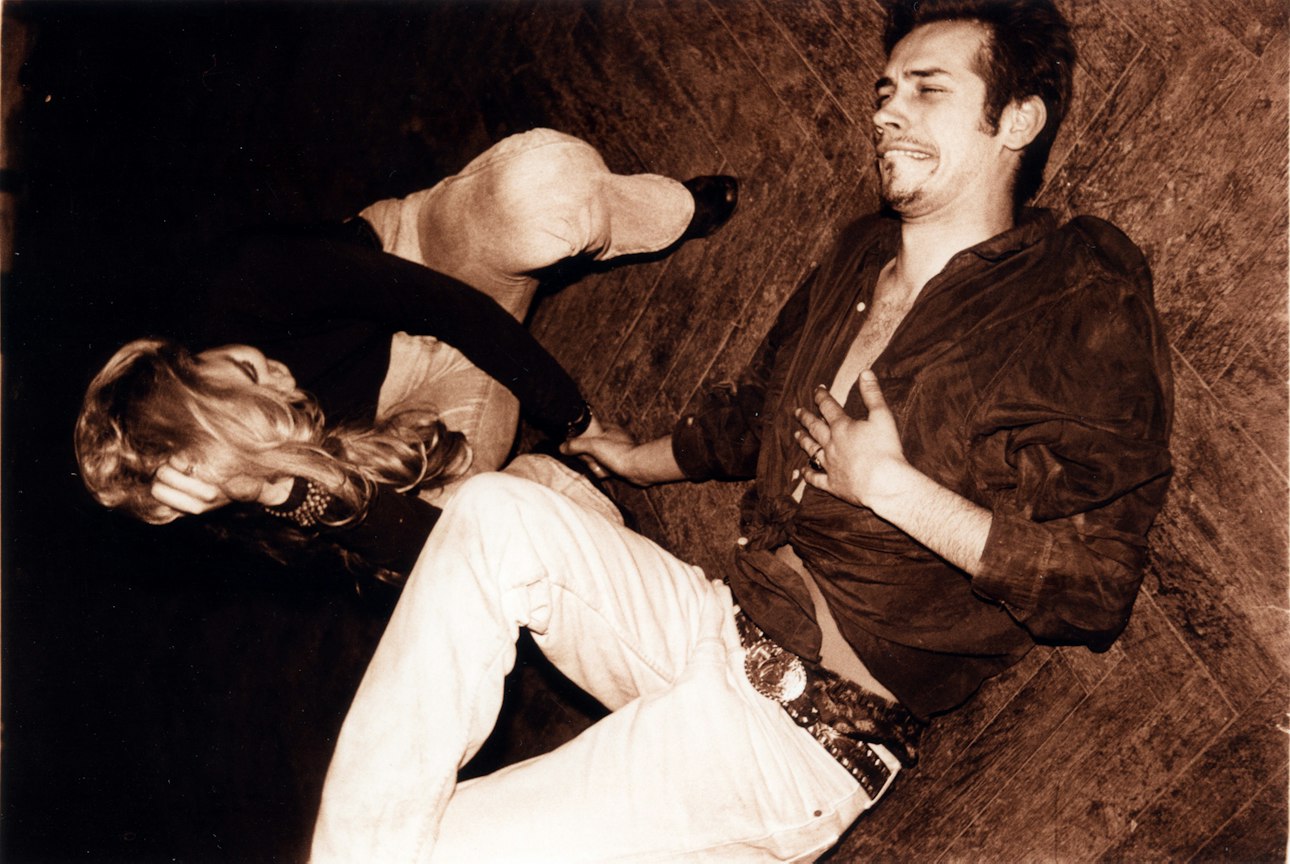
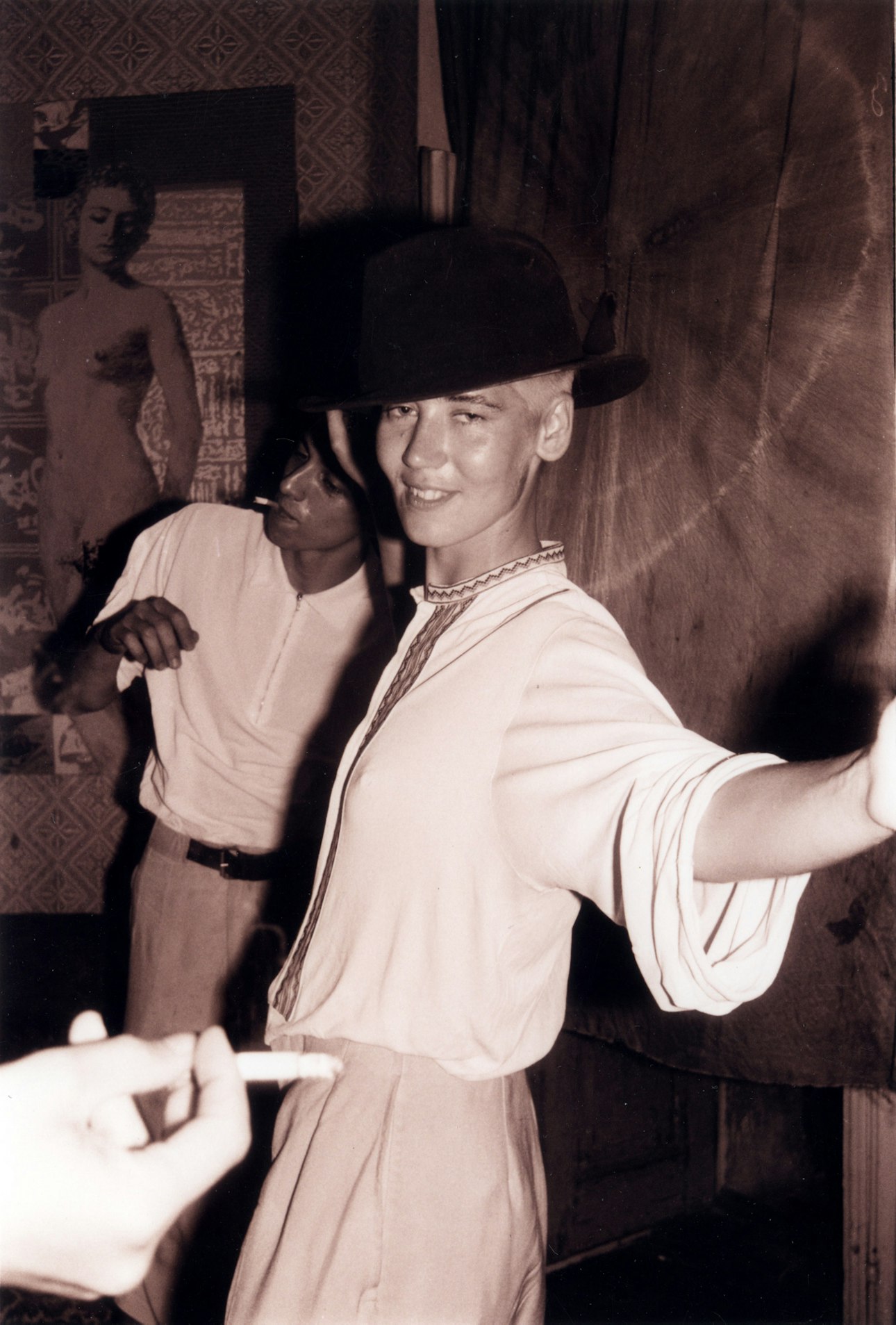
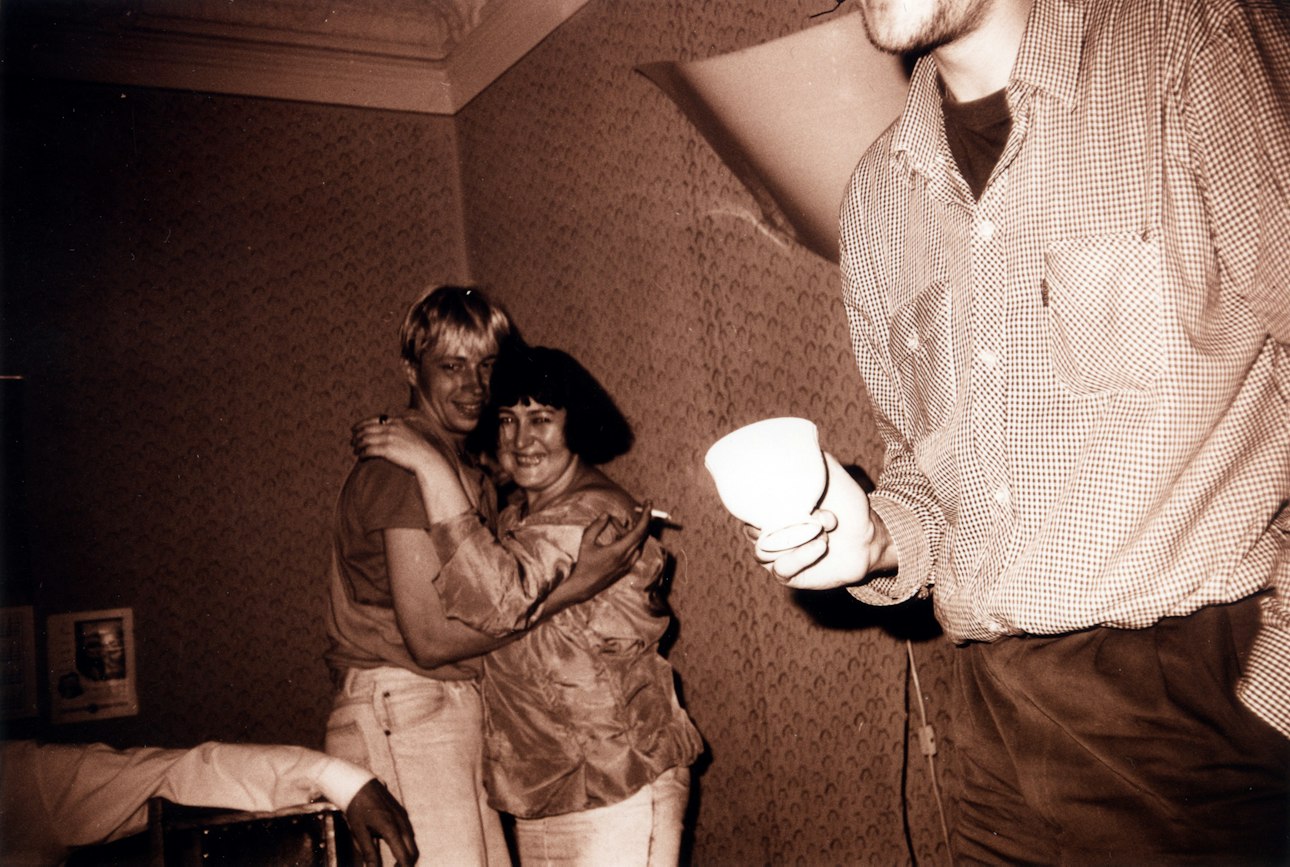
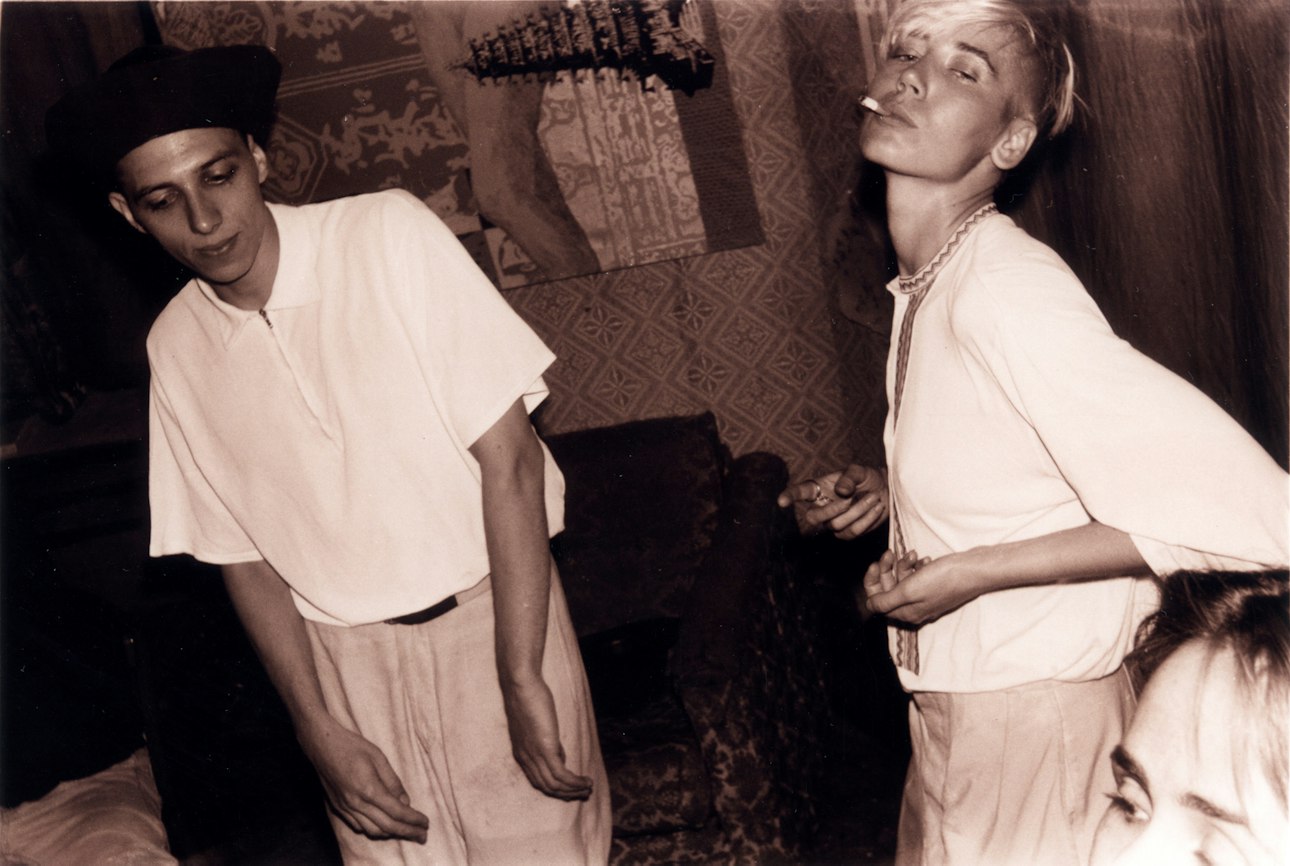
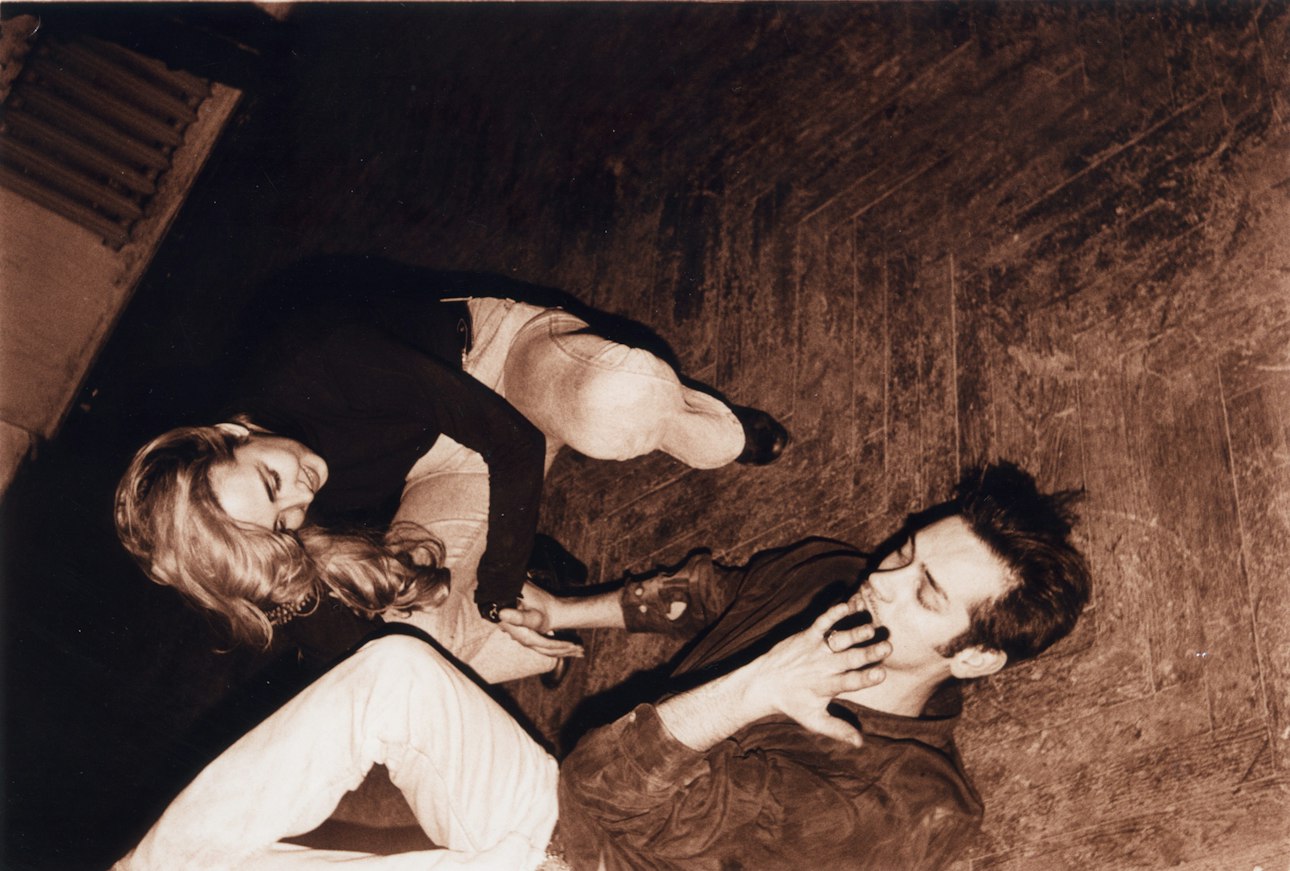
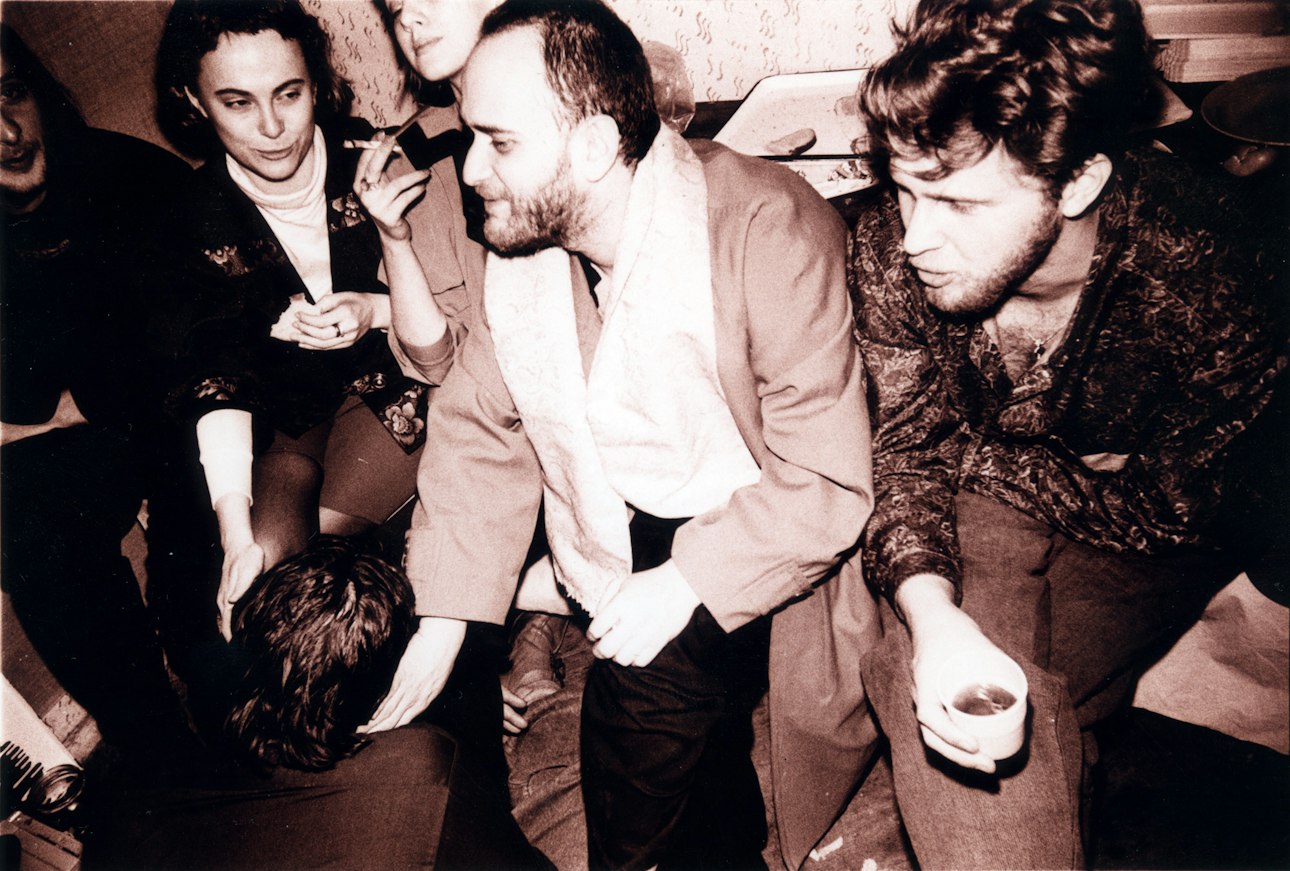
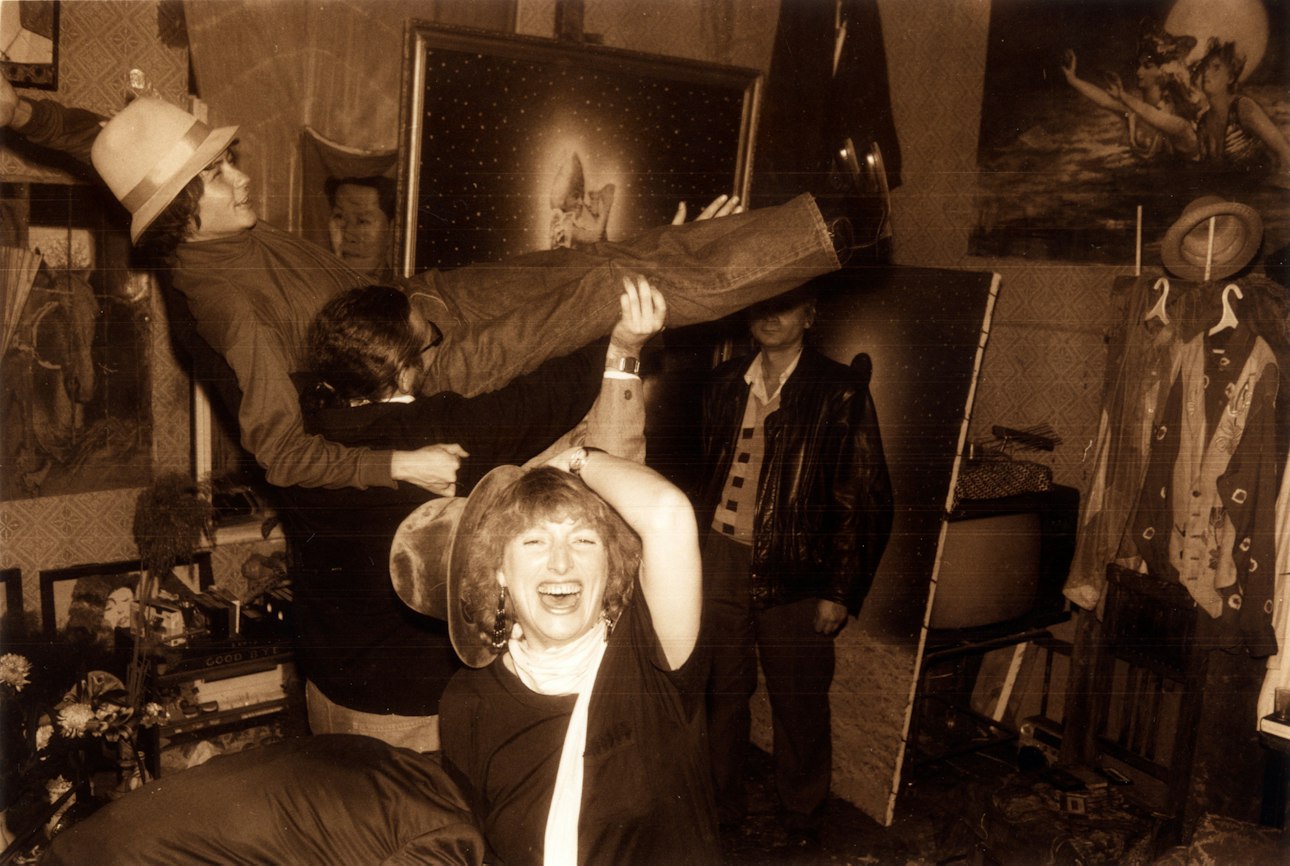
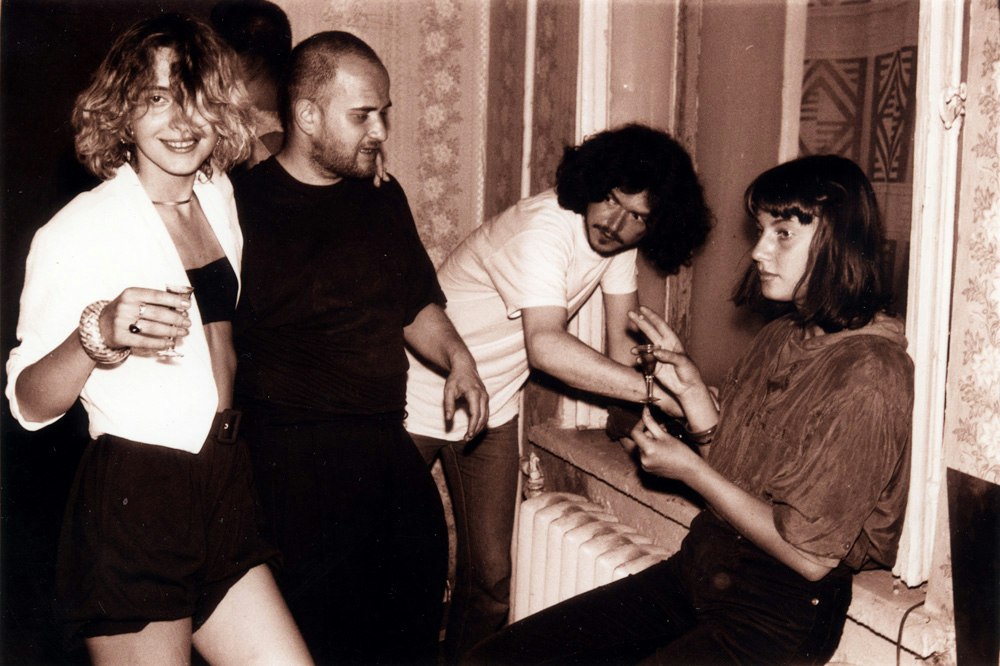
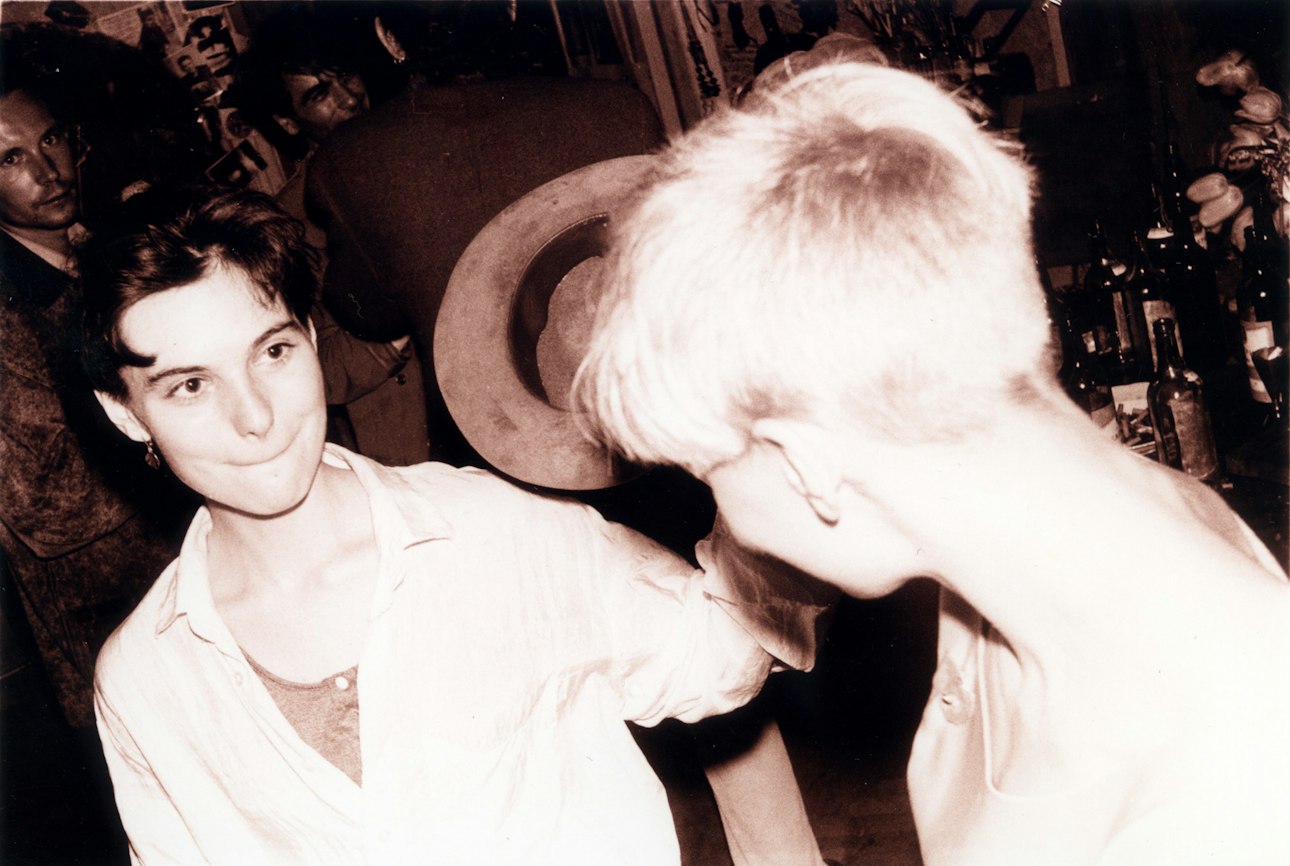
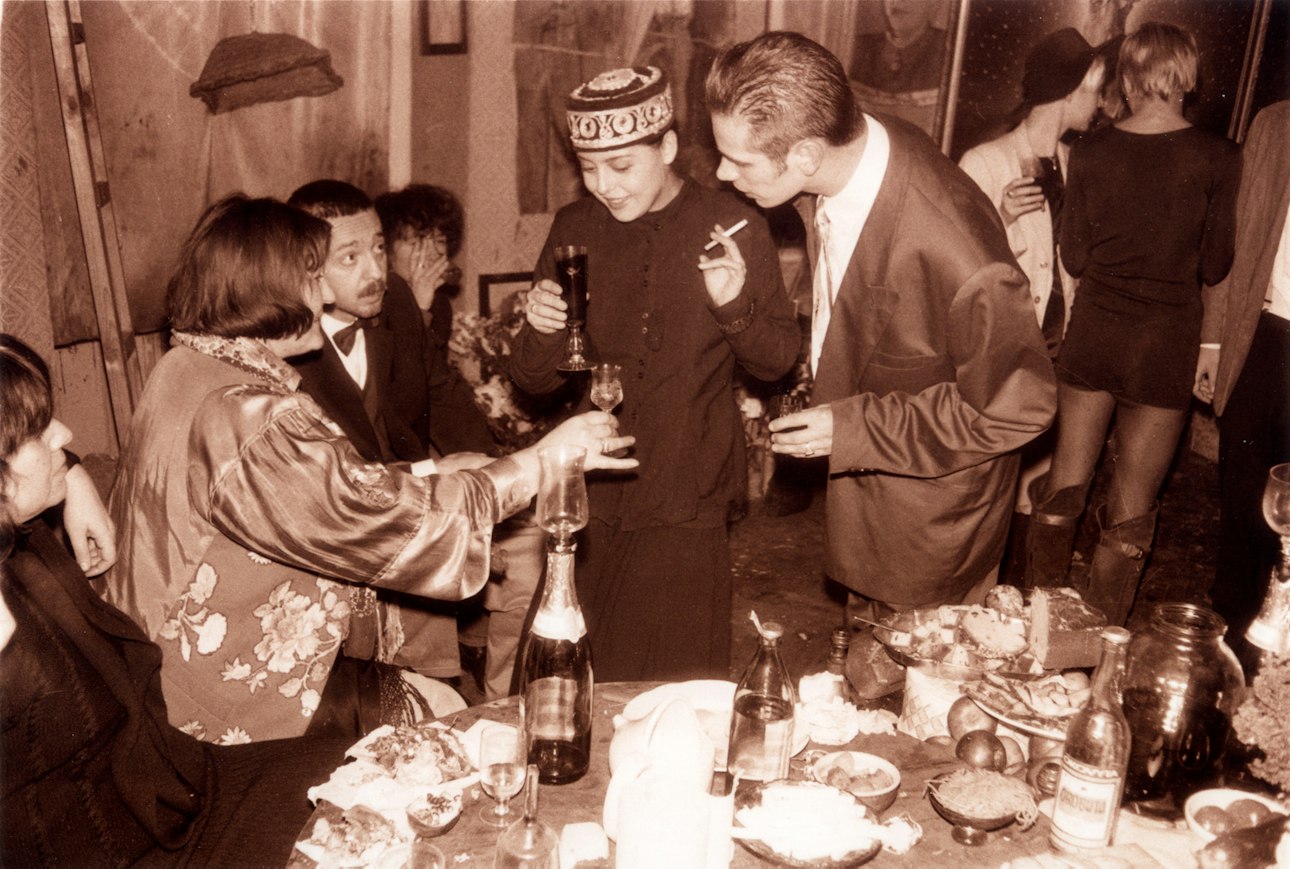
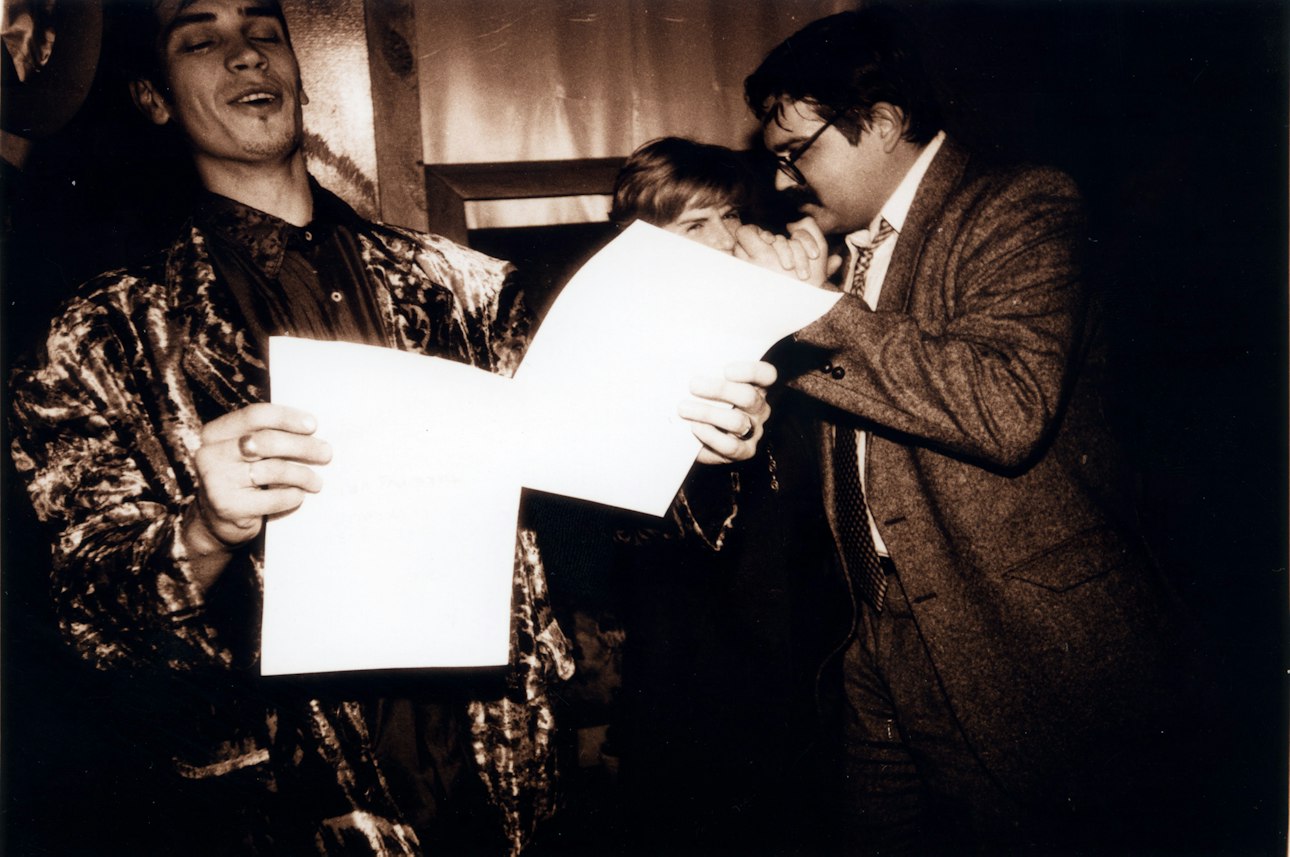
The nineties for Trokh were a time of “total loss of faith in any non-pragmatic values,” a time of “photopragmatics” and cultural blindness, when everything — especially the body — turned into a commodity. Already at the end of the 1980s, a flood of erotica and pornography hit the Soviet countries, beauty contests and glossy magazines appeared, setting aesthetic standards. Advertising formed a certain image of the “consumed body.” Trokh called this a special kind of fascism, and in his Manifesto wrote: “Advertising photography […] creates a distorted, invented, illusory picture of the world, discriminating against those people whose forms do not correspond to the standards of top models.”
The photographer saw his task in creating “anti-advertising” shots, reflecting true, unpretentious phenomena. Trokh sought new norms of beauty and harmony, rejecting existing benchmarks. His works are a strange combination of a dying Soviet legacy, reborn in perverse forms, and emerging capitalism, where fashion, art, and the female body turned into an object.
One of Mykola Trokh’s brightest series expressing the “spirit of the 90s” is “Schoolgirls” from 1993. Against the textured wall of the studio, often seen in the photographer’s works, we see an elderly woman dressed in a Soviet school uniform. She sits shamelessly spreading her legs and masturbates. Her face is hidden by a mask, giving her the image of a doll and evoking a feeling of alienation. Her veiny hands hide between her legs. The Soviet school uniform in the 1990s became a sexual fetish absorbing the concepts of youth, rebellion, and sexuality; worn by an elderly woman, it becomes a powerful symbol.
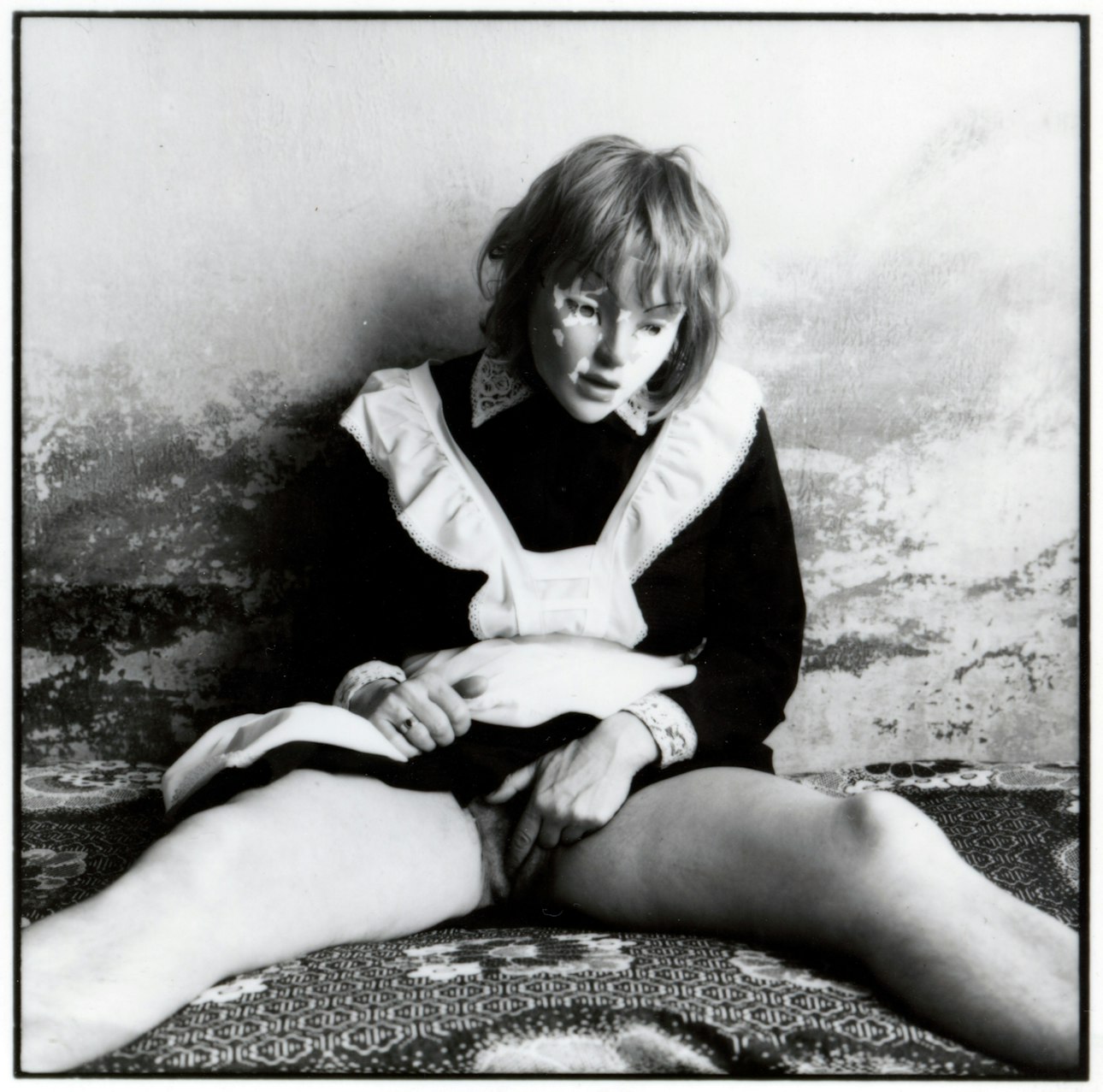
This image served as the basis for an important work by Trokh: his first solo exhibition-action “Pornography — the mirror of our life” in 1995. The artist created a triptych, the central panel of which was the work “Schoolgirl.” The left part of the triptych was an ordinary mirror. The right was a gloomy landscape: a shack-store with the inscription “Osyam,” which in the left panel reflected as “Meat”; above the store’s roof was a church dome. Against the background of this massive triptych, a performance took place: participants imitated a friendly court, symbolizing the absence of privacy in a commercialized society.
Trokh perceived pornography as the universal language of the 90s, spoken by politicians, artists, and ordinary people. The photographer wrote: “By anatomizing violence, aggression, cruelty in some of my works, I do not glorify but expose them. Yes, I strive to evoke disgust in the viewer towards what seems to me vile and vulgar in life. My method could be defined as affirming the norm, beauty, humanity from the opposite. The subject of the image for me is what outrages, causes mental discomfort, despair. The dirt, stupidity, vanity of the world.”
Mykola Trokh died in 2007 of a heart attack — in poverty, in a stranger’s apartment. One of the most popular photographers of the 1990s became unwanted in the 2000s: the “honest shots” he continued to make did not correspond to the new glossy standards.