
All about Valeriya Trubina — the brightest star of the Kyiv art squat Parkomuna.
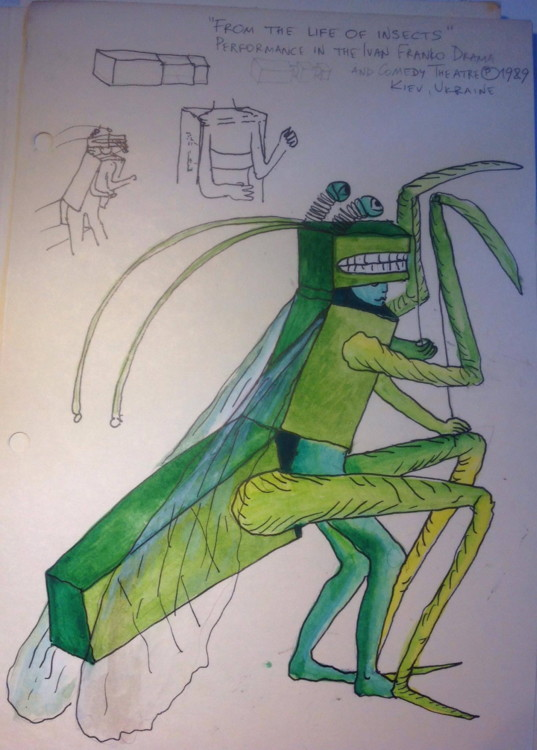
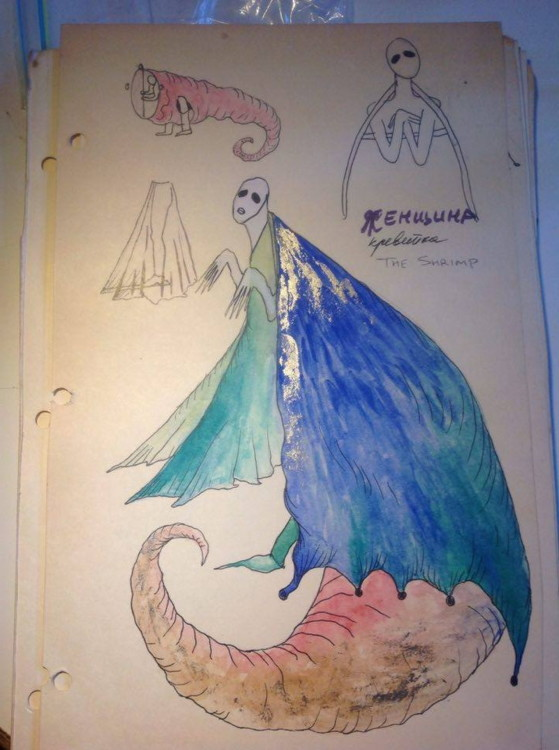
At PinchukArtCentre, a research platform was launched with the goal of creating a living archive of Ukrainian art from the early 1980s to the present day. The platform team visits artists’ studios, studies their biographies, past and present, and the research results can already be seen in the PinchukArtCentre library. Vogue.ua and the art center are starting a collaboration to publish articles about the most interesting Ukrainian artists. The project’s heroes have already included Oleksandr Hnylytskyi, Maksym Mamsikov, and Illia Isupov. The series continues with a story about Valeriya Trubina — the star of the Parkomuna art squat. Vogue.ua publishes the artist’s sketches and graphics for the first time.
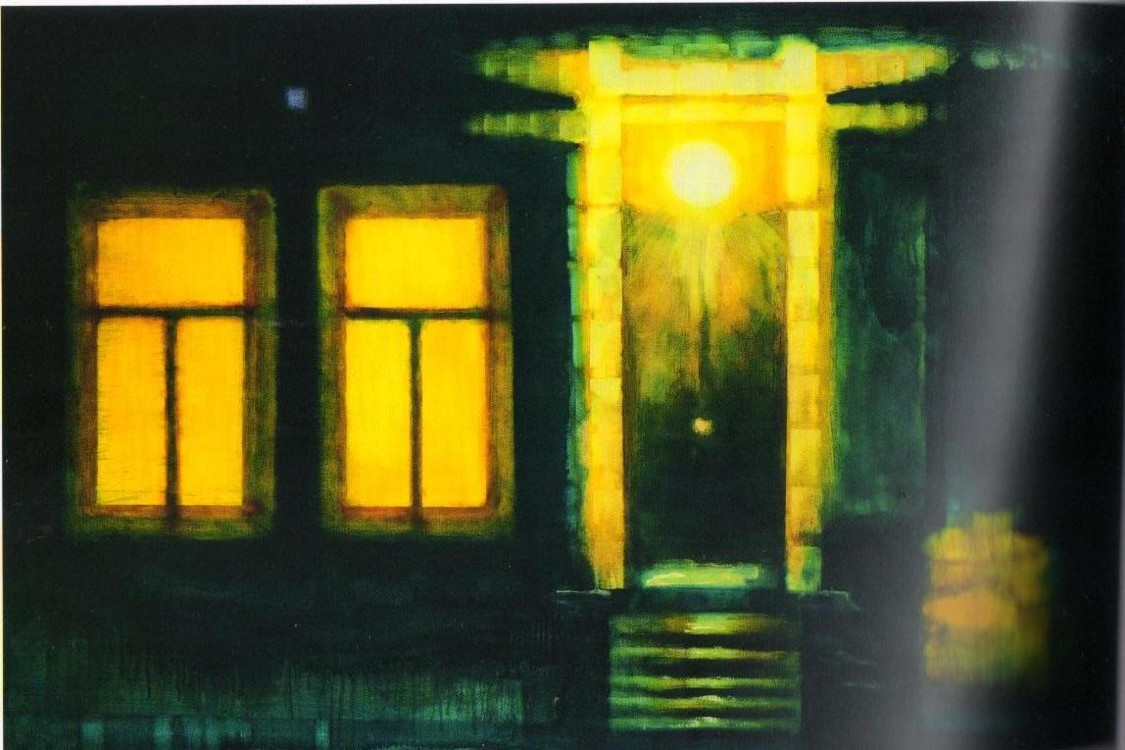
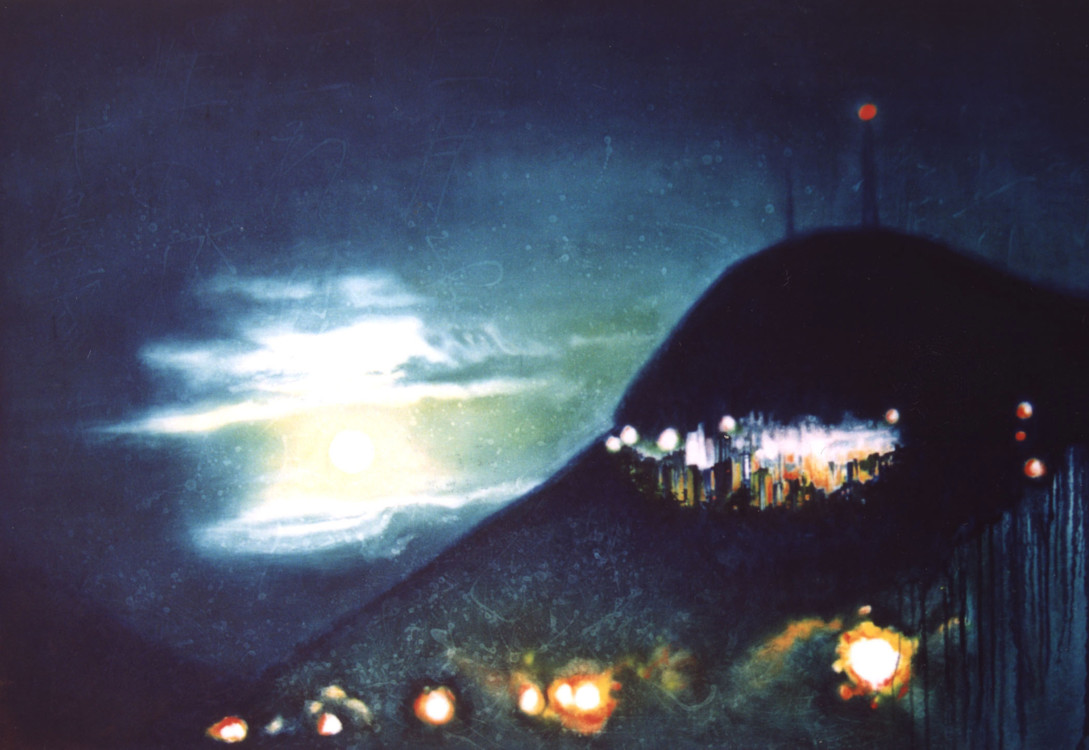
One of the few girls in the squat on the former Paris Commune Street was Valeriya Trubina — a student of the theatrical decoration department of the Kyiv Art Institute. Critics call Trubina one of the most talented artists of that time. Her early paintings attract attention with symbolism, narrativity, and a special “seriousness.”
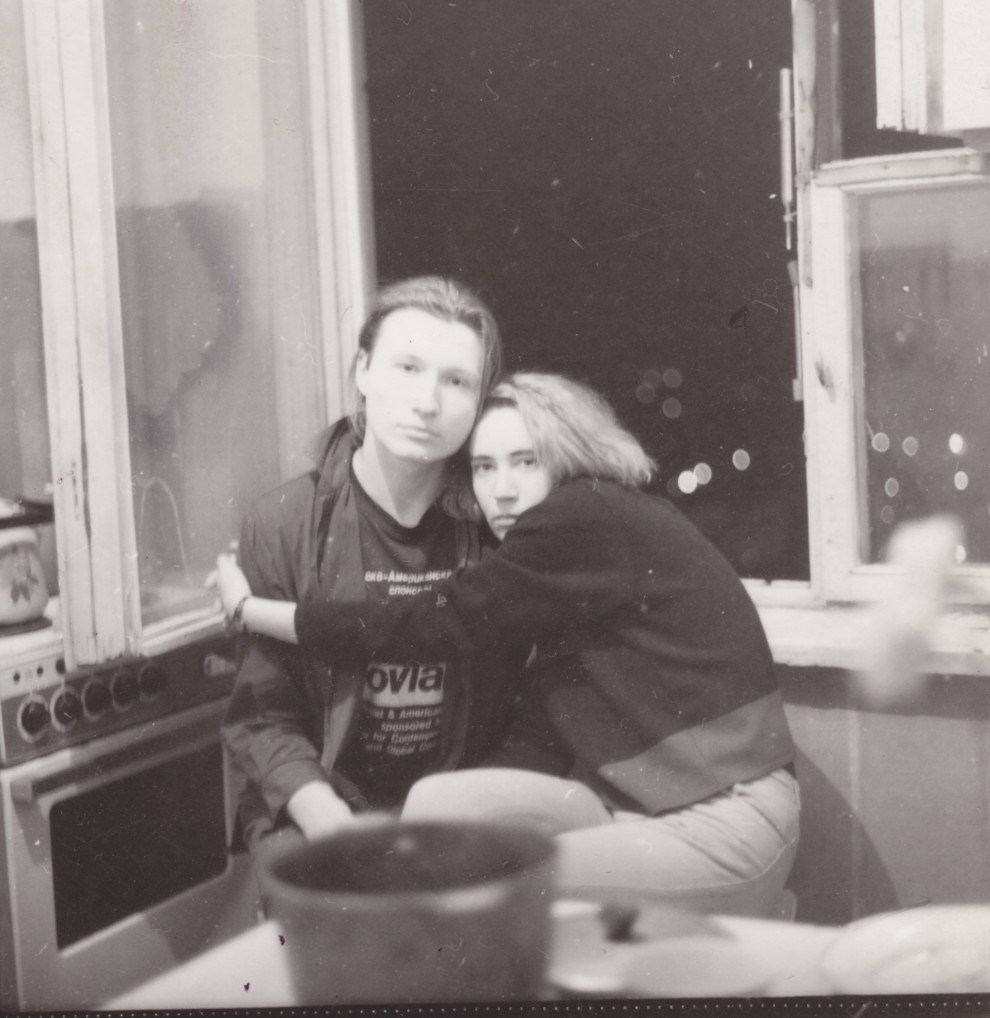
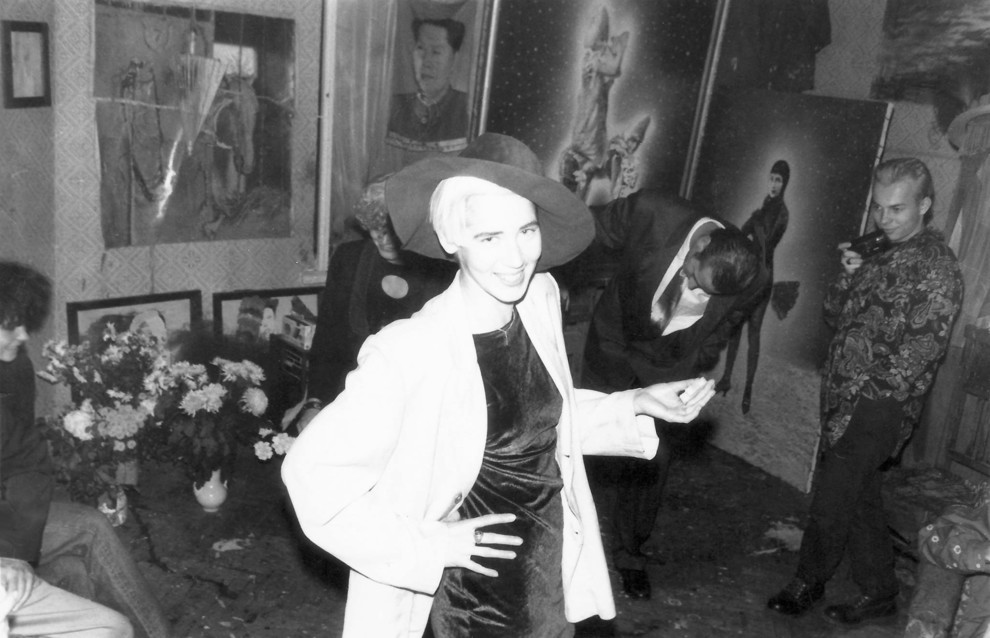
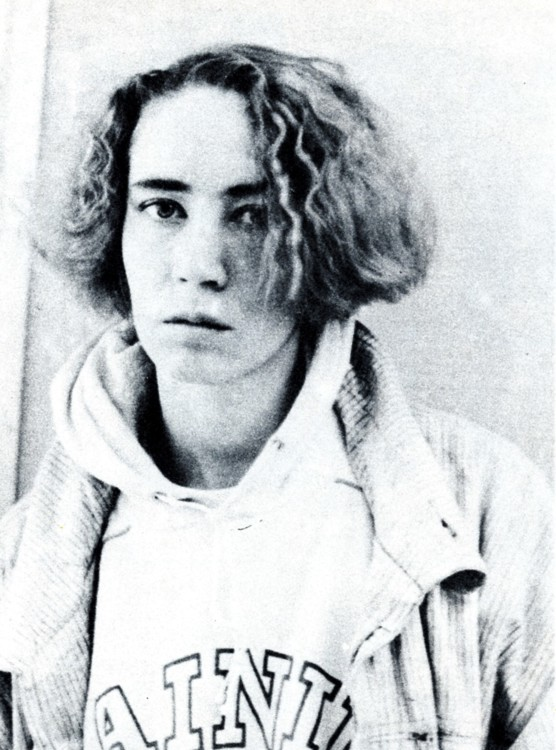
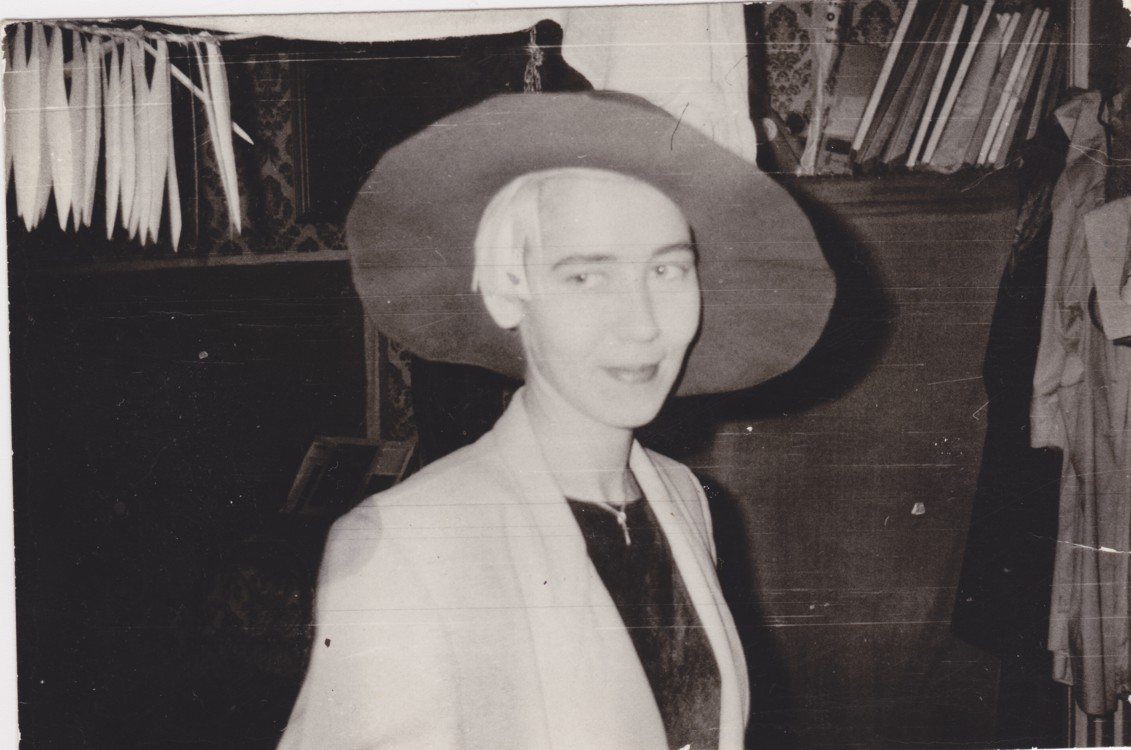
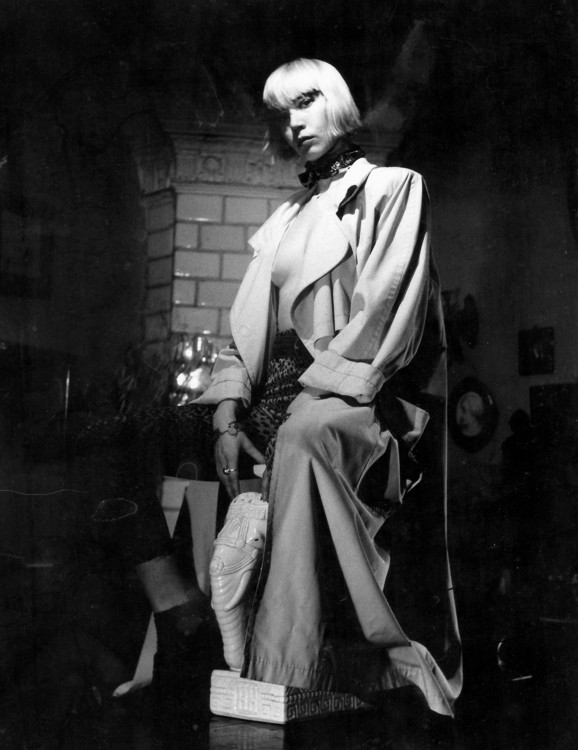
In photographs from the late 1980s to early 1990s, you can see a striking blonde with long lush hair. This is Valeriya Trubina: she stands in her studio at the Kyiv Art Institute next to her friend Oleksandr Hnylytskyi, or drags a huge canvas through the yard on Lenin Street (now Bohdan Khmelnytsky Street). In some photos, she appears completely naked before the viewer. Friends often recall Trubina as a mysterious and detached girl, and critics of that time write that the artist creates strange and somewhat eerie scenes.
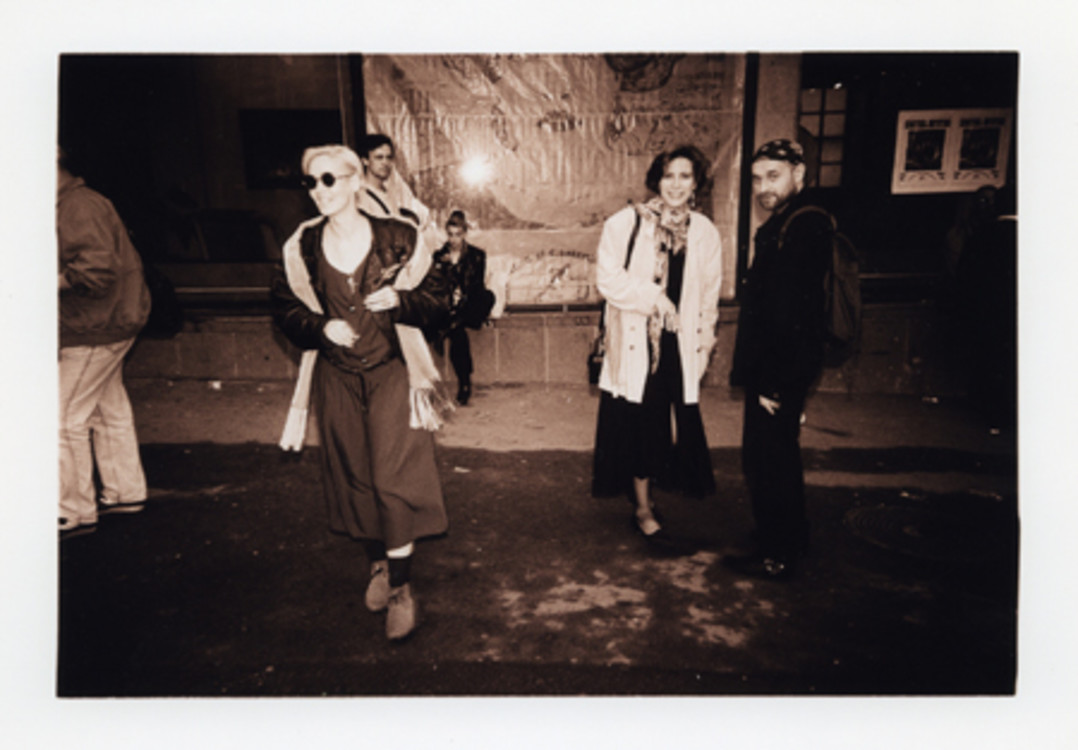
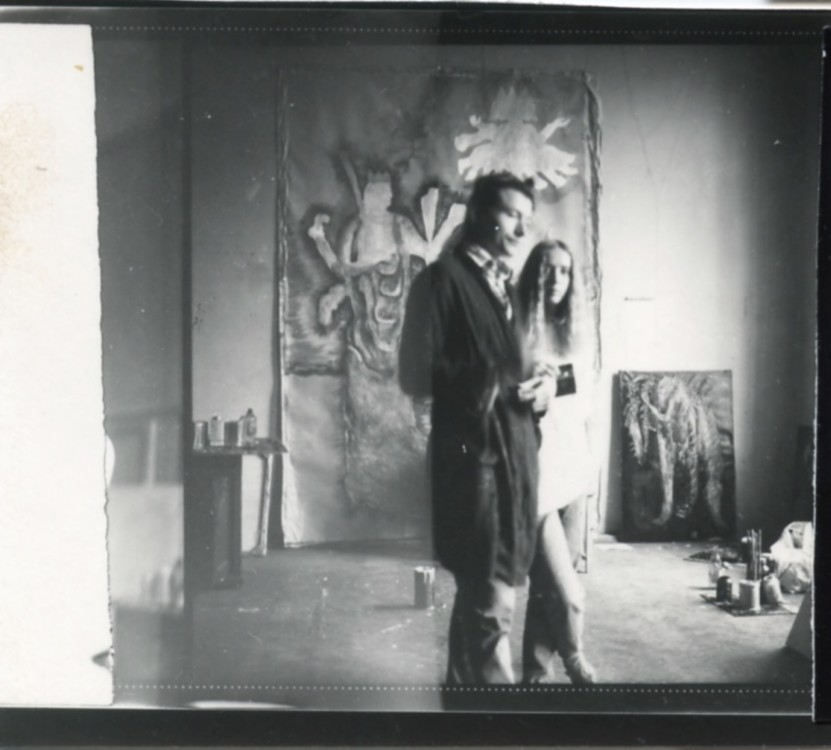
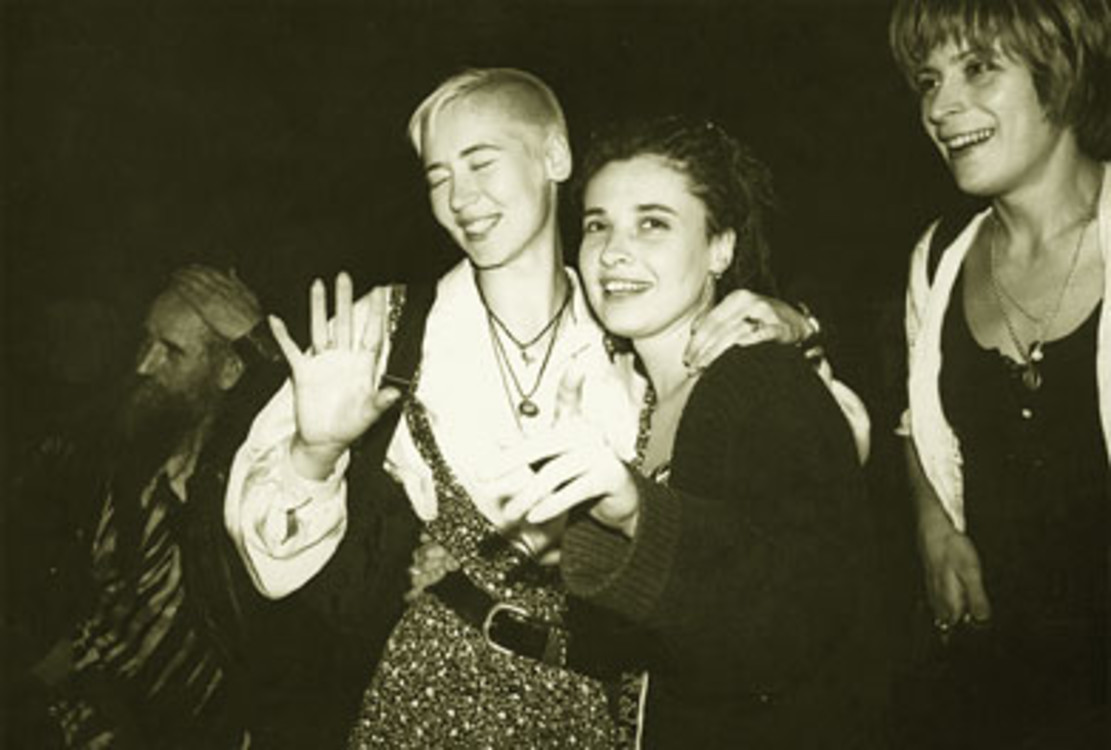
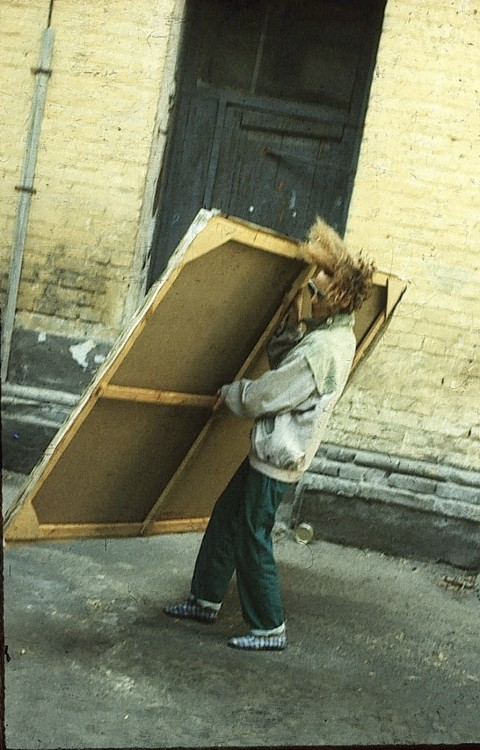
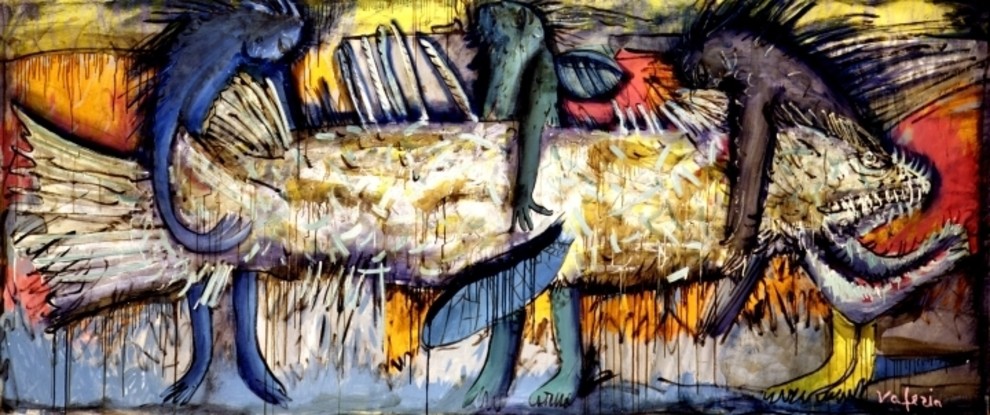
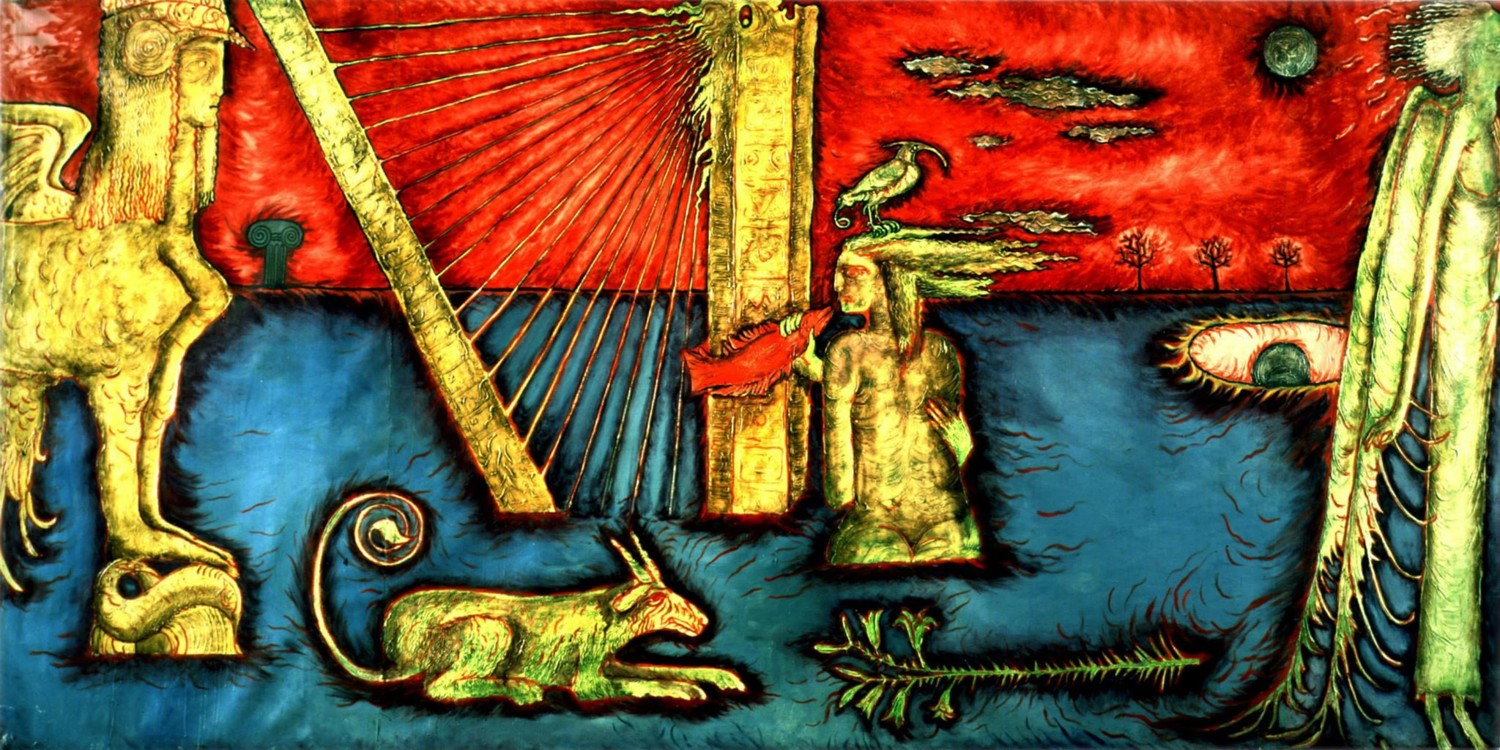
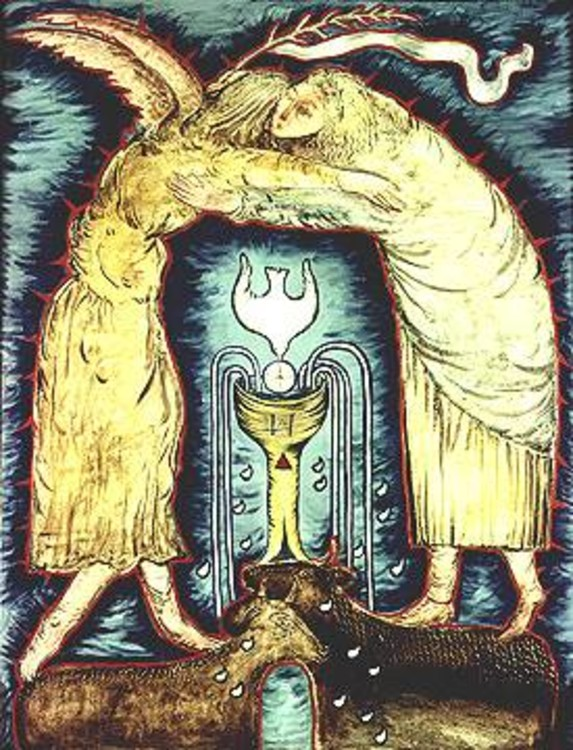
Her early works are truly “prickly.” The artist outlines each character with lines — sometimes red, sometimes white. They overlap, visually resembling thorns. Such contours can be compared to armor or thick skin with which Trubina covers the characters of her late 1980s paintings to protect them from the outside world. And there were plenty of threats in that world during the late USSR era: the artist herself recalls how the KGB agents watched over them, art school students. Once she attracted their attention because she was reading samizdat literature on public transport.
Trubina recalls that she got hold of a samizdat reprint of a book by Shri Rajneesh, which was banned at the time.
“All Eastern, as well as Western, literature was under strict control by the authorities,” the artist says. “Since I was given the book only for a short time, I read it on the tram on the way to school. I felt something was wrong, and when I got off the tram, two strong men grabbed me by the elbows and took me aside. That’s how I ended up in the basement of the KGB office, behind thick doors, where a rather biased interrogation began. The book was confiscated, they demanded I name names and addresses, threatening that I would never enter higher education. The authorities informed the school about what happened, and I was put on record.”
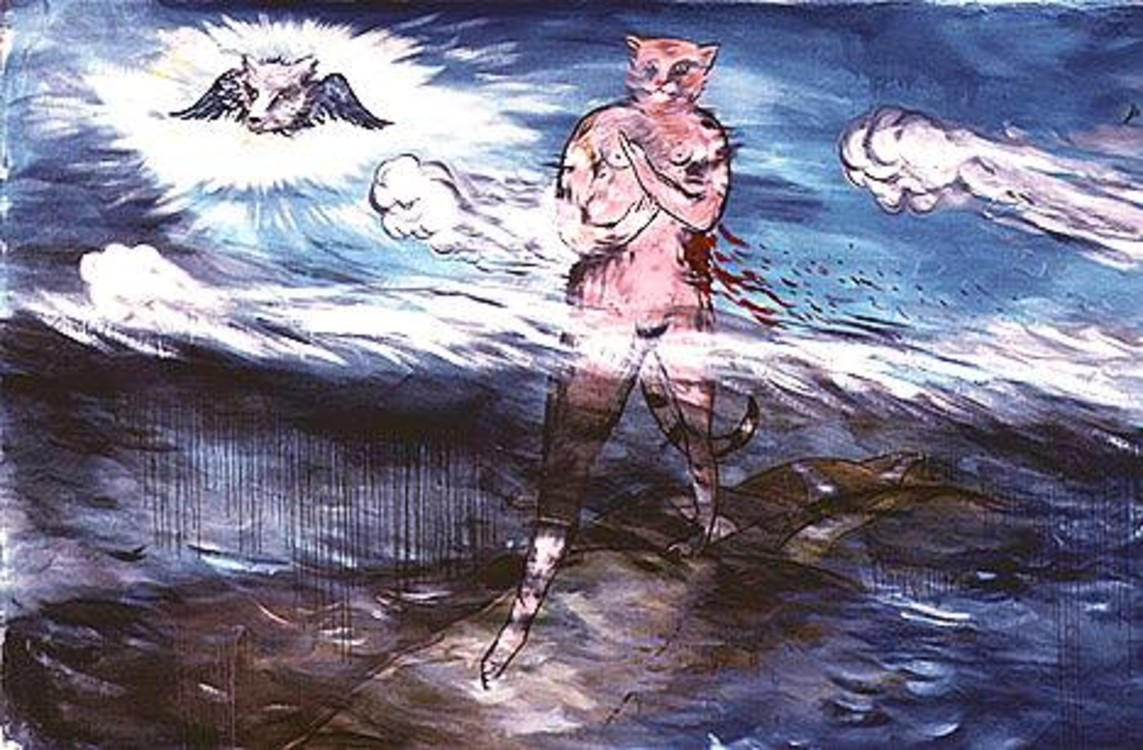
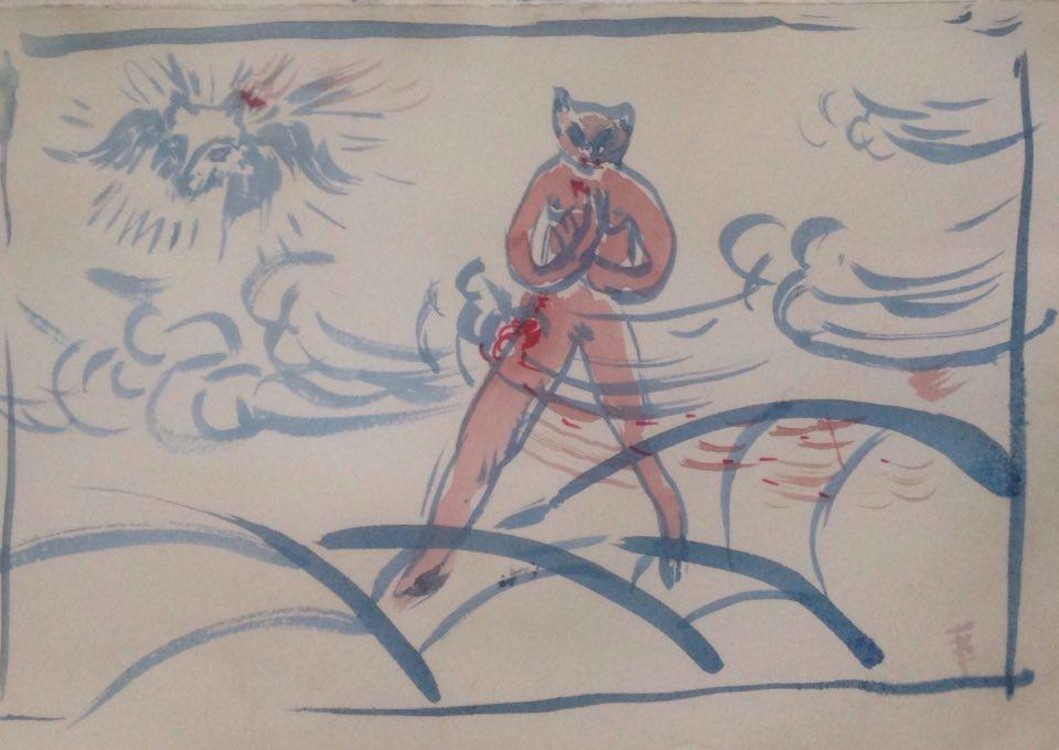
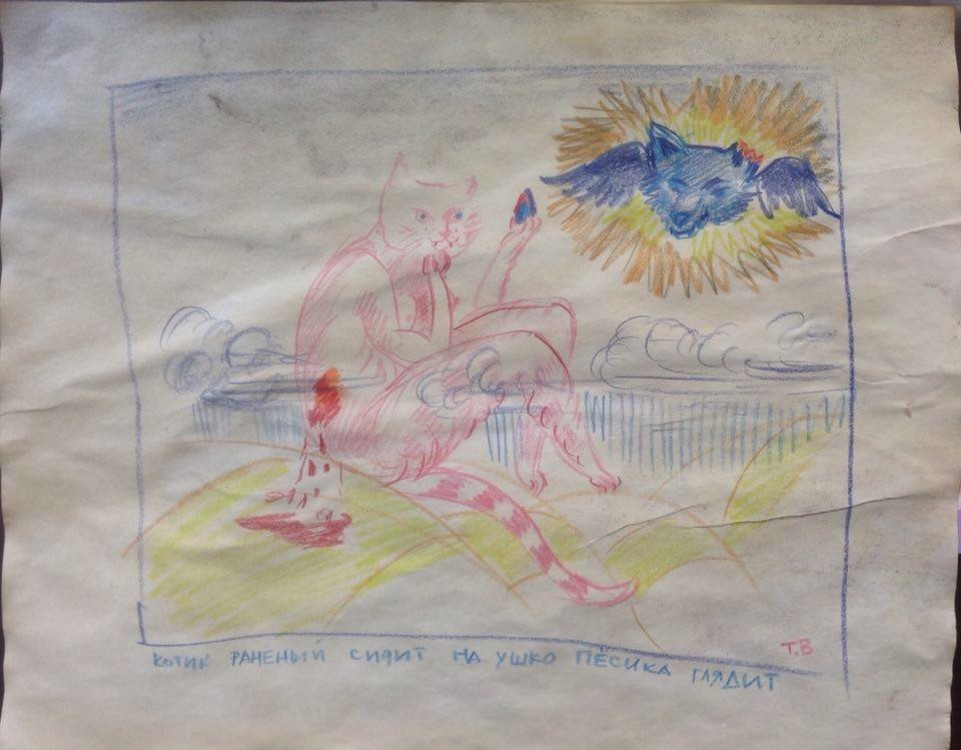
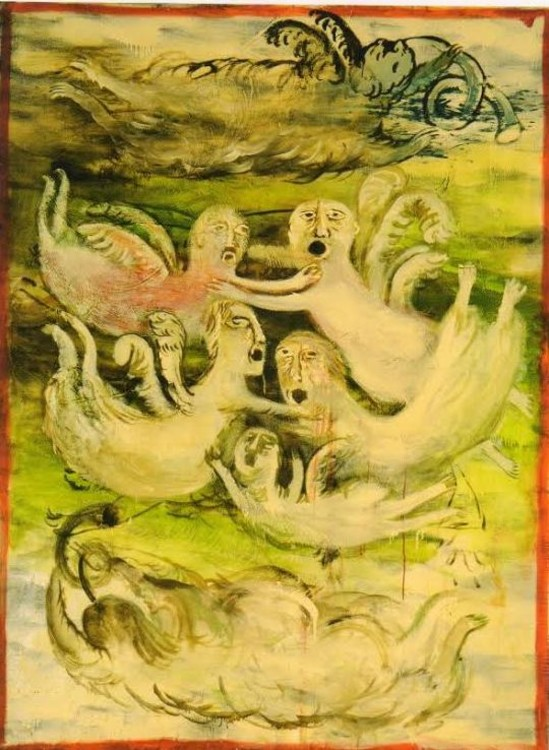
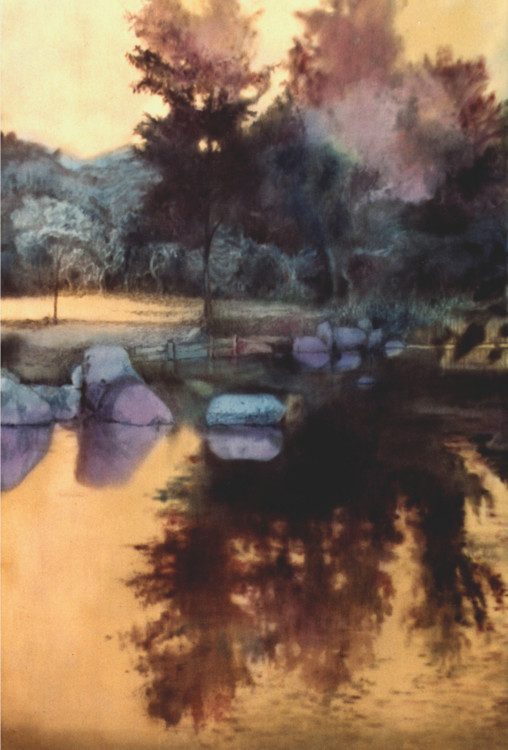
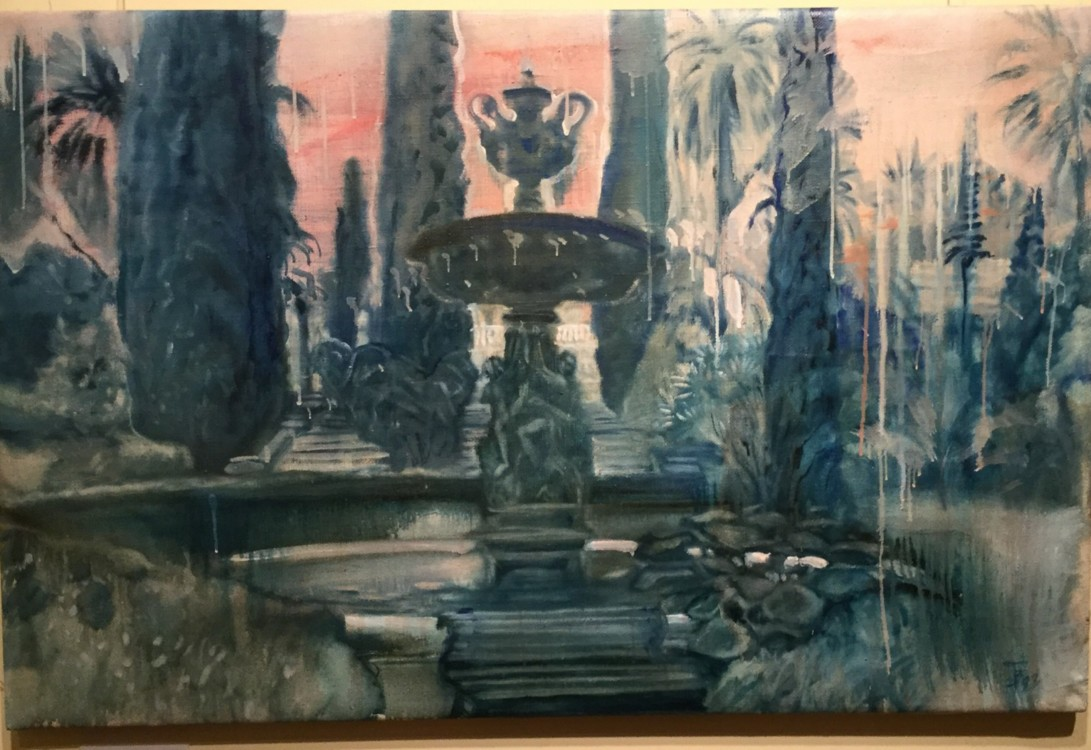
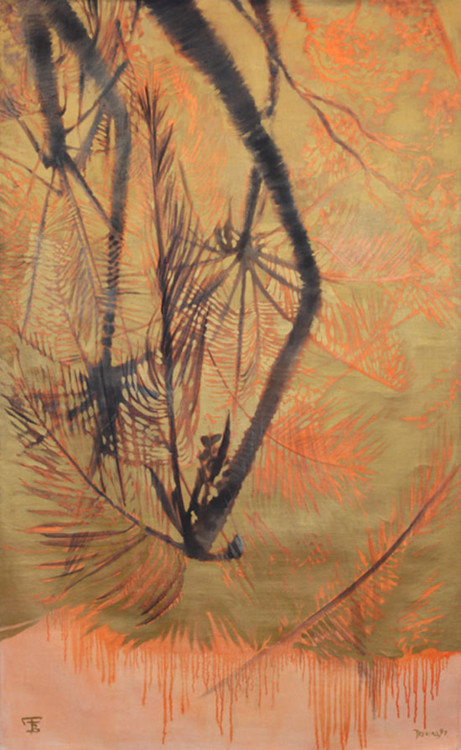
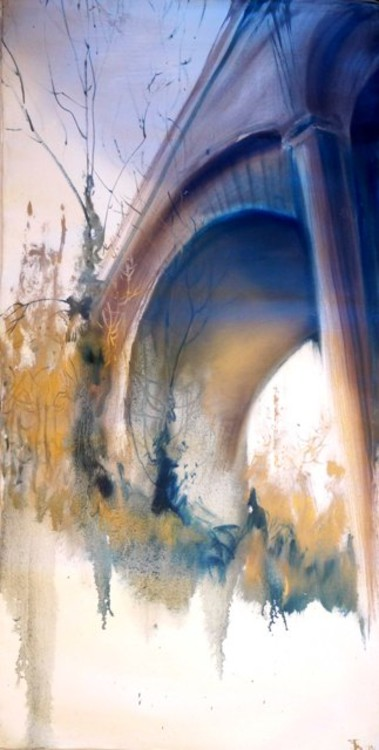
Trubina has always been fascinated by the mythology of the East, Scandinavia, and Europe. She notes that she grew up in an atheist family where access to information in general and religious information in particular was limited. Her first acquaintance with art history and new knowledge about the world, which she gained at school, made a great impression on her. It was there, for example, that she first saw Renaissance paintings filled with references to Christianity. For Trubina, myths and religion are a code, a symbol through which the artist creates her apolitical but revolutionary message. For example, the work “Sacrifice” from 1988–1989 (now in the collection of Hradobank, National Art Museum of Ukraine) is an allusion to the film of the same name by Andrei Tarkovsky from 1986.
“I watched Tarkovsky’s first film when I was twelve. On the way to school, I saw a poster for the film ‘Stalker’ (1979). At that time, the word meant nothing to me, but somehow it seemed like something extremely interesting. Besides, the film was made from a screenplay by Arkady and Boris Strugatsky, and I adored science fiction. The math teacher was late for the test, and I suggested to my classmates that we skip class to go to the movies, saying it was probably a cool sci-fi film. So the whole class went to the cinema. In the middle of the screening, the school principal turned on the lights and asked the entire 5-A class to return to class. Of course, no one went back — everyone hid under the chairs. And I was so stunned that I didn’t move. Tarkovsky changed my consciousness. He is my teacher,” the artist says.
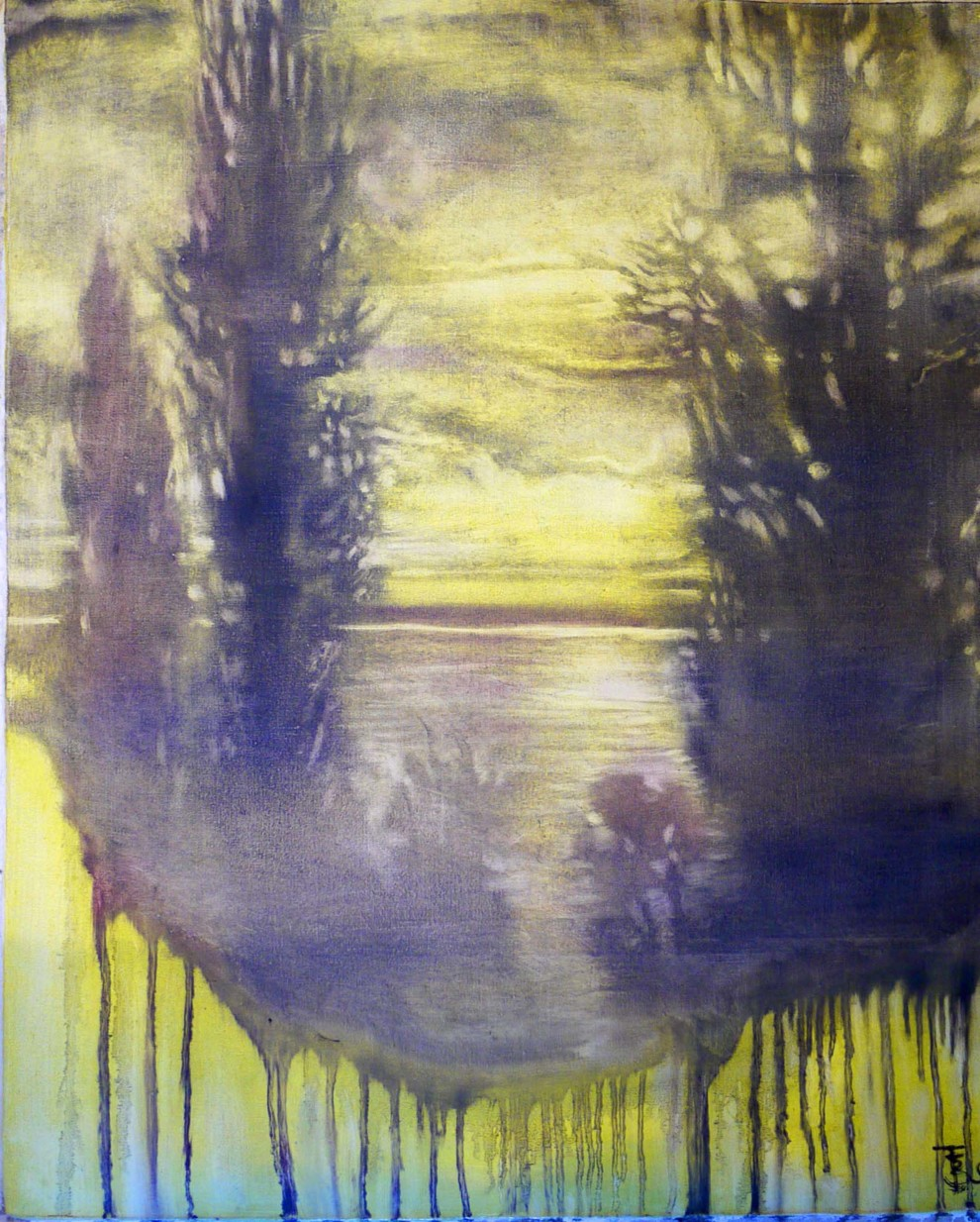
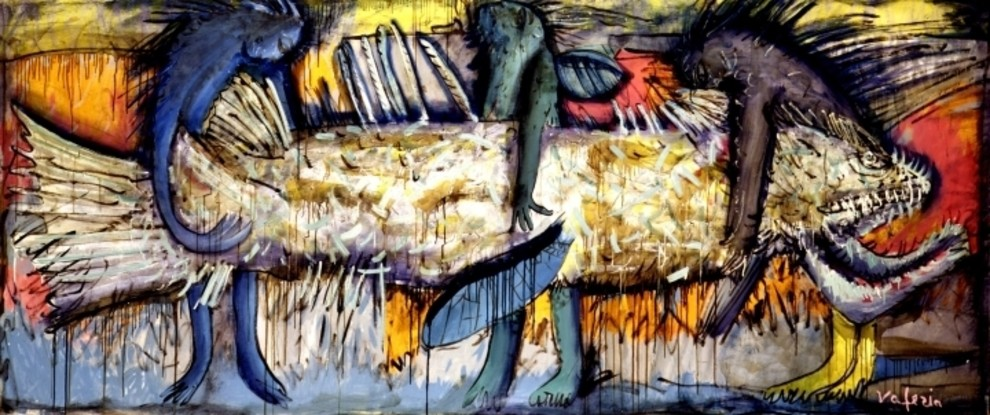
In 1990, the works of Trubina, Hnylytskyi, Holosiy, and Kavsana “revolutionarily” entered the halls of the State Museum (now the National Art Museum of Ukraine), where they were shown that same year at the exhibition “Ukrainian Painting of the 20th Century”. Interestingly, after this scandalous event, the museum works were not exhibited for a very long time: they were shown again only in the 2000s.
Trubina’s painting is always very personal. Behind each story is a lyrical narrative: whether it is a story of a meeting, as in the painting “Winter Memory of the Admiral”, or a story inspired by her pet rat Hans, as in the work “Hans’s Scarf”. Trubina says she painted “Winter Memory of the Admiral” after a trip to the Caucasus with Oleg Holosiy, during which they stopped at a small station. That’s where their romance began.
“It was either 1988 or 1989. Souvenir postcards depicting a pompous Stalinist train station were sold there. The station on the postcard became the subject of the work. And I created the painting as a memory of how it all began,” the artist continues.
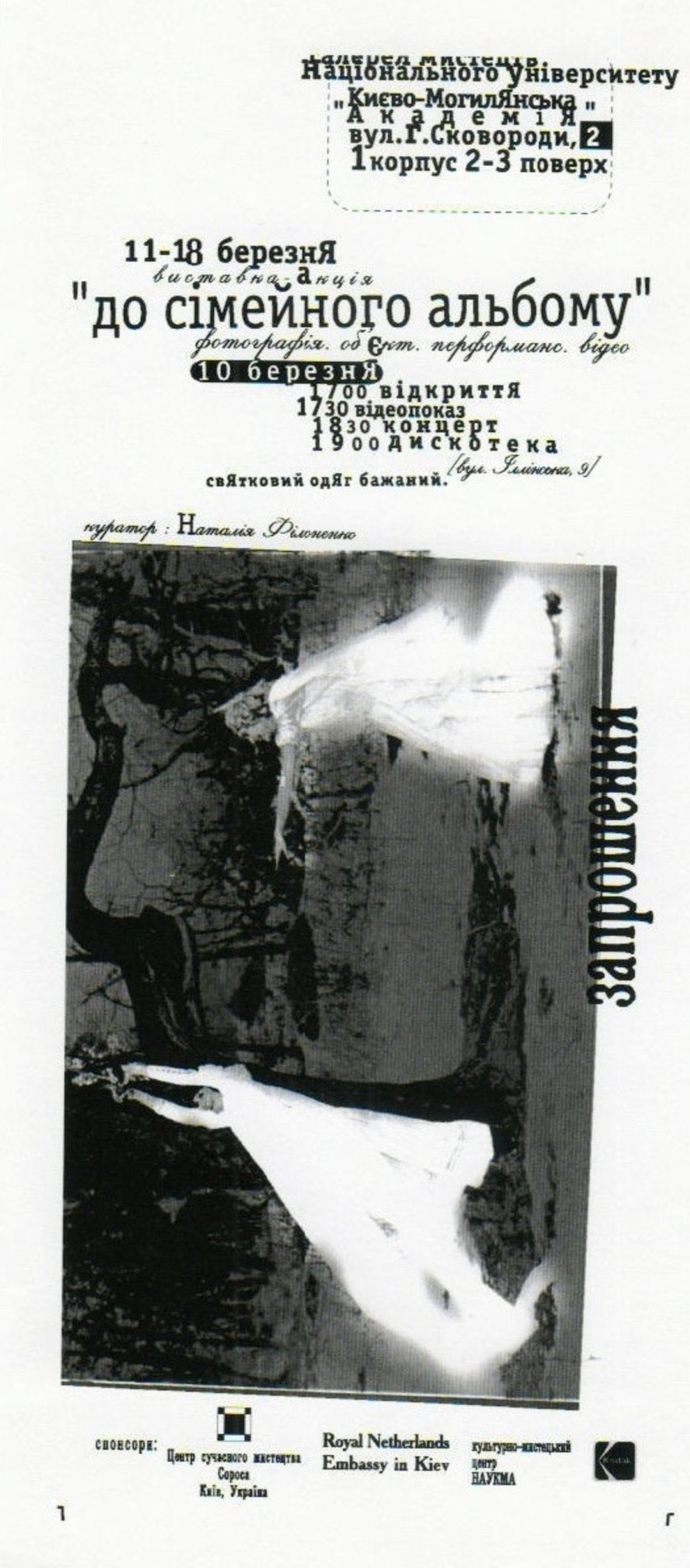
A vibrant artistic life implied vibrant clothing: some of the clothes artists found at the Sennyi Market, some they sewed themselves. Later, in the winter of 1995, during the preparation of the curator Natalia Filonenko’s exhibition “To the Family Album” (1996), Trubina and Filonenko staged a kind of performance, dressing in wedding dresses.
“Ivan Syutkin, then a novice filmmaker, filmed us. He literally recorded everything on video: how we put on makeup, wore wigs, hailed a car, walked through the city and market, bought snacks, because at minus 20 degrees Celsius we needed an inner fire and snacks to go with it. After leaving the city, we got out of the car and walked into the white endless steppe. The road was snowed in, and we, all in white, already drunk and heated, found ourselves in a snowy desert. It was an interesting experience. We tried to make a fire from what we found around, but it didn’t help warm us. Seeing a zip line on the riverbank, we started playing. Then we returned from there to the city, to a warm apartment, half-frostbitten and very drunk. Of course, after all that, we got sick. So art really requires sacrifices,” Trubina recalls.
It is unknown whether the video survived, but photos from the shoot decorated the invitation to the same exhibition “To the Family Album”.
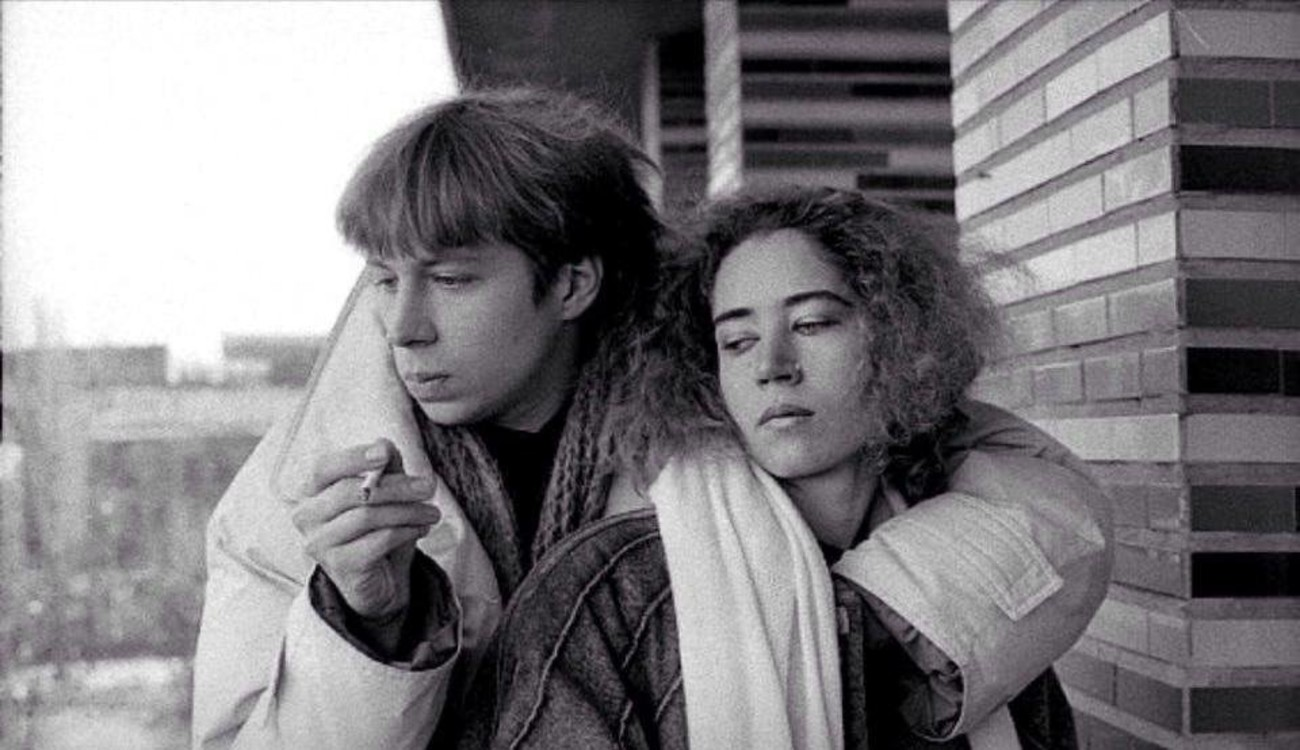
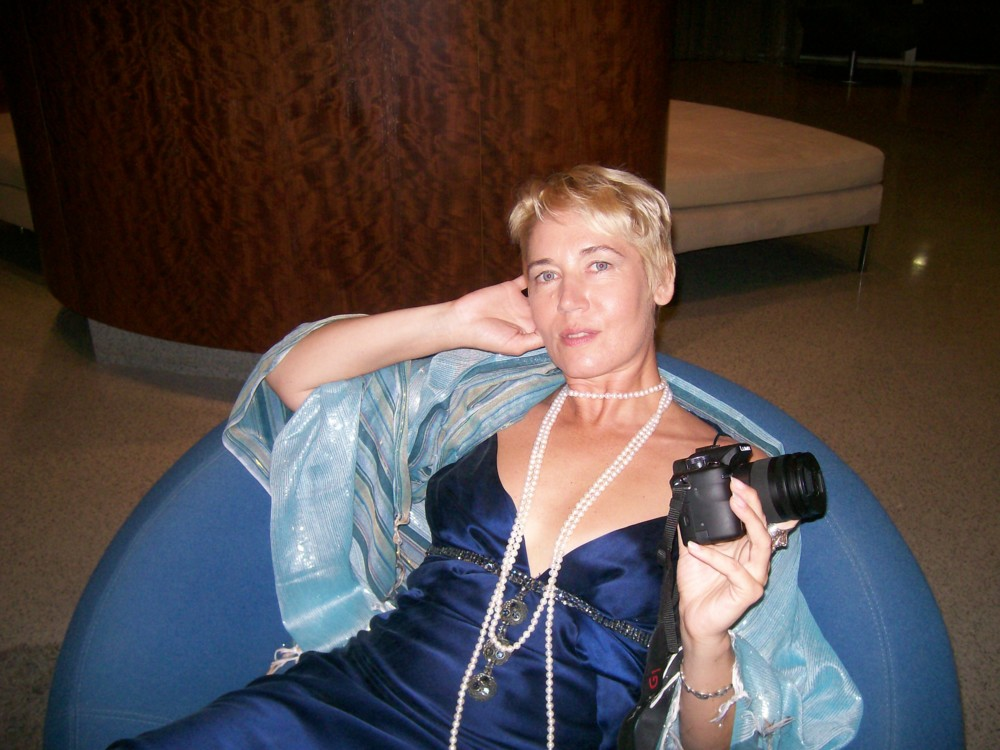
Anthropologists studying social processes could pay attention to the artists’ extravagant costumes, hairstyles, and makeup while analyzing the society of that time. One could jokingly analyze Trubina’s hairstyles, who in Parkomuna photos appears with increasingly shorter hair. Hair is a symbol of freedom, independence, and emancipation. Already in the early 1990s, Valeriya appears in photos with short hair and independence. And in 1992, she even shaved part of her hair “to zero.”
Freedom came to Kyiv with all its consequences: access to cinema and literature, freedom of choice, the appearance of new capitalist goods, the first sales of paintings, and so on. But what to do with this freedom? Where to run from it, where to go?
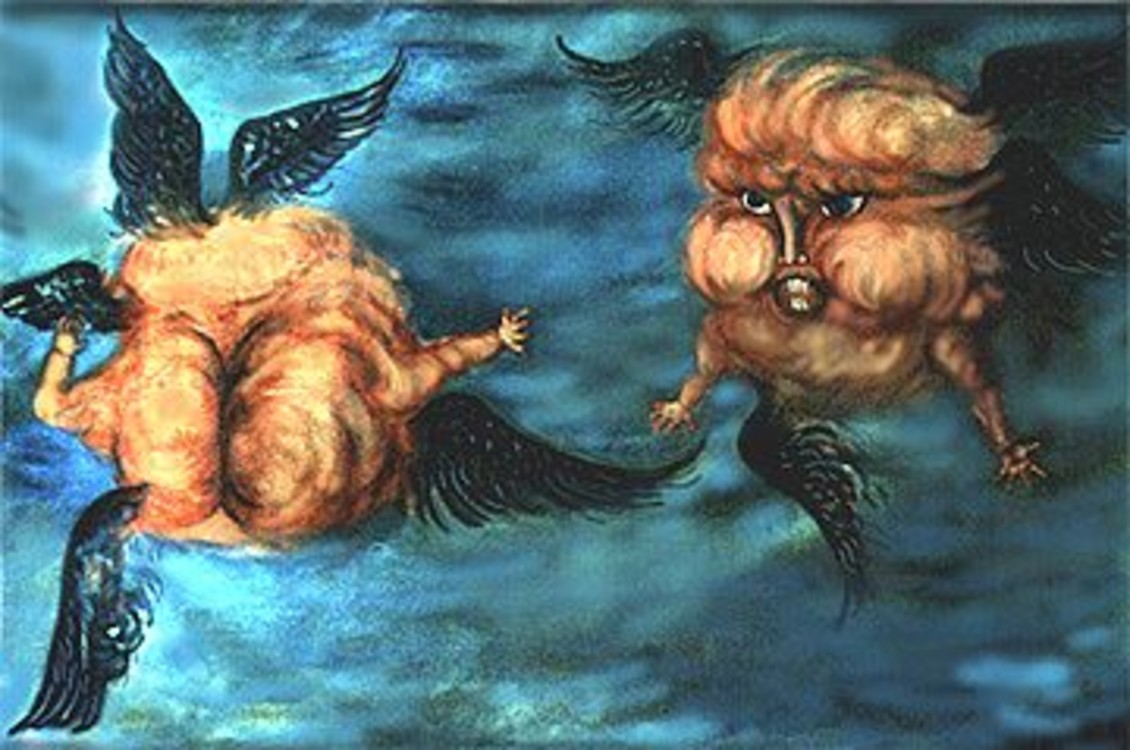
In 1993, Trubina, along with other young artists, went to Edinburgh, where the exhibition “Angels over Ukraine” was held. Ukrainian art was presented in a church. Unfortunately, no photos from this exhibition have been preserved, but imagination paints a magnificent picture: lightboxes by Savadov and Senchenko instead of an altar and Trubina’s giant angels hanging in the air, visually resembling Bubble Gum chewing gum. The exhibition also featured Hnylytskyi’s huge “Wing” and the crazy winged dead poets of Roitburd — including “Anna Akhmatova”. After the exhibition, Trubina stayed in Scotland for several months and worked in a residency.
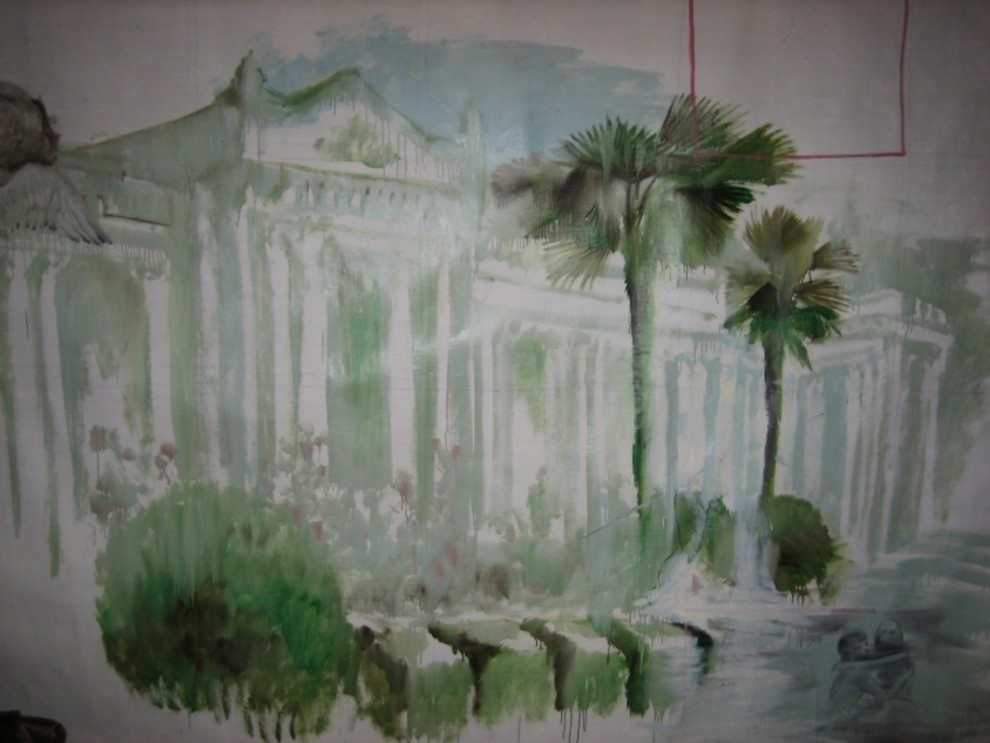
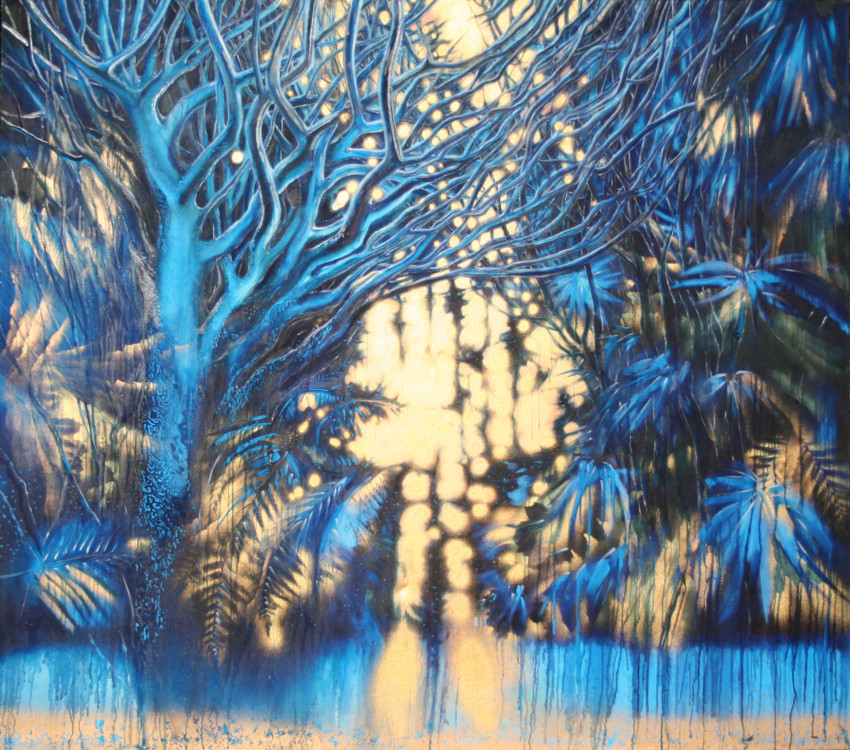
In Scotland, the artist worked on the theme of secret gardens, which she began developing in Ukraine. Trubina notes that the strong English landscape school, based on subtle relationships between humans and nature, inspires her, as does nature itself. Some gardens she “copies” from postcards and photographs — found or gifted. Other works are based on her own photographs, sketches from life, and watercolors.
During this period, she wrote letters. One of these lyrical messages the artist sent to Oleksandr Solovyov — a curator and art historian who cared for young artists in Kyiv:
“If we survive our exhibition in London, maybe we’ll return by spring. We are terribly tired!.. We eat one chocolate and drink Scotch whisky, no strength left. I work a lot and aimlessly, with a secret hatred for Scotland. But overall, everything is good, and we love each other tenderly…”
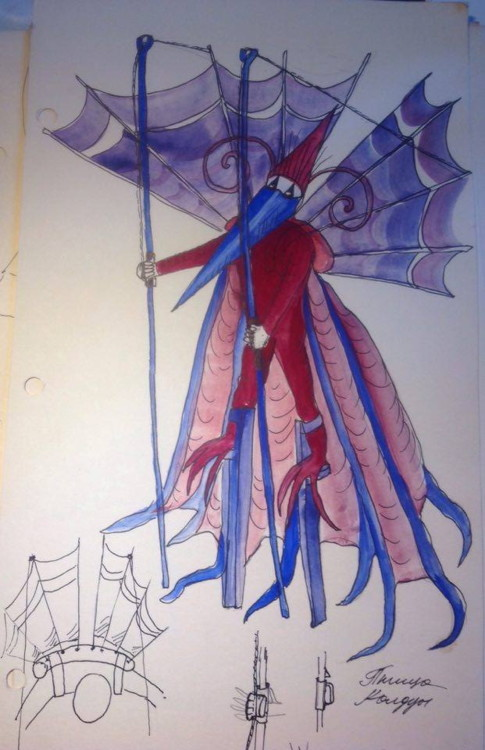
After Great Britain, the artist went to the USA — a utopian country that welcomes everyone. At first, she lived in Chicago, then moved to California. Her works were exhibited in Los Angeles galleries and also joined the Norton Dodge collection in New York.
Trubina says the USA shocked her, especially after the sweet, mannered, and traditional England: huge spaces and distances, highways and skyscrapers, a crazy pace of life. The artist recalls how difficult it was to live on the 55th floor in Chicago, to get used to the fact that the weather upstairs and downstairs was two different things, to ignore the sirens’ wailing, and to get used to the need to go to work every day.
“The feeling of detachment from all loved ones and friends was too strong — as if in open space,” she says.
Trubina came to Ukraine briefly. In 1995, at the Kyiv gallery “Blank Art,” the artist presented the author’s project “1000 Merlins”, which she regards skeptically many years later, considering it an experiment. At that time, Oleksandr Blank’s gallery was one of the most popular.
Trubina’s project consisted of several works. The portrait of Merlin (Marilyn Monroe) was created by the artist on bright yellow plastic. The image consisted of hundreds of prints, on which was written in two languages: “I love you” and “I hate you.” When the viewer looked at the portrait from afar, they saw a beautiful image of the actress. However, up close, the portrait broke down into hundreds of prints, and the face dissolved.
Today, the artist is fascinated not only by painting but also by photography. However, despite all experiments, Trubina remains an artist who recreates her own world through painting — meditative, harmonious, and aesthetic. Valeriya Trubina lives and works in California.