
At PinchukArtCentre, a research platform has been launched with the goal of creating a living archive of Ukrainian art from the early 1980s to the present day. The platform’s team visits artists’ studios, studies their biographies, past and present. The research results can already be seen in the PinchukArtCentre library. Vogue.ua and the art center are starting a collaboration, within which they will publish articles about the most interesting Ukrainian artists. The project’s heroes have already included Oleksandr Hnylytskyi, Maksym Mamsikov, Illia Isupov, and Valeria Trubina. The next hero is Oleh Tistol.
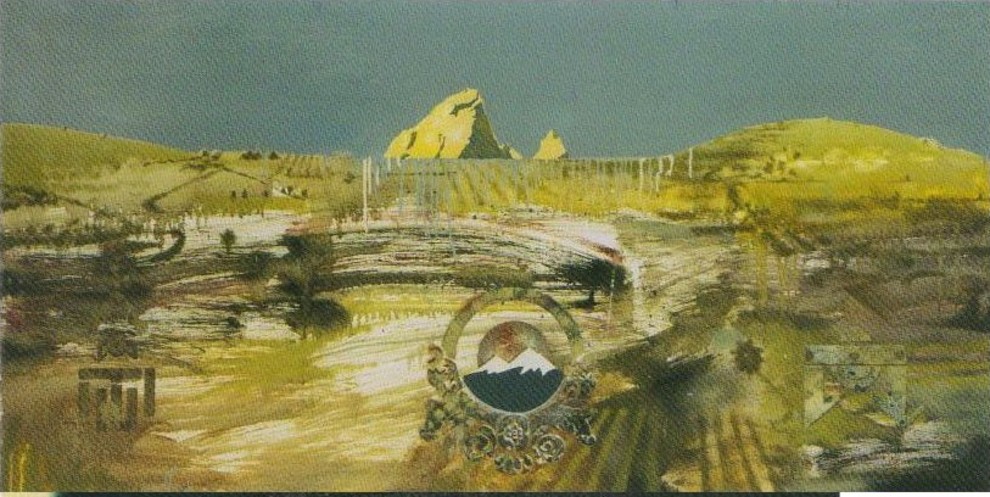
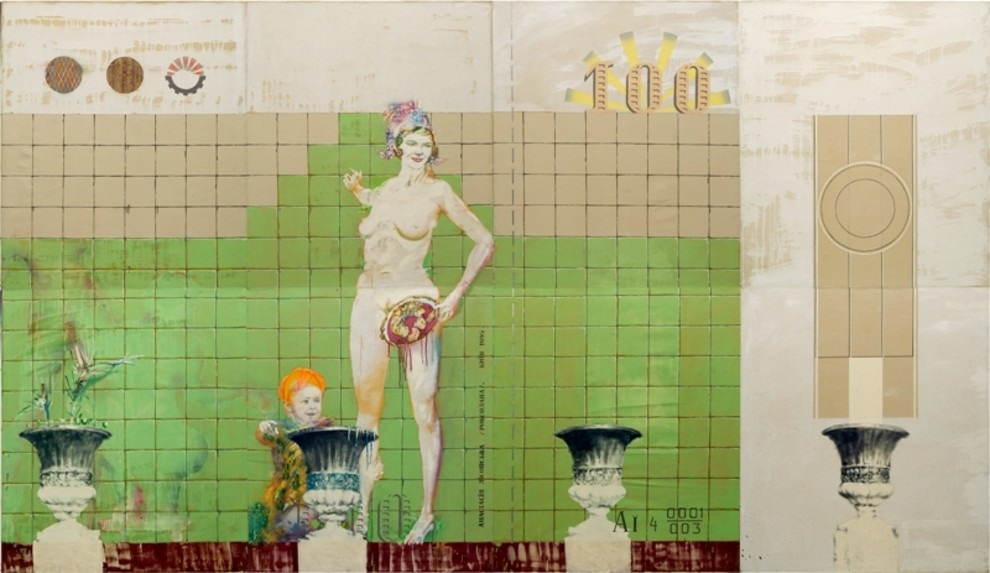
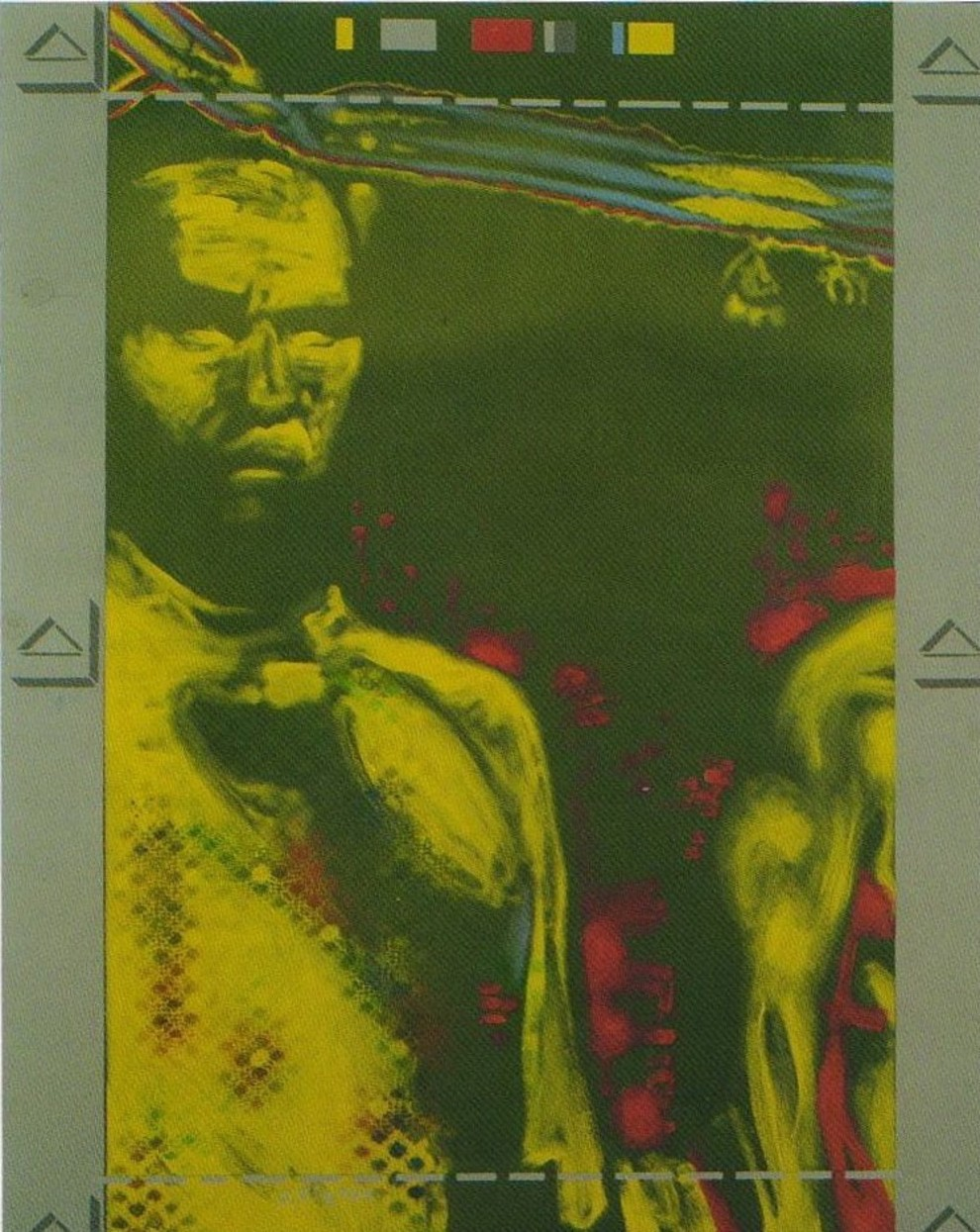
Oleh Tistol. “Roksolana,” 1995. Canvas, oil.
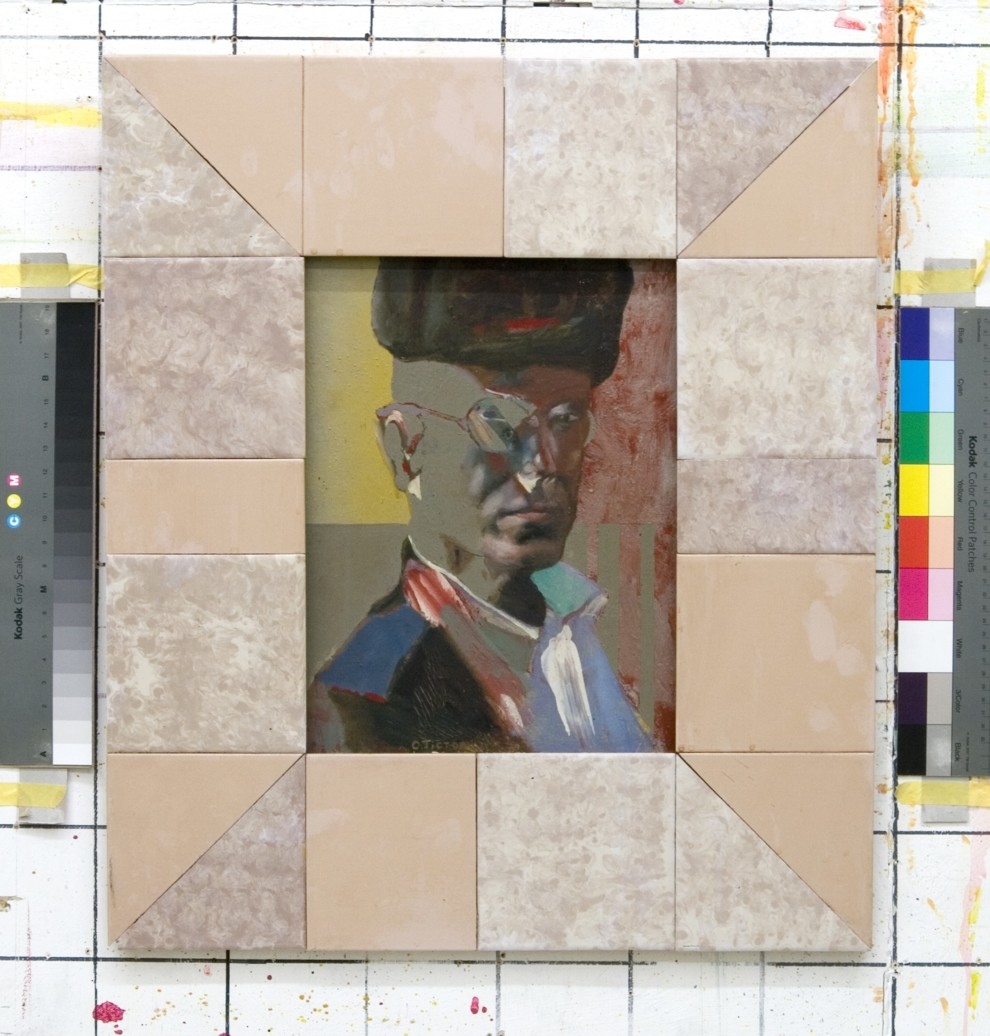
In Oleh Tistol’s studio, works are everywhere — large and small canvases, “heads,” cardboard shields — artifacts of Maidan. Newspaper and magazine clippings hang on the walls, and the wall in the first room is marked with a grid that serves as a background for photographs. Tistol became widely known for his works depicting mountains and palms, but this is only part of his creativity, which continues to develop to this day.
Oleh Tistol was born in Vradiivka (Mykolaiv region), lived in Mykolaiv, studied in Kyiv and Lviv, lived and worked in a squat on Lenina Street (now Bohdan Khmelnytsky Street) in Kyiv, as well as in Furmannyi and Triokhprudnyi lanes in Moscow. At different times, he collaborated with artists Kostyantyn Reunov, Mykola Matsenko, Anatoliy Stepanenko, and Oleksandr Kharchenko. Currently, Tistol collaborates with young artists: for example, this year, together with Roman Minin, they created the project “Paradise Museum” for the UA Gallery.
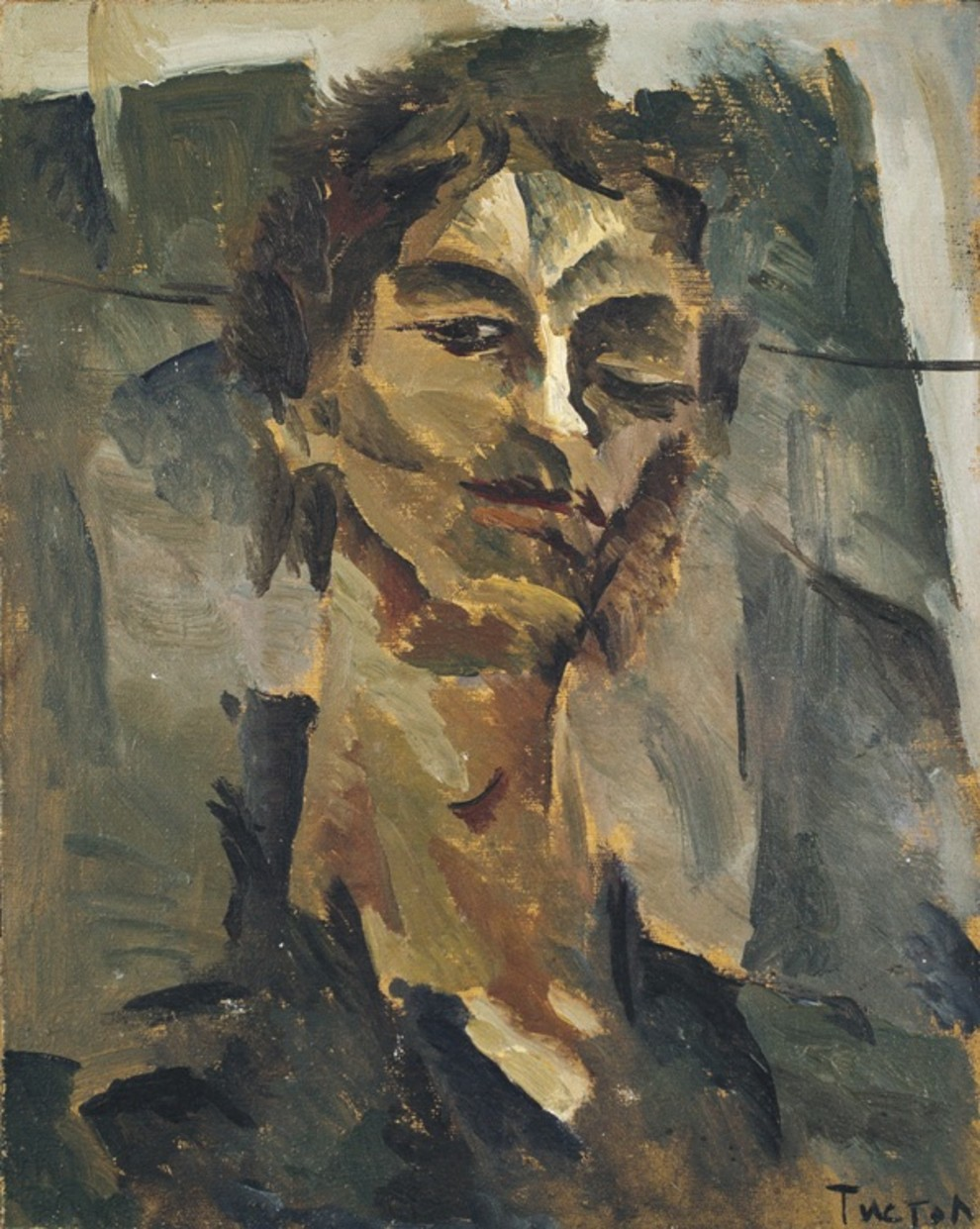
Tistol is one of the few contemporary Ukrainian artists who began painting back in the late 1970s. His student and youth works are mostly portraits and self-portraits. Dynamic, bright paintings do not resemble the socialist realism declared in the USSR. Tistol’s works were influenced by the creativity of Picasso and Cézanne, as well as acquaintance with the Sixtiers.
The circle of the young artist’s communication united artists and intellectuals of different generations. In Kyiv, while still a student at the Republican Art School, he communicated with Ukrainian director and sculptor Ivan Kavaleridze. In Mykolaiv, Tistol was friends with artist Andriy Antonyuk, who reflected on the history of Ukraine in his works.
“He is a true transavantgarde artist. He influenced me, perhaps not so much stylistically as mentally. And Roitburd says he was under his strong influence, which was also obvious to me. Traces of his influence can be seen in Pokydanets and Markitan,” recalls Tistol.
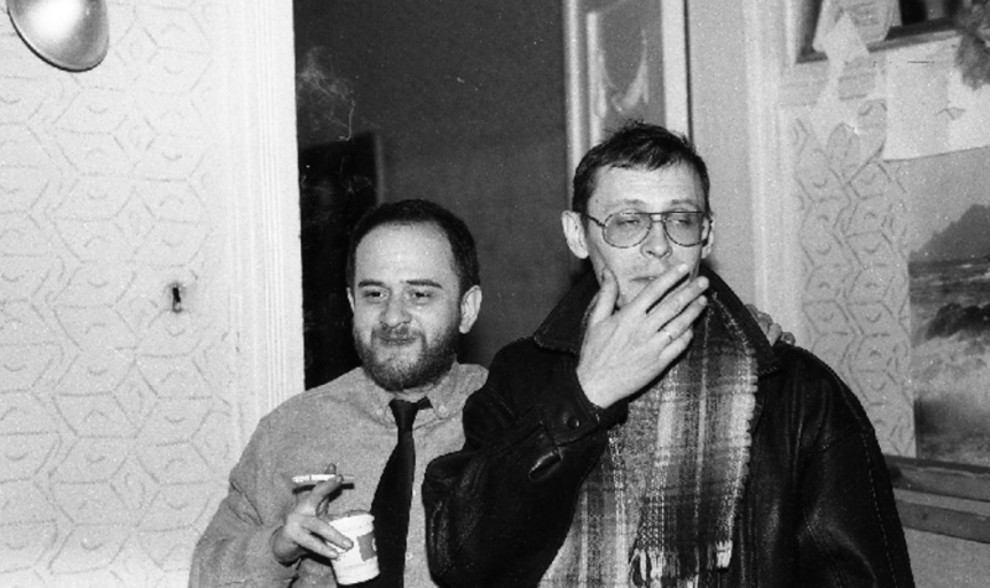
Tistol studied in Lviv precisely when new Ukrainian literature was developing there, and in the “neighboring cafes,” as he recalls, young writers sat who later became founders of the new Ukrainian literature. In Yuriy Andrukhovych’s novel “Perverziya” (1996), you can find many documentary plots of those years describing the bohemian life of Lviv.
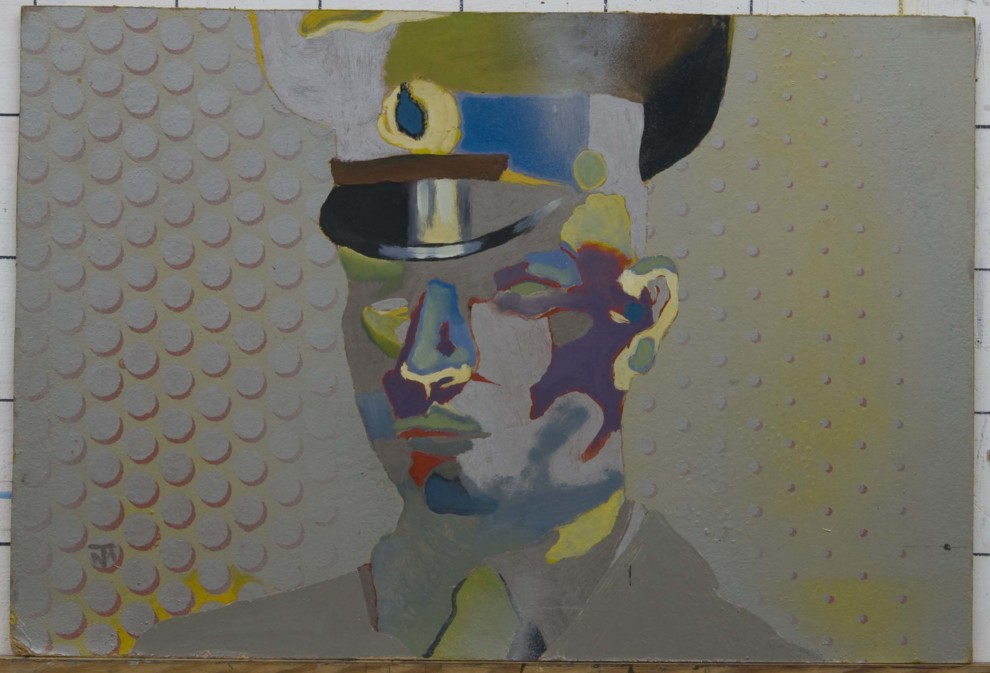
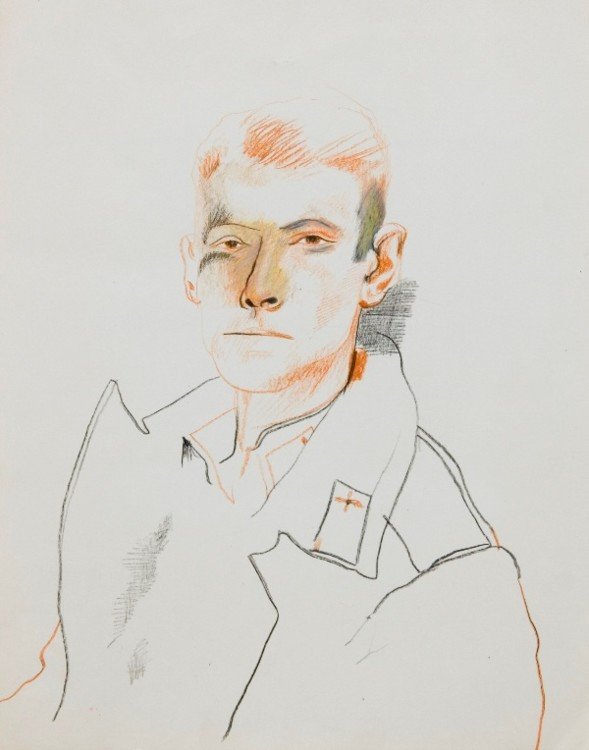
In 1984, Tistol went for compulsory military service. There he met artist Kostyantyn Reunov. He served in the military unit Makariv-1 in Zhytomyr region. Tistol and Reunov spent almost the entire service in the studio, mostly designing army stands. From time to time, they managed to create their own works on leftover plywood. Few works have survived from that period. The cycle was given the appropriate name — “Makarov-1.”
A certificate received in the army “for excellent achievements in combat and political training” and framed in a gold frame still hangs in the artist’s studio. The irony is that it speaks of patriotic duty to the USSR, while by the late 1980s, Tistol was in opposition to the Soviet authorities.
The heroes of Tistol’s canvases were Ukrainian political figures — Ivan Mazepa, Bohdan-Zynoviy Khmelnytsky, Mykola Shchors. By the way, while living in the squat on Lenina Street, in 1989 Tistol created the painting “There,” depicting the Kyiv monument to Shchors located on Taras Shevchenko Boulevard. The painting was exhibited in Moscow at a joint exhibition with Reunov called “Act of Artistic Resistance” (1991). Ironically, the work was considered lost for a long time, but was recently found at a European auction. On the canvas, the same Kyiv Shchors with his raised hand meets the British queen.
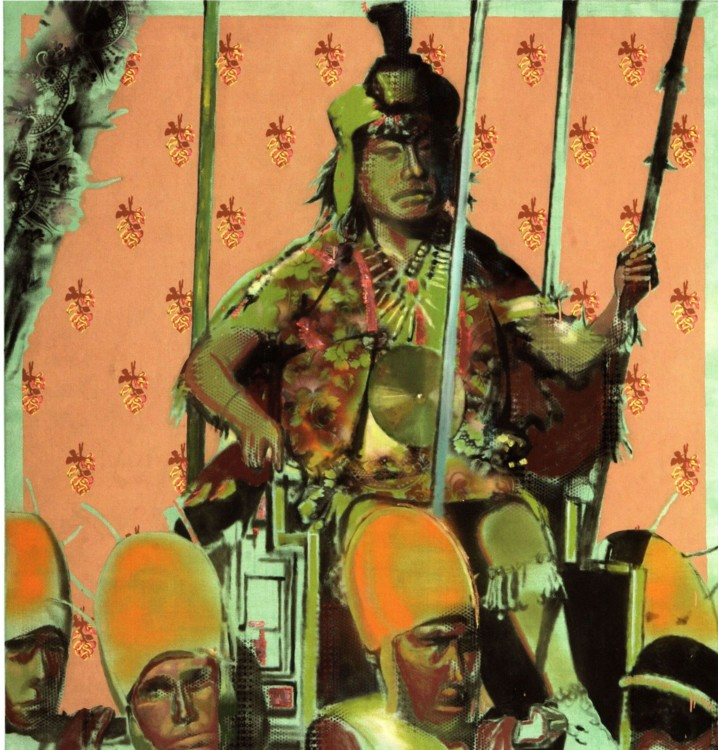
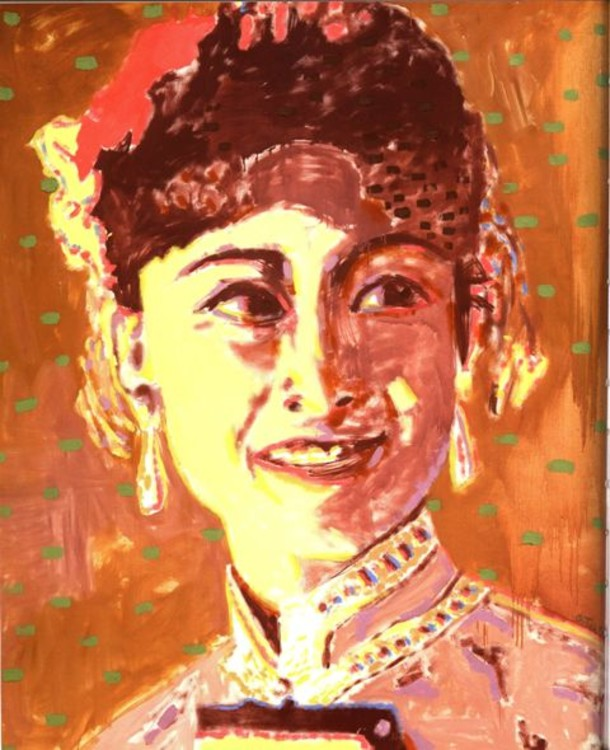
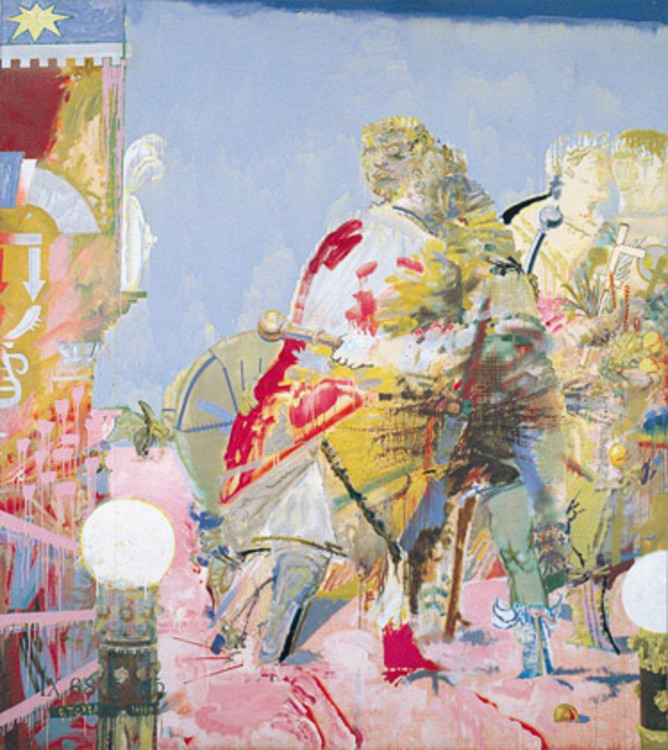
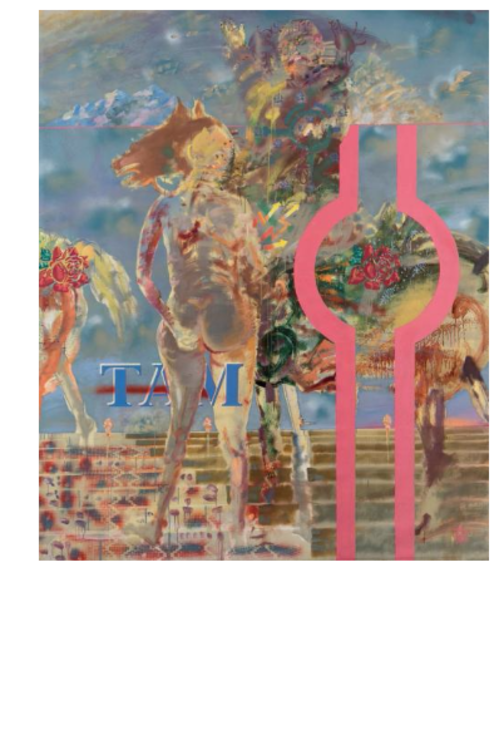
One of the features of Tistol’s works is his painterly manner. For example, in the painting “Reunification,” he seems to duplicate the plot: the central characters are depicted more clearly and brightly, while others appear light and dull. The light figures whisper behind the backs of the main characters, creating an impression of cunning and betrayal. In fact, historical betrayal is one of the main themes not only of Tistol’s individual creativity but also of “Natzprom” — the creative tandem of Tistol and Mykola Matsenko.
“Almost all turning points in Ukrainian history are connected with the act of reunification: […] We, born and formed as a nation with the active help of Genghis Khan and growing up among Sobieskis and Ottomans, Pilsudskis and Atatürks, managed to grasp the great ‘science of losing’,” the program states.
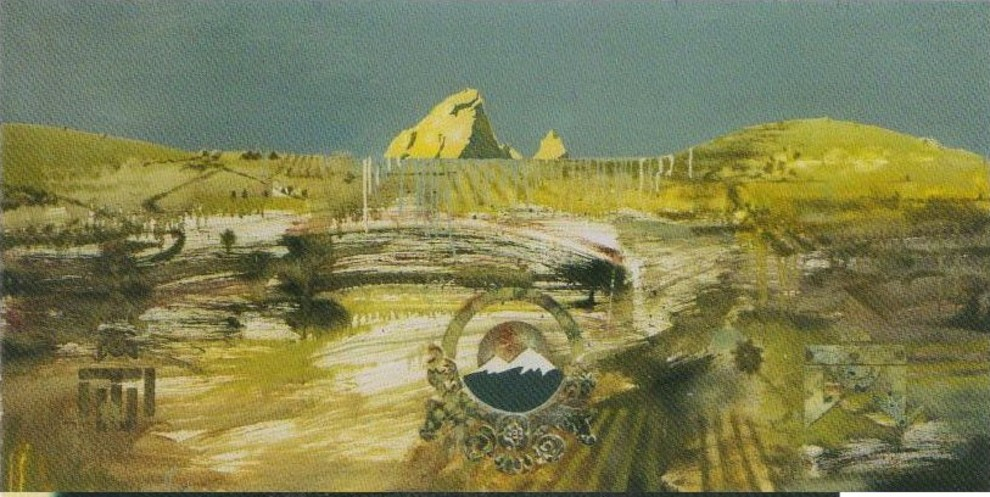
The painting “Reunification” was created in 1988, and more than a quarter of a century later, in 2016, Tistol repeated this plot by weaving a huge tapestry based on his painting. The work was recently exhibited as part of the “Paradise Museum” project. Symbolically, the tapestry embodied the idea of reunification: multicolored threads woven into a certain pattern materialize the idea of unity. The tapestry, intended to decorate a home, continues the Ukrainian and Soviet tradition of hanging carpets on walls. Domestic feasts and family photographs take place against their backdrop.
In the mid-1980s, Tistol also began working on the project “Ukrainian Money” for the first time. Its idea arose at the end of the Soviet era when, according to communist mythology, money was considered a temporary category that was supposed to disappear in a communist society.
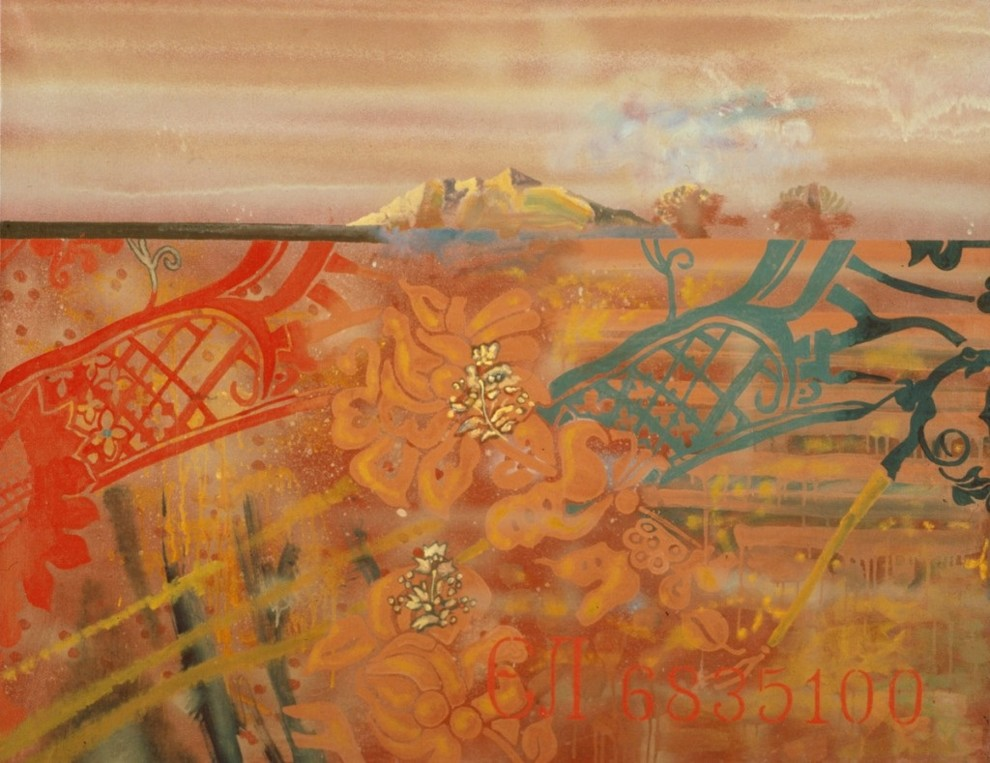
Using various media and materials — graphics, painting, printing on iron — the artist develops an ideal model of Ukrainian money that reflects national culture and stereotypes. This idea is more precisely formulated in the “Natzprom” program:
“The ultimate goal of any artistic process is to create the main stereotypes that ultimately become symbols of beauty (the struggle for the beauty of the stereotype). One of the main stereotypes of every national culture is the design of banknotes, i.e., monetary signs. Regardless of artistic value and technical quality, money is the most widespread work of art…”
For Tistol himself, the ideal example of Ukrainian currency design was the karbovanets created in 1918 by artists H. Narbut, M. Boychuk, and A. Bohomazov.
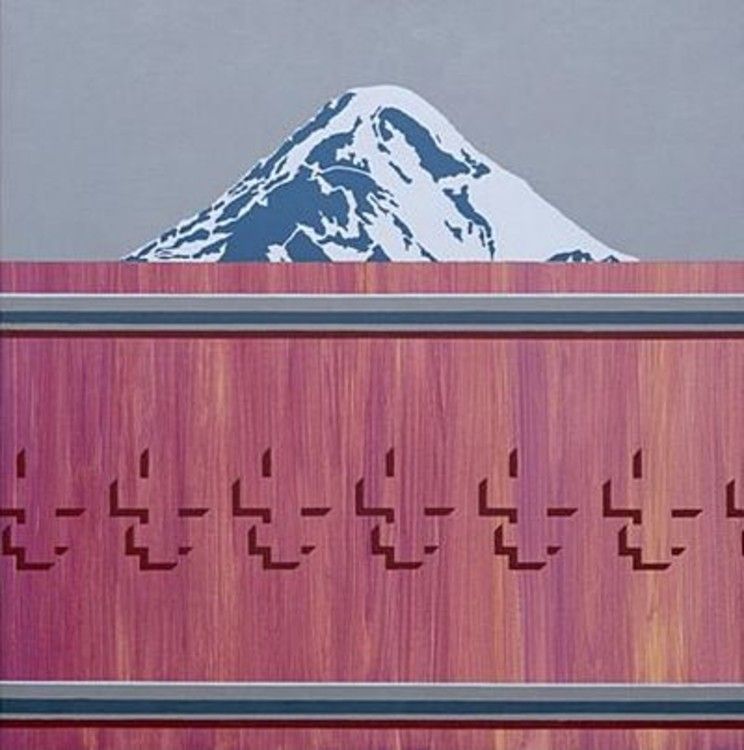
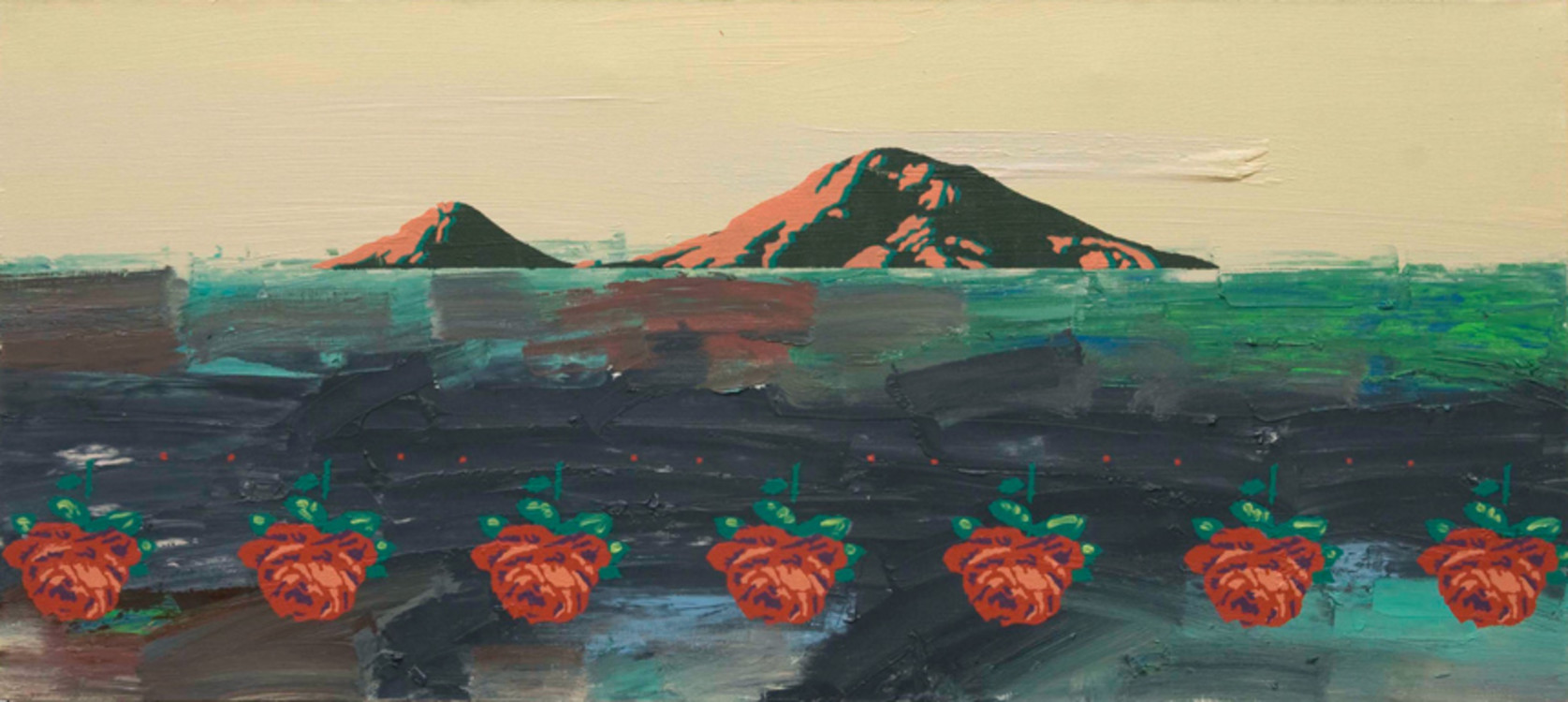
The mountains mentioned above also appeared in the artist’s work at the end of the 1980s. The first “peak” was Kazbek, which Tistol depicted from a pack of popular Soviet cigarettes. Later, Ararat and the Caucasus appeared on his canvases, and in the 21st century, the mountains took the form of spoil tips — artificial heaps of coal mining waste common in Donbas.
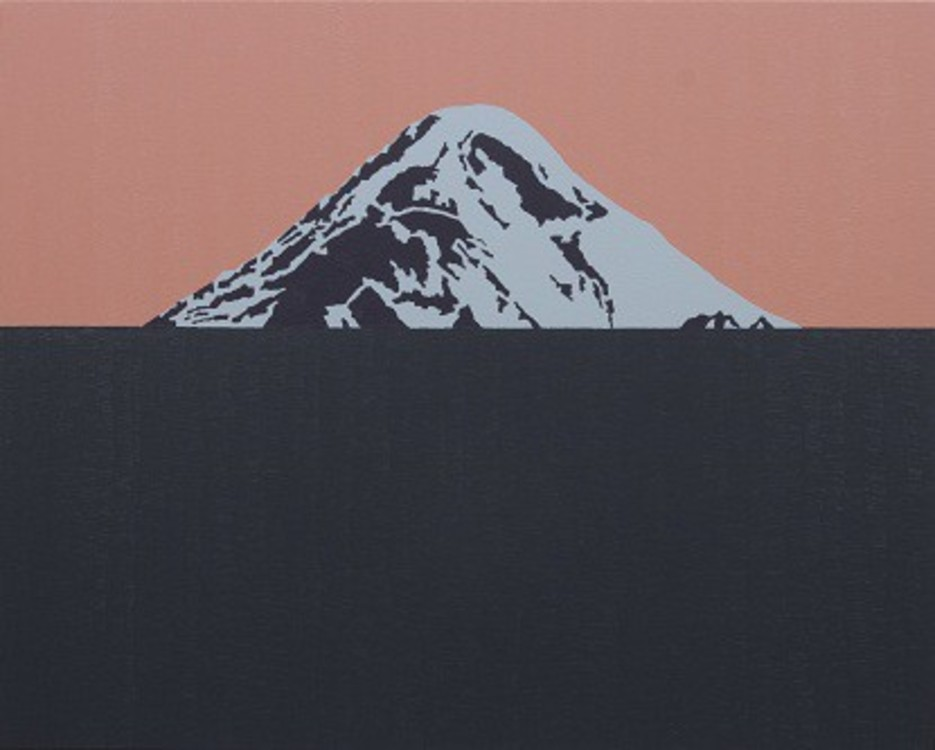
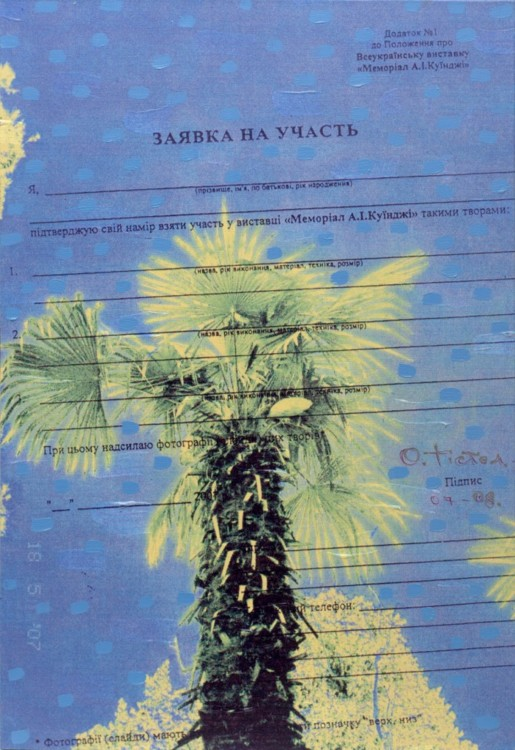
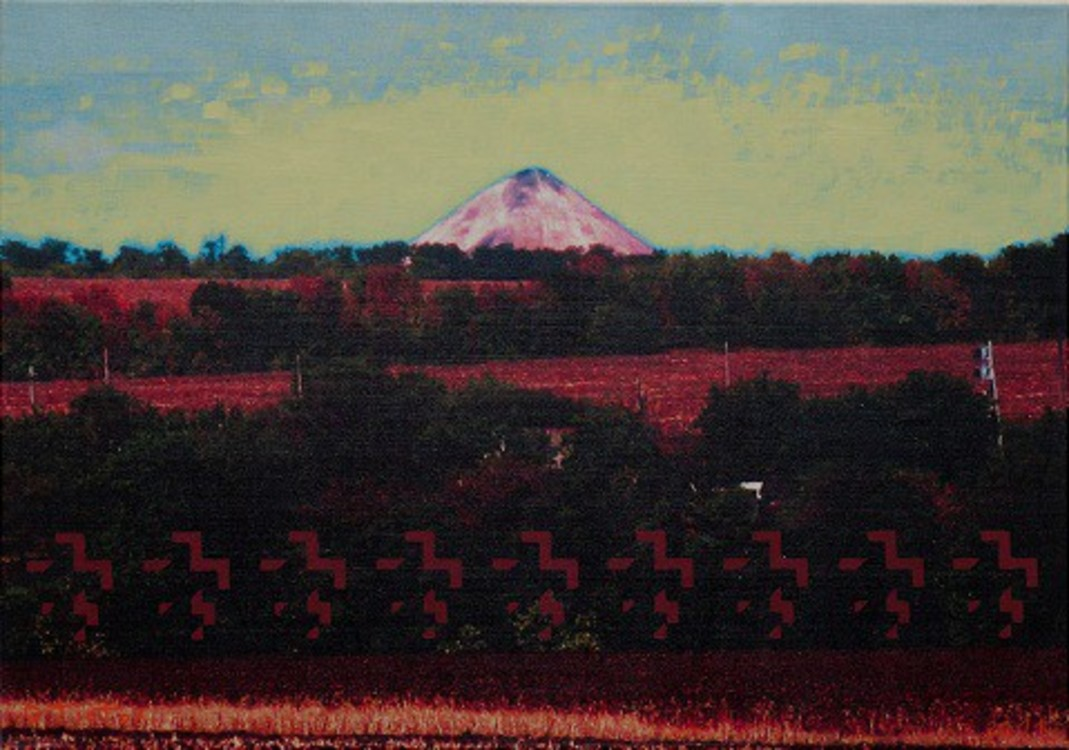
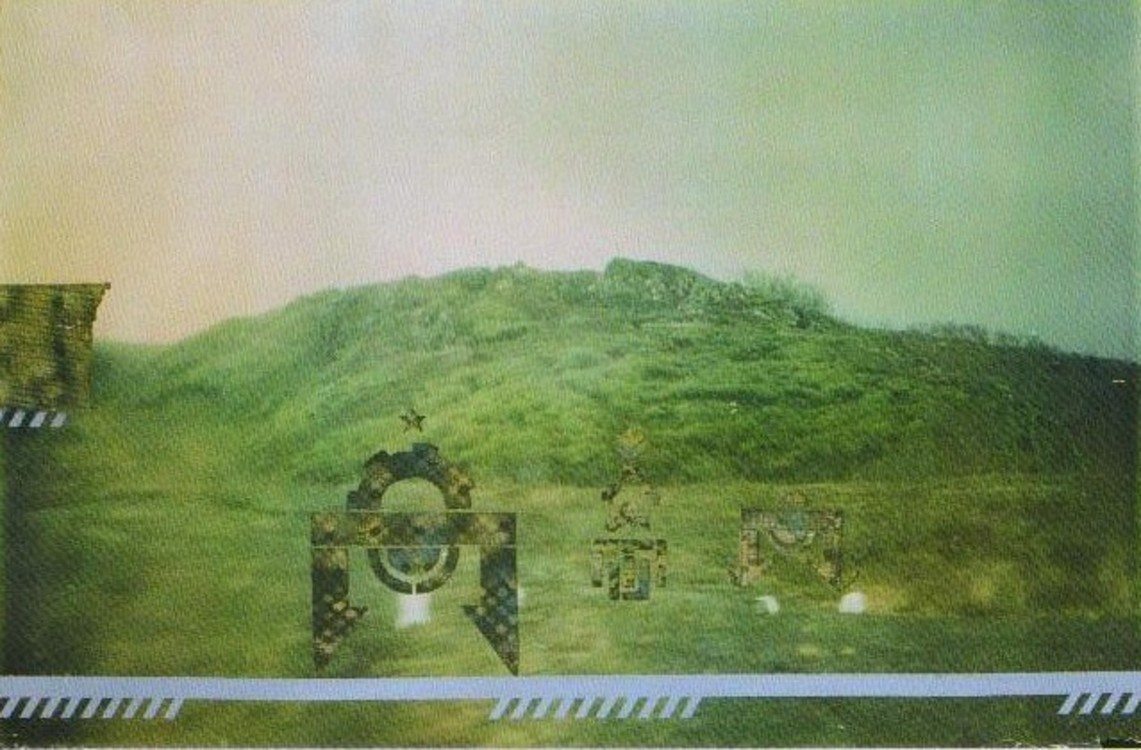
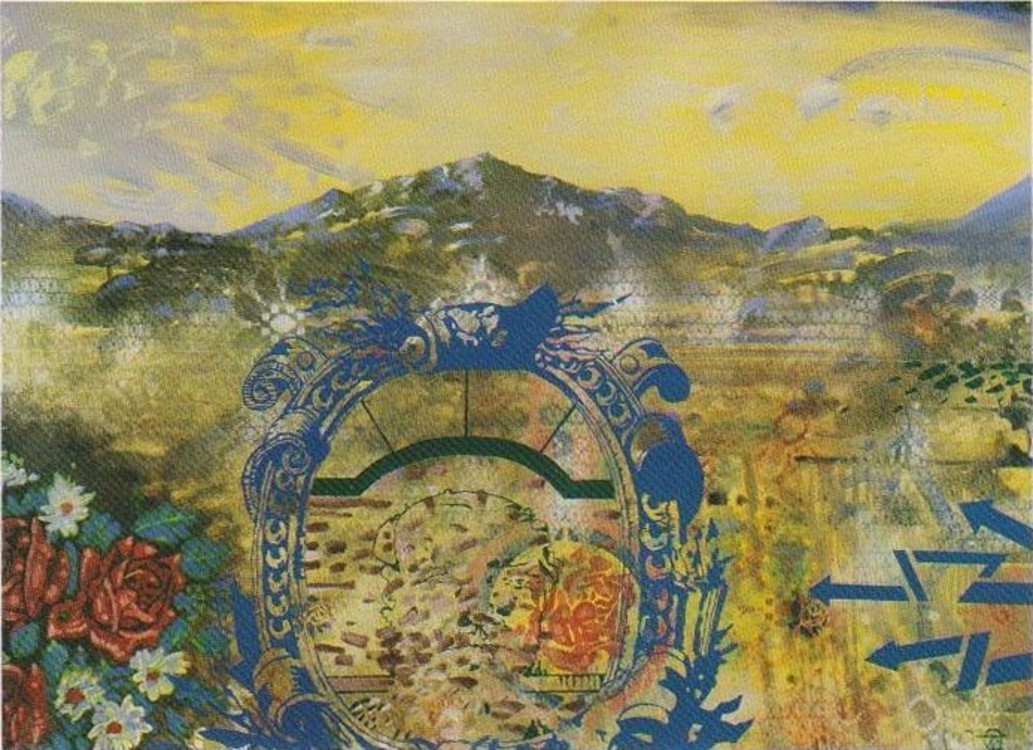
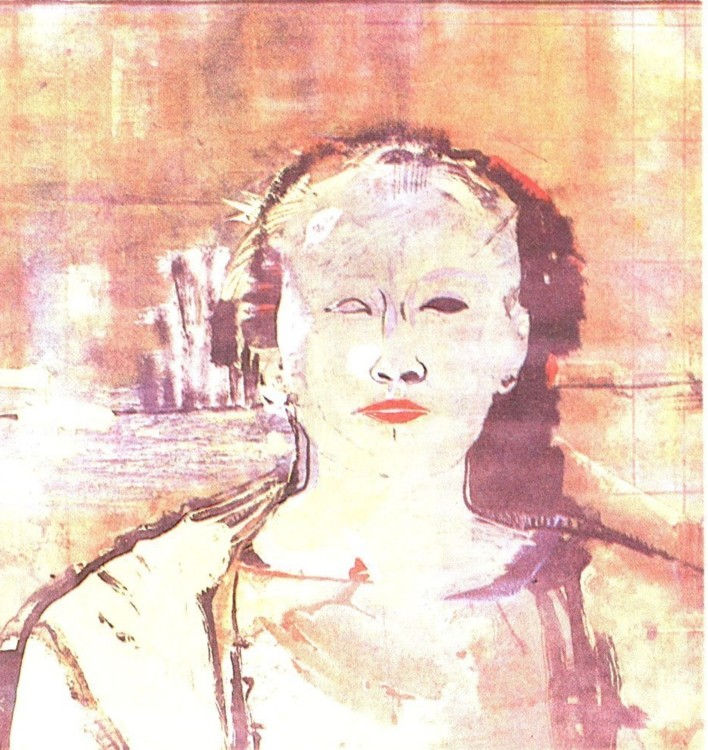
The theme of the “national” appears in Tistol’s painting cycles “National Geography,” “Strangers,” and “PRC,” in which the artist depicts representatives of small peoples and national communities. He found the images in magazines and books and later transferred them to canvas. His heroes are representatives of small cultures on the verge of extinction. In each portrait, one can see a metaphor for Ukraine, Ukrainian culture, and history.
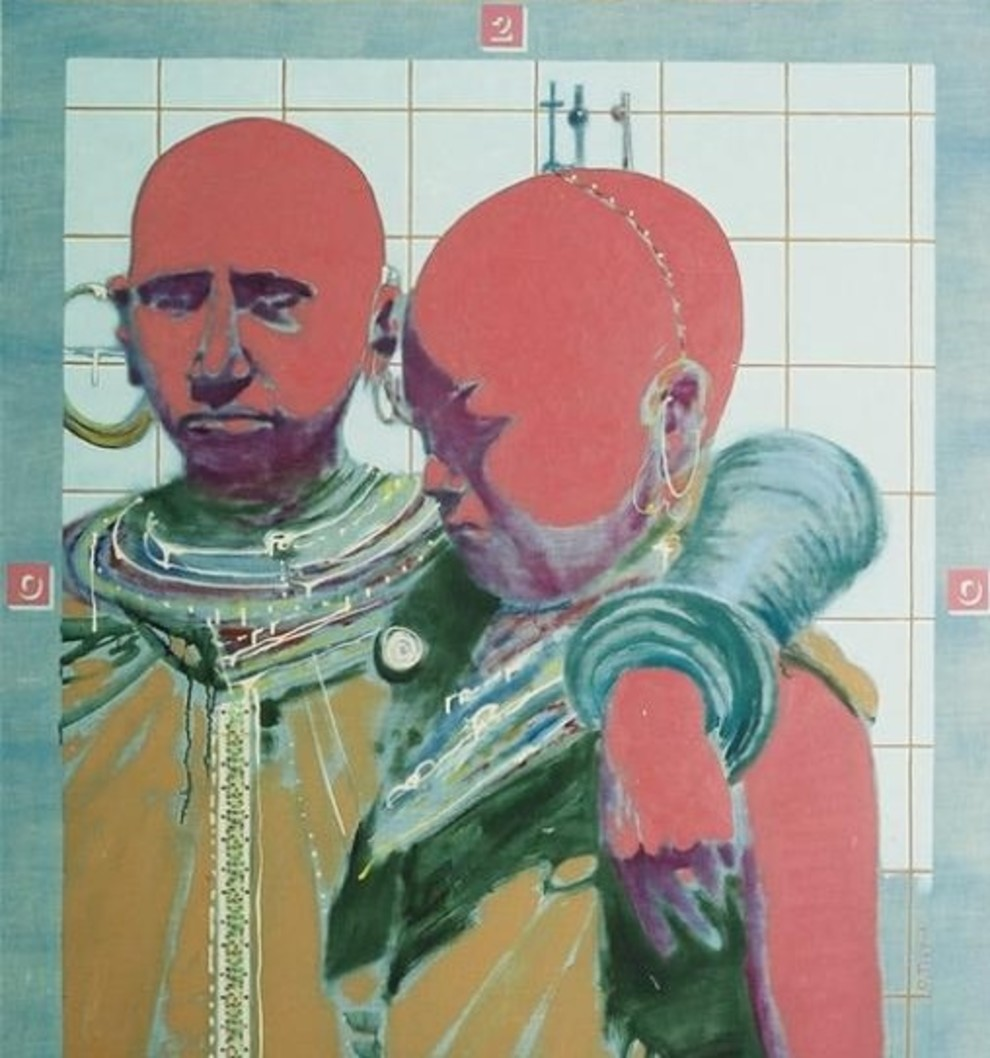
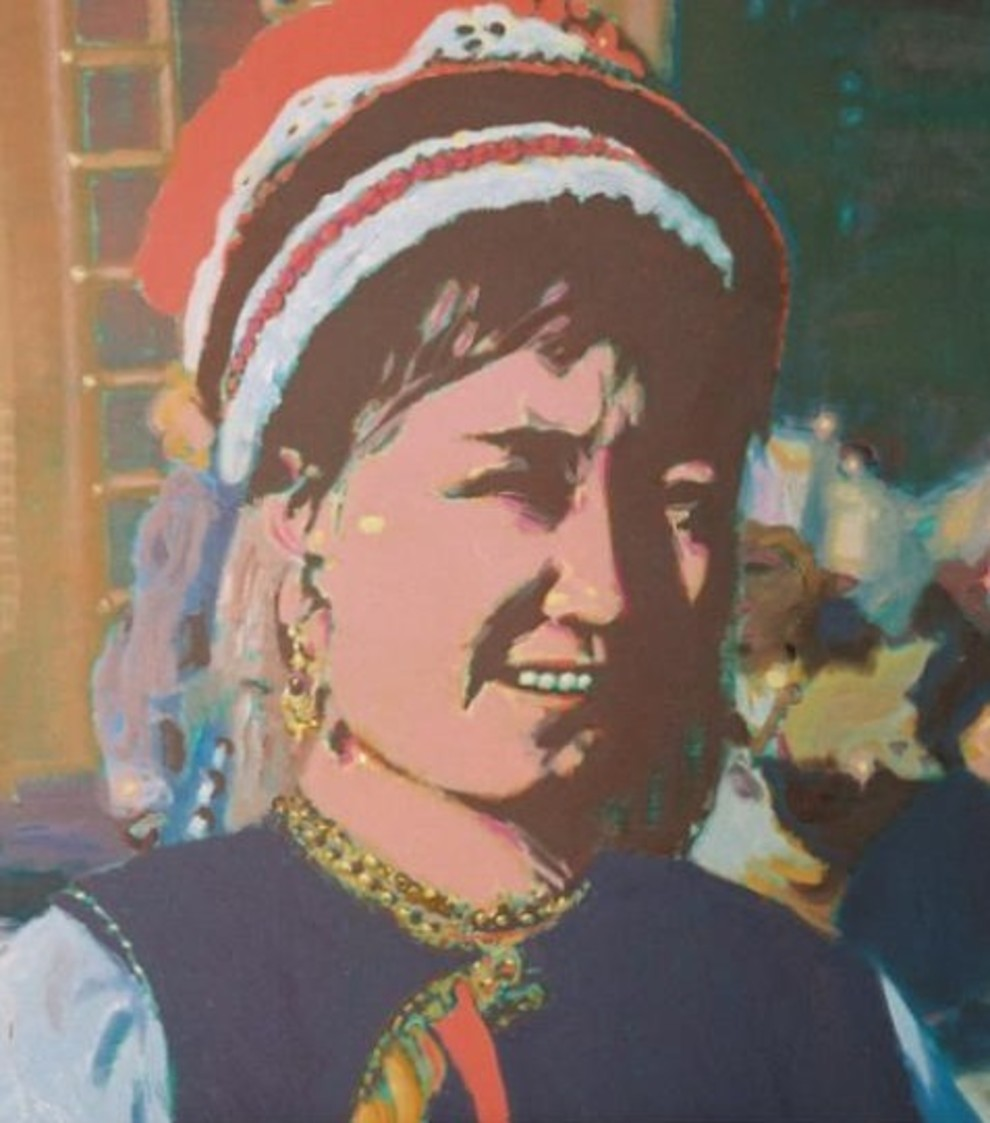
In the late 1980s, critic Kostyantyn Akynsha wrote that Tistol creates “nat-art,” defining an important feature of his “local” creativity:
“Reunov and Tistol use not so much stamps of national culture as a peculiar subculture characteristic of eastern Ukraine, which can be defined as the culture of surzhyk. This word refers to a mixture of Ukrainian and Russian languages spoken by the Kyiv population, mostly without realizing it. But surzhyk is not only a language. It is also falsified history filled with clichés, and a lush bloom of national kitsch. It is both a chestnut candle and a girl in a wreath, and thousands of meters of canvas… This material is boundless, creatively not yet comprehended. And its comic beauty is a guarantee of the sincerity of Reunov’s and Tistol’s intentions.”
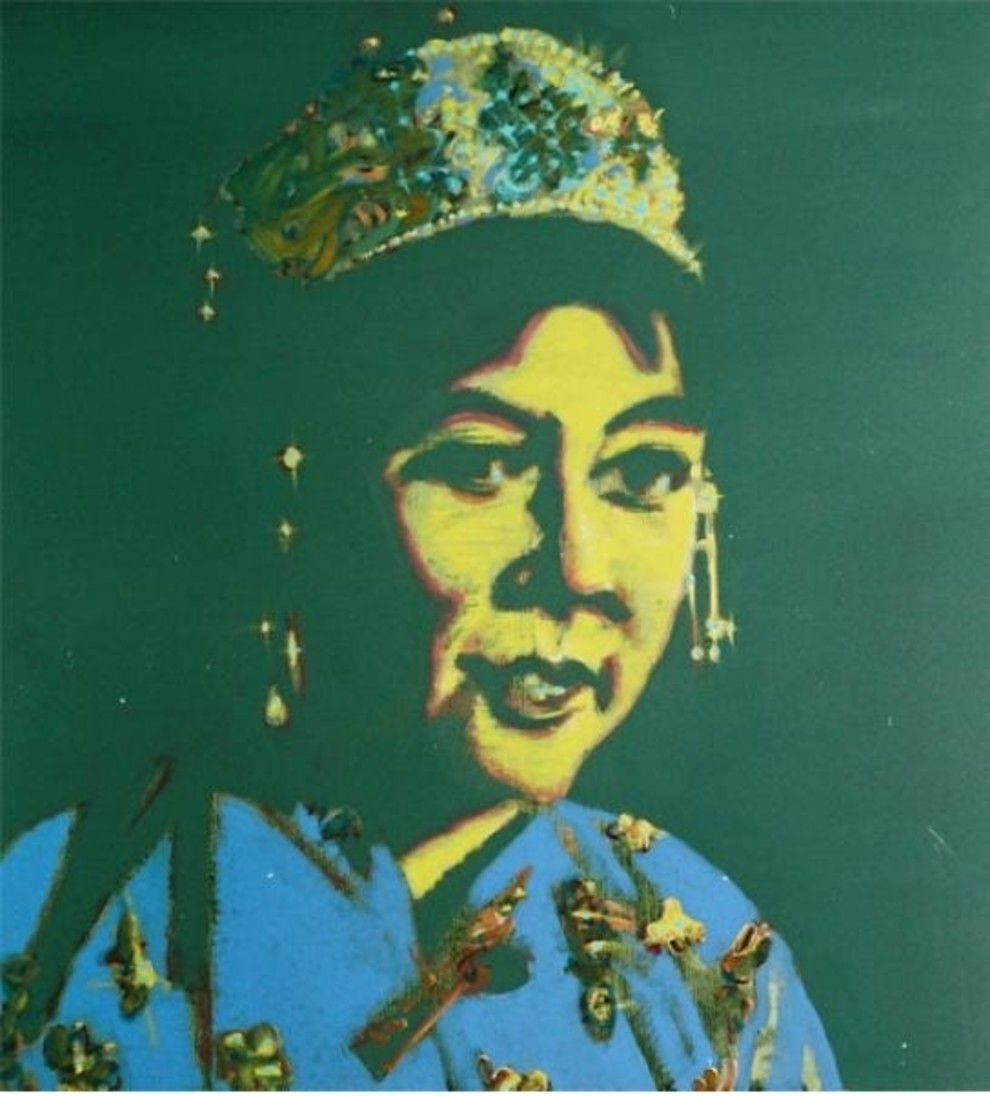
Whatever Tistol paints, depicts, or reproduces in his projects, it is all connected with his work on himself, his own history, and his personal attitude toward culture and politics. Tistol’s works are kept in museum and private collections in the USA, Switzerland, the Netherlands, and are also successfully sold at Sotheby’s, Christie’s, Phillips, and Bonhams auctions.