
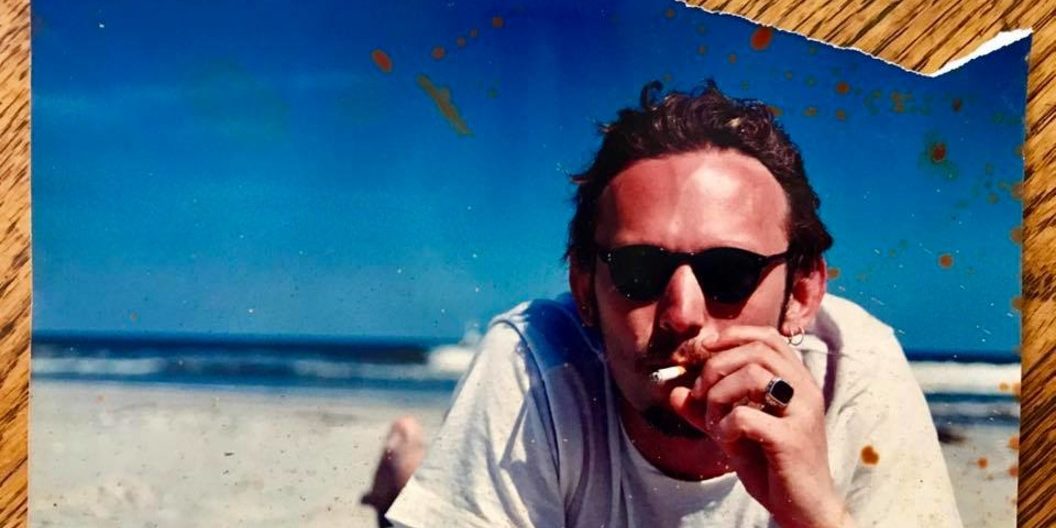
At PinchukArtCentre, a research platform was launched with the goal of creating a living archive of Ukrainian art from the early 1980s to the present day. The platform’s team visits artists’ studios, researches their biographies, past and present. The results of this work can already be seen in the PinchukArtCentre library. As part of the project, Vogue.ua and the art center publish articles about the most interesting Ukrainian artists. The project’s heroes have already included Oleksandr Hnylytskyi, Maksym Mamsikov, Illia Isupov, and Oleh Tistol. The next hero is Kyrylo Protsenko, the rock star of the art squat “Parkomuna.”
The image of Kyrylo Protsenko as a rock star of the art world did not arise out of nowhere. Looking through photos from parties at Parkomuna in the early 1990s, you can count a dozen variations of Protsenko’s hairstyles and admire his diverse “outfits,” which can be described as a combination of signature sunglasses with clothes purchased at the Sennyi Market. In the early 1990s, Kyiv did not have the variety of music venues it has now. There was no YouTube either. Instead, there were underground concerts, endless copying of cassettes, and their circulation among music lovers. As today, to become famous as an intellectual back then, you had to not only read the right books and be interested in countercultural art but also keep up with musical novelties. In the 1990s, all this could be found at Parkomuna.
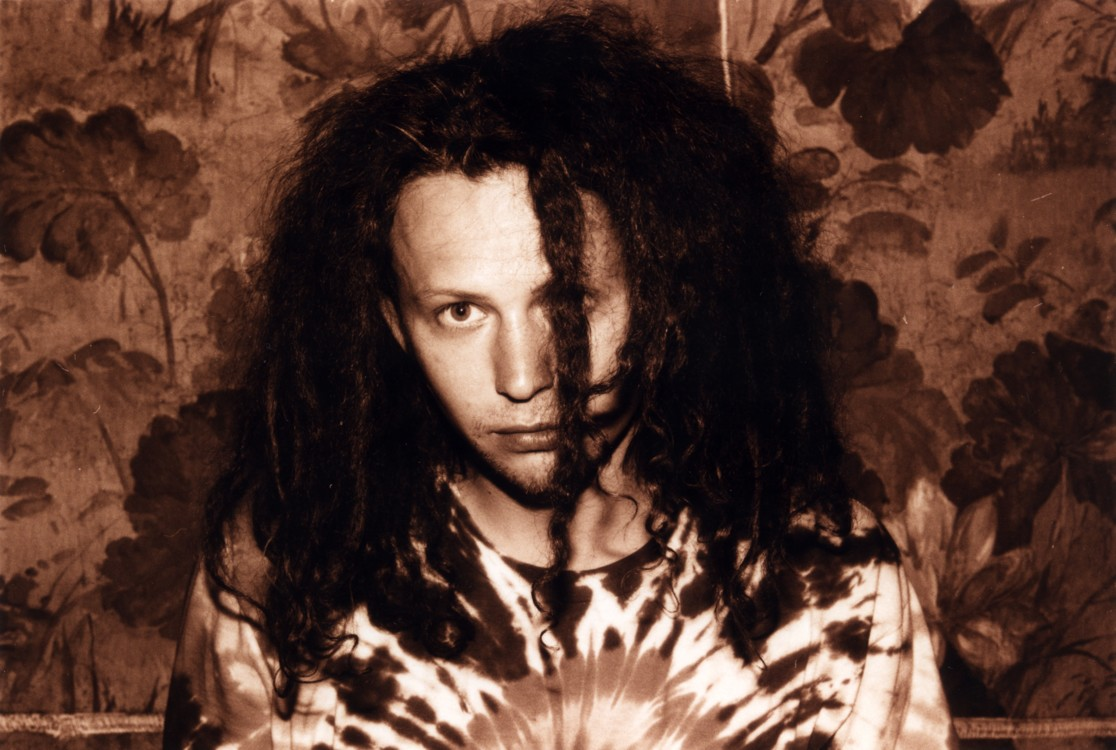
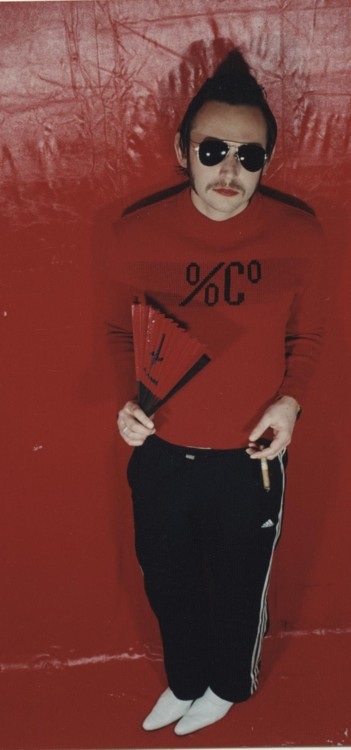
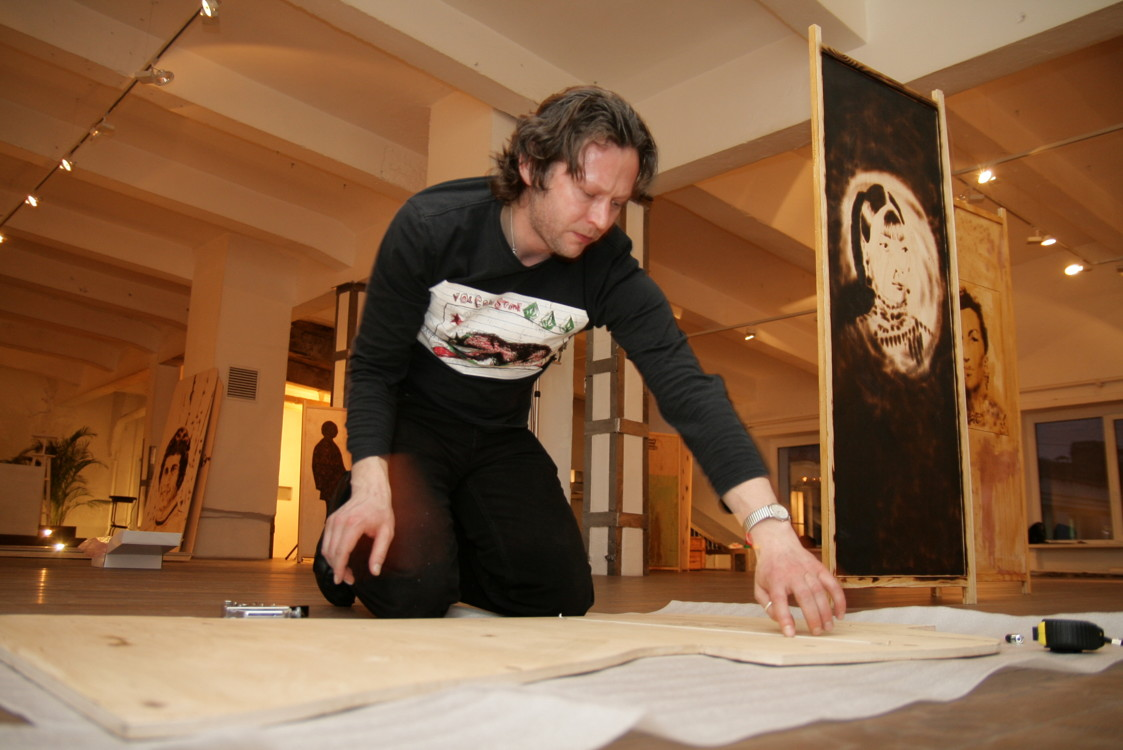
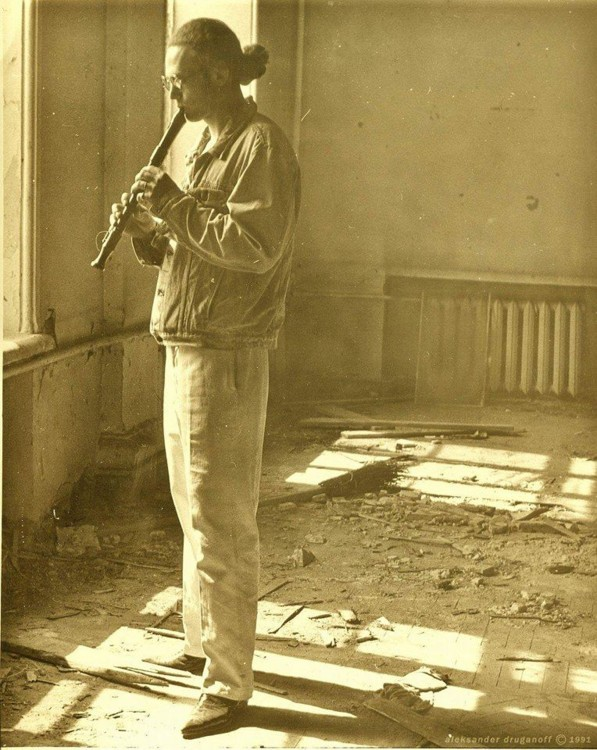
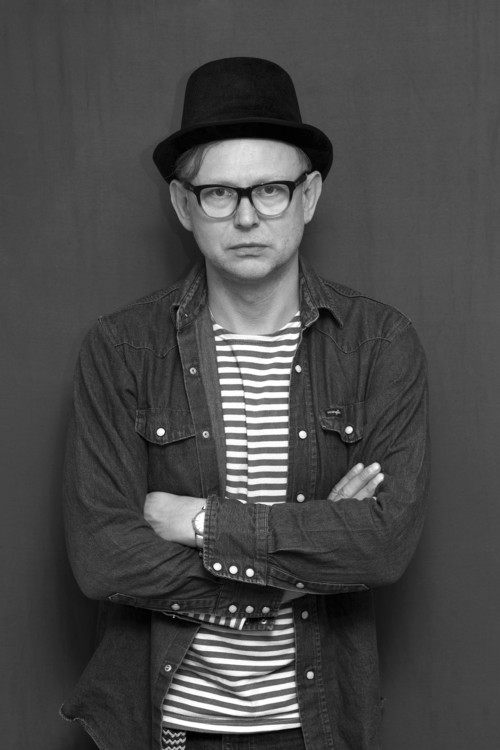
Kyrylo Protsenko, together with Illia Chichkan, was responsible for the rave direction at Parkomuna. He was the one who brought musicians to the squat. In one of the apartments on Irynska Street, they even set up a rehearsal base for several bands. Later, Protsenko became a co-founder of the music label “Thermos,” organized parties in Berlin, and together with Ivan Moskalenko (known as DJ Derbastler) created the art media project RADIO-EURASIA. During the 2003 Venice Biennale, he participated with friends from the band Gogol Bordello in a wild audiovisual performance at Venice airport.
It is worth noting that this airport is located on the island of Lido. It was built during Mussolini’s time for private planes, so usually almost nothing happens there. With their performance “Extra Schengen,” the artists and musicians managed to “shake up” this quietest place in Venice. Kyrylo himself recalls: “The number of torn Prada dresses while climbing over the fence to this party broke all records.”
In his own art, Protsenko is least like a rocker: he is thoughtful, consistent, and attentive to details. The image of a hooligan and fashionista is shattered by the technical perfection of his works. Protsenko received a classical art education: he studied at the Republican Art Secondary School (now the T. H. Shevchenko State Art Secondary School), and later at the Kyiv Academy of Arts, in the department of free graphics. Video, sound, photography, pyrography, painting — all these means are available to the artist, and the periods of fascination with them alternate.
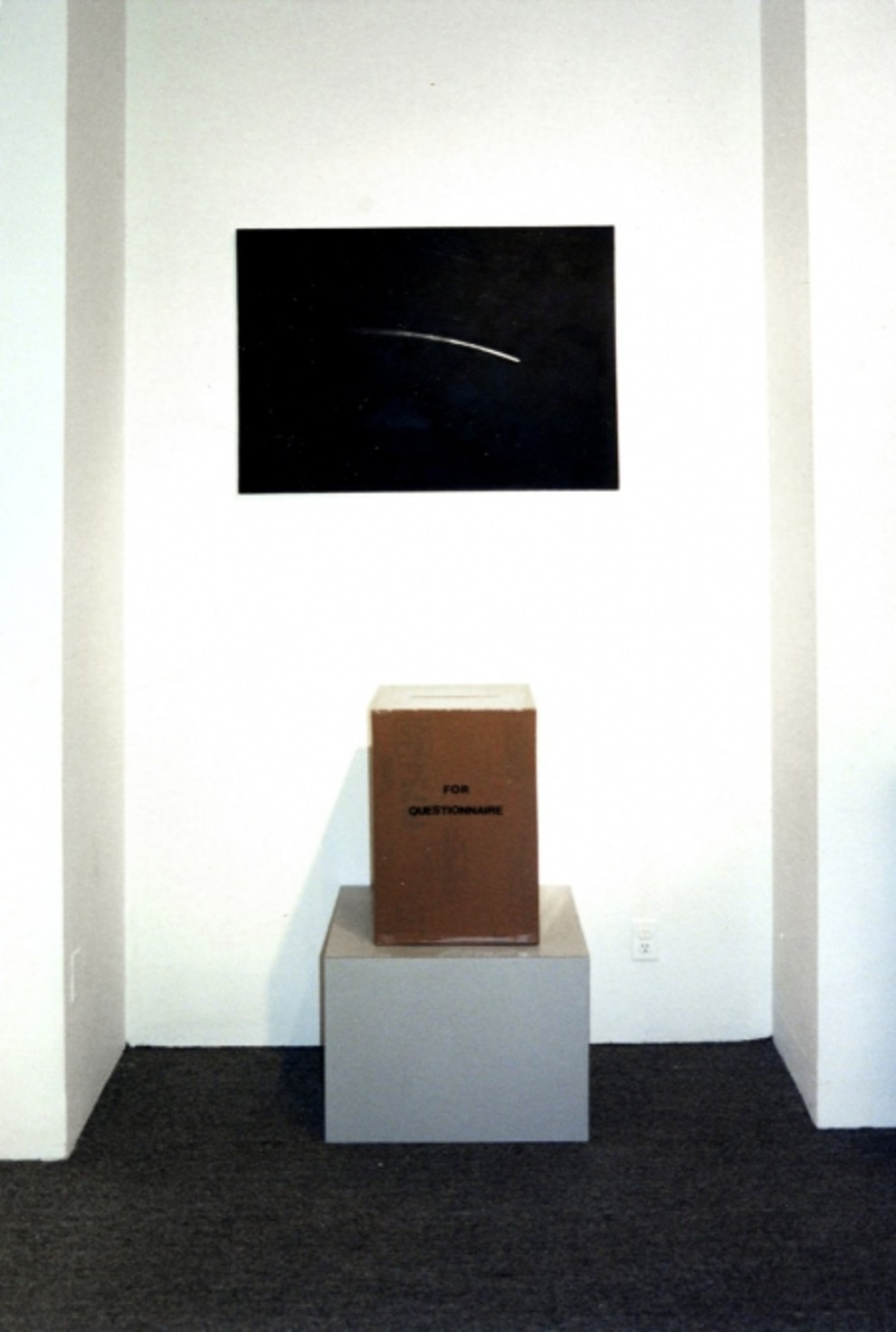
Kyrylo Protsenko participated in all exhibitions of the artistic circle “Parkomuna,” which was supervised by Oleksandr Solovyov. However, his first solo exhibition — “Falling Star” — took place in 1994 in an unusual format for that time: a sociological study at the Kyiv gallery “Blank-art.” Against the backdrop of the eponymous work, viewers were invited to write down one cherished wish. A year later, Protsenko had the opportunity to expand the project’s audience by presenting the exhibition in New York. Is it even necessary to explain how different the responses of the study participants were in these two cities?
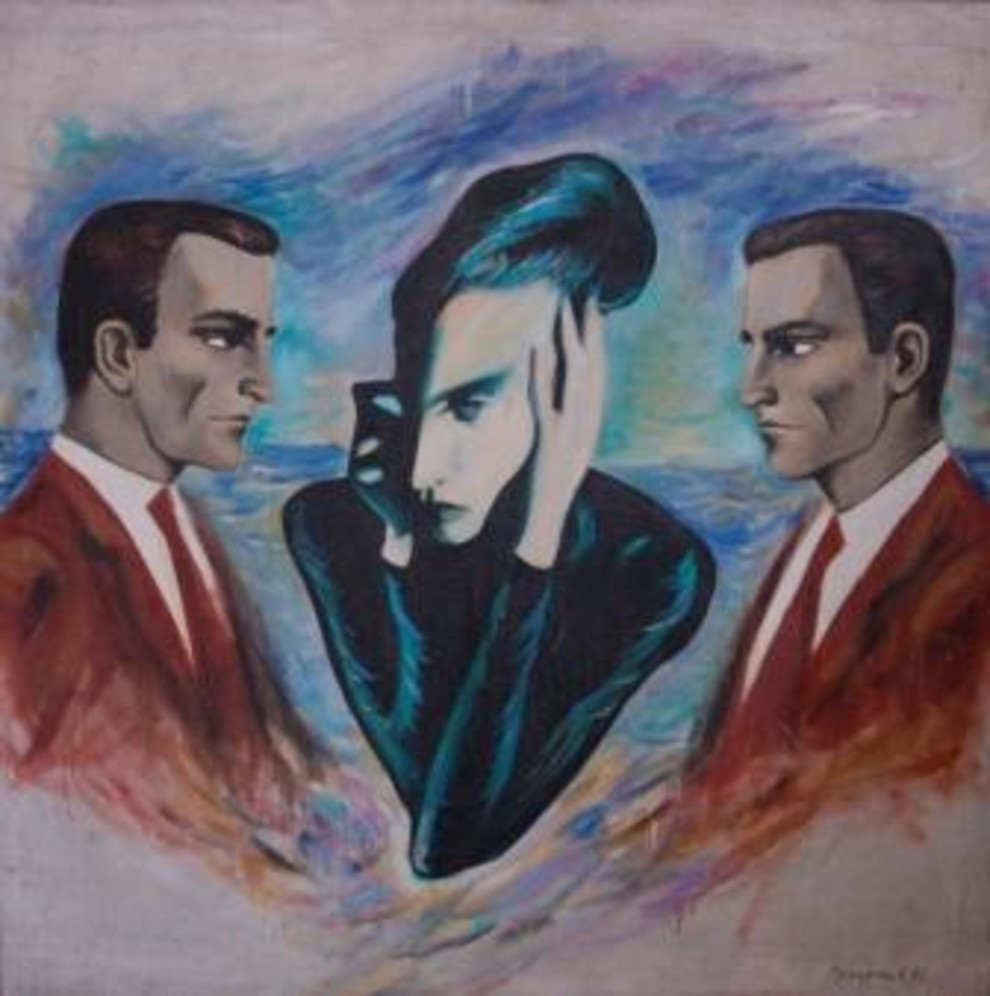
Art critic Oleh Sydor-Hibelinda described Kyrylo Protsenko as follows: “His best friend is James Bond (in the 1991 painting “Big Problem,” he is even depicted twice), his favorite hero is Old Khottabych (obviously, where East and West met).”
Indeed, one of the main themes in Protsenko’s art is symbols of mass culture, images understandable to a wide audience and recognizable within seconds. Mostly, these symbols are close to the post-Soviet space, but there are also universal ones — such as the mentioned James Bond. The instant joy of recognition is replaced by anxiety as soon as the viewer notices that something is wrong with their childhood hero or youth idol. Protsenko makes us reflect on our own stereotypes and childhood fears.
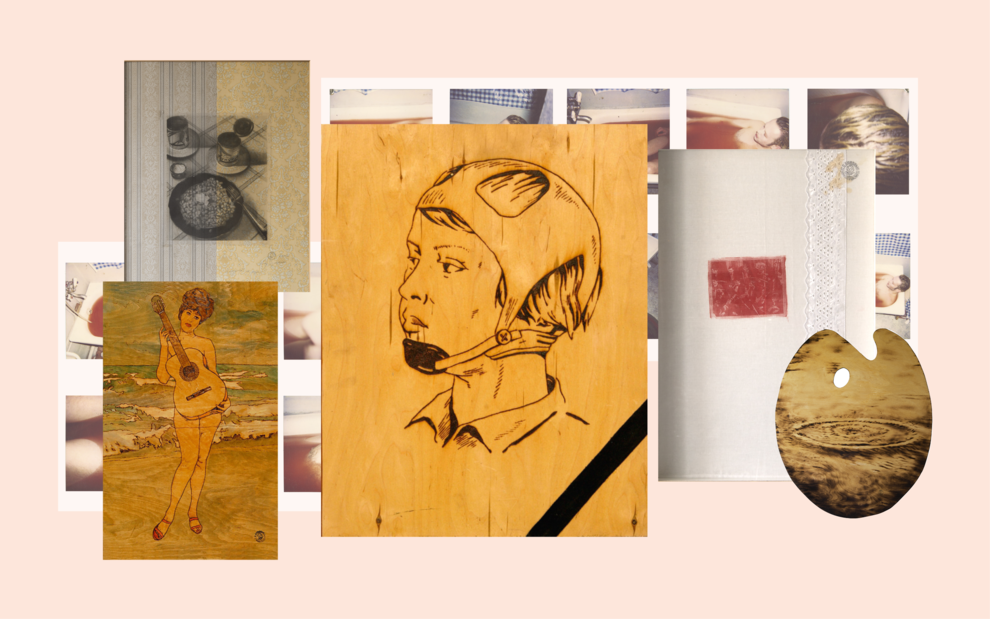
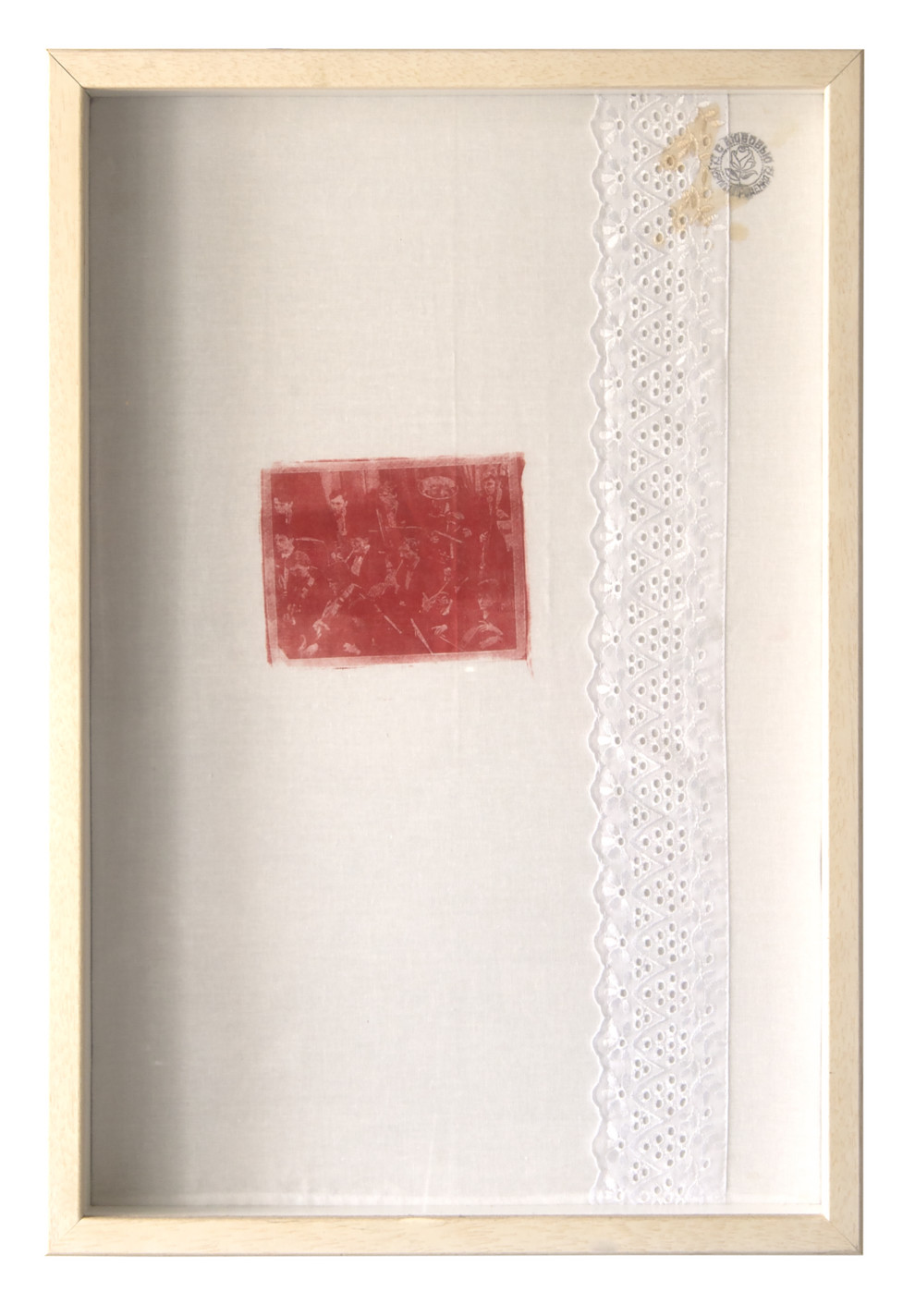
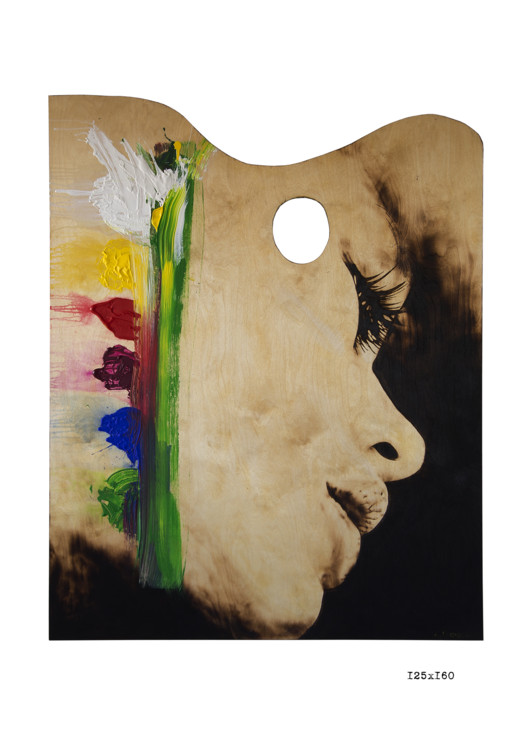
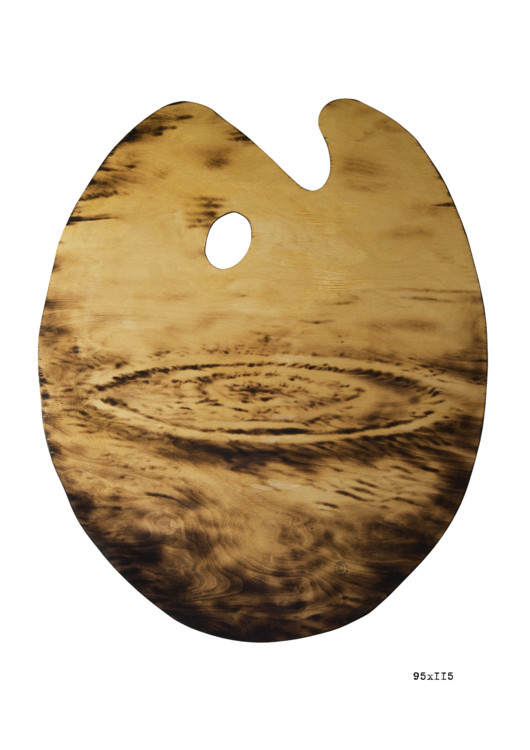
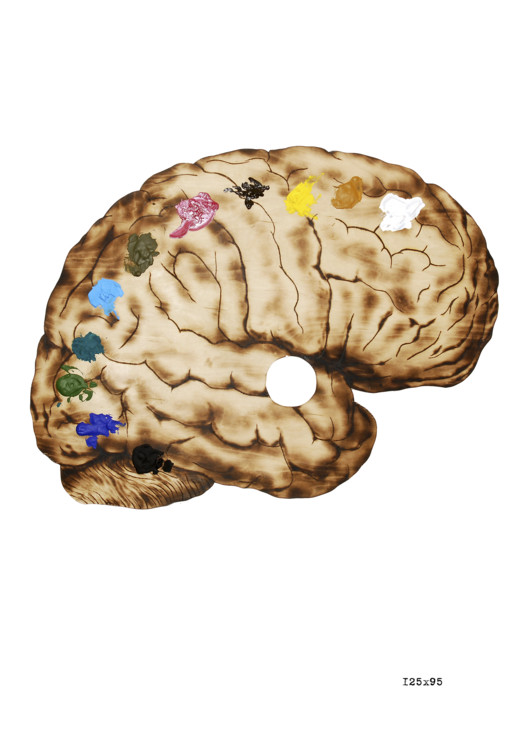
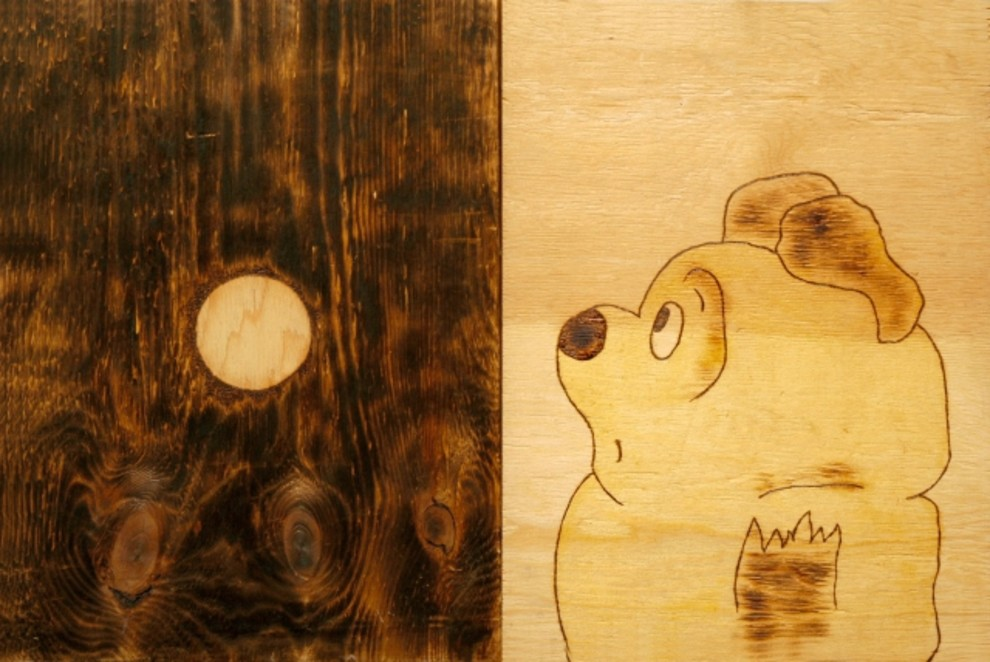
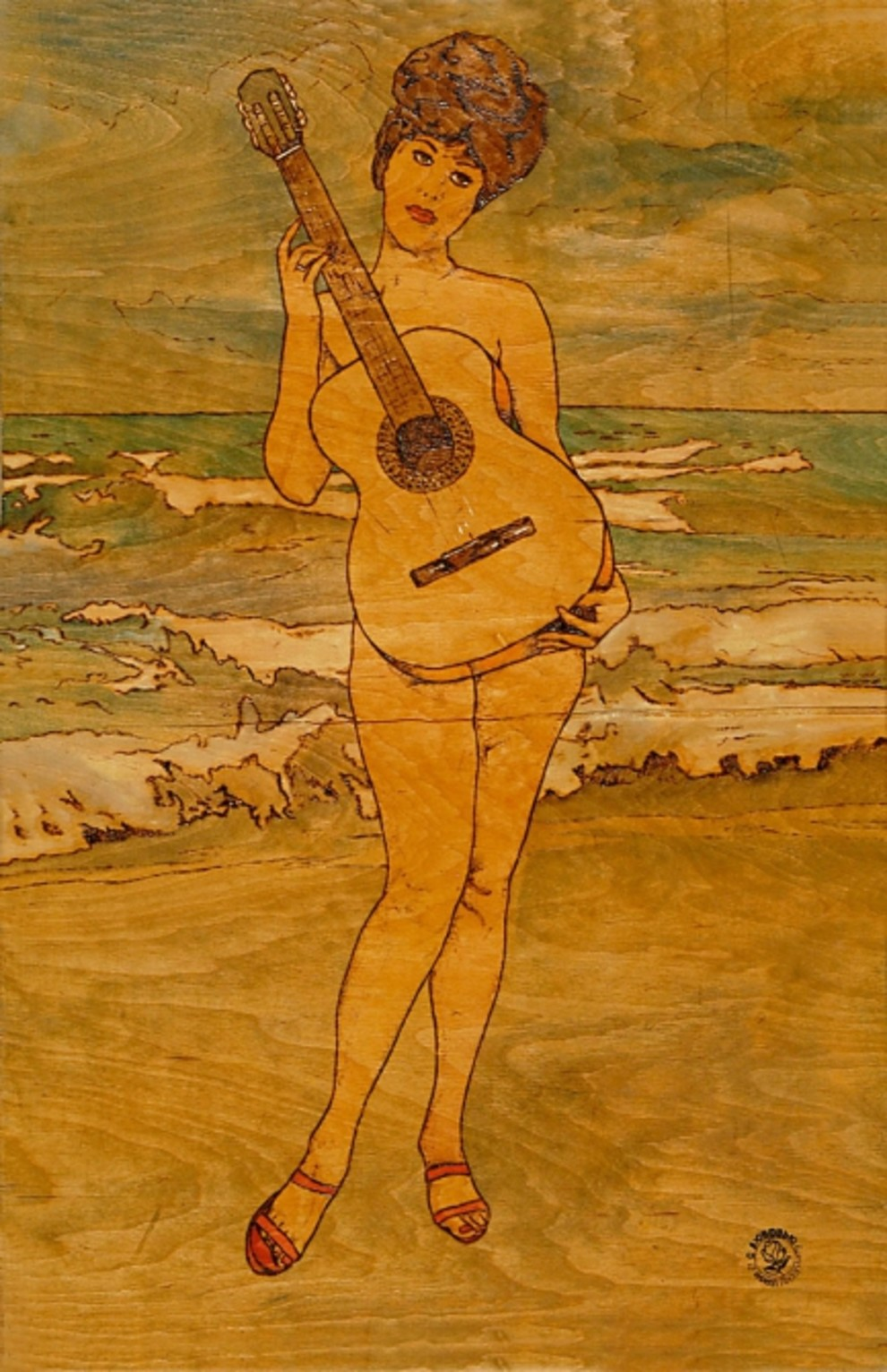
Most of Protsenko’s works are created using the pyrography technique. As early as 1995, the artist elevated this method from a pioneer hobby to high art. As Kostyantyn Doroshenko aptly noted in his recent text about the artist, “in the 1990s, Protsenko boldly levels the guild snobbery, creating with the pyrography tool large-scale images of powerful, refined, seductive bodies.”
In this series, Protsenko turned to a whole system of important visual codes: “GDR transfer stickers” depicting pretty girls (“Baby,” 1995, plywood, pyrography), pilot heroes, frames from the first foreign films available to Ukrainian viewers in the 1990s, pages from an anatomy textbook, cartoon characters, and bodybuilders.
After the first series “Pyrographer,” Protsenko created many diverse works: video, painting, high-print technique works, objects, happenings. But he has not abandoned the pyrography tool and still returns to this technique. At Kyrylo Protsenko’s recent exhibition “Feedback,” there was a witty work with boots titled “Tied Up.” I hope the artist has not finished with pyrography yet.
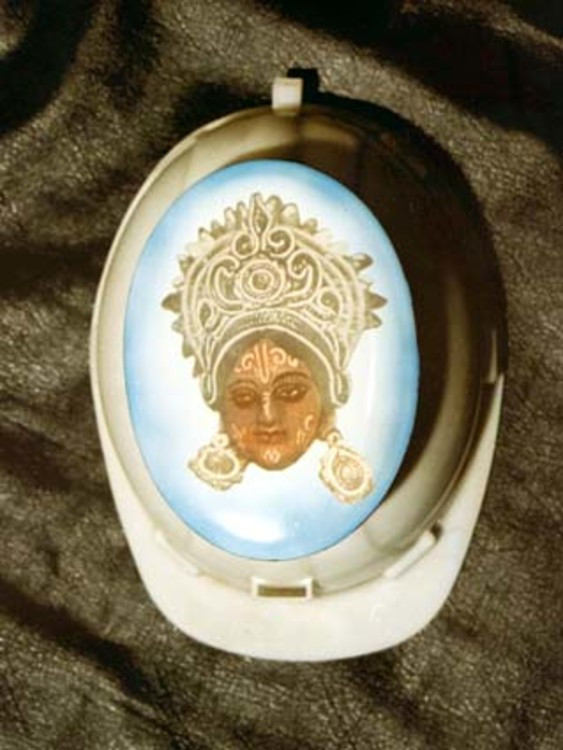
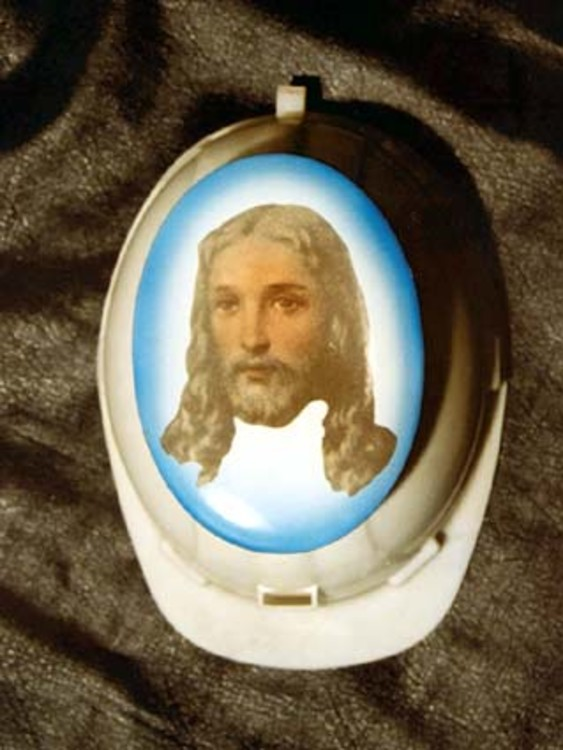
Continuing the journey through Protsenko’s creativity, let’s stop at the work “Safety Technique.” In it, the artist decided to enhance the protective properties of construction helmets by depicting portraits of spiritual leaders of all times and peoples on them. The portraits, of course, face the source of danger — the infamous brick falling on the head. Immediately, one recalls the hoods of Kyiv taxi drivers’ cars, decorated with plastic Chinese icons meant to protect the drivers. The drivers themselves, meanwhile, get offended by passengers who try to fasten their seatbelts.
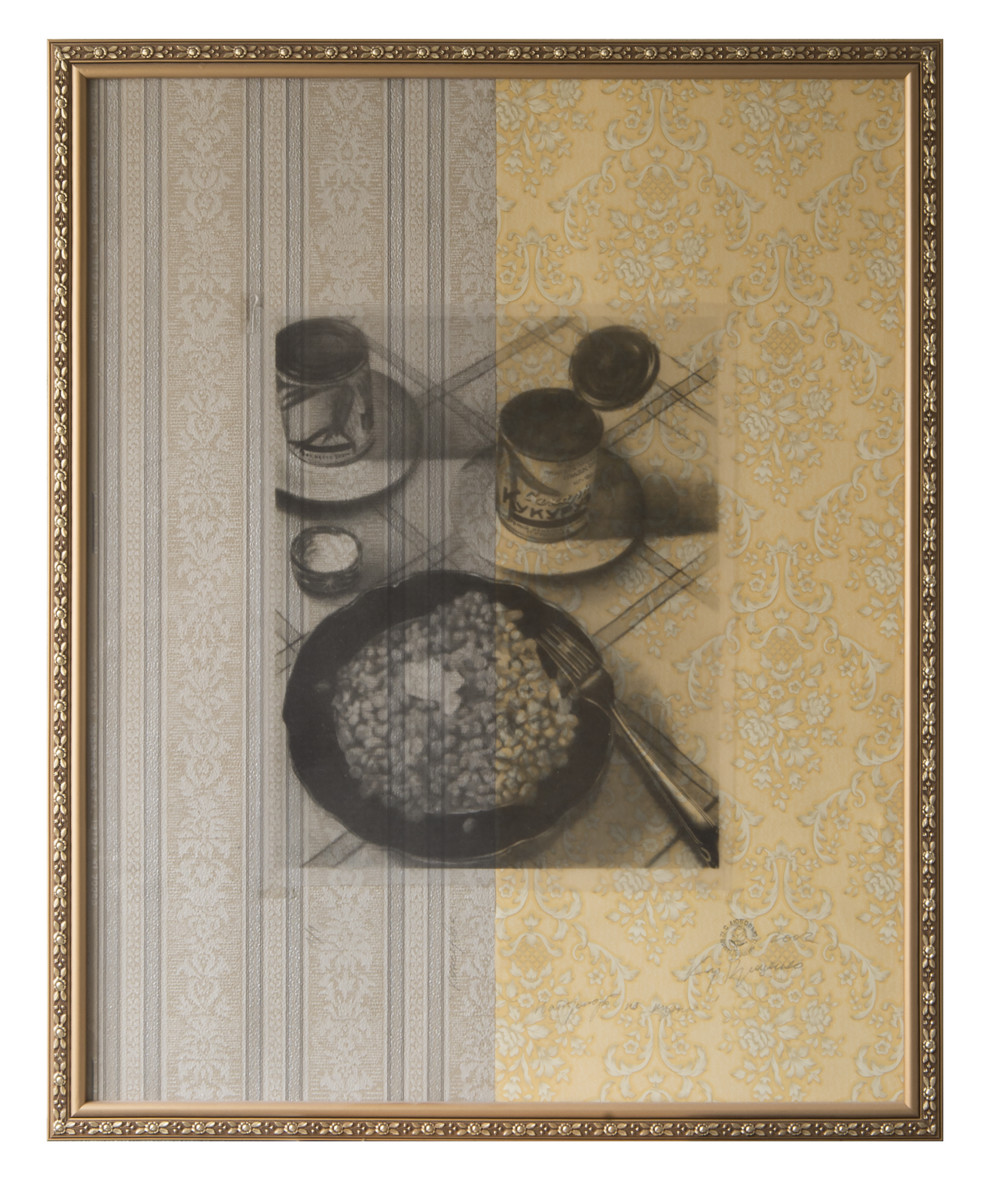
Ironizing over the consumer tastes of art buyers, Protsenko created the series “Still Life — for the Kitchen. Landscape — for the Bedroom,” presented at the “RA” gallery in 2002. Here, the artist again could not resist using “non-elite” materials: wallpaper became the background, and still lifes were transferred onto tracing paper using a photocopier from the famous “Book about Tasty and Healthy Food.” Gilded frames were not left out either.
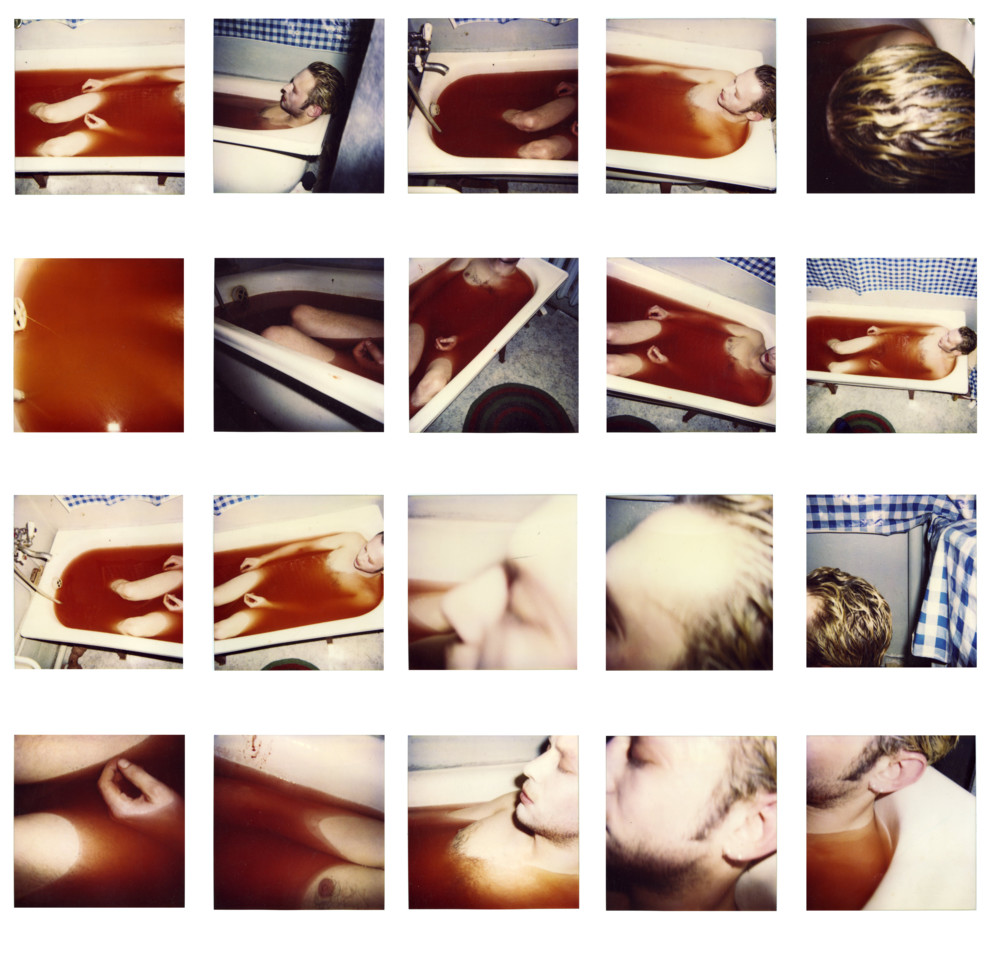
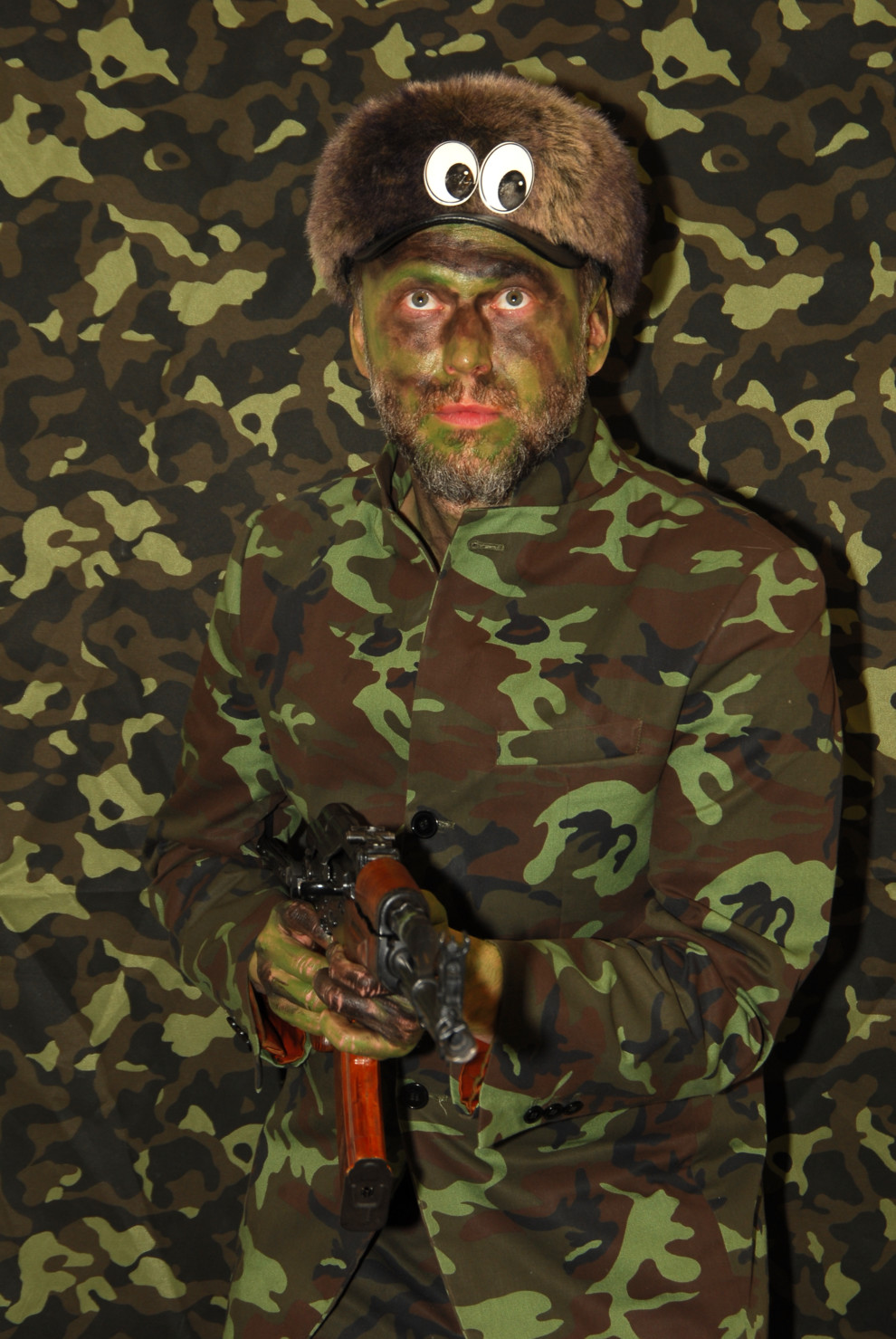
Protsenko’s series are born from constant exploration of the painful points of our society. Hence the grotesque photo cycle “Poachers” (2010), in which the author himself became the model. A small detail — toy eyes — completely changes the semantic load of the image.
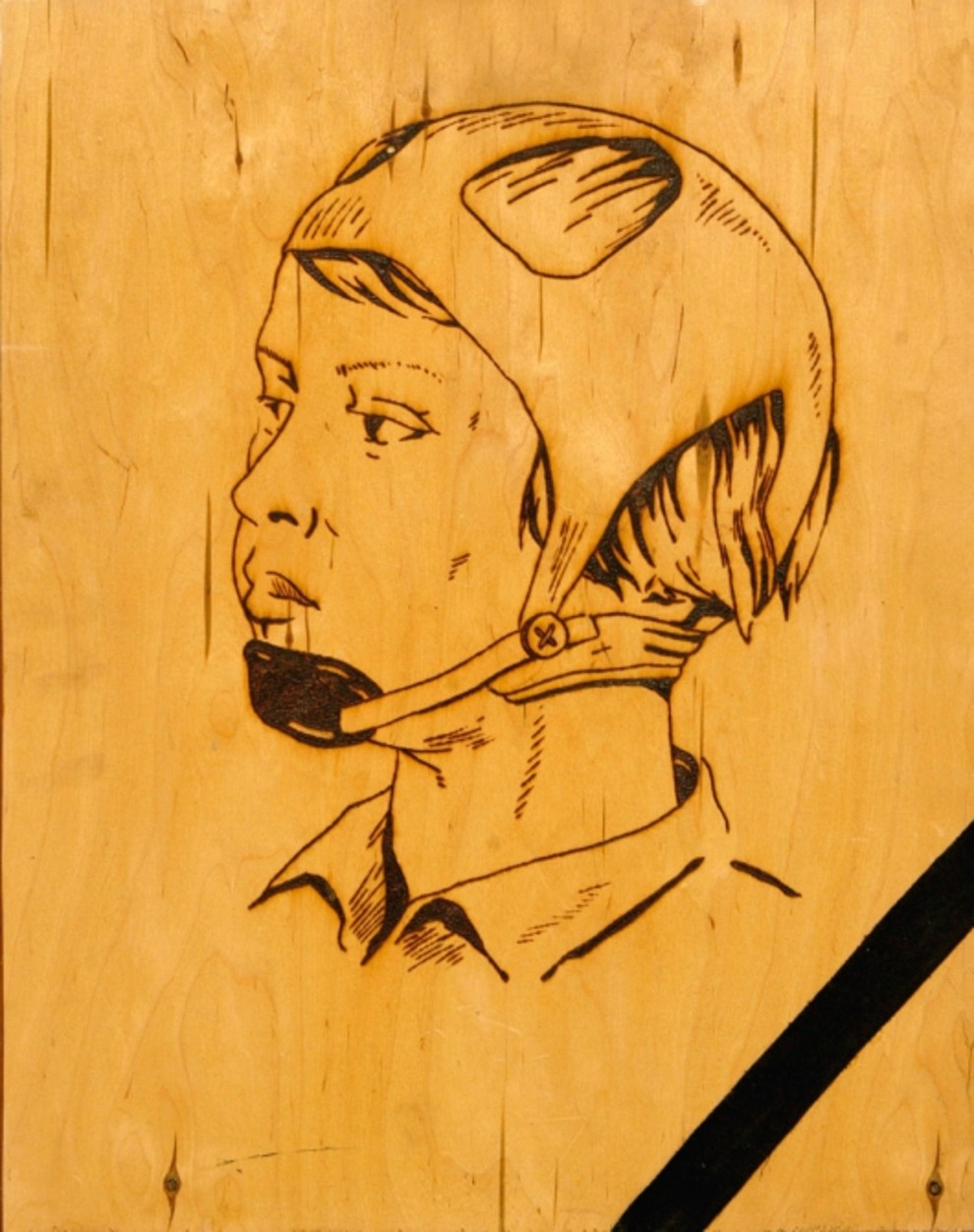
This is how Protsenko works: using irony, without preaching or moralizing, he raises serious questions. His art is open to dialogue with a sensitive viewer: themes, meanings, and forms here are understandable because we have known them since childhood. Protsenko mixes them like a DJ, and some he puts under a magnifying glass — repeats (editor’s note) — creating ever new semantic layers.