
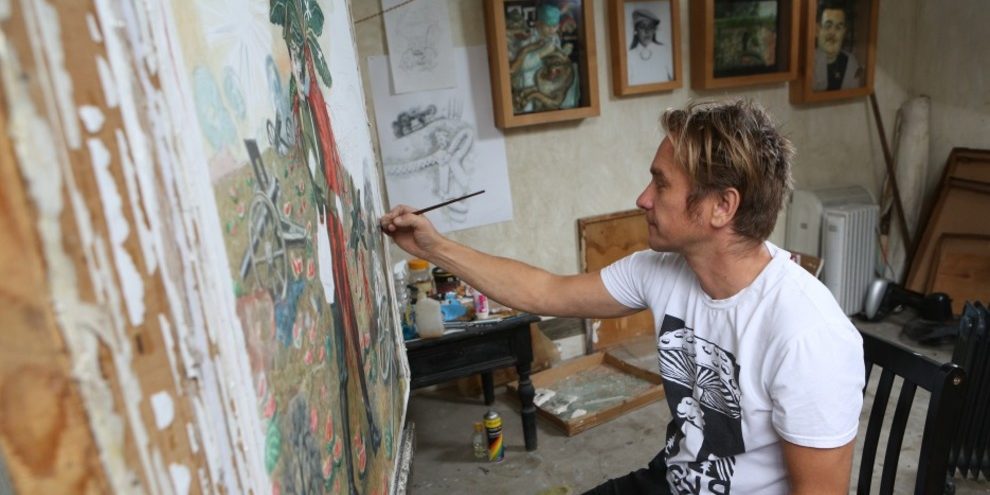
Everything you need to know about Illia Isupov, a representative of the famous artistic dynasty of Kyiv, 一 in a special project by Vogue.ua and PinchukArtCentre.
PinchukArtCentre has launched a research platform aimed at creating a living archive of Ukrainian art from the early 1980s to the present. The platform team visits artists’ studios: studying their biographies, past and present, and the research results can already be seen in the PinchukArtCentre library. Vogue.ua and the art center are starting a collaboration to publish articles about the most interesting Ukrainian artists. The first featured artist was Oleksandr Hnylytskyi. The series continues with a story about Illia Isupov. Curator Kseniia Malykh, a staff member of the PinchukArtCentre Research Platform, talks about the 90s art raves, the first startup of Chichkan and Isupov, and the artist’s experiments.
“Chichkan and Isupov’s Startup”
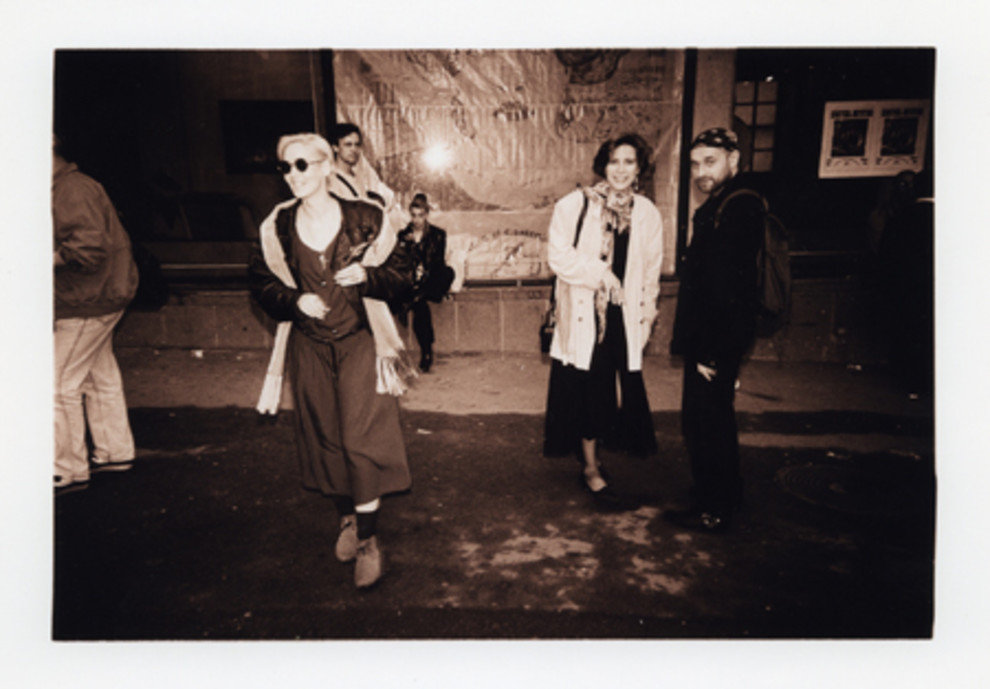
Illia Isupov 一 is one of the younger members of Parkomuna (Parkomuna 一 an art squat on Mykhailivska and Sofiivska streets in the 1990s), and recently 一 no longer a young representative of the famous Isupov artistic dynasty in Kyiv. His mother and father are well-known artists, and his daughter Zina Isupova successfully debuted as an artist in Moscow. Illia came to Parkomuna looking for a studio to sew clothes. This was before the squat itself 一 the first attempts at semi-legal renting of empty apartments in the area of Postysheva Street (now Mala Zhytomyrska) and Sofiivska. During the heyday of cooperatives, this was their first, with Illia Chichkan, in modern terms, startup. They painted shirts and sold them on Andriyivskyi Descent. Isupov missed the endless series of parties and raves at Parkomuna while living in England, where he went at the age of 20 and spent three years, witnessing the very beginning of the famous squat and the end of its existence. But the parties were not specially organized events like now. The big game and non-stop festival were the way of life for Parkomuna members and their wide circle of friends. Isupov barely remembers the year their joint exhibition with Chichkan “Gene Mutation” opened at the Artists’ Union exhibition hall on Volodymyrska Street (we know it was 1993), but he recalls in detail how famous the party after the opening was, ending with someone drunk “walking into” the gallery window and almost losing their nose.
Path to Art
Illia became an artist naturally. One could even say it was predetermined. His mother is the famous ceramist Nelli Isupova, his father is the monumental artist and graphic artist Volodymyr Isupov. His older brother Serhii is also a ceramist. Moreover, each has an individual artistic method. The creative parents did not pressure their sons in choosing a profession but rather created an environment where each talent developed naturally and depended more on character than on teachers. Illia Isupov says he cannot imagine himself in any other profession, that nothing captivates him like art and he does not resist the idea that his younger daughters may become artists or other representatives of creative professions.
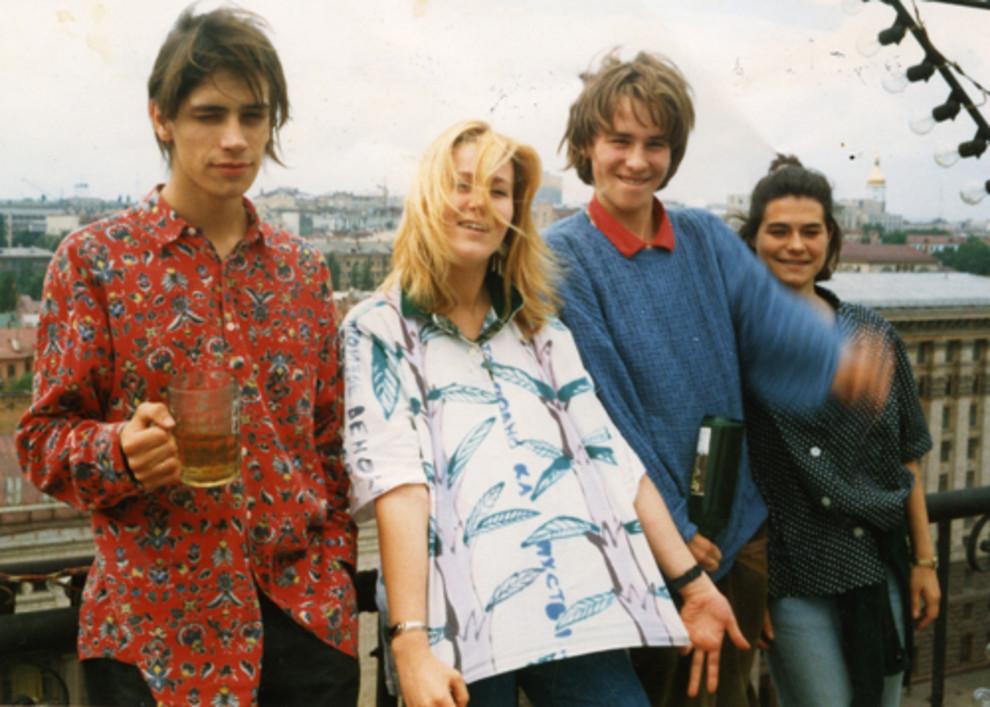
Isupov received his art education at the Republican Art School (now the T.G. Shevchenko State Secondary Art School). This school, which usually leads to the Academy of Arts, has a dormitory for students. Once Illia got sick and was very bored alone in the room, so he sawed off the legs of a chair and made stilts. When his classmates returned, they appreciated the invention and followed Illia’s example. For this, the administration kicked Isupov out of the dormitory. Even during his school years, Isupov’s works were purchased under state procurement programs. Illia practically skipped the last year of school. After graduation, his works participated in youth republican exhibitions, but the prospect of continuing studies at the Art Institute did not attract him. At the same time, he was invited to participate in the “Moscow in Cambridge” exhibition (1991, London). One of the co-organizers was the editorial office of the magazine “Ogonyok,” which arranged Illia’s foreign passport earlier than his internal one.
His first solo exhibition “This is Me 一 Illia” took place in Salisbury, in the southeast of Wiltshire County, UK, in 1991. A rumor spread through Kyiv that Illia sold all the works he brought to England and stayed there working as a gardener, then returned to Kyiv and burst into the turbulent stream of parties in a legendary pilot suit. Later, Illia traveled across America and brought tattoo tools from there. Not all of this is true, but the image of the artist Isupov himself and his works are shrouded in myths, tales, and gossip, which the artist reluctantly brushes off, too lazy to build a strategy for his public image.
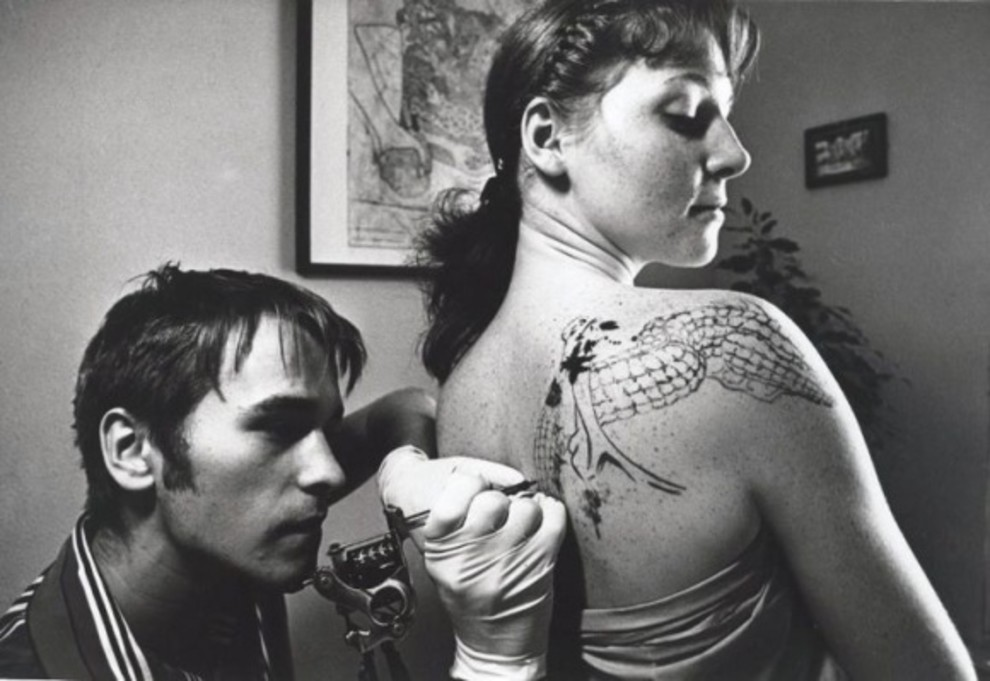
Isupov returned to a completely different Kyiv 一 breathing the spirit of freedom and adventure. Paintings were shipped abroad in batches, paid for with TVs, VCRs, and boxes of cigarettes. Meanwhile, at Parkomuna and nearby squats, huge canvases were created every night, wine flowed like a river, philosophical treatises were discussed over tea, and everyone visited each other. On one of these ordinary days, Illia recalls, Chichkan bought a toy pump-action shotgun for his still small son David (who also grew up to be an artist). It turned out that the shotgun, although it shoots plastic balls, was quite powerful. Everyone tried it and ran to the store for the same ones. This instantly turned into something like a starry night (All-Union Pioneer military-sports game) in the style of 90s shootouts. On old cars brought from the Baltics, the artists staged shootouts between Parkomuna and Sofiivska.
“Funny” Art
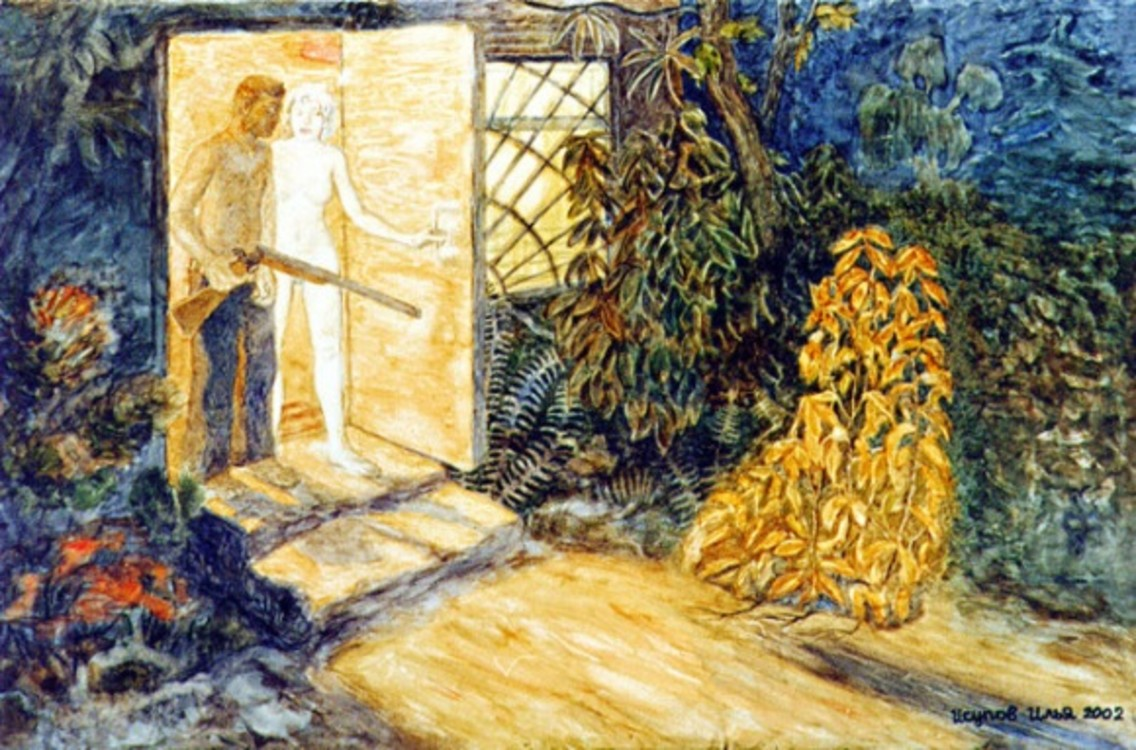
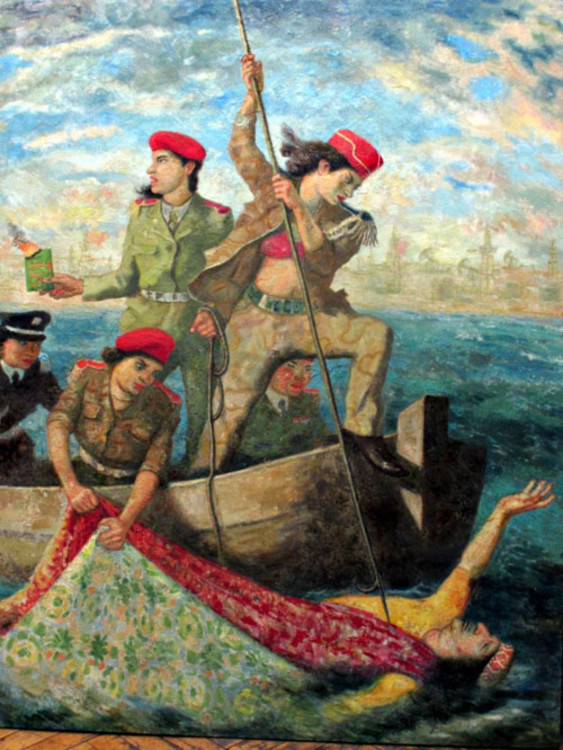
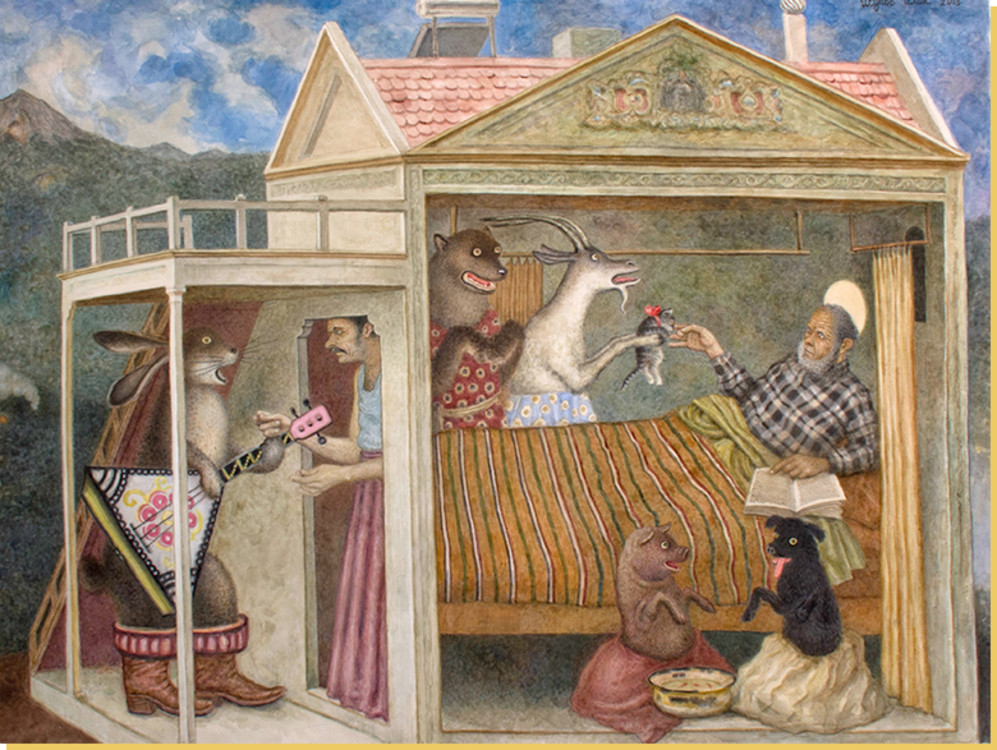
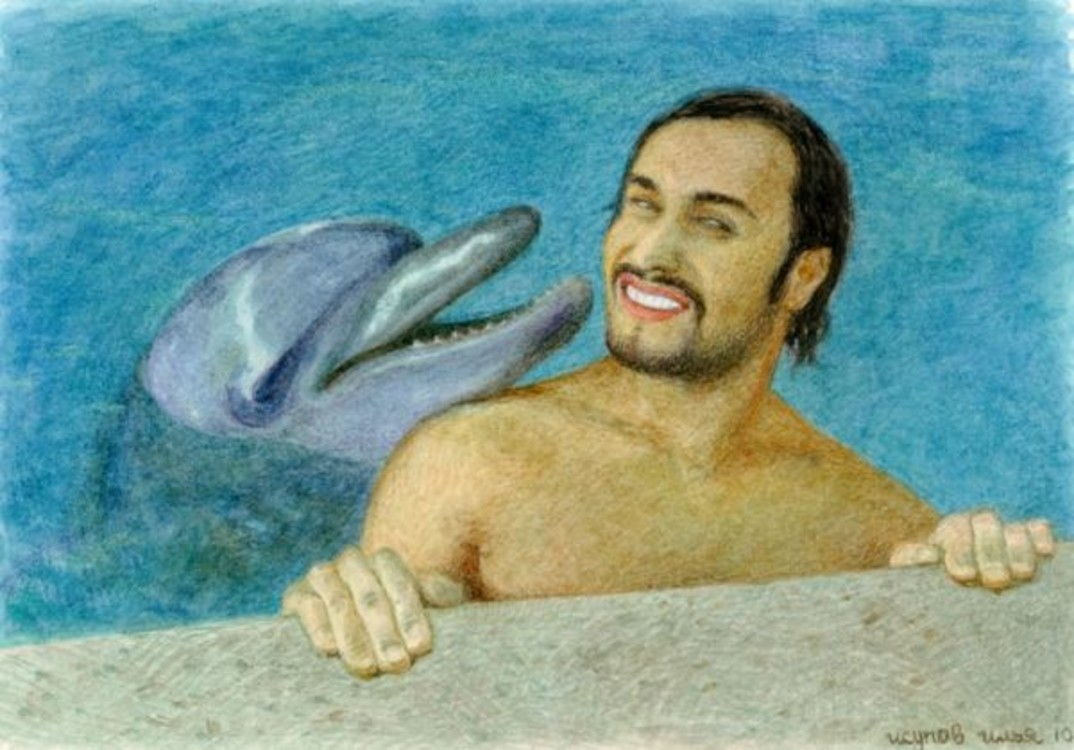
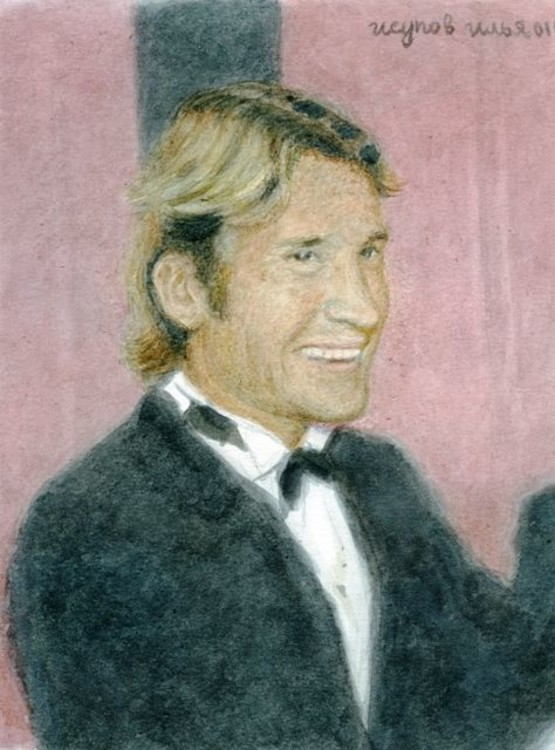
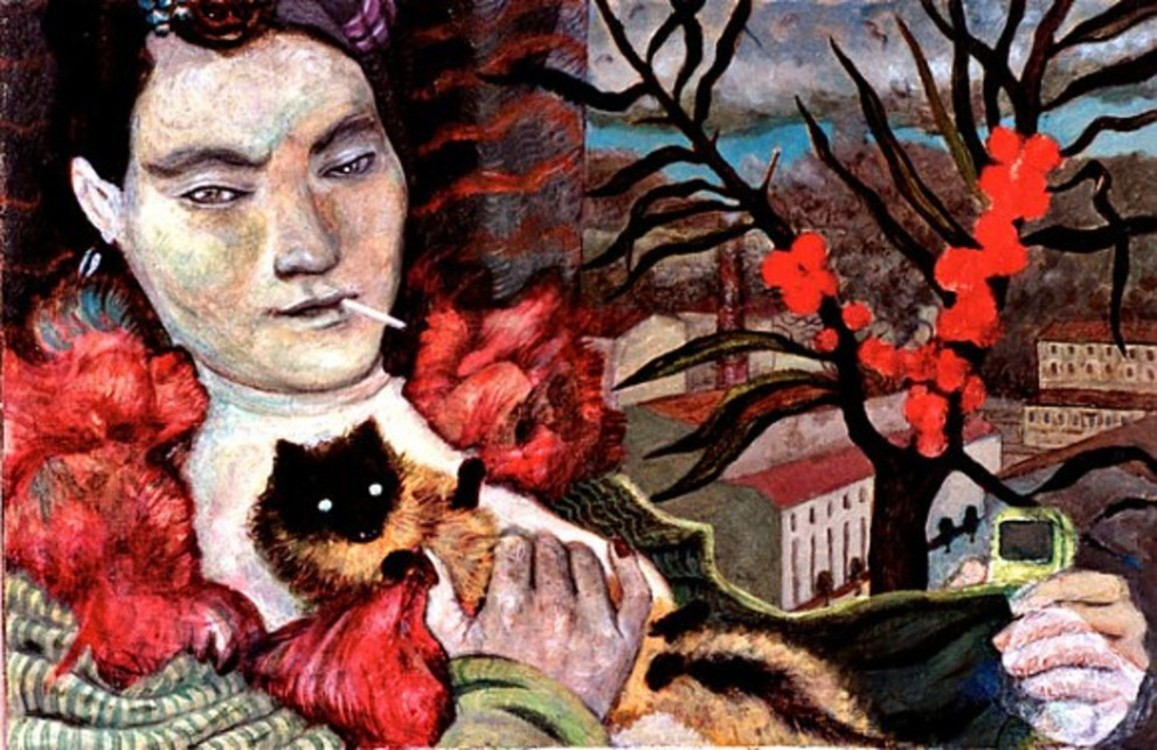
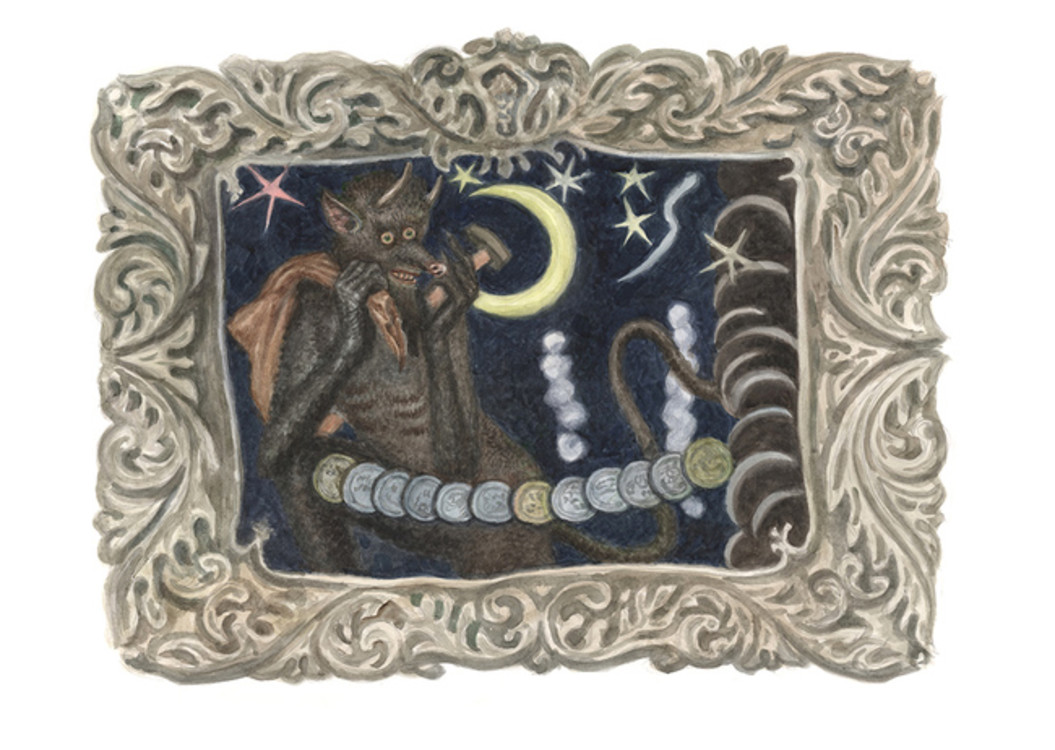
Isupov most often talks about his works he likes as “funny work,” although his works are sometimes not funny at all but philosophical, ironic, mystical, or even prophetic, and most often tragicomic. Stylistically, Isupov, in the best traditions of postmodernism, mixes the aesthetics of lubok prints, comics, early 20th-century modernism, and art brut. As art critic Oleksandr Soloviov aptly said about him, “Isupov organically balances on the edge of genre, absurdity, and grotesque.”
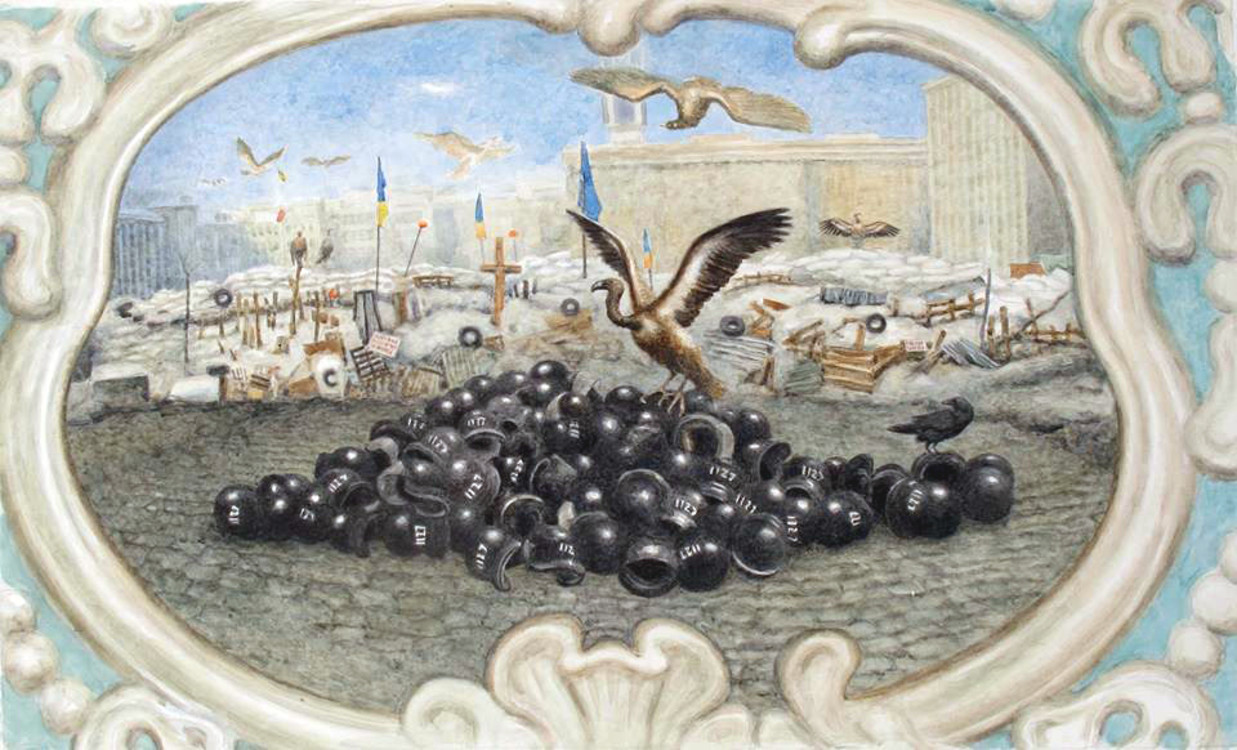
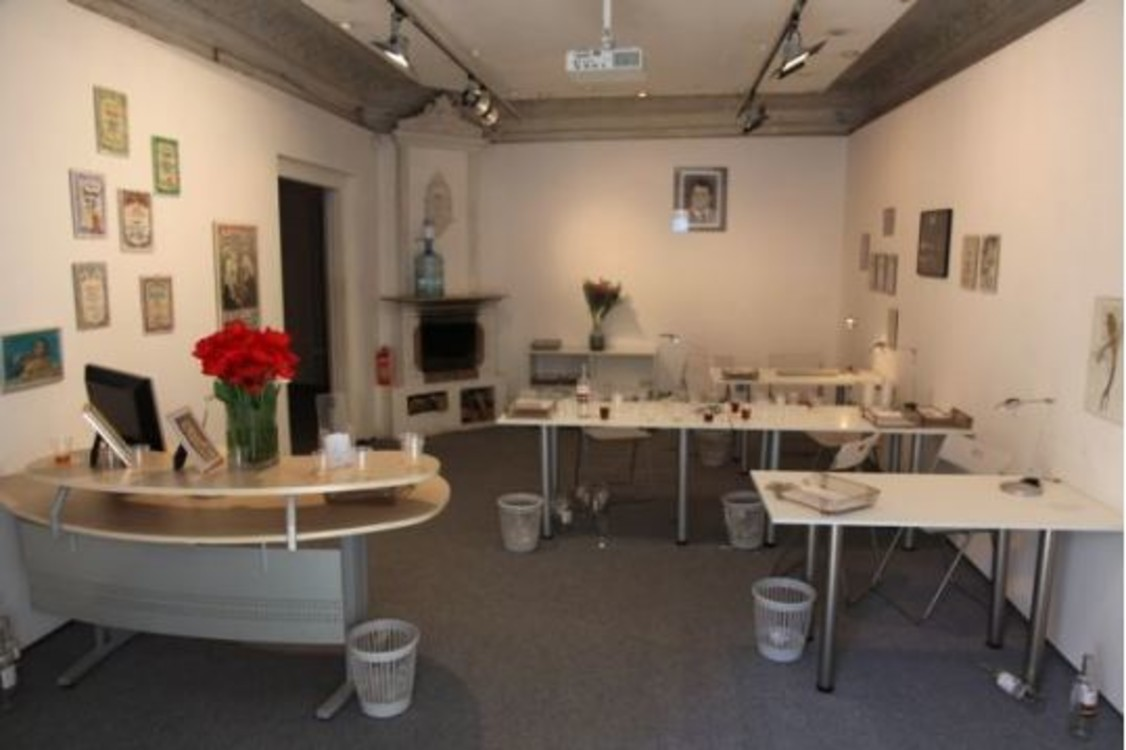
The artist speaks of his creative method as a way to record stories happening around him 一 whether personal, social, or political. Perhaps, for the author, the work is like a diary entry, where each plot and detail tells about a very specific event in life, but all these layers of meaning are not accessible to the viewer. Or rather accessible, but not all. Isupov leaves certain beacons, hints, clues for us 一 quotes from the classics of world art, familiar faces of tiresome politicians, symbols of mass culture, and so on. For example, a work from the “Golden Eggs” series (2008, oil on tracing paper), whose plot plays on the tale of the hen and the golden eggs, where burly men, some in shirts and bow ties, “extract” Fabergé eggs at a quarry. Or a 2013 work in which Isupov appeals to Vasily Vereshchagin’s “Apotheosis of War” (1871) but transfers its plot to a familiar setting of barricades in central Kyiv. Together with artists Oleksii Sai and Zhanna Kadyrova, Isupov staged a raider takeover of the “Karas Gallery” in Kyiv (2010). More precisely, they staged the result of this takeover. Using artistic means, they transformed the gallery into an office. Illia created a series of fake diplomas, portraits of celebrities, and even a portrait of the president.
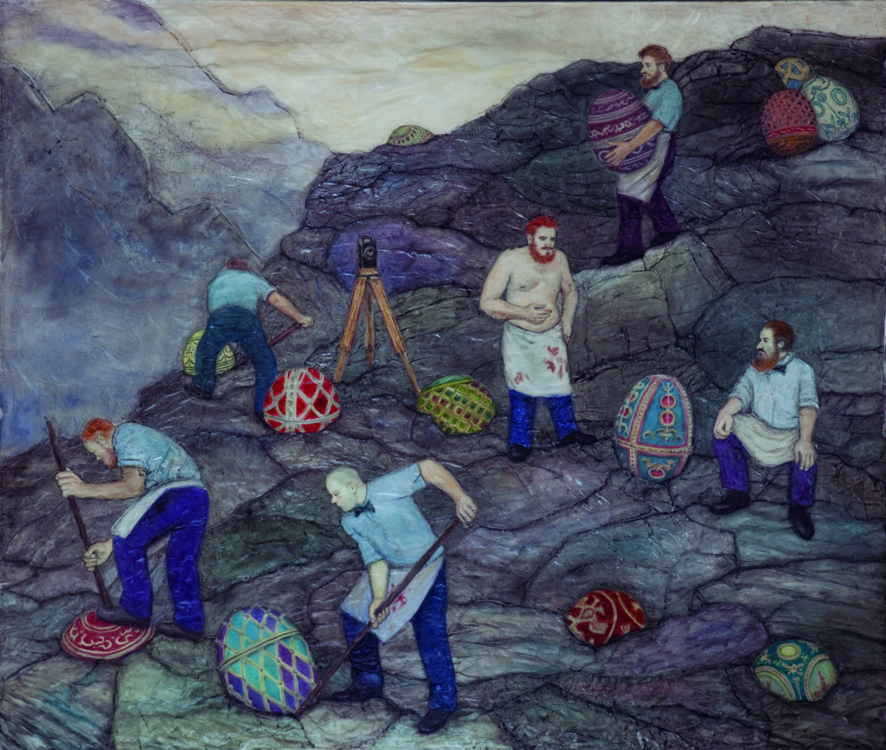
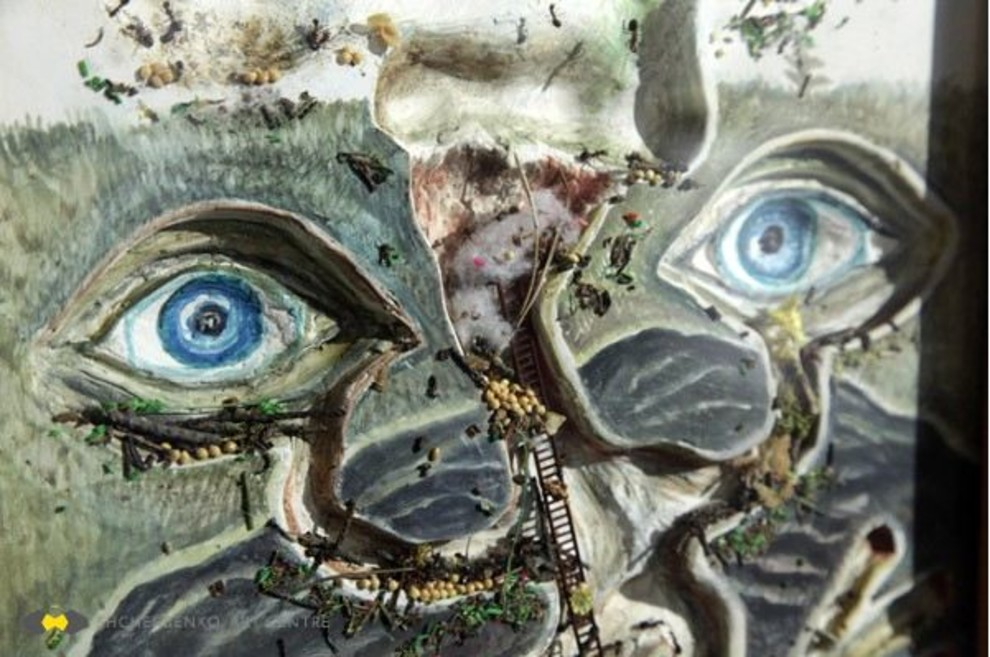
Щербенко артцентр, Київ. 2012
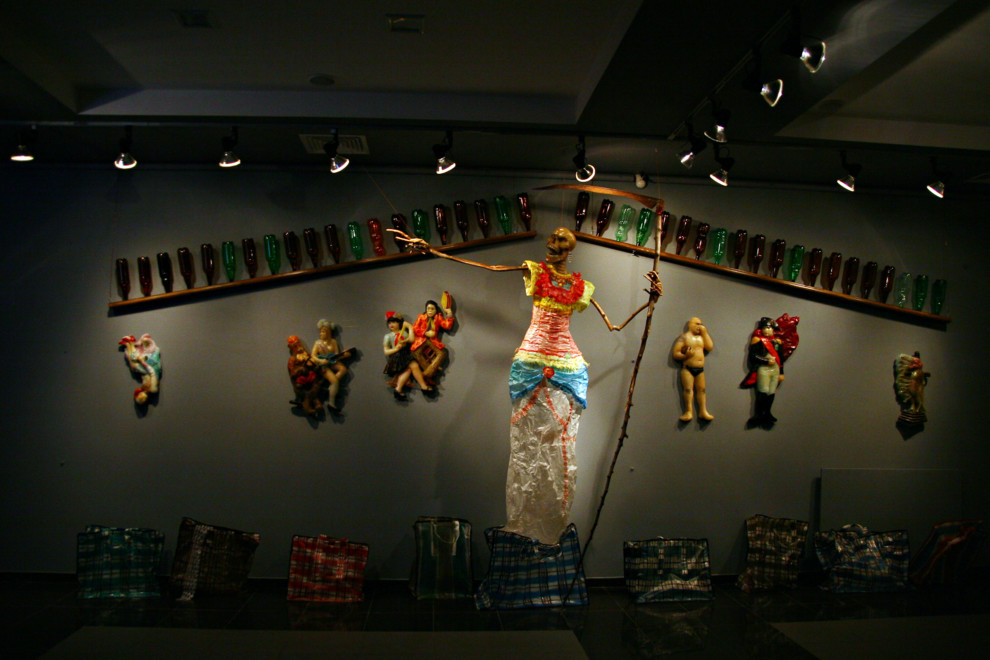
Галерея «Колекція», Київ, 2008
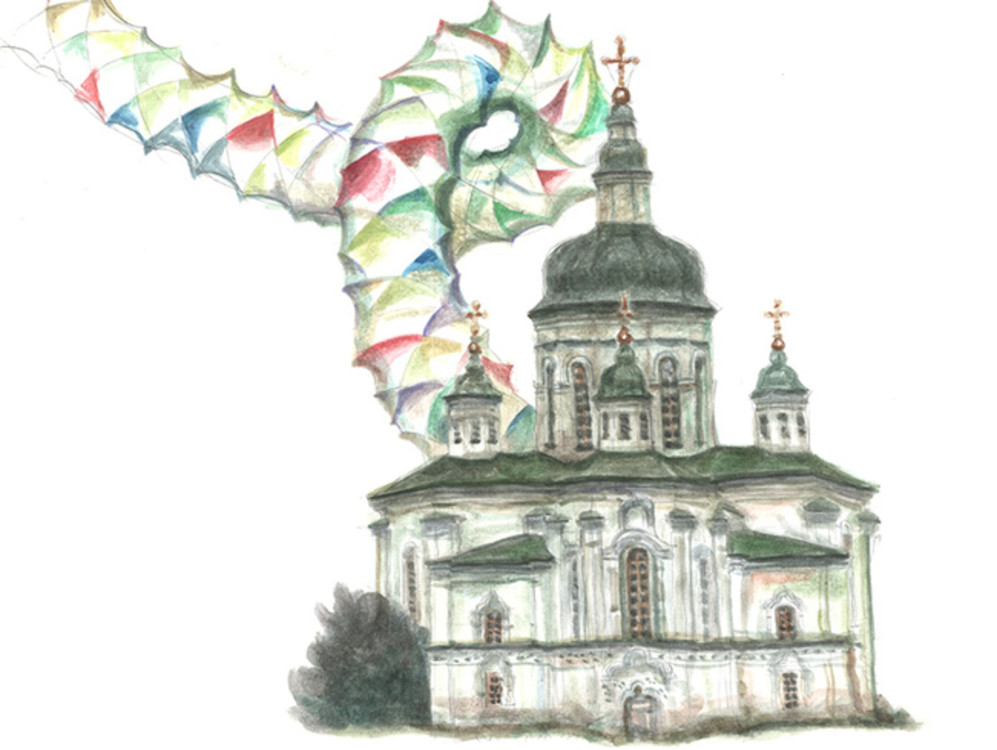
Isupov experiments with new techniques and media with the interest of a child given a new constructor: tirelessly and intoxicated with excitement, as if fleeing boredom. And the more absurd the plot of the new story, the more ingenious the technique. Some of these techniques are very complex and unpredictable 一 like reliefs made of paraffin or a colony of ants living in a picturesque panel from the “Botanics. Chemistry. Physics” project (Shcherbenko Art Centre, Kyiv, 2012). Tracing paper and plastic, which he used to create a pantheon of idols and anti-idols of the 20th century, are placed among plastic bottles and kitschy, handmade, checkered bags in the “Columbarium” project (Collection Gallery, Kyiv, 2008).
Illia Isupov, as in his youth, lives on Sofiivska Street, and you can meet him when he takes a home-style walk with his dog around Bessarabka. His studio is a dacha in Voskresenka, a fairy-tale house and garden with large windows, overgrown with all kinds of wild vegetation and a self-made fountain and stage 一 for family celebrations (and no lawn or flowerbeds). There, on the second floor, behind the bedroom, is a bright room where the radio with news is always on 一 an eternal source of absurd and lyrical stories intertwined with Illia Isupov’s childhood memories, fairy tales, and dreams, reborn anew in his works. However, in winter, Isupov moves to a dacha in Greece 一 he says it’s cheaper than heating a house in Kyiv.