Yasmine El Meleegy
Yasmine El Meleegy’s strong bond with Egypt’s cultural legacy emerged unexpectedly amid a simple routine moment — she was drinking tea from a cup signed by Fathy Mahmoud. This name would soon resonate deeply in Meleegy’s life and work. Mahmoud was a significant figure in Egyptian art who, besides being known for his monumental public sculptures and murals in Cairo and Alexandria, established a porcelain factory in 1942. The enterprise focused on domesticating art by bringing it into everyday life and making it more accessible to everyone. What began as a casual interest turned into thorough research, inspiring a series of letters that Meleegy wrote as if in a tete-a-tete conversation with Fathy Mahmoud.
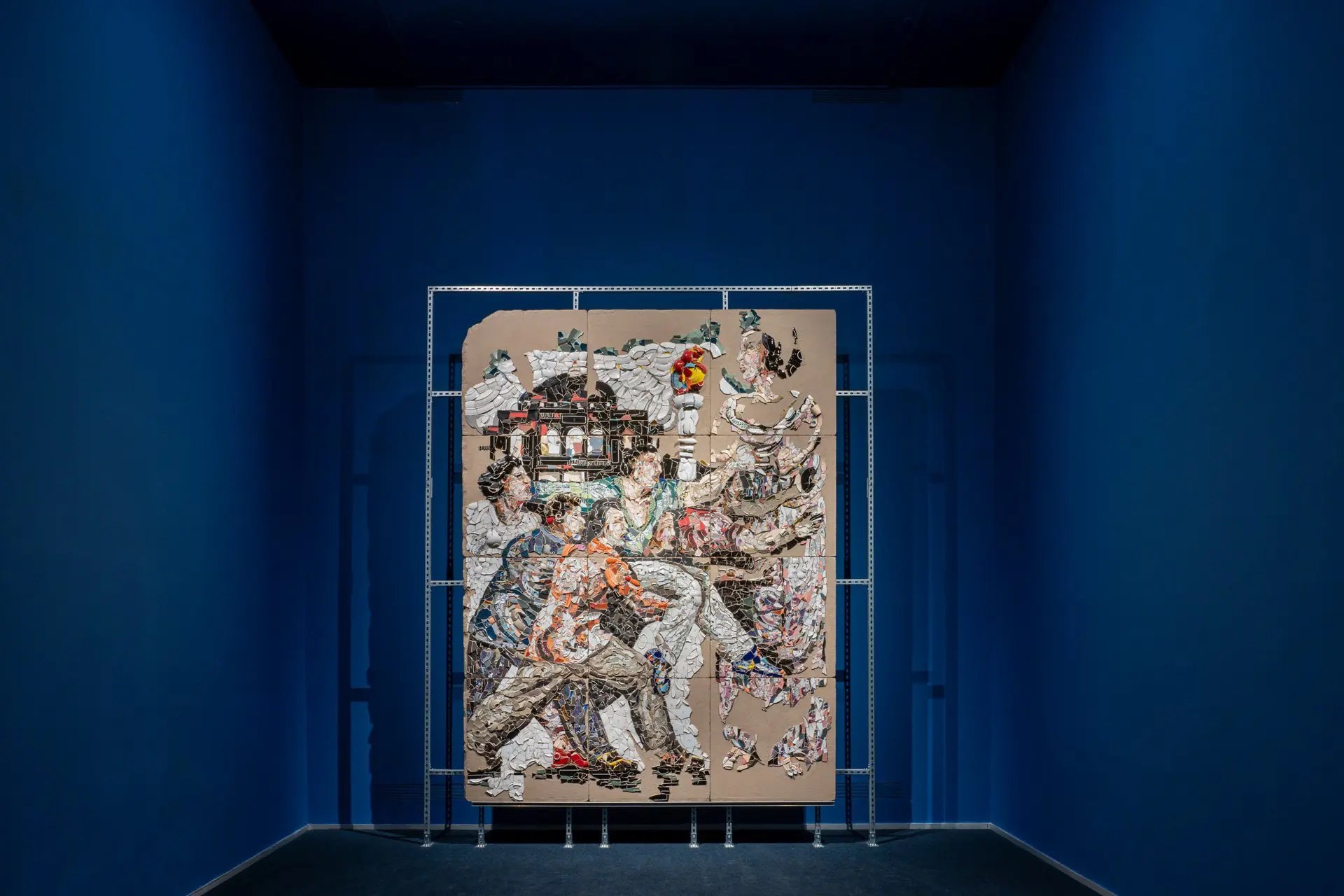
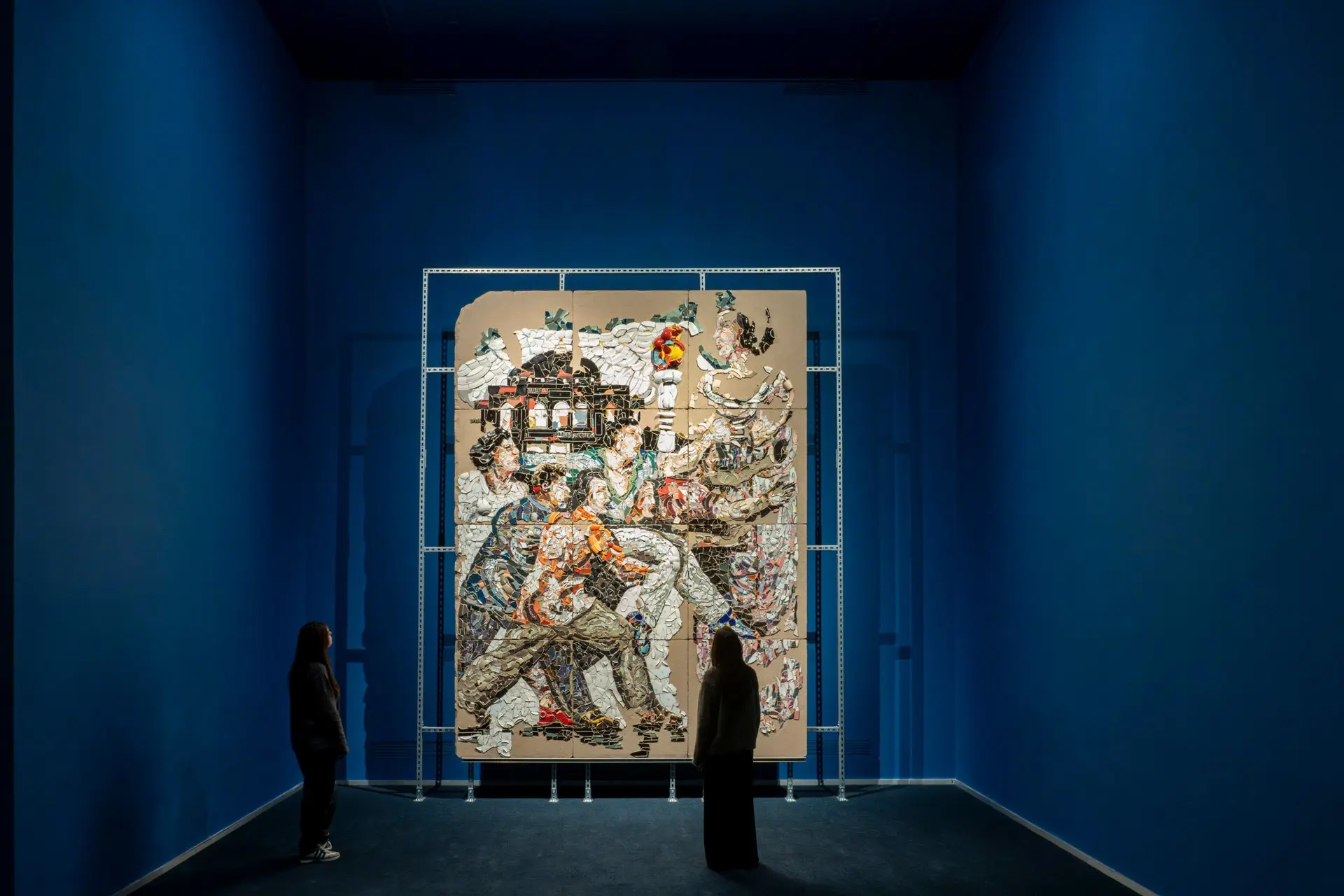
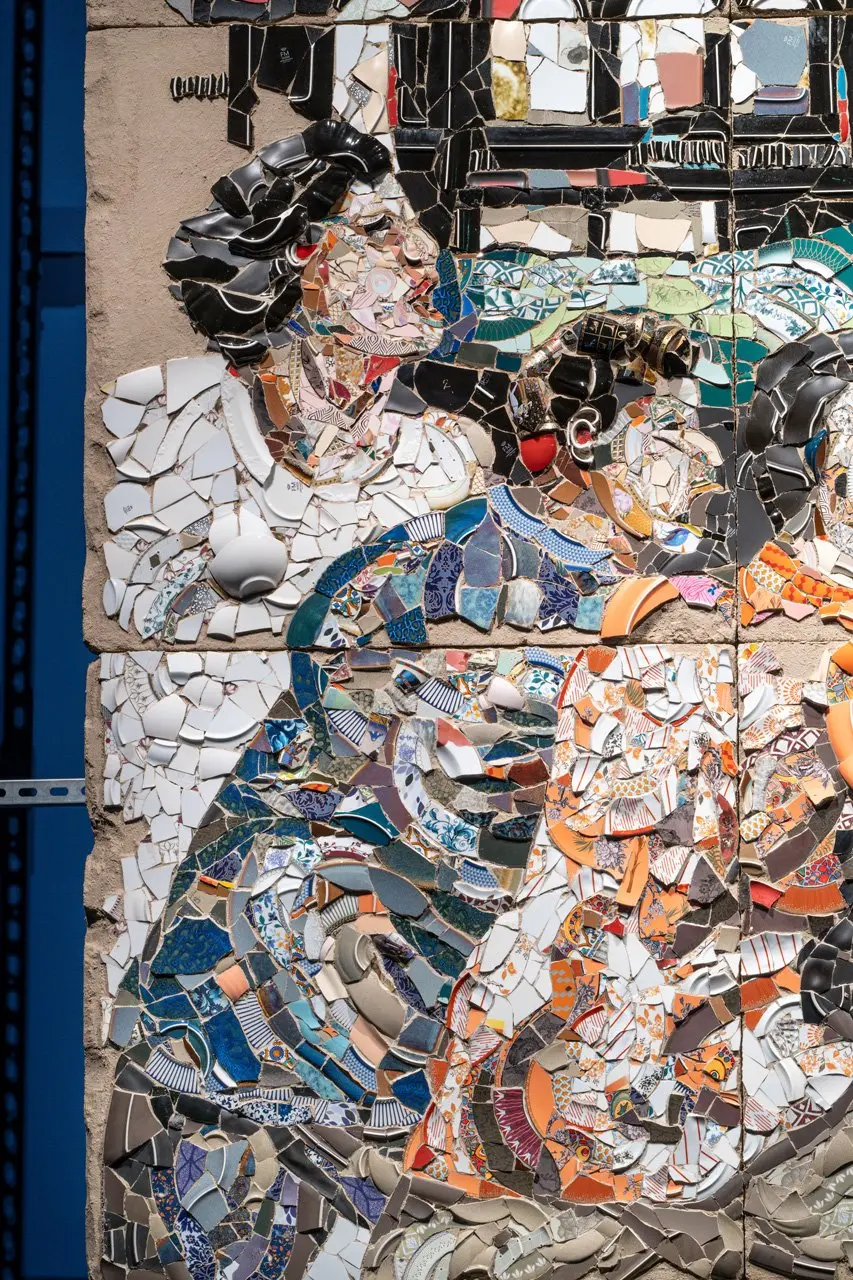
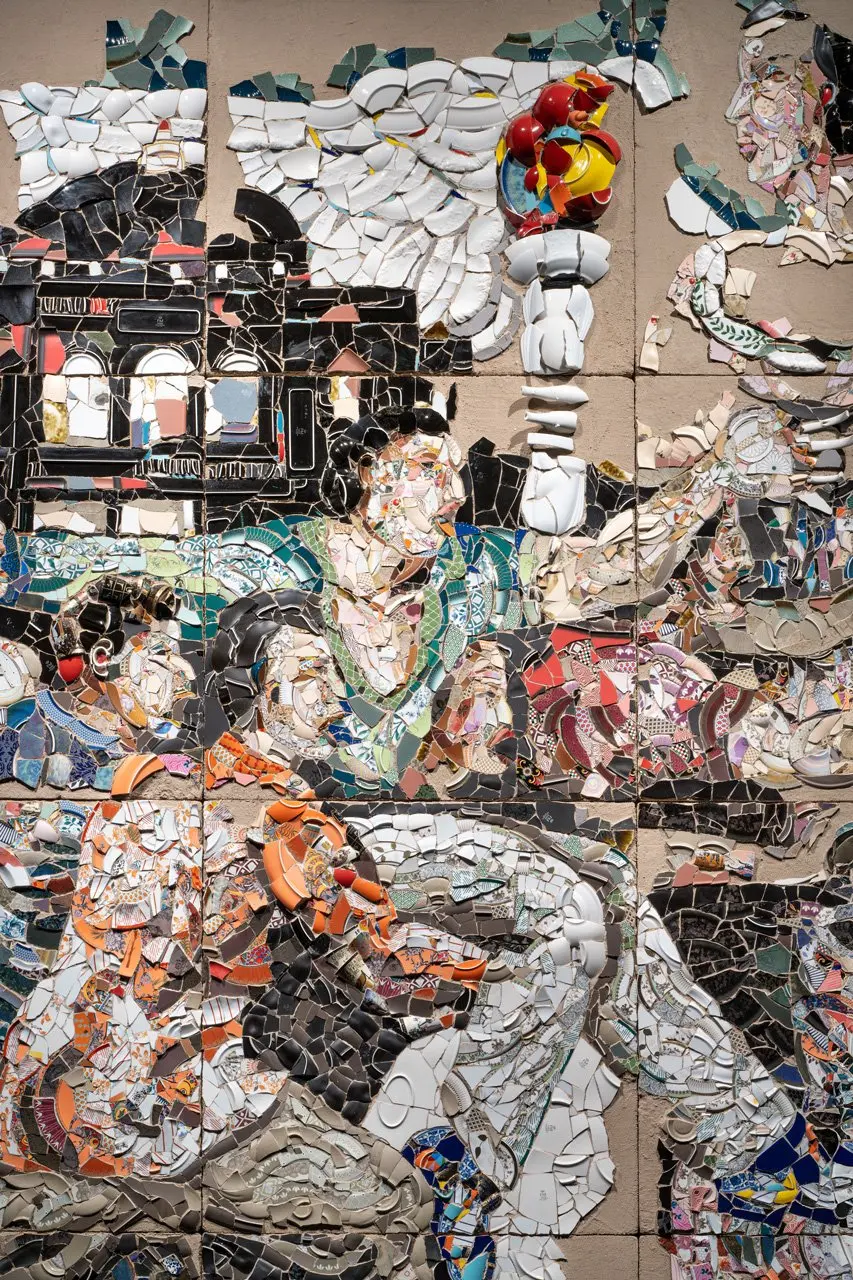
Once vital for conveying ideological messages in public spaces, murals, reliefs, and mosaics from that era now serve as relics of a socialist art style from past decades. These artworks often seem out of place in rapidly modernizing cities. Even as the context around them continues to change, Yasmine El Meleegy feels a strong urge to care for and preserve these monumental pieces. The notion of preservation lies at the heart of her latest work. She reappropriates historic imagery from Fathy Mahmoud’s relief at Cairo University that commemorates the student uprising of 1935–1936, part of the mass protests against colonial rule.
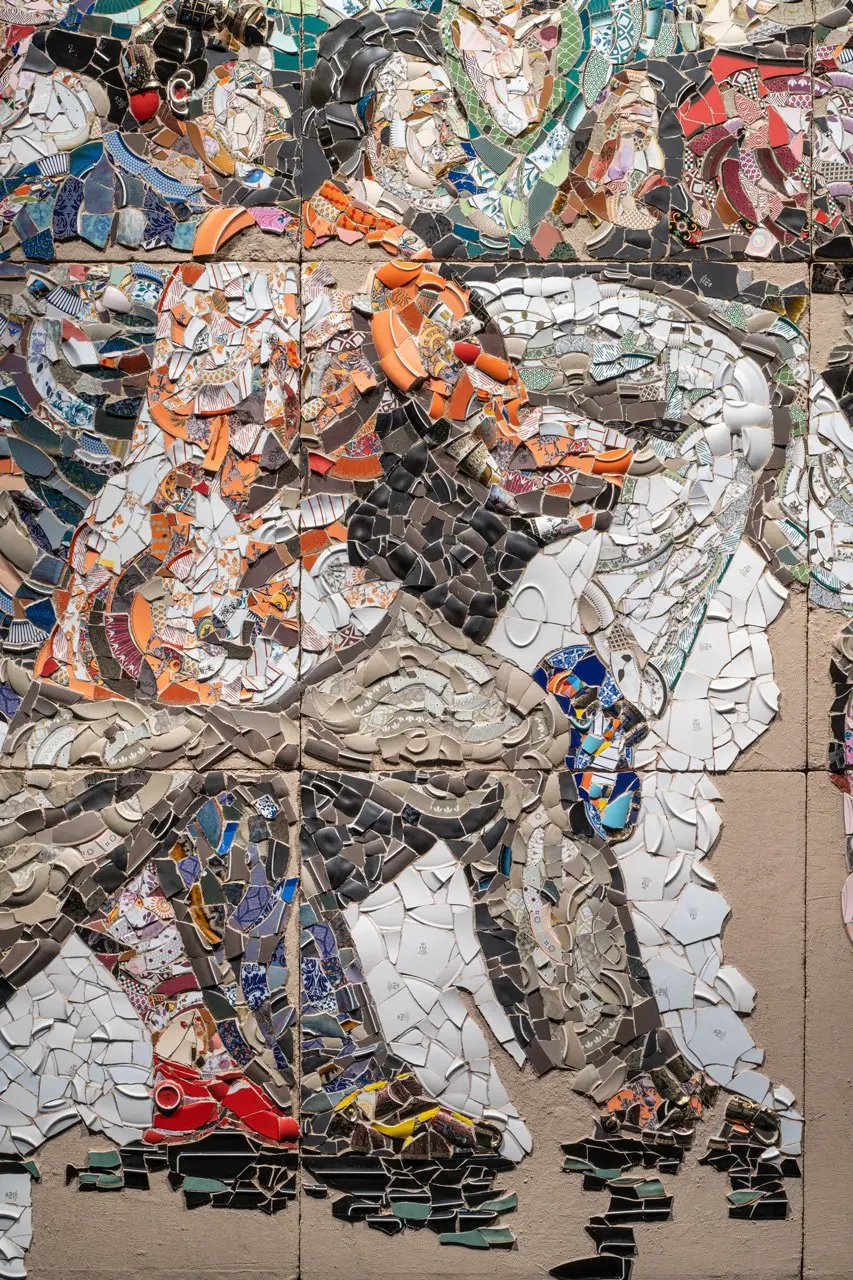
In a symbolic act of repetition that recalls the industrial origins of the tableware, Meleegy breaks porcelain cups resembling the one that first introduced her to Mahmoud — and then reconstructs them into new artworks. This process of breaking and rebuilding is central to her approach, reflecting the tension between destruction and creation that she sees in the world around her. Her mosaics, crafted from these fragments, are a way of reimagining the past and giving it a place in the present.
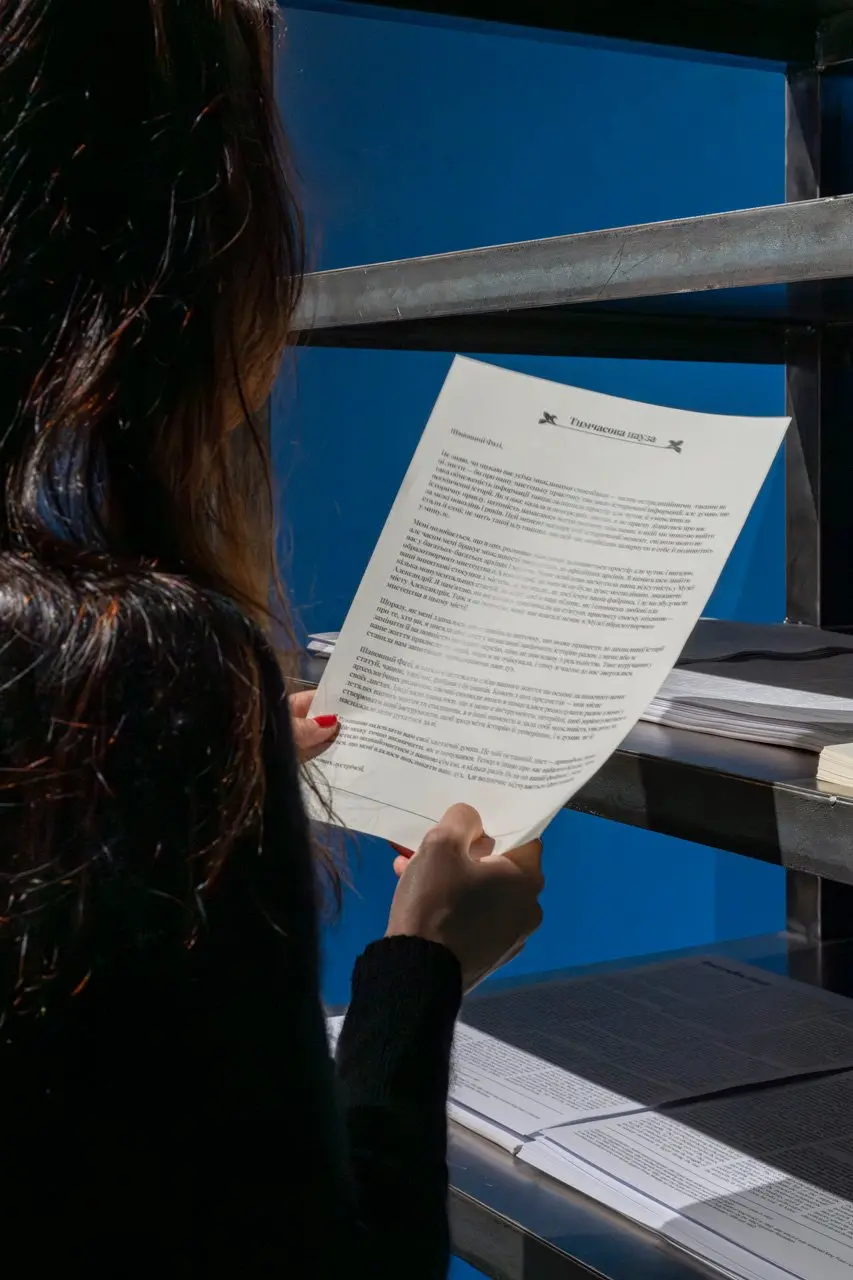
Meleegy’s work manifests the enduring power of art to shape our understanding of history and identity. The artist invites viewers to explore her insights shared with Fathy Mahmoud by taking a copy from the large stack of letters arranged on the industrial trolleys at the entrance to the space. Written in a deeply personal and intimate style, these lines form the backbone of her current exhibition.

Yasmine El Meleegy’s strong bond with Egypt’s cultural legacy emerged unexpectedly amid a simple routine moment — she was drinking tea from a cup signed by Fathy Mahmoud. This name would soon resonate deeply in Meleegy’s life and work. Mahmoud was a significant figure in Egyptian art who, besides being known for his monumental public sculptures and murals in Cairo and Alexandria, established a porcelain factory in 1942. The enterprise focused on domesticating art by bringing it into everyday life and making it more accessible to everyone. What began as a casual interest turned into thorough research, inspiring a series of letters that Meleegy wrote as if in a tete-a-tete conversation with Fathy Mahmoud.
Once vital for conveying ideological messages in public spaces, murals, reliefs, and mosaics from that era now serve as relics of a socialist art style from past decades. These artworks often seem out of place in rapidly modernizing cities. Even as the context around them continues to change, Yasmine El Meleegy feels a strong urge to care for and preserve these monumental pieces. The notion of preservation lies at the heart of her latest work. She reappropriates historic imagery from Fathy Mahmoud’s relief at Cairo University that commemorates the student uprising of 1935–1936, part of the mass protests against colonial rule.
In a symbolic act of repetition that recalls the industrial origins of the tableware, Meleegy breaks porcelain cups resembling the one that first introduced her to Mahmoud — and then reconstructs them into new artworks. This process of breaking and rebuilding is central to her approach, reflecting the tension between destruction and creation that she sees in the world around her. Her mosaics, crafted from these fragments, are a way of reimagining the past and giving it a place in the present.
Meleegy’s work manifests the enduring power of art to shape our understanding of history and identity. The artist invites viewers to explore her insights shared with Fathy Mahmoud by taking a copy from the large stack of letters arranged on the industrial trolleys at the entrance to the space. Written in a deeply personal and intimate style, these lines form the backbone of her current exhibition.
Exhibition