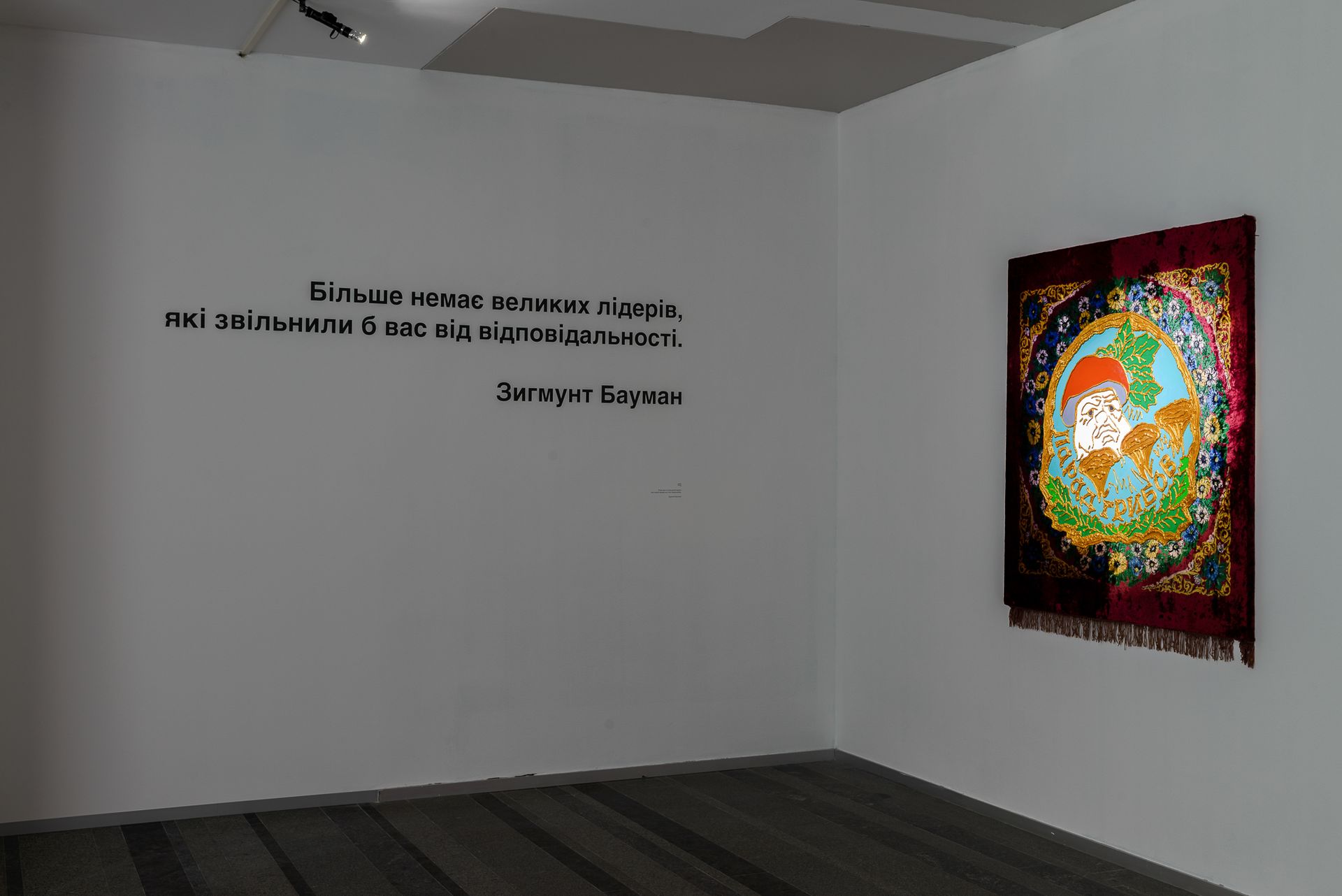
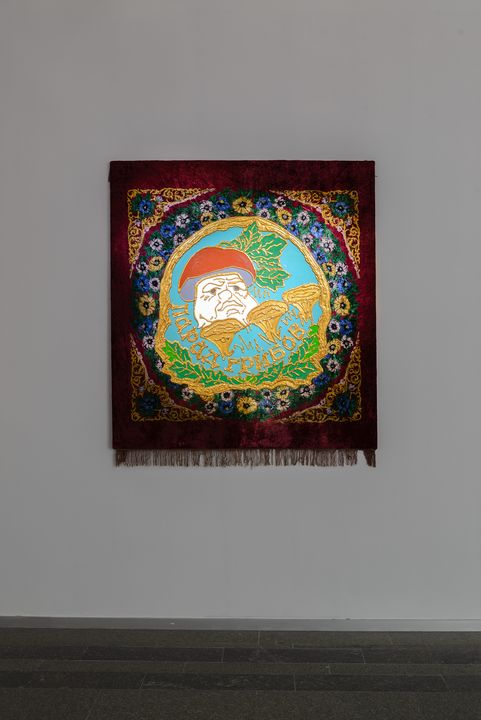
Research Platform: Anonymous Society
The exhibition “Anonymous Society” presents works by Serhiy Anufriyev, Yevheniya Bielorusec, Serhiy Bratkov, Leonid Voitsekhov, Zhanna Kadyrova, Yevheniy Pavlov, Viktor Palmov, Serhiy Popov, Kyrylo Protsenko, Roman Pyatkovka, Larysa Rezun-Zvezdochetova, Oleksandr Roitburd, Vasyl Tsagolov, Oleksandr Chekmenov, Oksana Chepelyk.
The exhibition “Anonymous Society” is dedicated to the period of anomie in which Ukrainian society found itself and still remains after the collapse of the Soviet Union. The term “anomie,” introduced by the French sociologist Émile Durkheim, means a crisis transition period for society after a political shock and a change in value norms, when “the old gods are aging or dead, and others have not yet been born.”
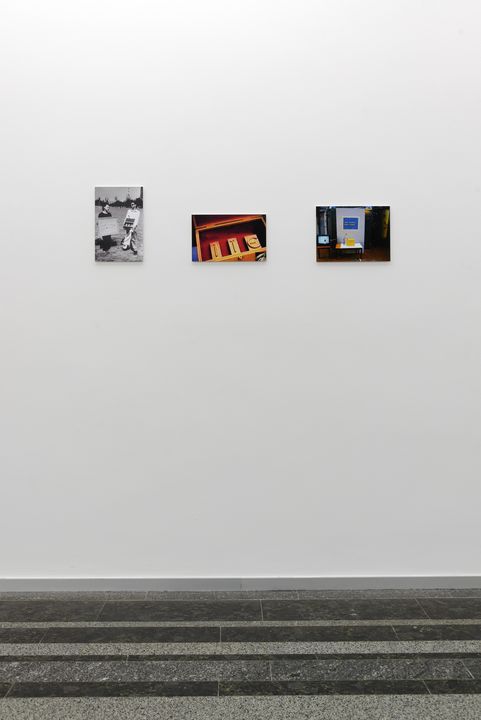
The starting point of the exhibition was the action of the Odessa artist Leonid Voitsekhov “They will repay us for this” (1984), during which participants carried a poster with the same inscription through the streets of Odessa. It was a reaction to a natural disaster that left the city without electricity and water supply. When the police detained the participants of the action and asked “Who will repay, who are ‘they’?”, they answered: “The forces of nature.” This gesture in the context of the exhibition symbolizes the metaphorical division of society into two opposing forces — “us” and “them.”
The exhibition consists of several sections. The first deals with the existence of the individual in ideological confrontation, from the creation of heroes to their gradual devaluation, about living among double standards, about the individual developing against the backdrop of changing political scenery. The second section is devoted to self-reflection, internal struggle, the collective field of memories and experiences. The last section concerns the bodily, intimate world, an appeal to which is a manifestation of resistance to control over personal life.
In essence, the “anonymous society” in the context of the exhibition is a metaphor for the absence of society as such, in which the individual has inherited distrust of the authorities, which have already lost their authority, and by inertia lives under the unseen eye of Big Brother. The exhibition is built around the probing and manifestation of the “I.” It brings individuality to the forefront, revealing its voice in an anonymous field within a distorted socio-political reality, in the realm of personal memories and intimate experiences.
The curator of the exhibition is Tetyana Kochubinska.
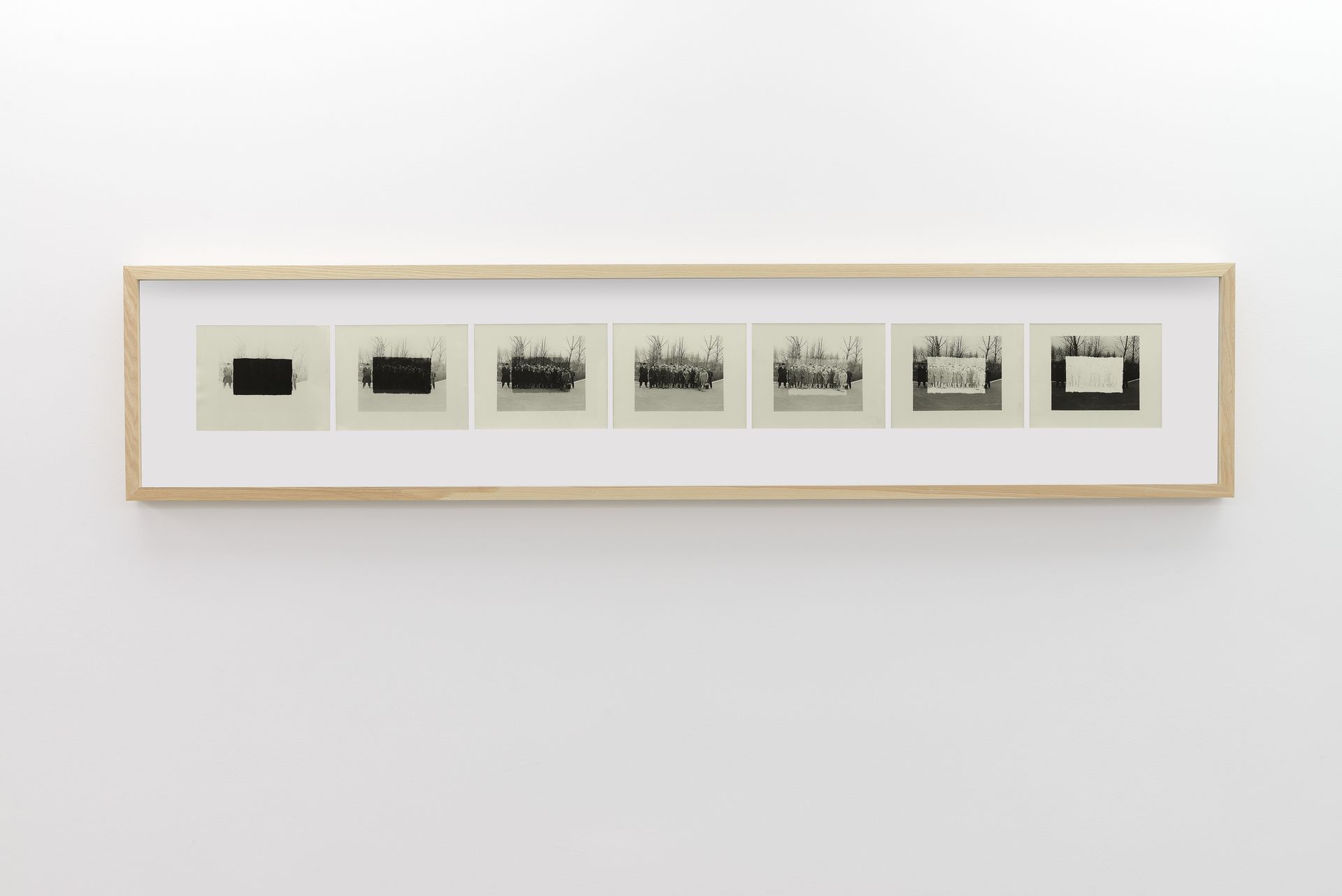
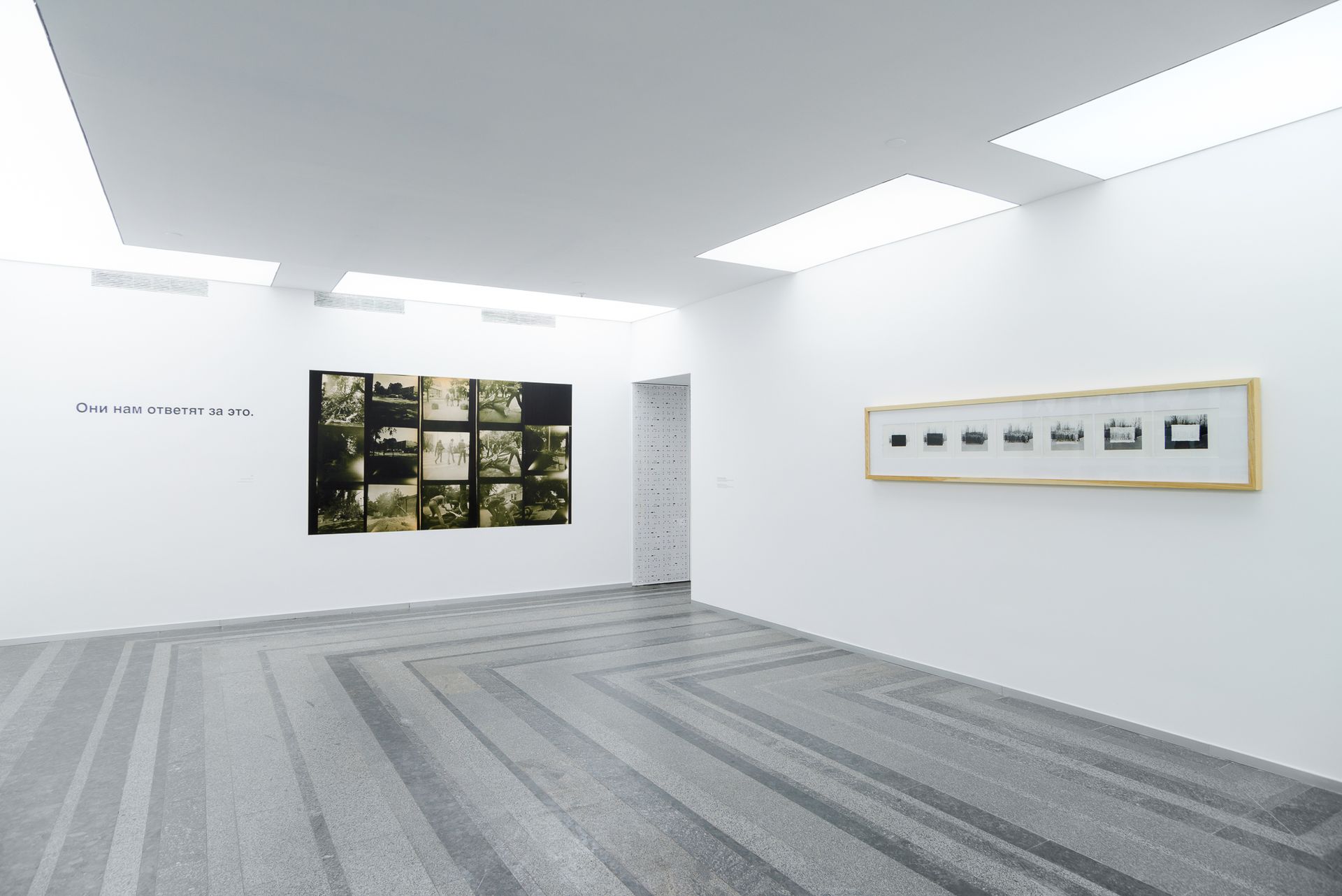
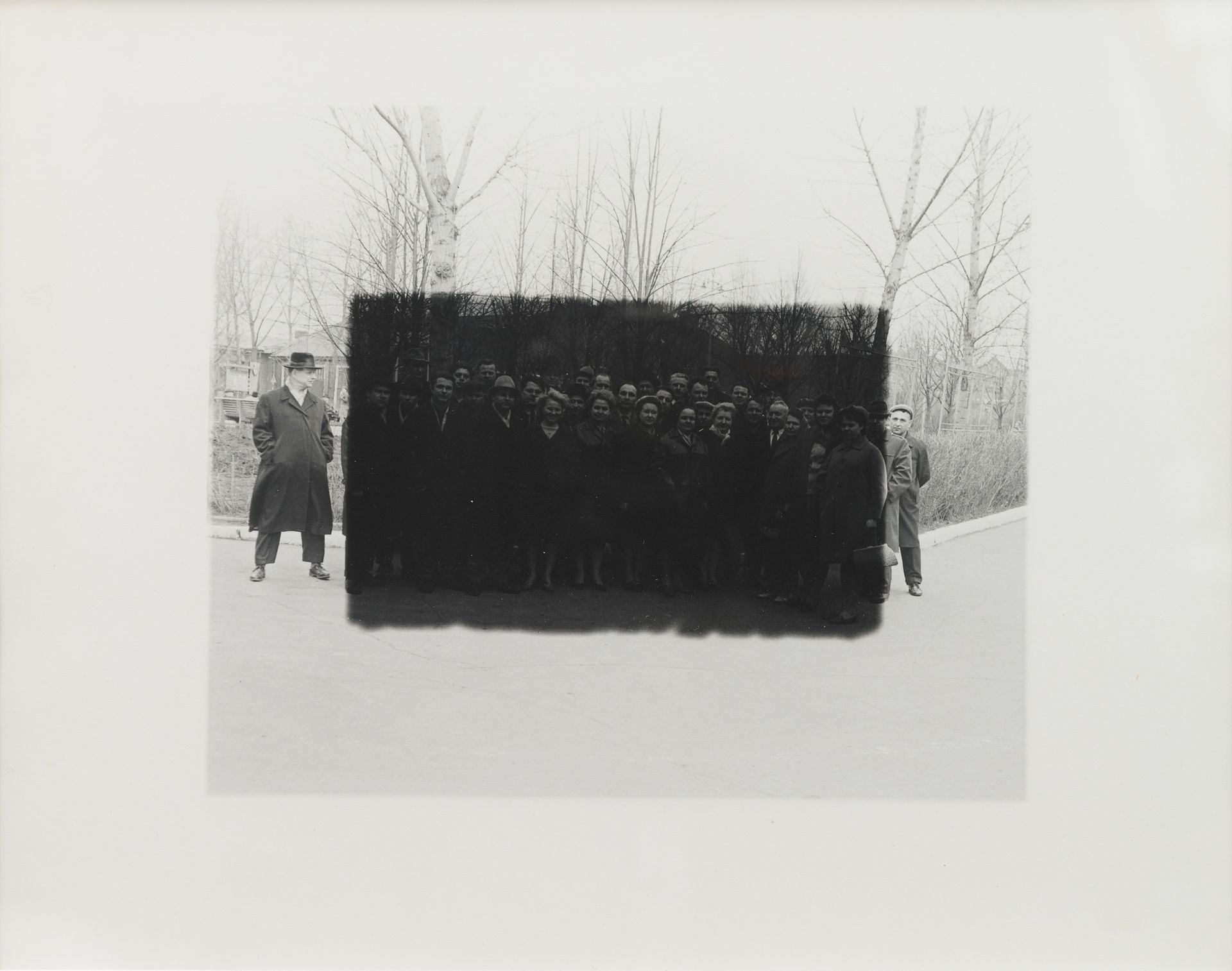
Yevhen Pavlov’s work “Eclipse,” presented in the first hall, is perceived as a preface. In the photograph, a group of people is highlighted in a square, and in each subsequent image, the square becomes darker, and the background lighter, until only a blind spot remains. This is how we perceive photographs of our parents taken “for memory” of a trip to Moscow for a tour or to a collective farm for practice, for example — memory gradually fades, and attempts to document one’s states make no sense.
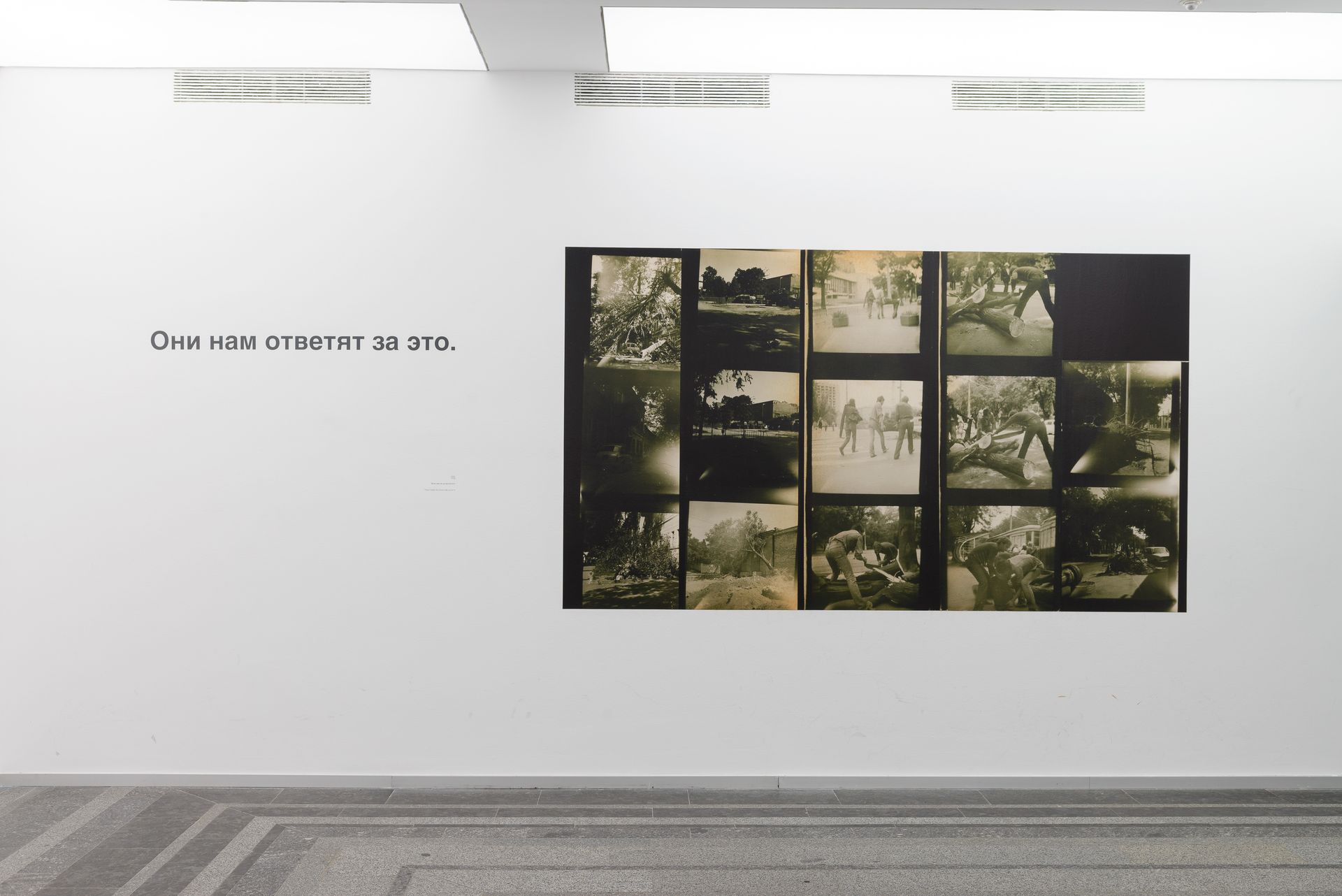
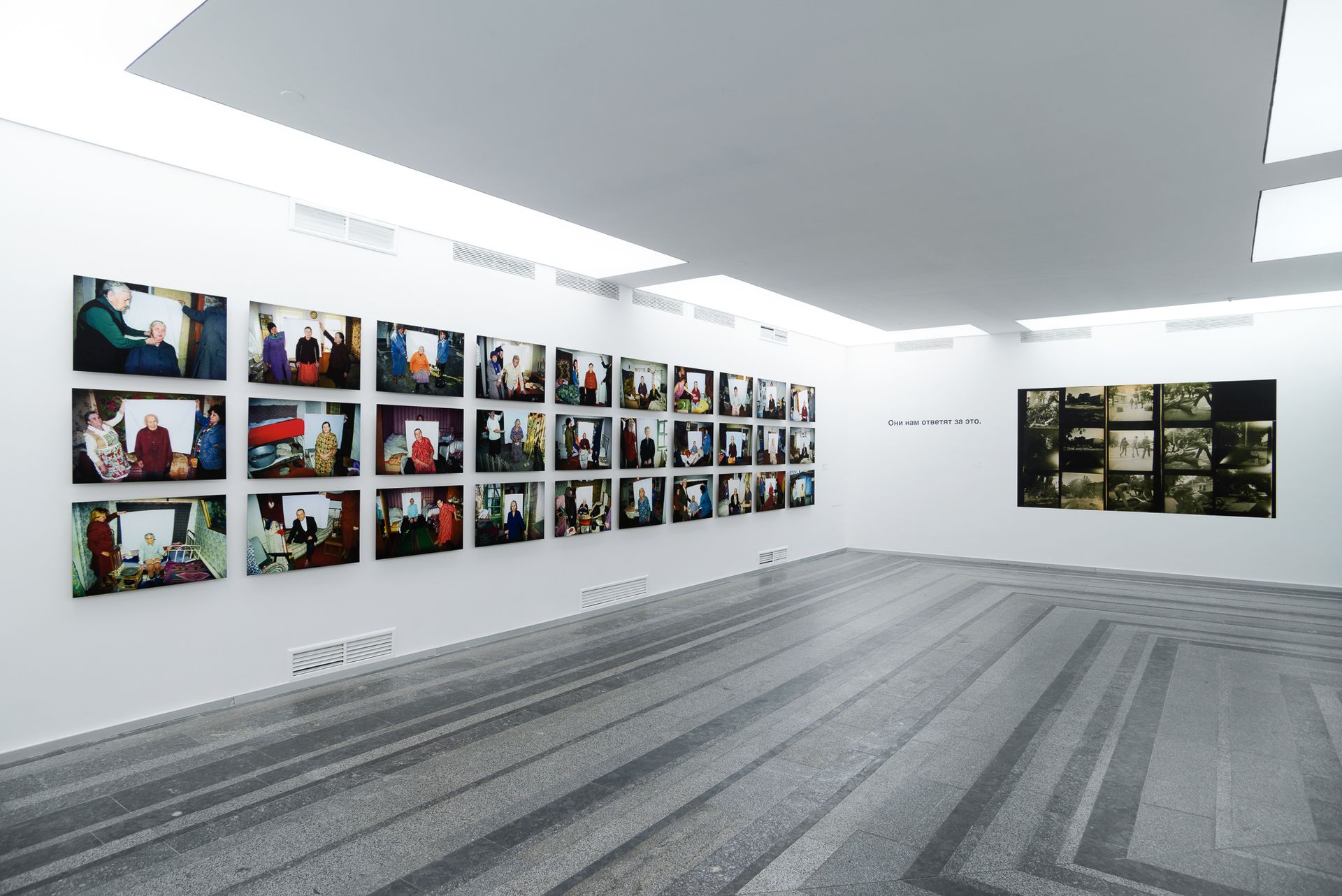
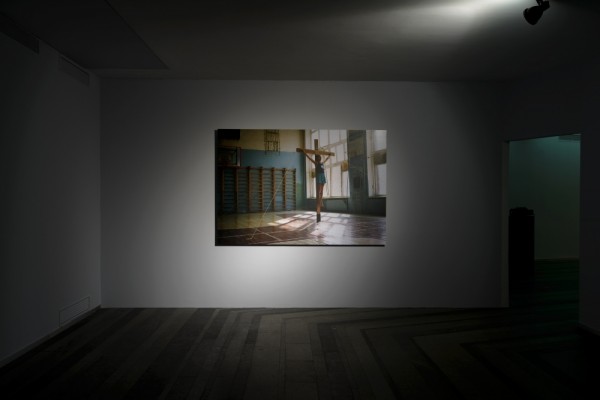
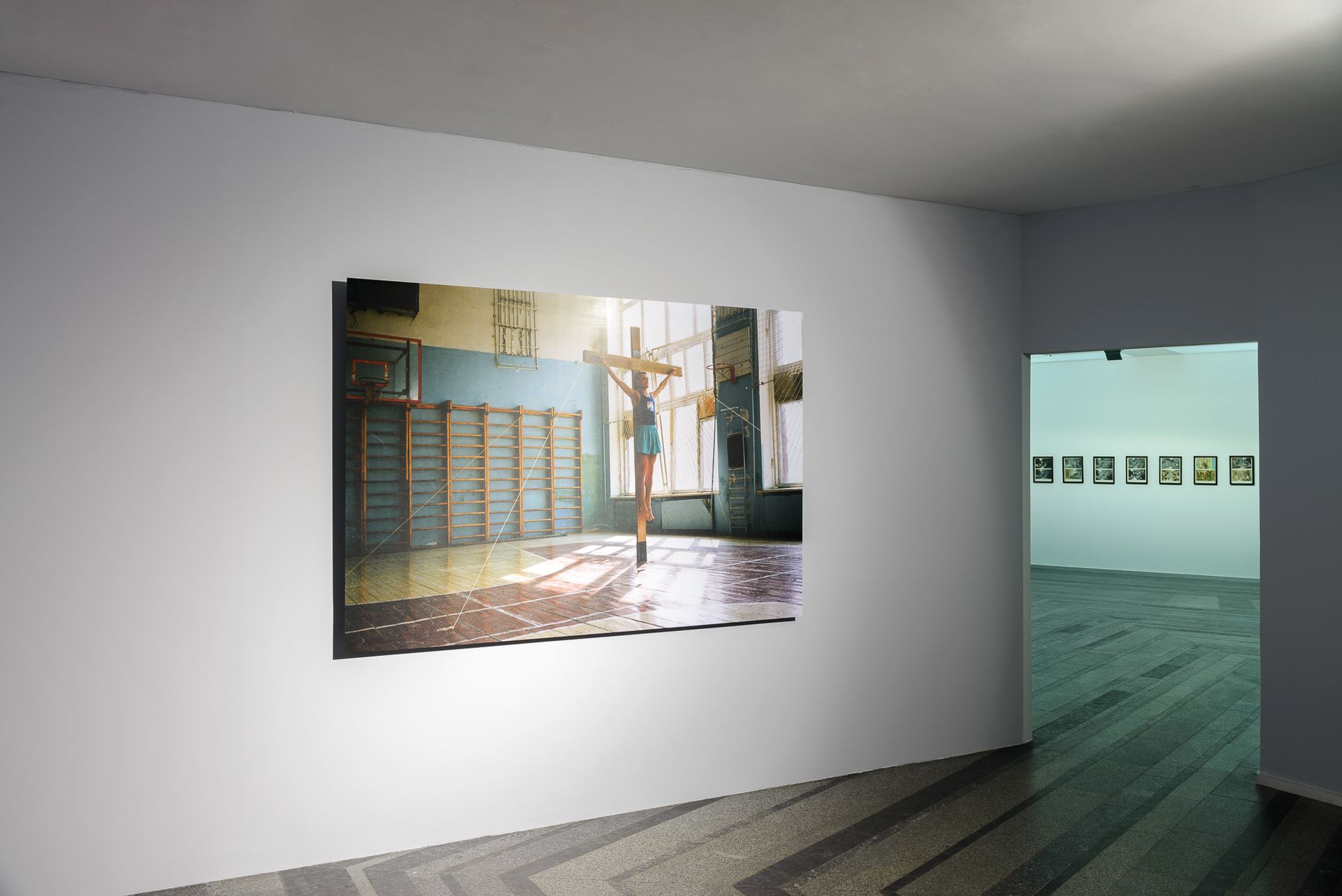
The exposition begins with photo documentation of Leonid Voitsekhov’s action “They will answer for this!” In 1984, a hurricane hit Odessa, destroying part of the city’s infrastructure. Reacting to it, artists held an action calling on an abstract “Someone” to answer for the destruction. This threat, aimed into the void as an awareness of one’s own powerlessness and inability to control one’s fate, when “they” must be held responsible for all troubles — an abstract substance living in human consciousness as something opposite to it.
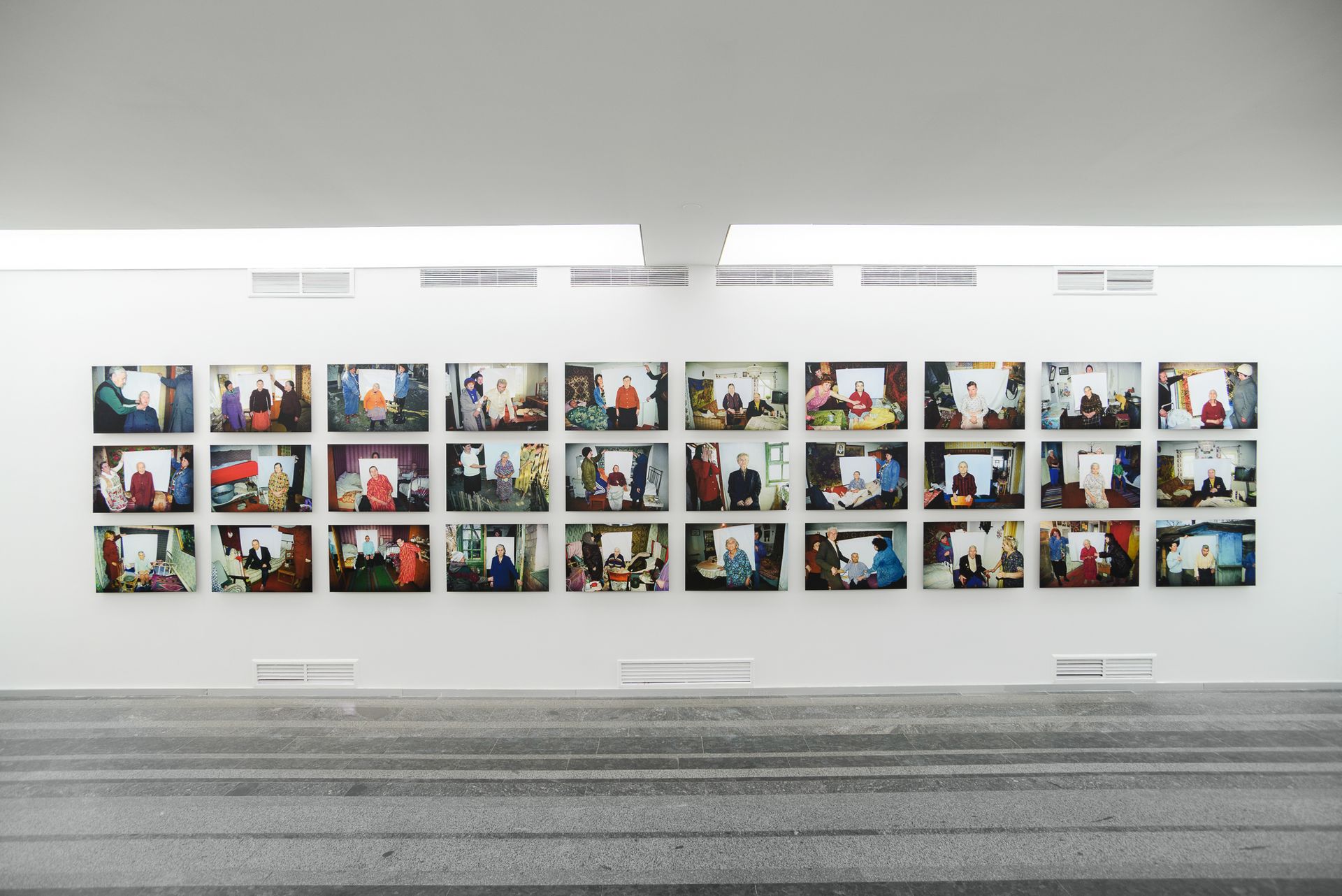
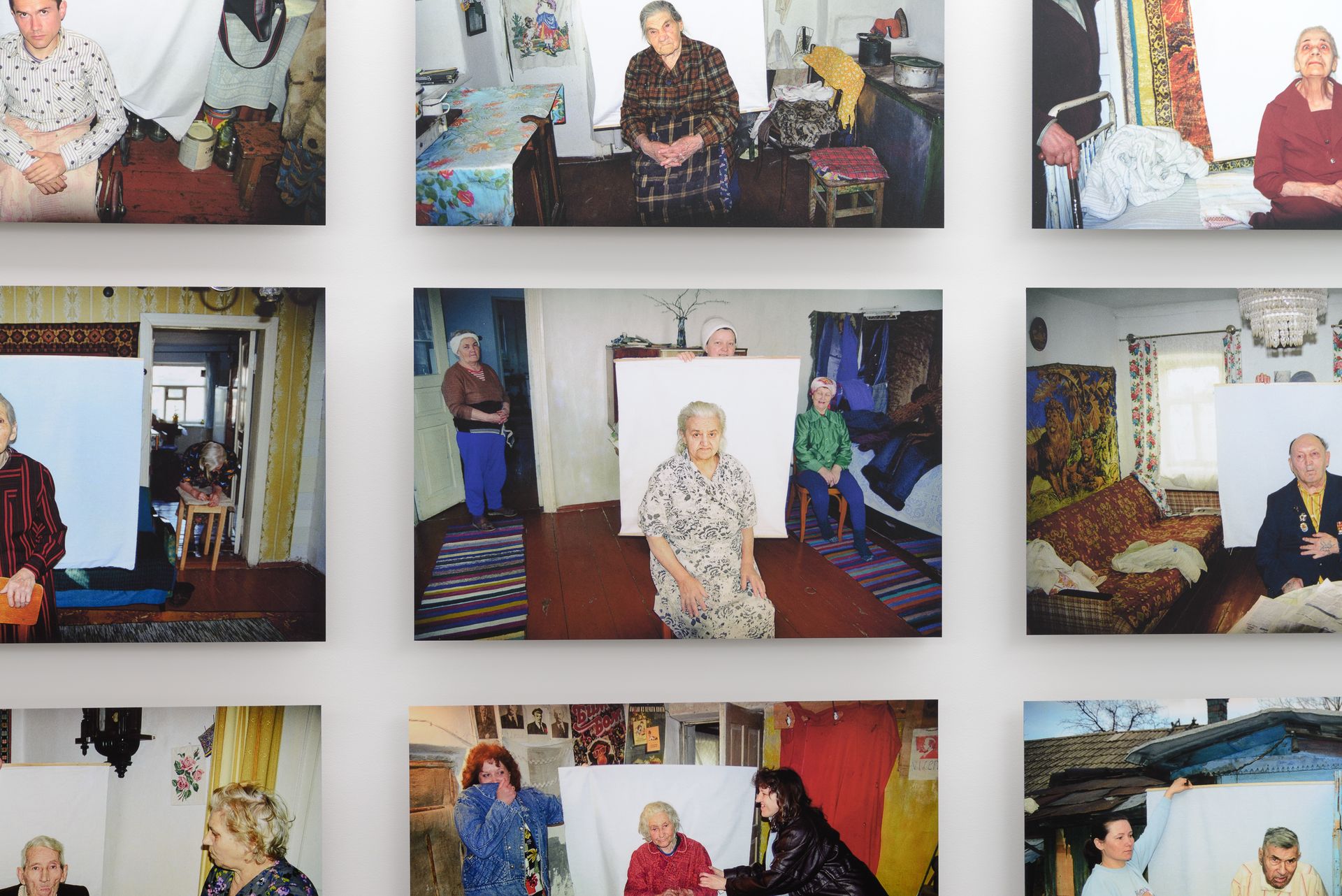
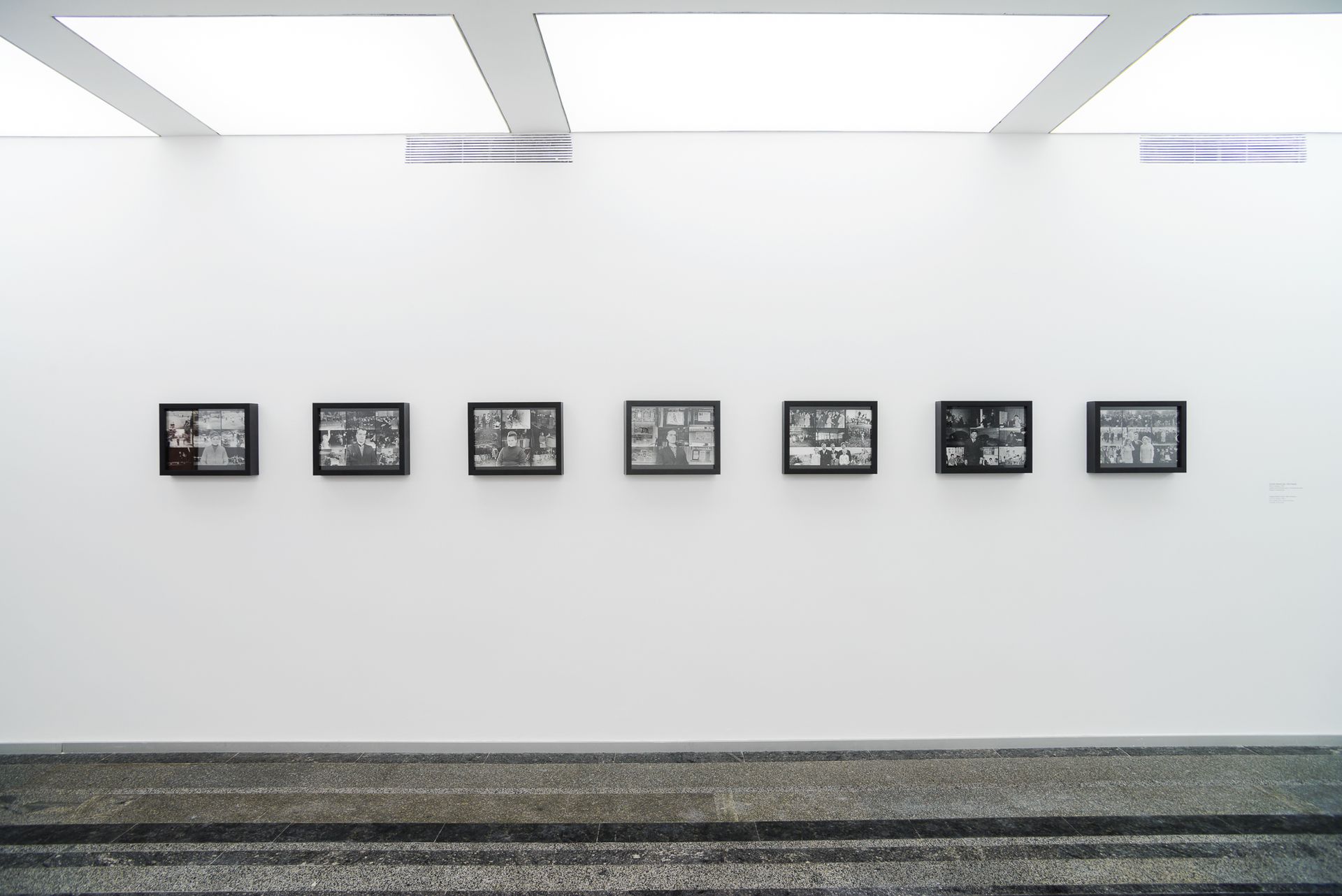
Next to it is a series of photographs by Oleksandr Chekmenov as one of the answers to the question of who “They” are — those people we almost never notice in reality. The series “Passport” was created in Luhansk in the mid-1990s during the change from Soviet documents to new Ukrainian samples. The photographer captured the process of photographing people who cannot leave their homes due to health conditions. The photos show the terrible living conditions they endure and the disgust of social workers who are actually on the same social level. Having become part of an independent democratic country, these “they” still remain in a ghetto naturally formed in any society.
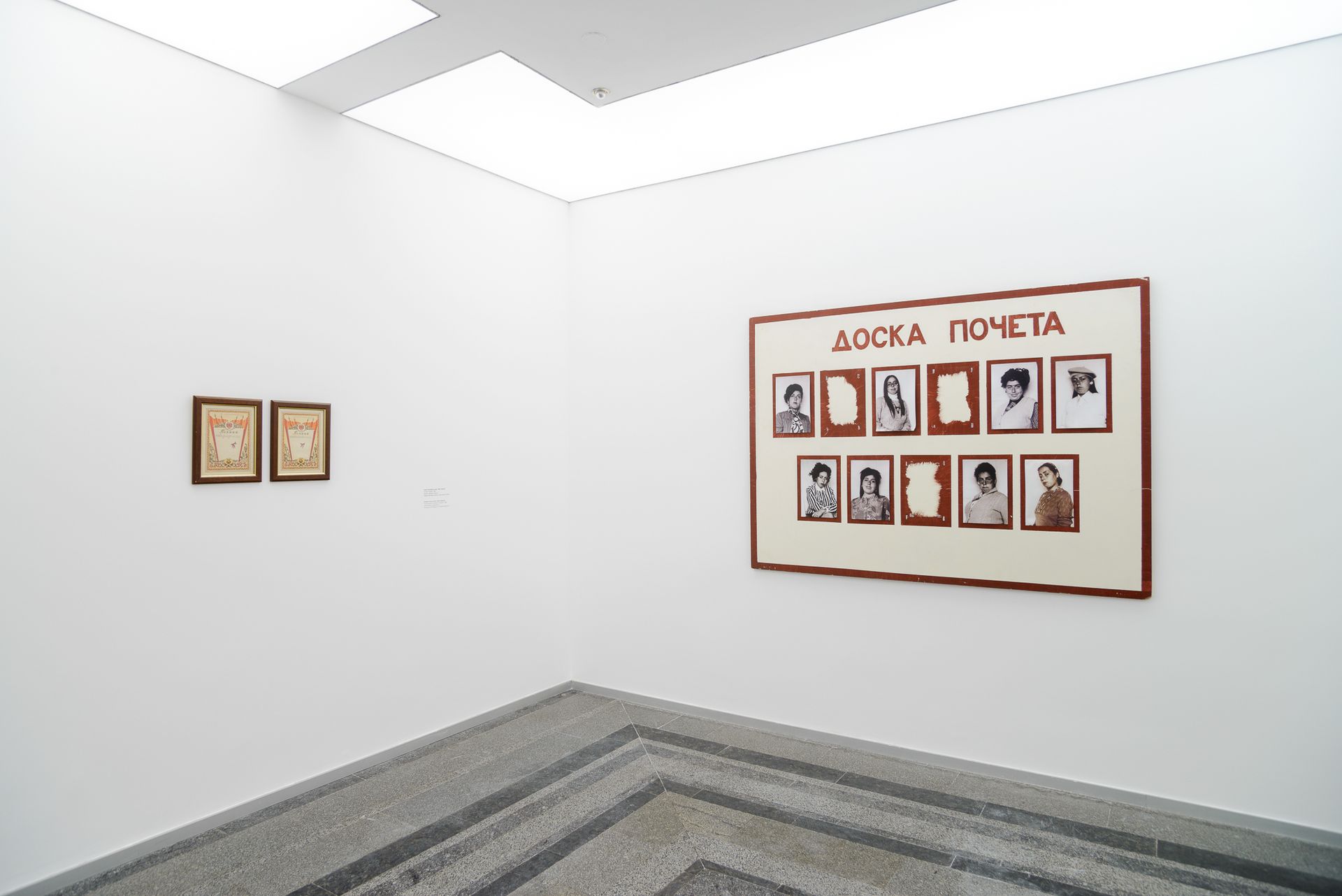
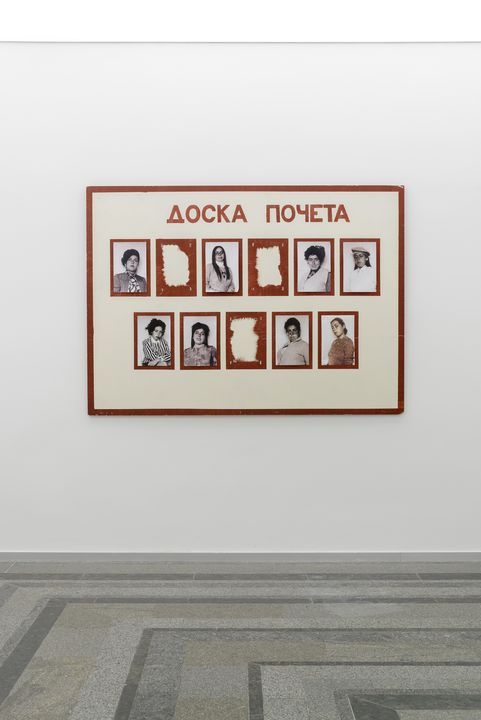
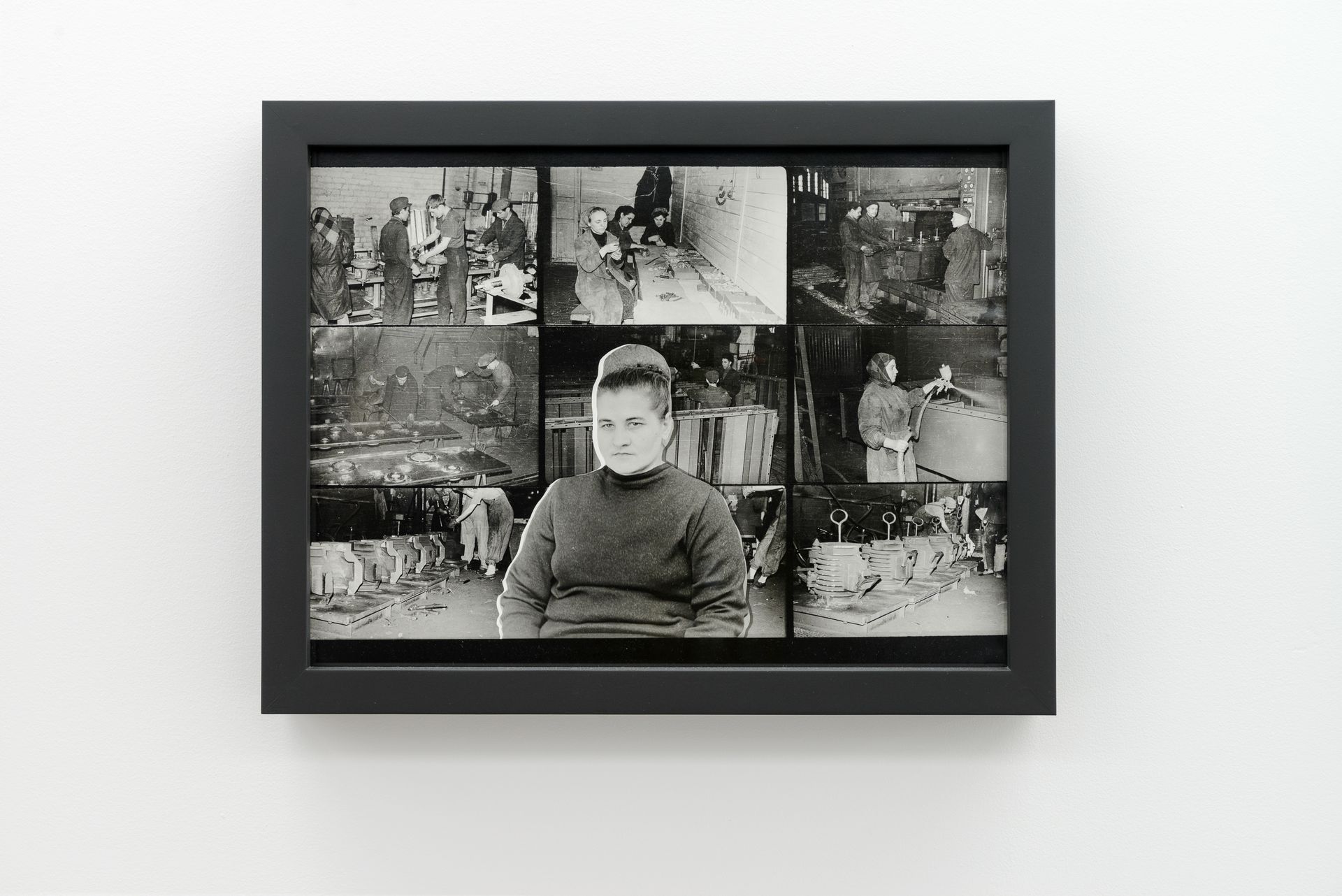
Then the viewer encounters the honor board — a place reserved only for leaders, those who managed to surpass the crowd in certain skills and become a recognizable Personality. In Soviet times, the opportunity to see one’s photo on the honor board could serve as a strong motivator for action. For the older generation, this was enough to feel their own success. But in Zhanna Kadyrova’s work, the same person appears in all photos — the artist herself. Kadyrova, with her characteristic self-irony, transforms into various typical images. It always looks funny when you see how seriously ordinary people cling to opportunities to rise above others and live their 15 minutes of fame. On one hand, the artist shows how ridiculous we look in this race, and on the other, how the attributes of past success have been devalued.
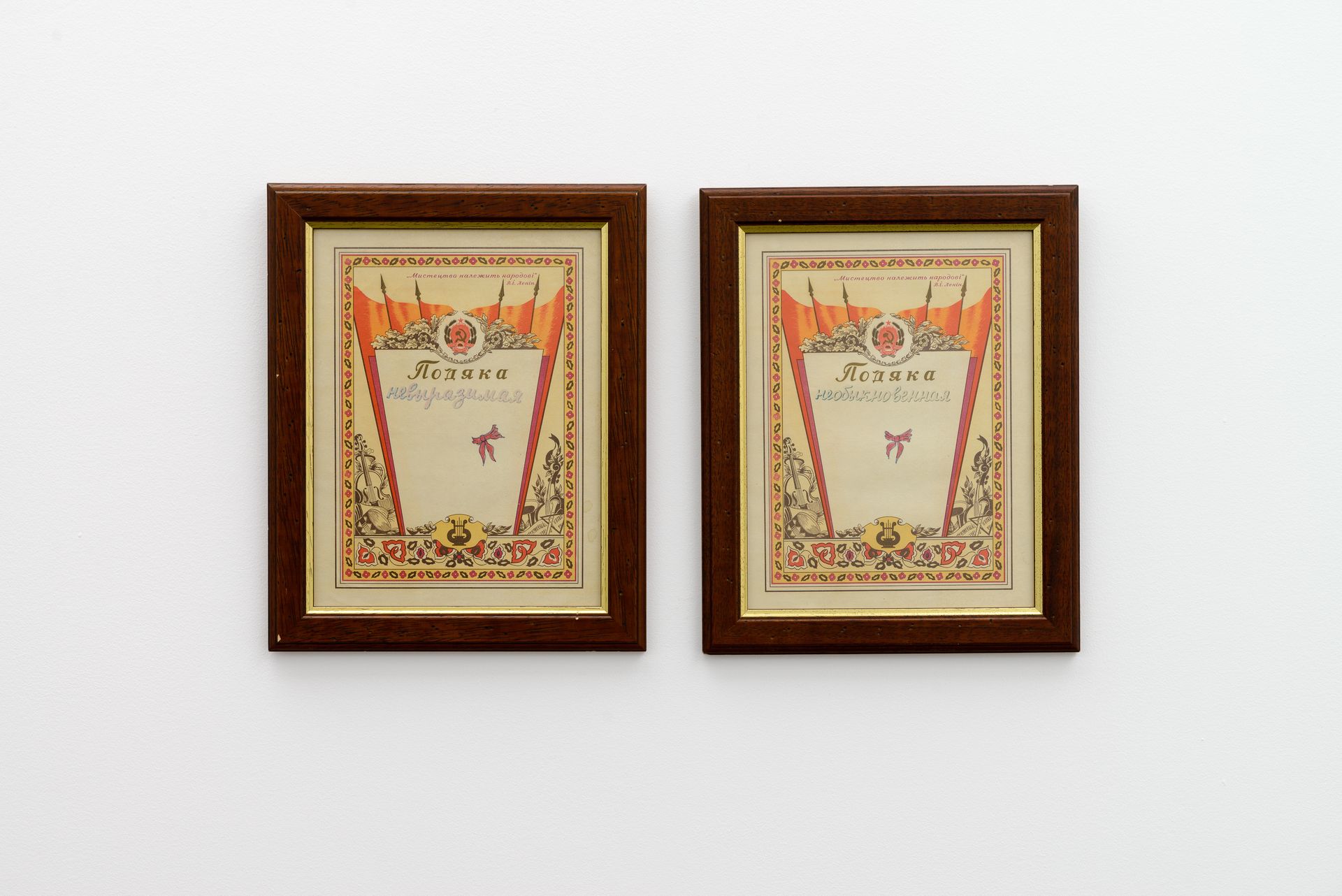
In Serhiy Anufriyev’s work “Gratitude,” the theme of uncertainty and lack of self-identification continues. Such letters of thanks were given as encouragement, but now these certificates look like silent reproaches. “Unspeakable” and “Unusual” gratitude — words about nothing, carrying neither qualitative nor quantitative definitions.
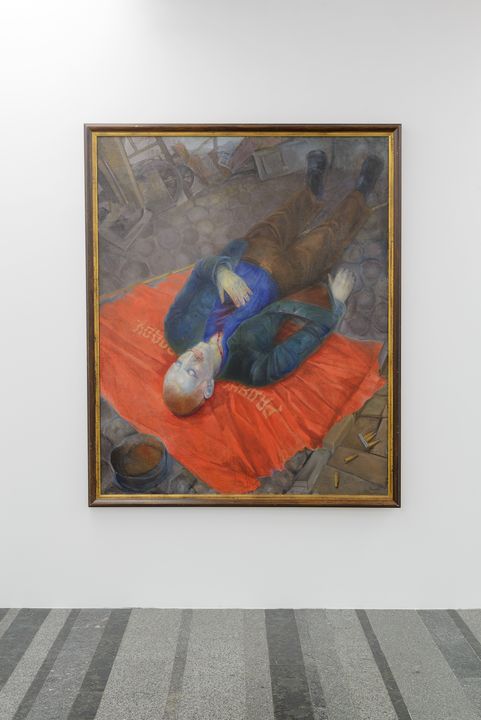
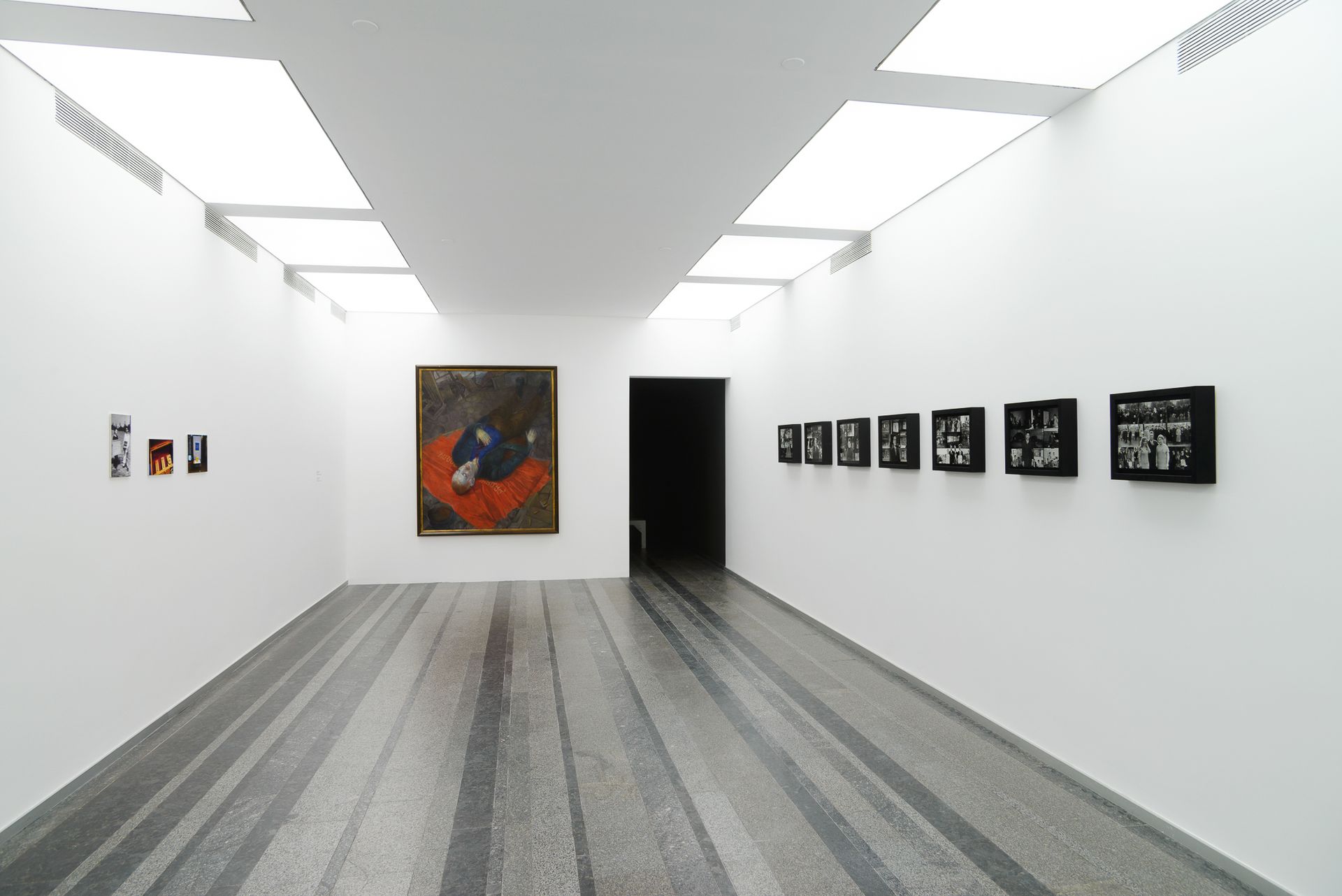
In the first part of the exhibition, we see that attempts to make everyone equal led to total depersonalization. This is a story where it is impossible to see the difference between what was and what has become. Anonymity evokes a sense of amorphousness, and Viktor Palmov’s painting “For the Power of the Soviets” (1927), where a dead revolutionary is depicted on a red flag, is perceived as an affirmative sign, and in it death is the inevitable result and the only thing that does not cause doubt.
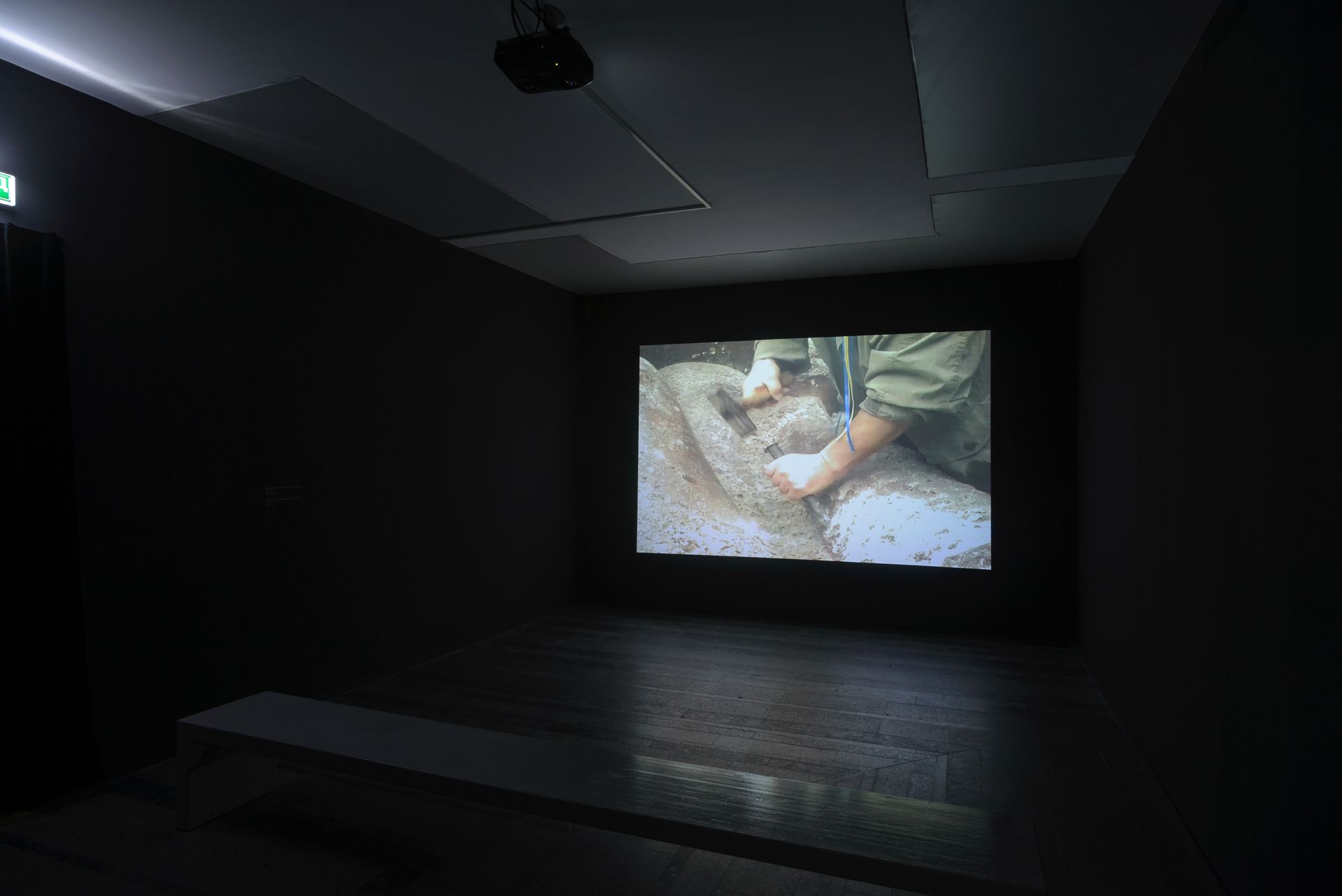
In Serhiy Popov’s video, where protesters destroy a Lenin monument, a semantic shift occurs when the crowd defeats old idols by dismantling it into souvenirs. What threat does the stone block, shaped by the sculptor, carry? Essentially, such an act is entirely rational, but it is obvious that this collective ritual has the power to influence the masses, awakening deep human instincts.
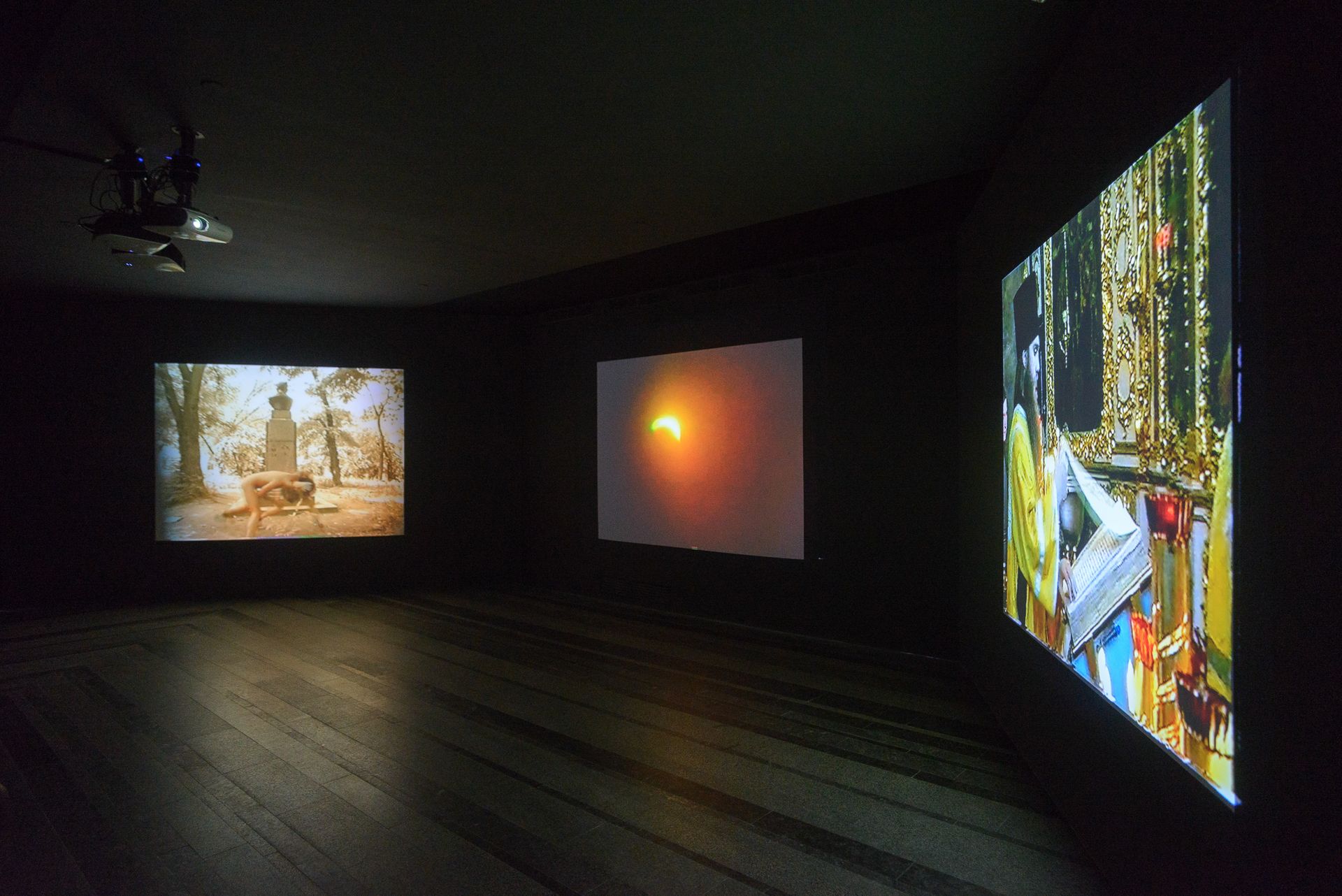
Oleksandr Roitburd’s three-channel video “Balkan Ritual Music” creates a mystical and somewhat eerie atmosphere — the same feeling evoked by superstitions and religious rites. Here again, primal human instincts are revealed, from which it is impossible to escape. Only sublimation remains. The image of a person with a monkey’s head aptly characterizes modern society, whose thoughts are directed toward satisfying animal needs despite all intellectual and technological achievements of humanity.
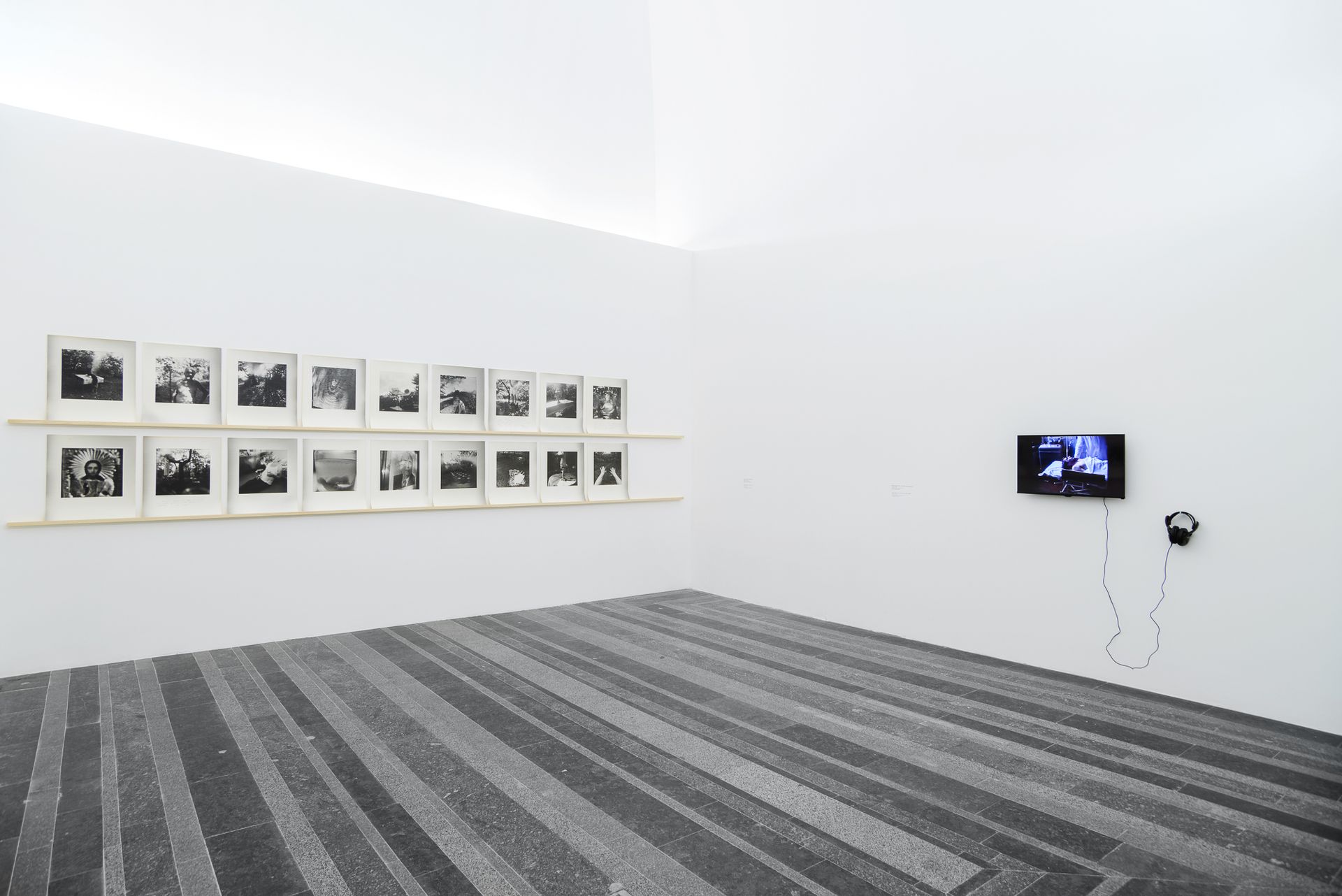
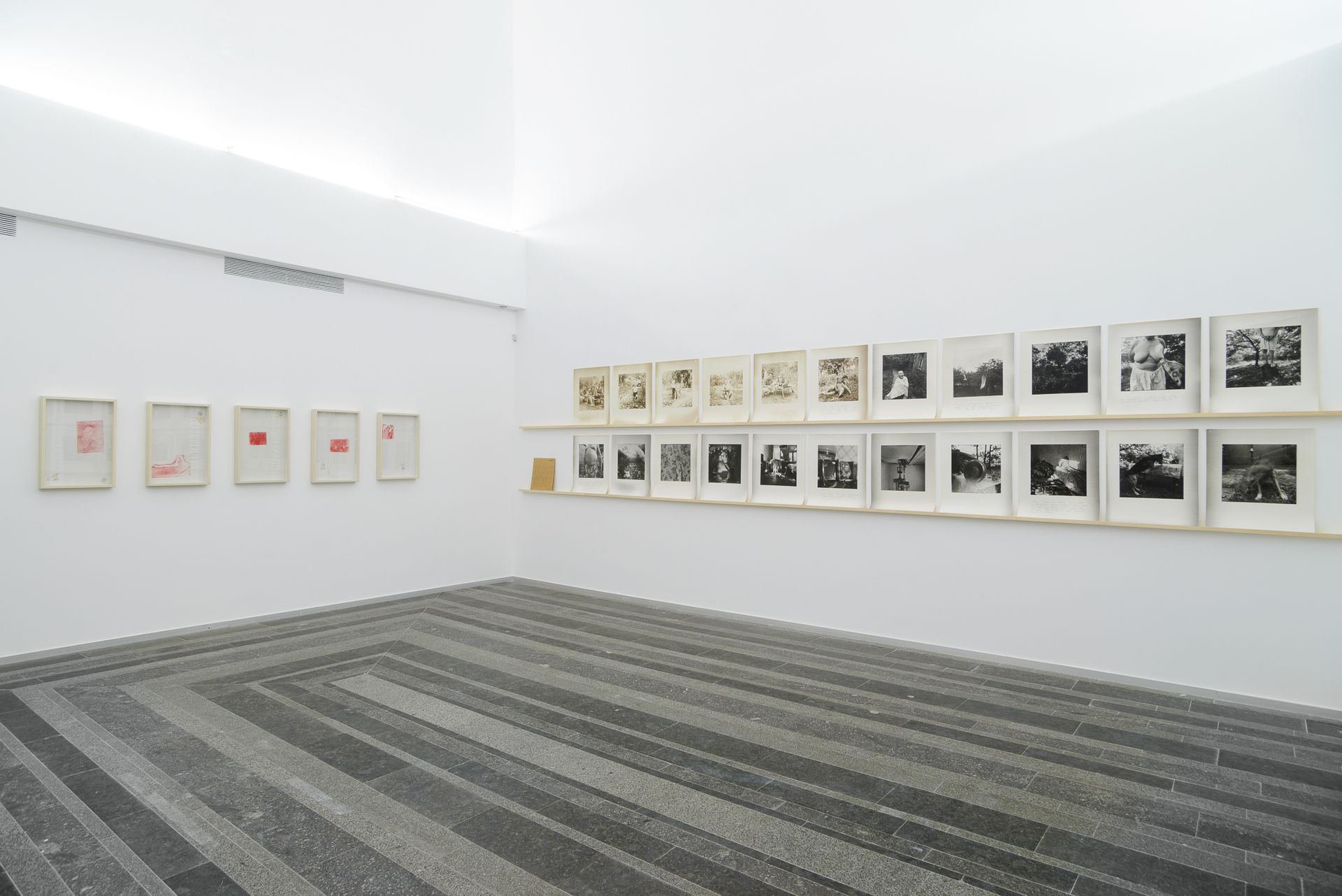
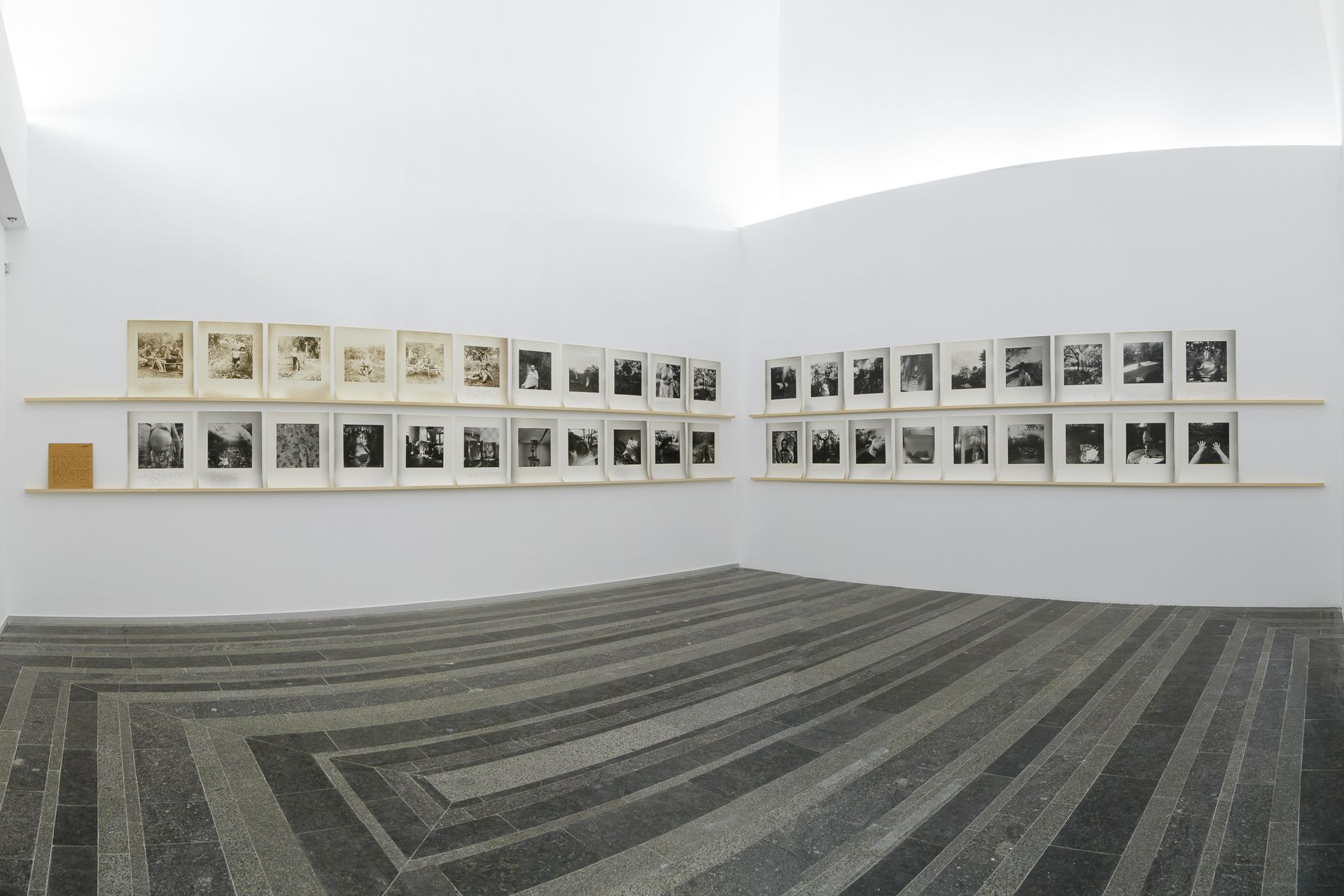
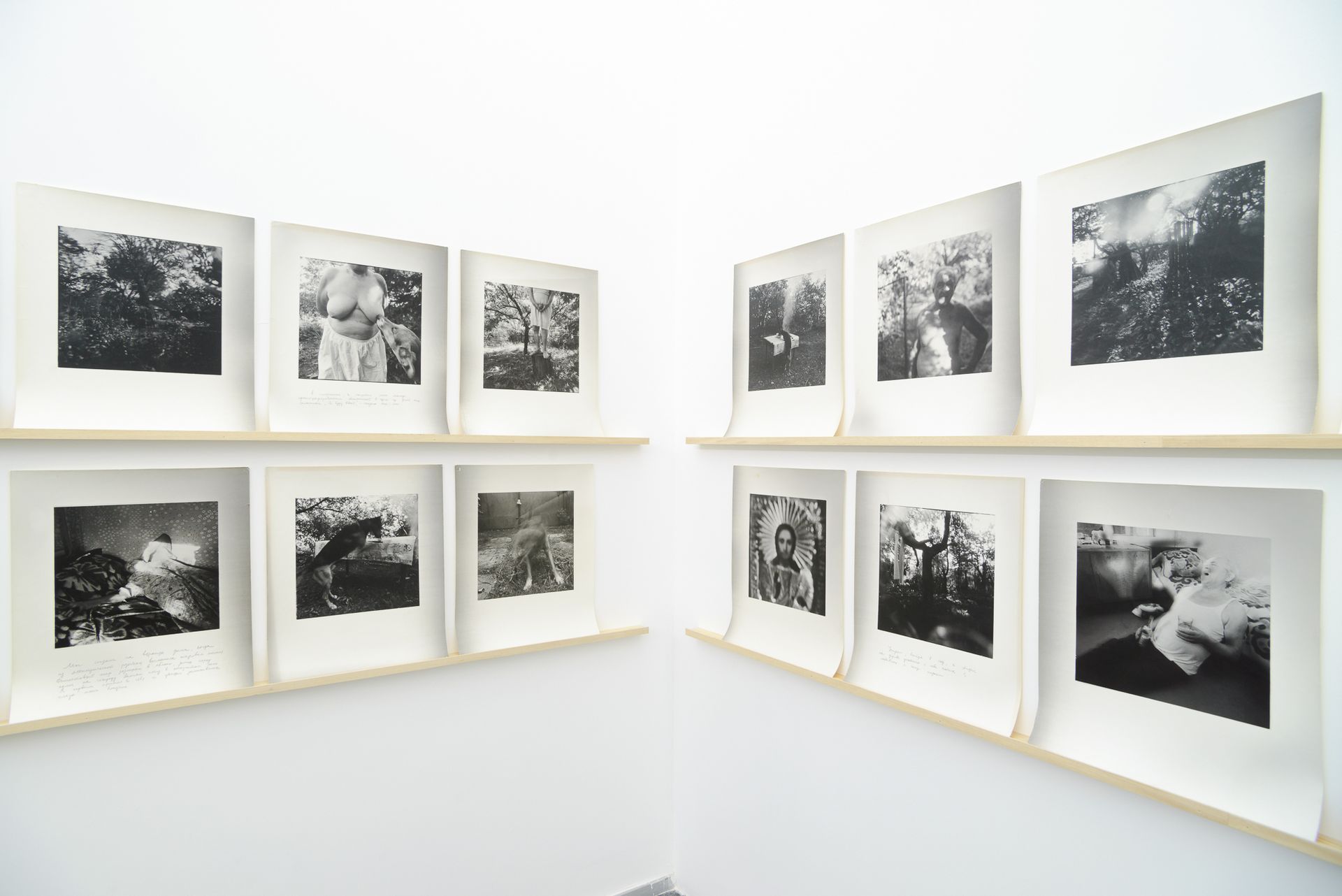
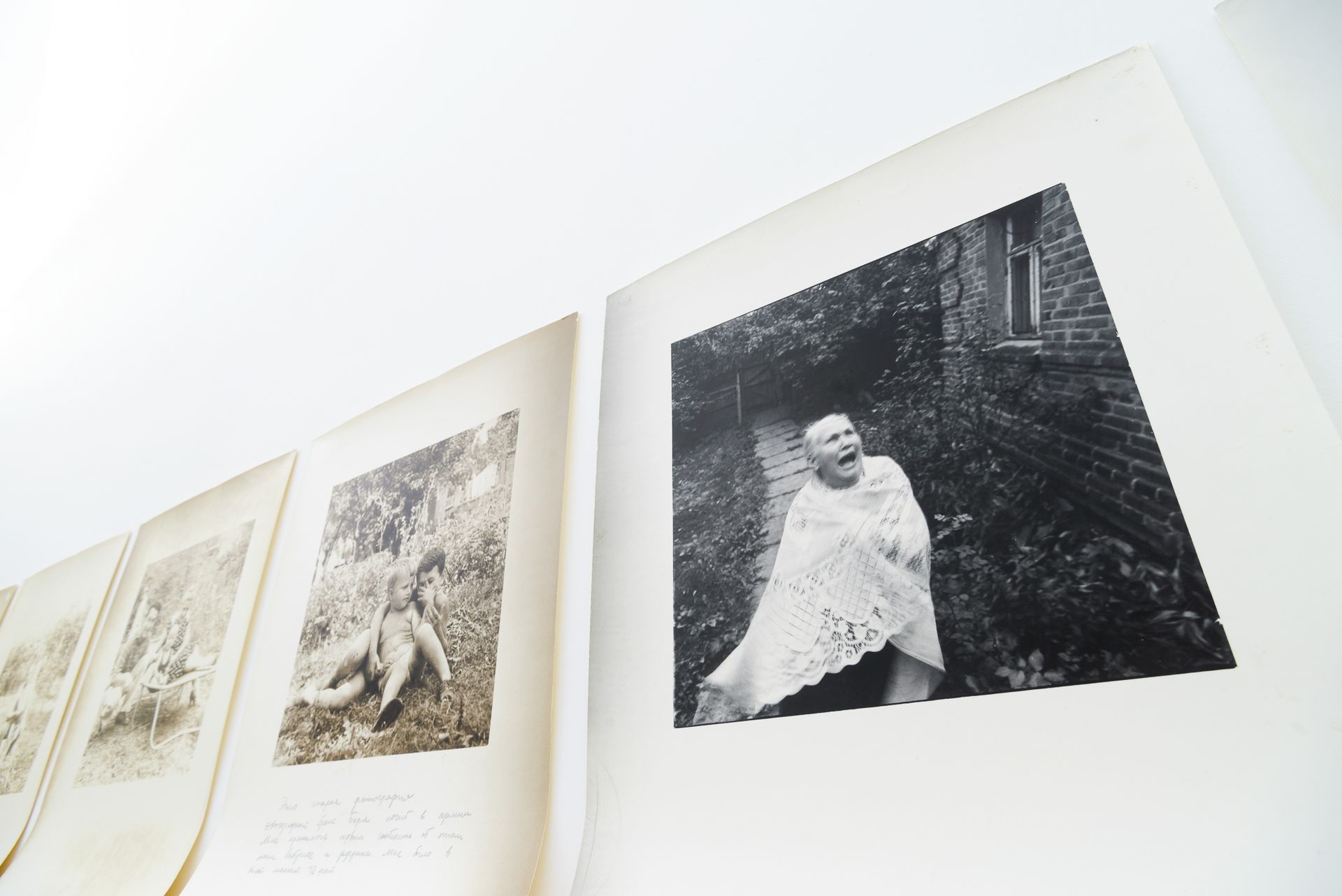
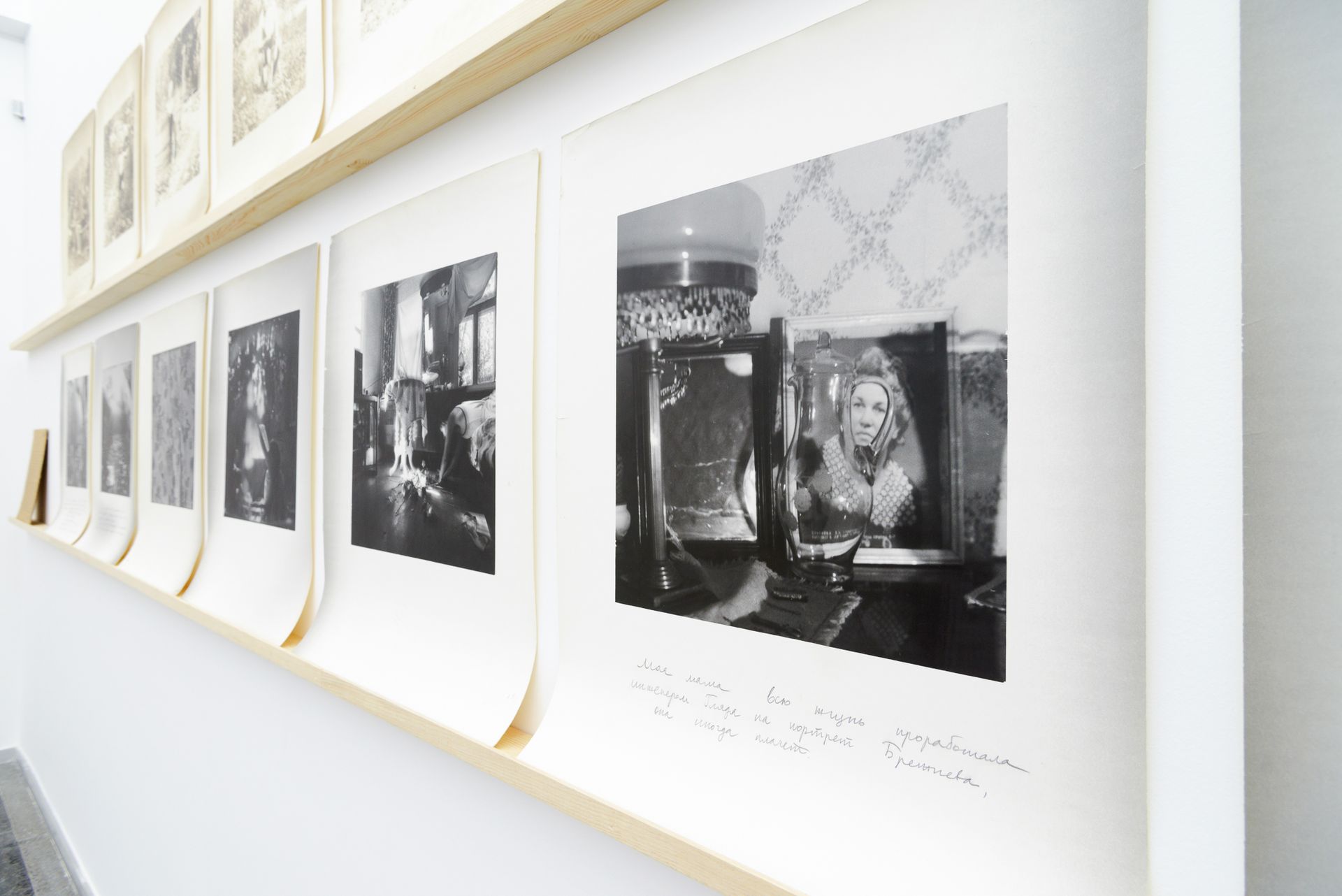
After “Balkan Ritual Music,” the hall with works by Serhiy Bratkov, Kyrylo Protsenko, and Vasyl Tsagolov feels so spacious and bright — evoking a sense of relief. This hall is like an appendix in the overall exposition; it resembles granaries where tender memories of childhood, relatives, and places where it was once good are stored. Bratkov’s photo series “No Paradise” is dedicated to the author’s parents’ garden. The photos are accompanied by memories of their family’s life in a country house. Sunny reflections in sepia, cozy interiors, portraits of parents, short notes about events valuable only to family members — this is how our memories of the past exist. But in the most touching moments, destruction, death, broken fates always intrude — a harsh reality from which it is impossible to hide.
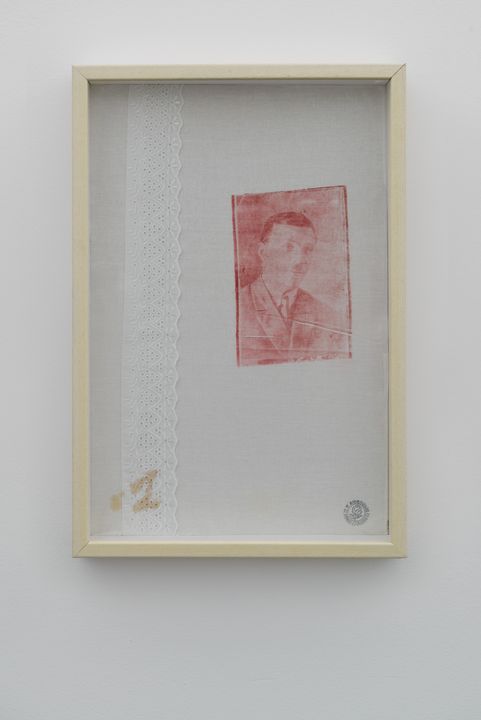
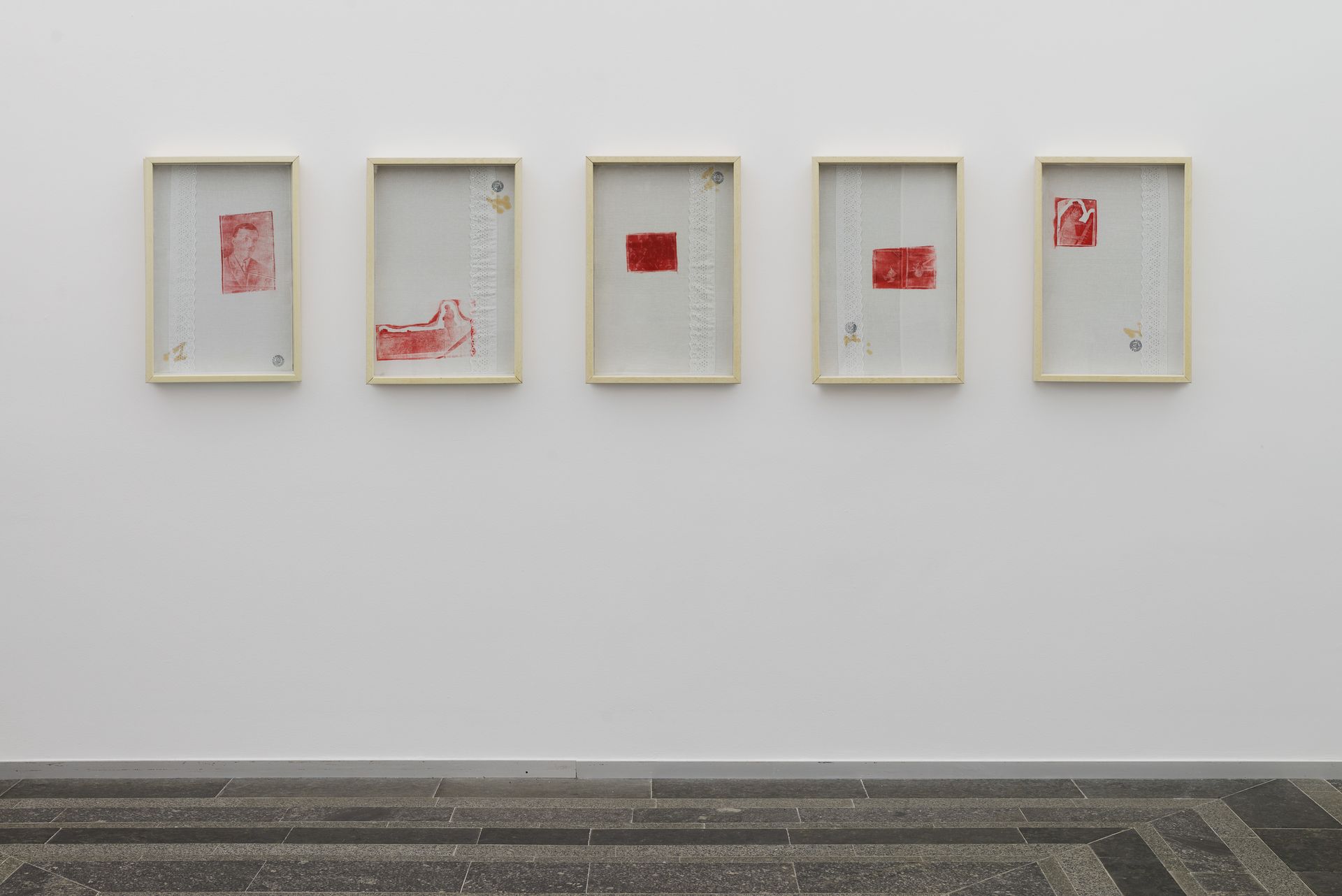
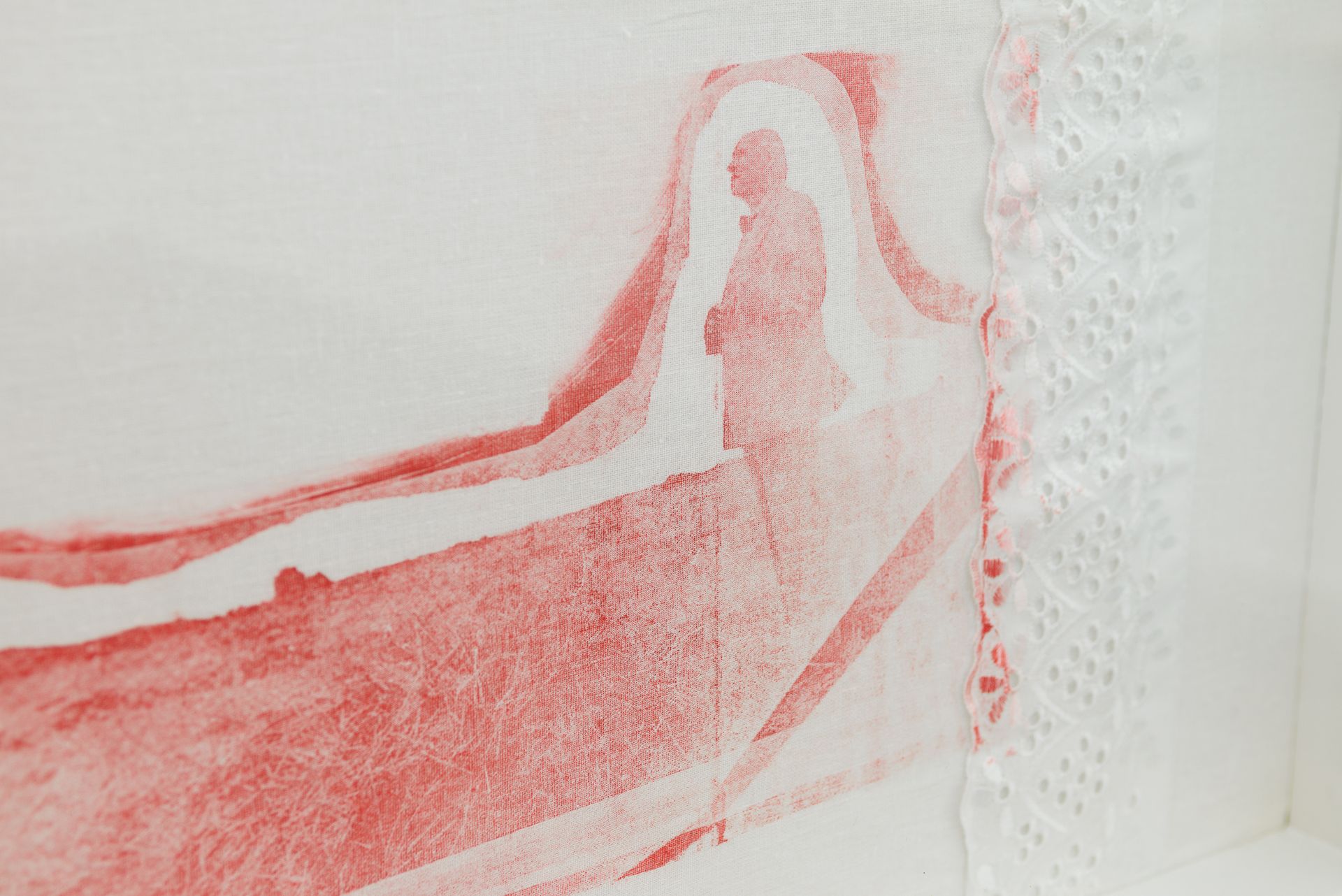
Kyrylo Protsenko’s work “White Spots” symbolizes some kind of “social consumption.” The red color of the stamps evokes an analogy with blood on sheets during the first wedding night; the shape of the spots resembles Soviet stamps on linen, textiles, and everything that was communal.
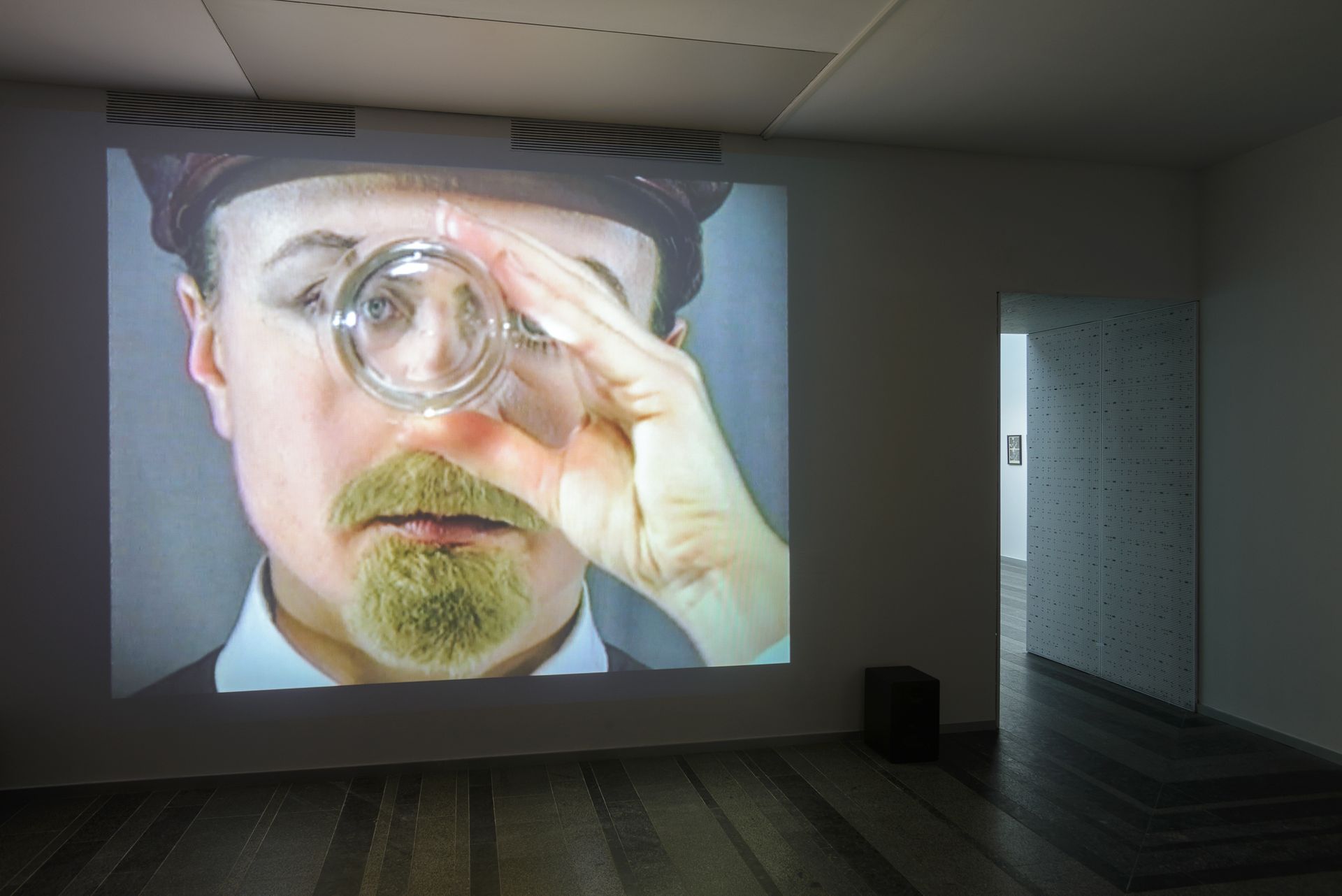
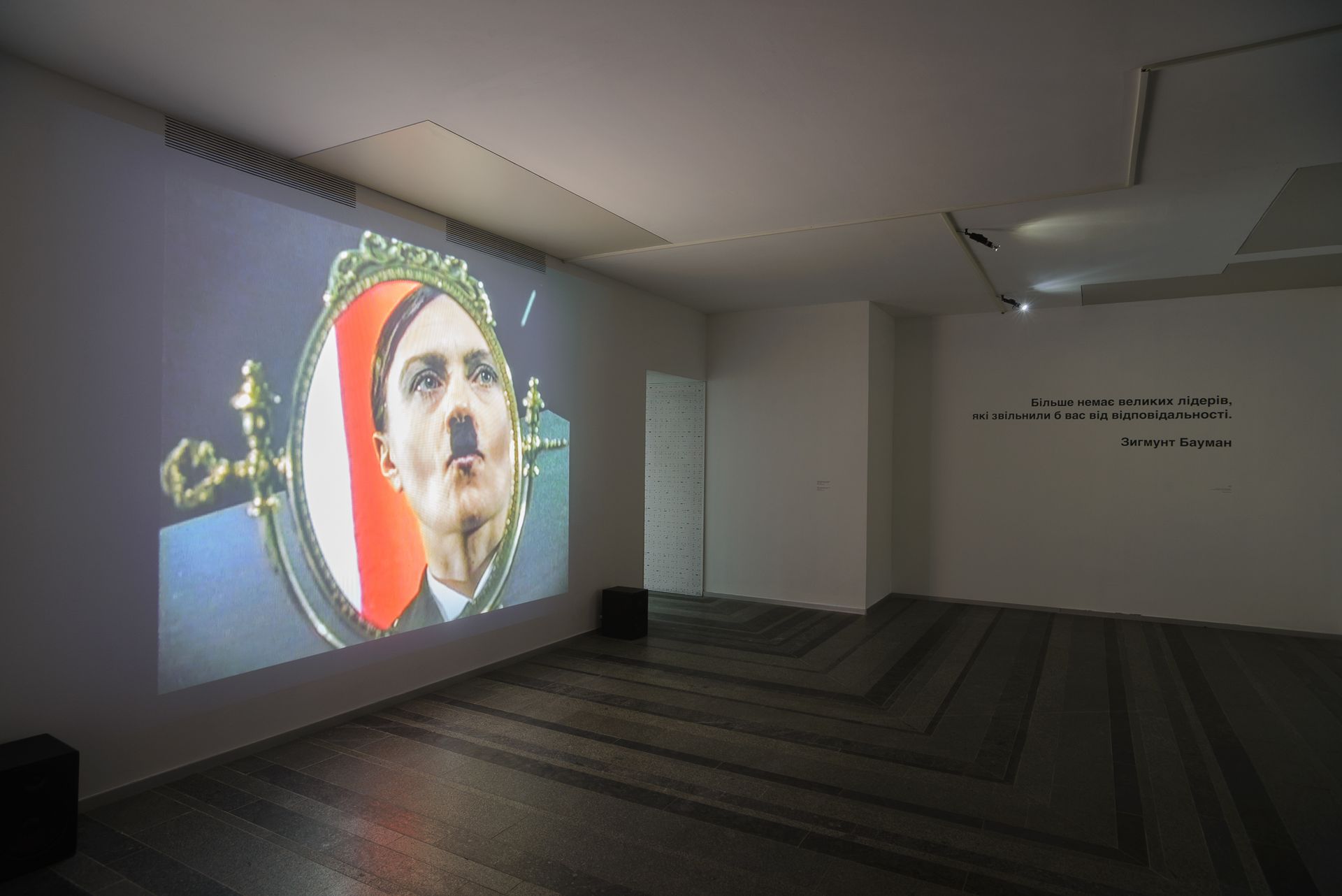
Society has the unique property of remaining unchanged in essence while being in a state of constant change. In her video, Oksana Chepelyk “Leaders’ Favorite Toys” raises the main issues troubling our generation: gender, sexuality, totalitarianism, web technologies, scientific progress, politics. The artist transforms into Lenin, Hitler, and Einstein, using “parts” of soft toys as the finishing element of her images, for example, a teddy bear’s ear for Hitler’s mustache or a dog’s scalp for Einstein’s hairstyle. The video is accompanied by quotes about childhood sexuality from Freud’s “Three Essays” — after all, as is known, all passions are formed in childhood. The second part of the work is a video recording of the interactive installation “Piece of Shit,” where the artist laid out the word “Policy” with moose droppings — a metaphor that politics is a dirty business. When participants changed one letter, they got the word “Police.” Various words starting with W flash between them, but the key ones are war and web. Now a new format of war is possible in the conditions of the worldwide web, and this war is no less destructive. The work was created in 1998 and contains all the fears of a society that 20 years later remains in a state of frustration.
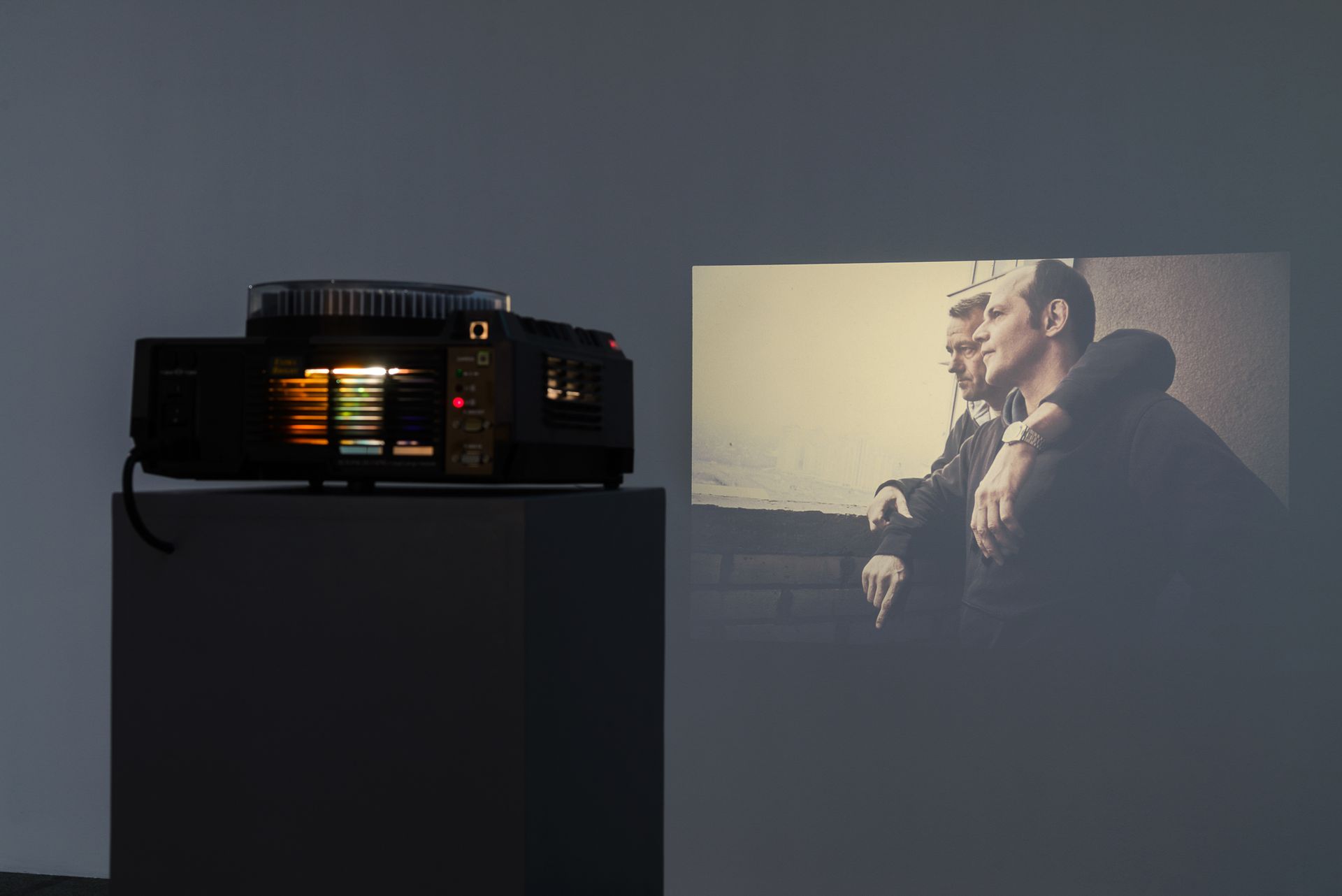
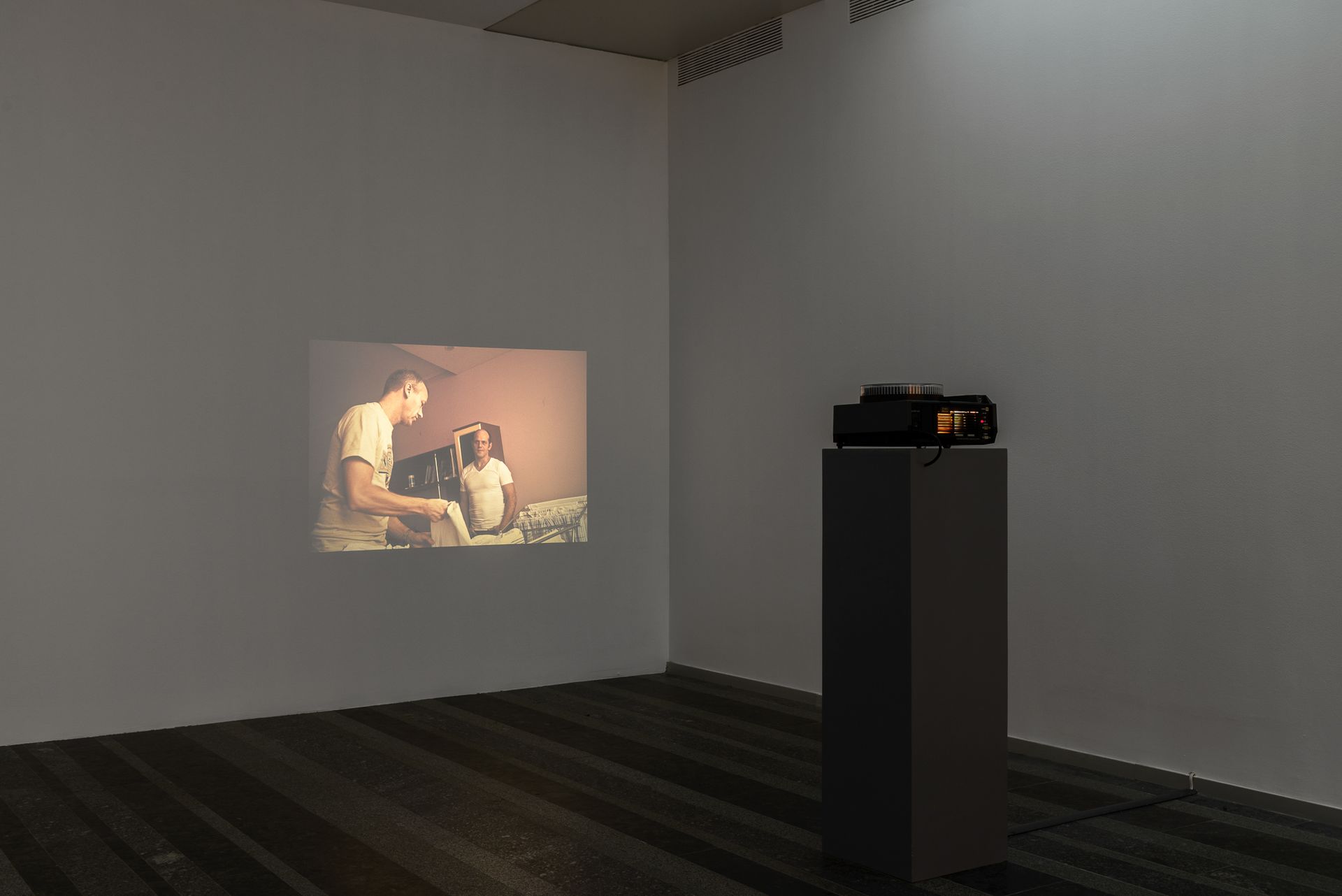
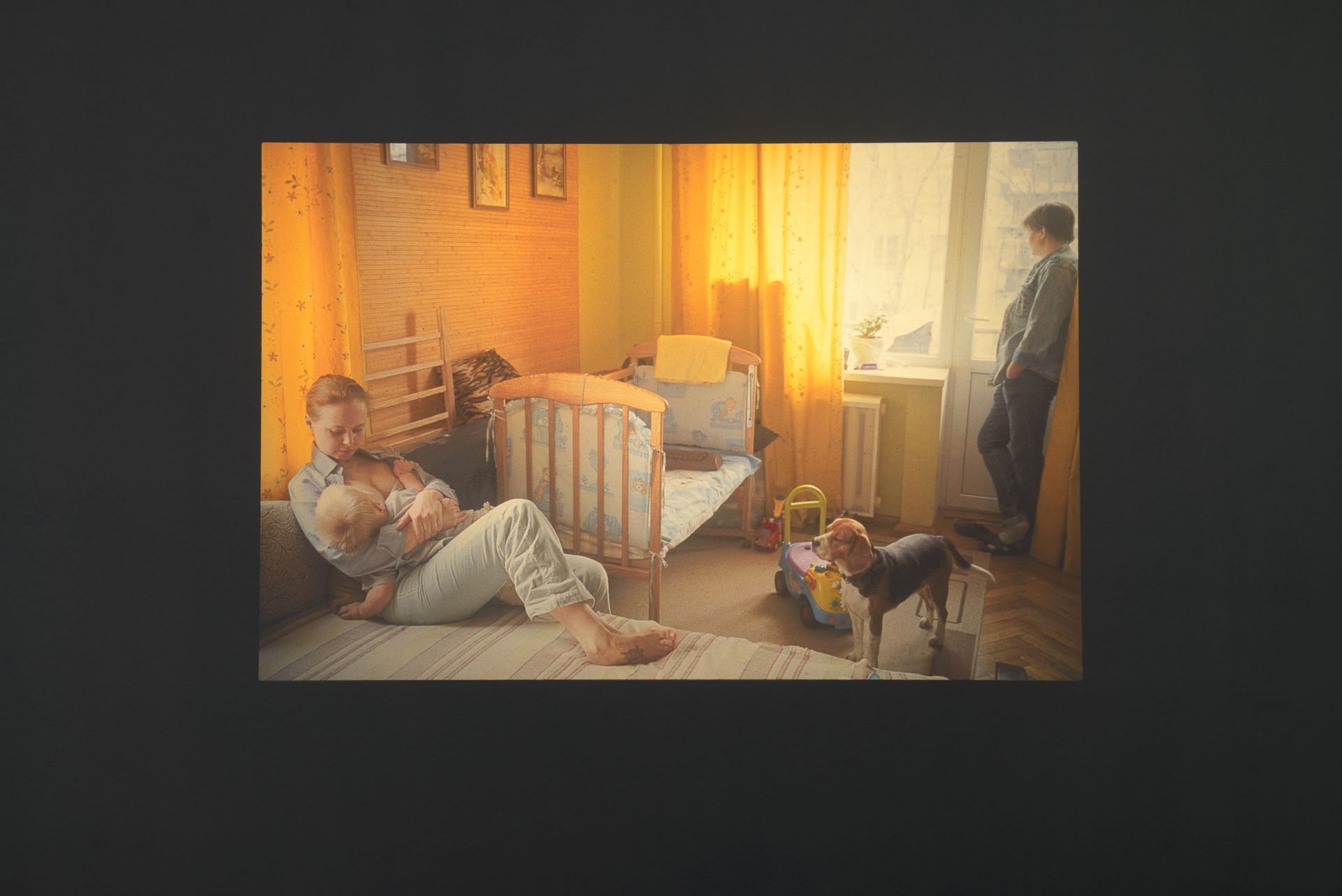
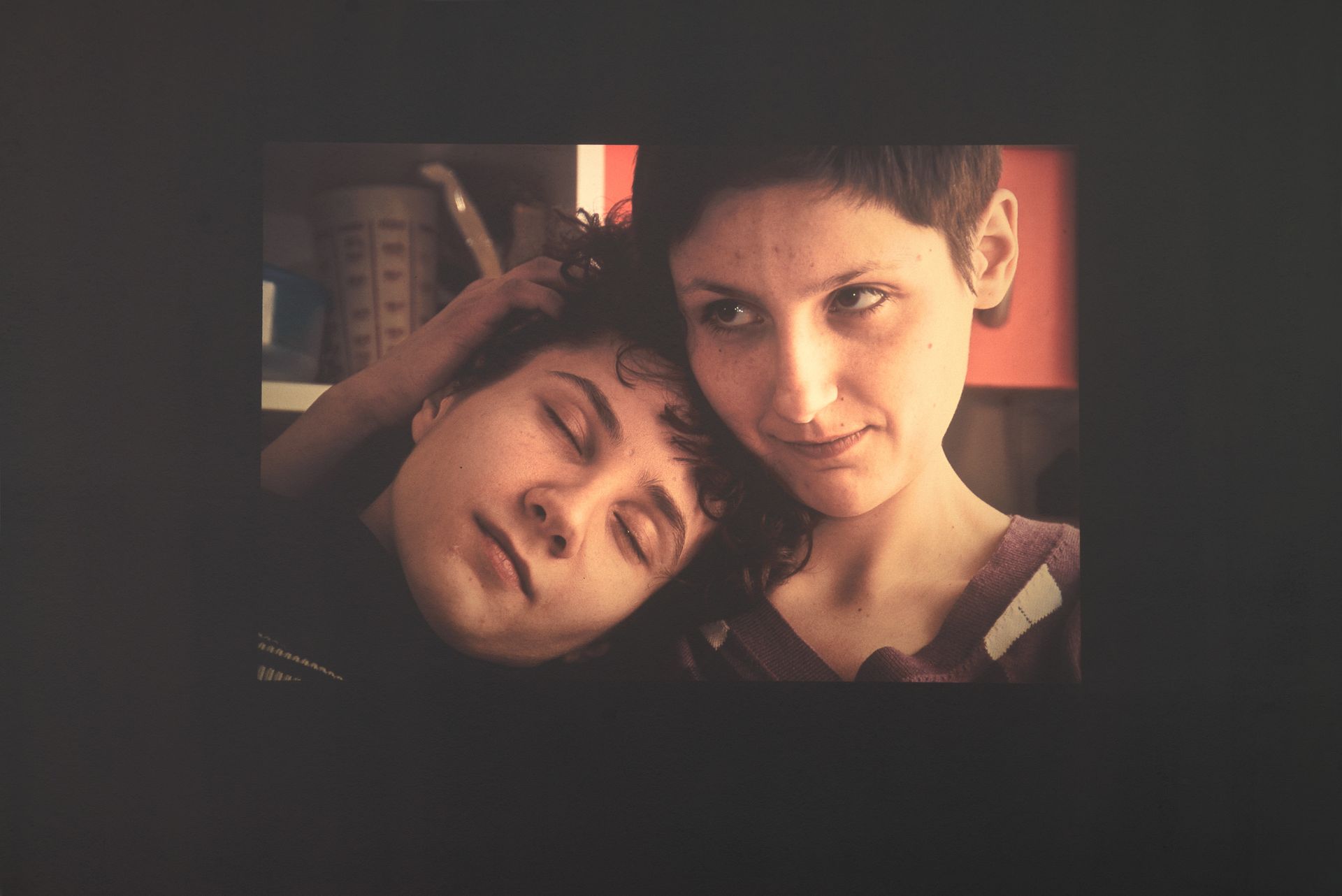
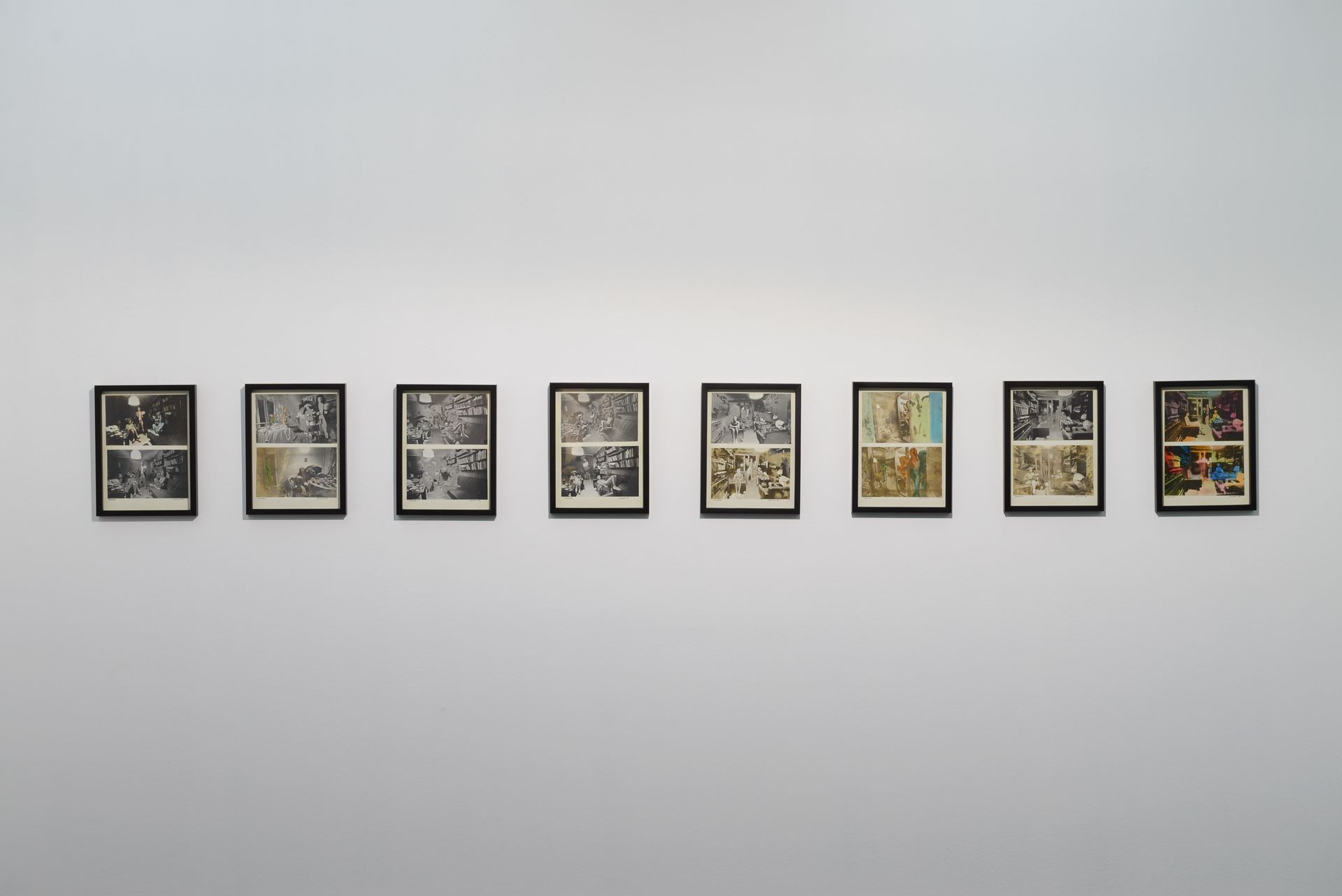
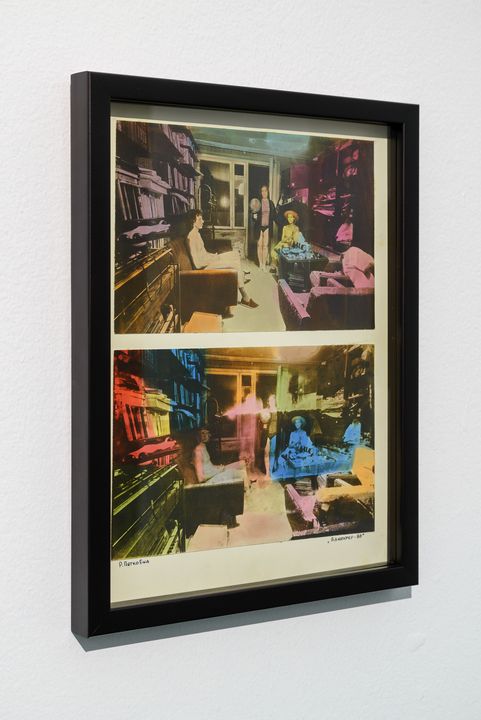
In the next hall, two photographic series are presented — Roman Pyatkovka’s “Adultery,” depicting a polygamous union of two women and one man, and Yevheniya Bielorusec’s “Own Room,” dedicated to the life of LGBT couples. Demonstrating the intimate aspects of a person’s life allows examining the “anonymous society” as if under a microscope, revealing all its components.
When the discussion about acceptable types of relationships begins, it is only a sign that, in fact, there is no personal space. Even closed apartment doors cannot separate you from society. One way or another, life takes place in society; the difference is only in how this interaction occurs — in denial or acceptance.