Research Platform: Guilt
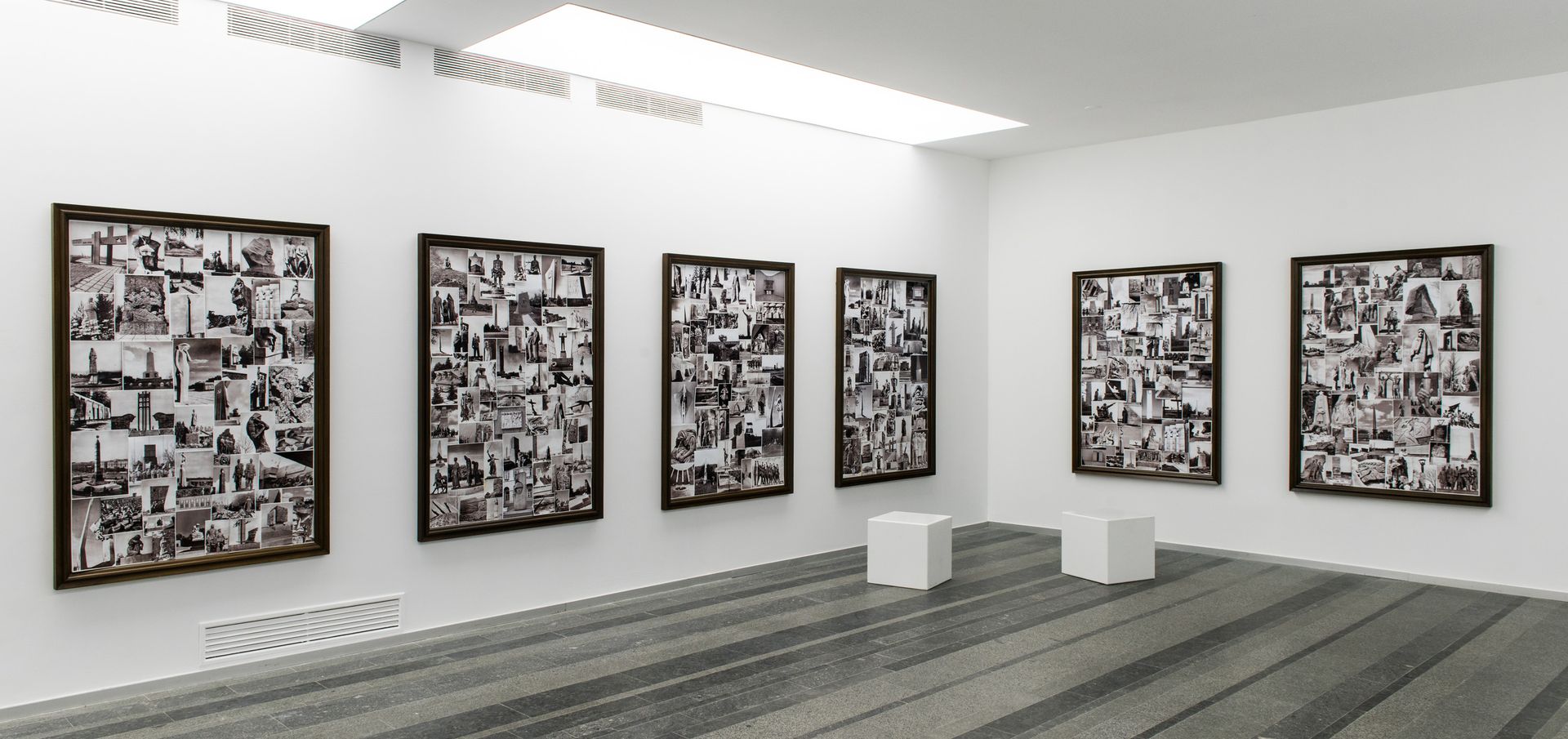
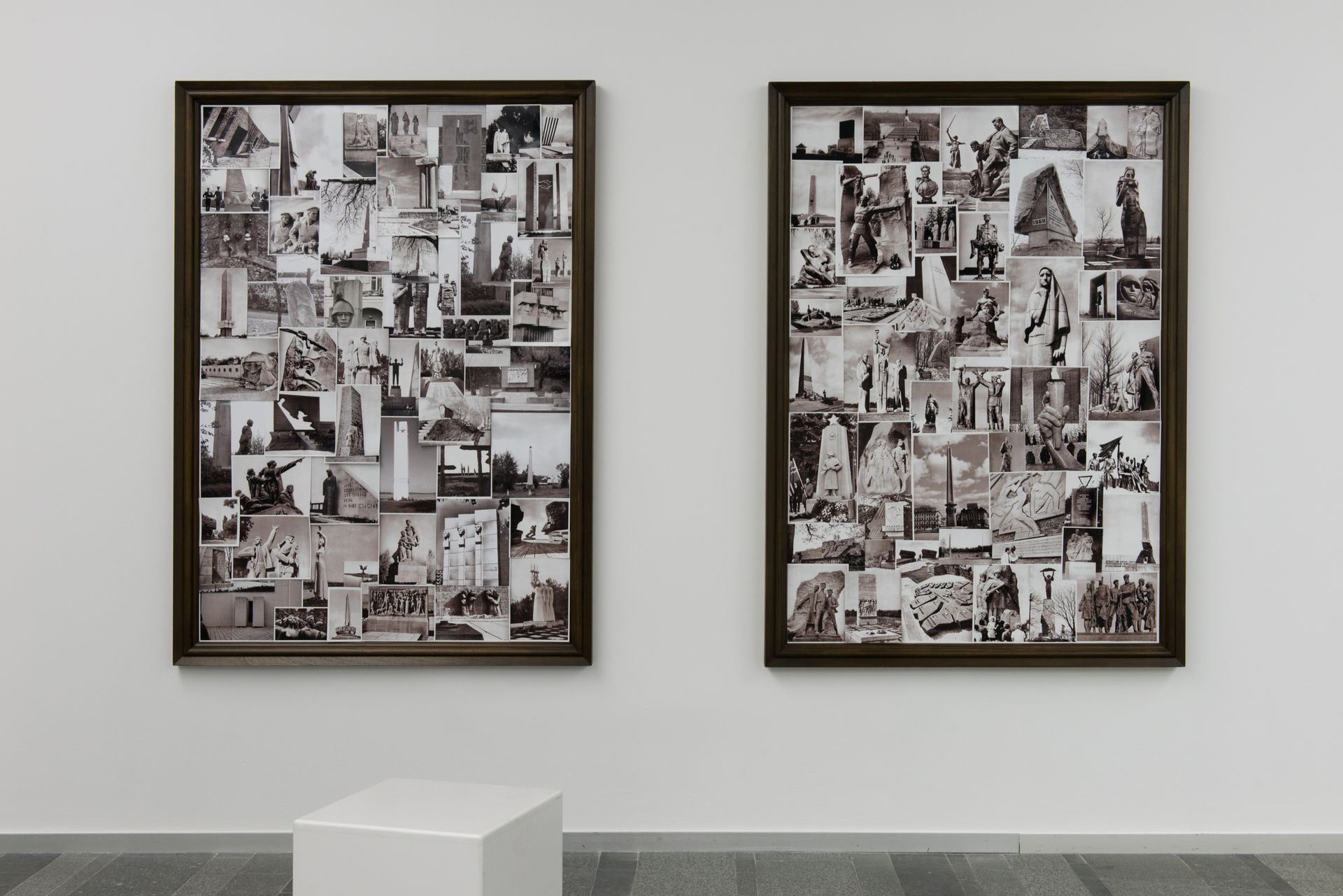
Artists: Serhiy Bratkov, Mykyta Kadan, Alevtina Kahidze, Yuriy Leiderman, Mykola Ridnyi, Lesya Khomenko, Rapid Response Group, Mazokha Foundation.
The formation of a culture of guilt is associated with the name of the German philosopher Karl Jaspers, who in his work “The Question of Guilt” analyzes the situation of Germany after World War II following the overthrow of the Nazi regime. The philosopher concludes that the only way to overcome the totalitarian past lies in the awareness of guilt, not only political and criminal, but primarily moral, that is, the responsibility of the individual. It is precisely the recognition and awareness of guilt that is key to restoration and spiritual revival.
In Ukraine, both at the beginning of the 1990s, marked by political uncertainty, and against the backdrop of today’s military situation in the east of the country, it is the search for the guilty, denial of the past, refusal of one’s own involvement, and the desire to justify actions at the expense of external circumstances (as opposed to an honest look at oneself) that define the politics of memory.
The exhibition “Guilt” explores the issues of historical and individual guilt and responsibility. How to interact with the past, how to find approaches to working with it – to deny it, erase it, or, on the contrary, share responsibility for the conflicting pages of our history?
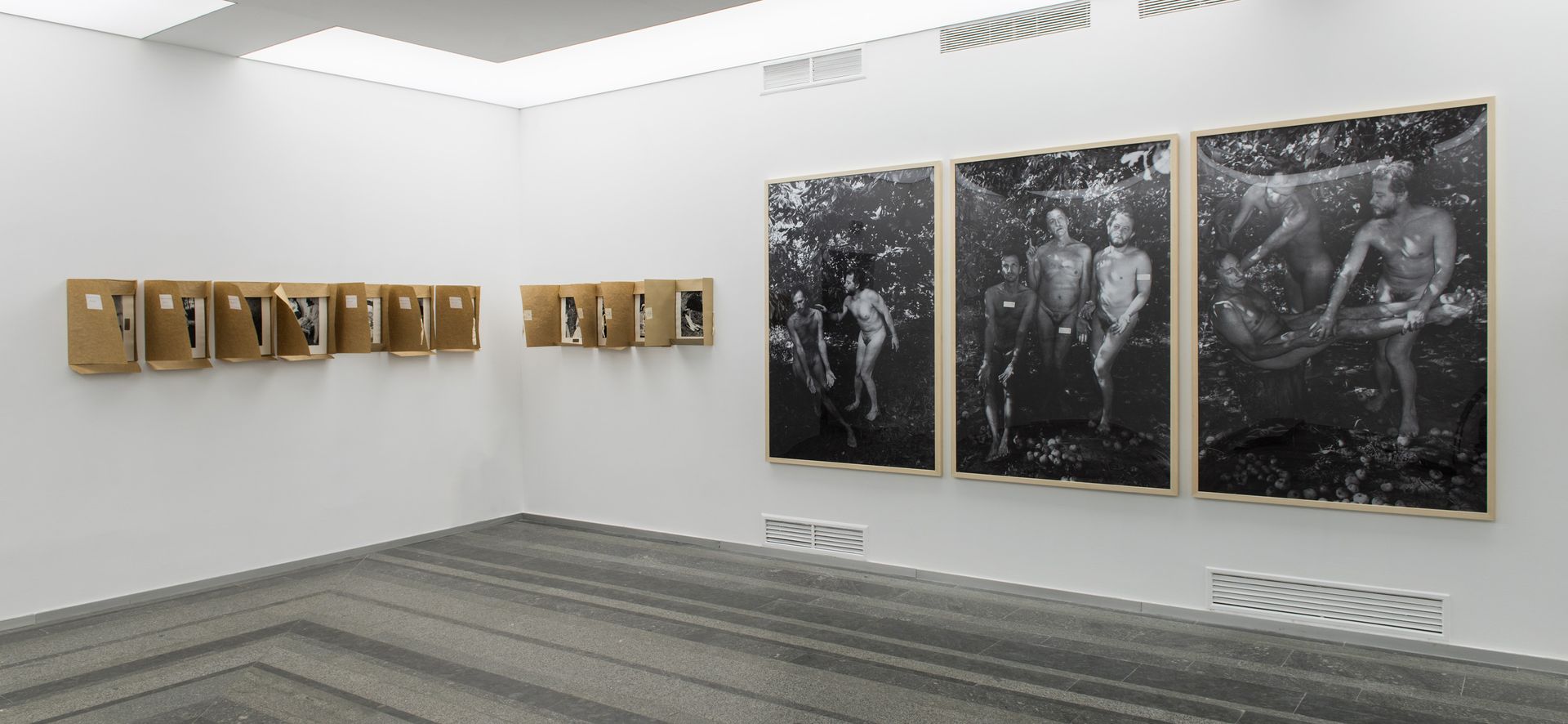
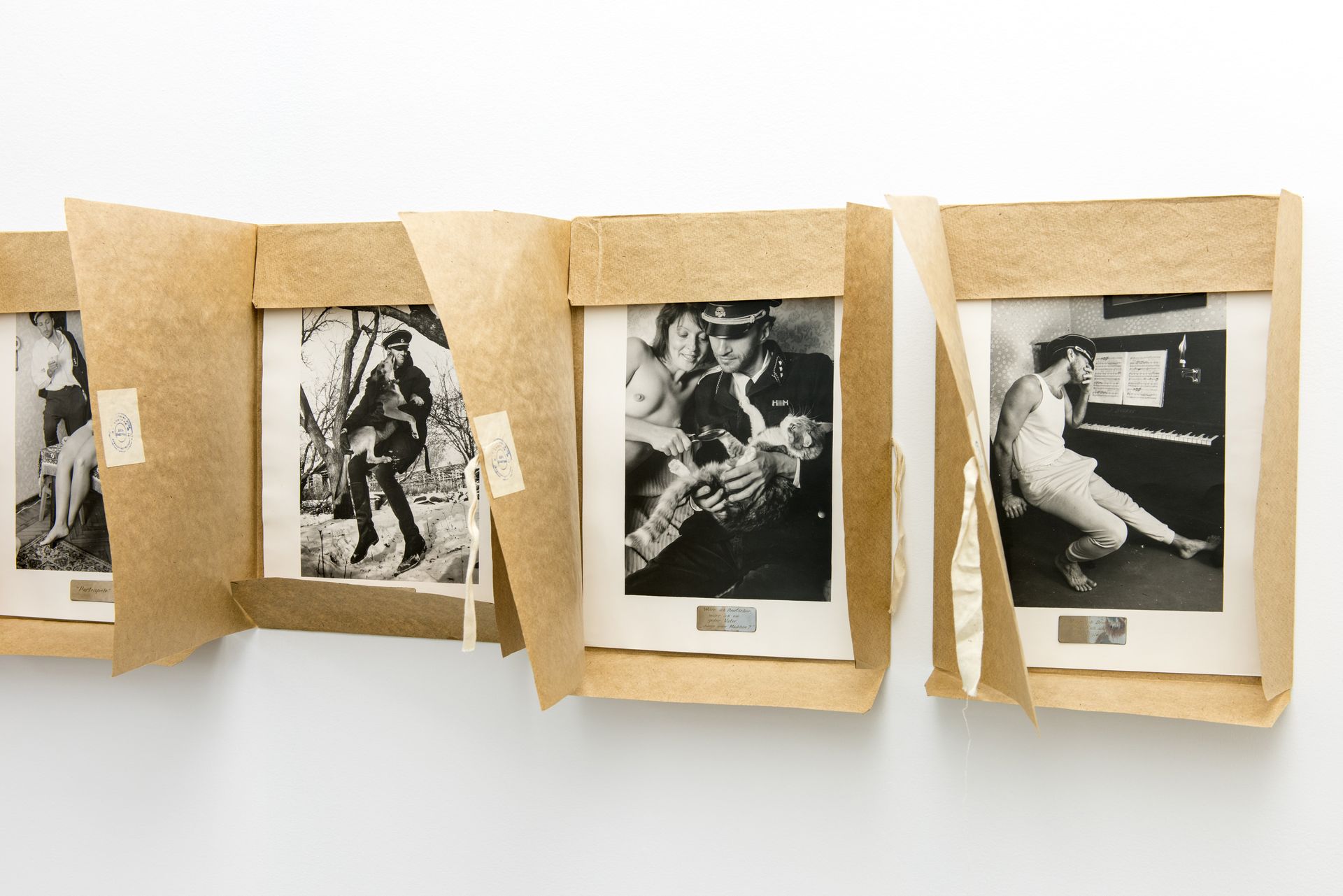
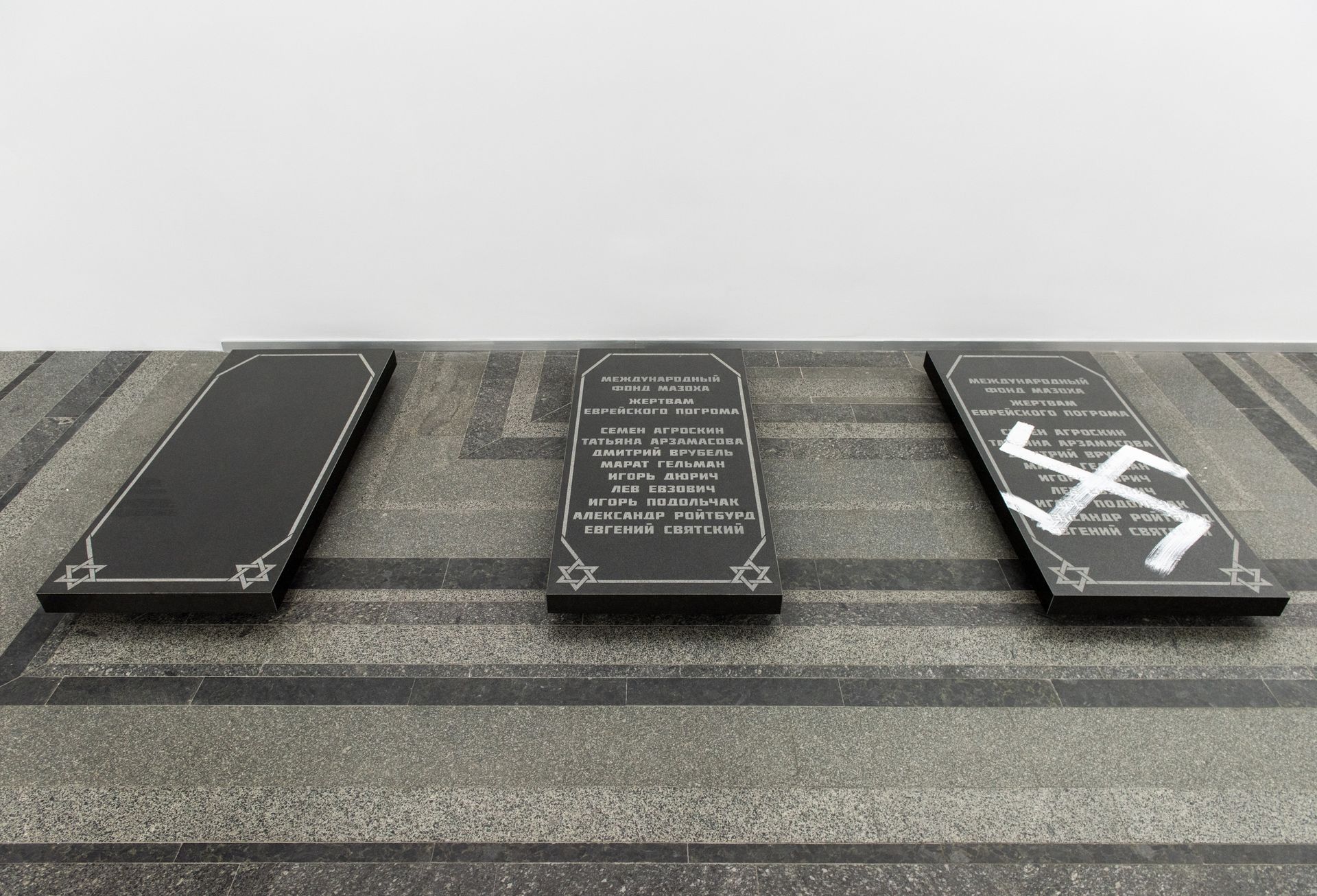
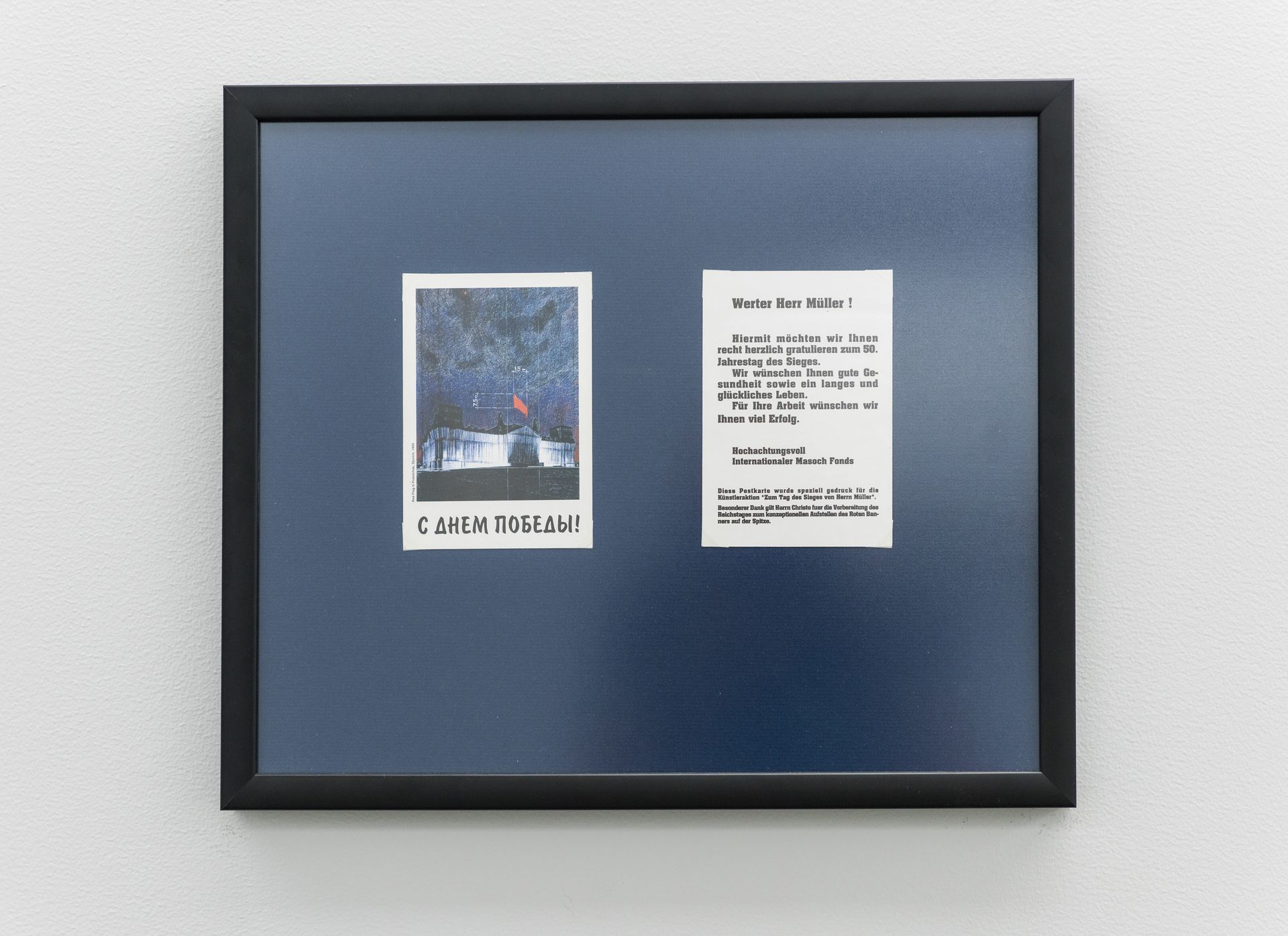
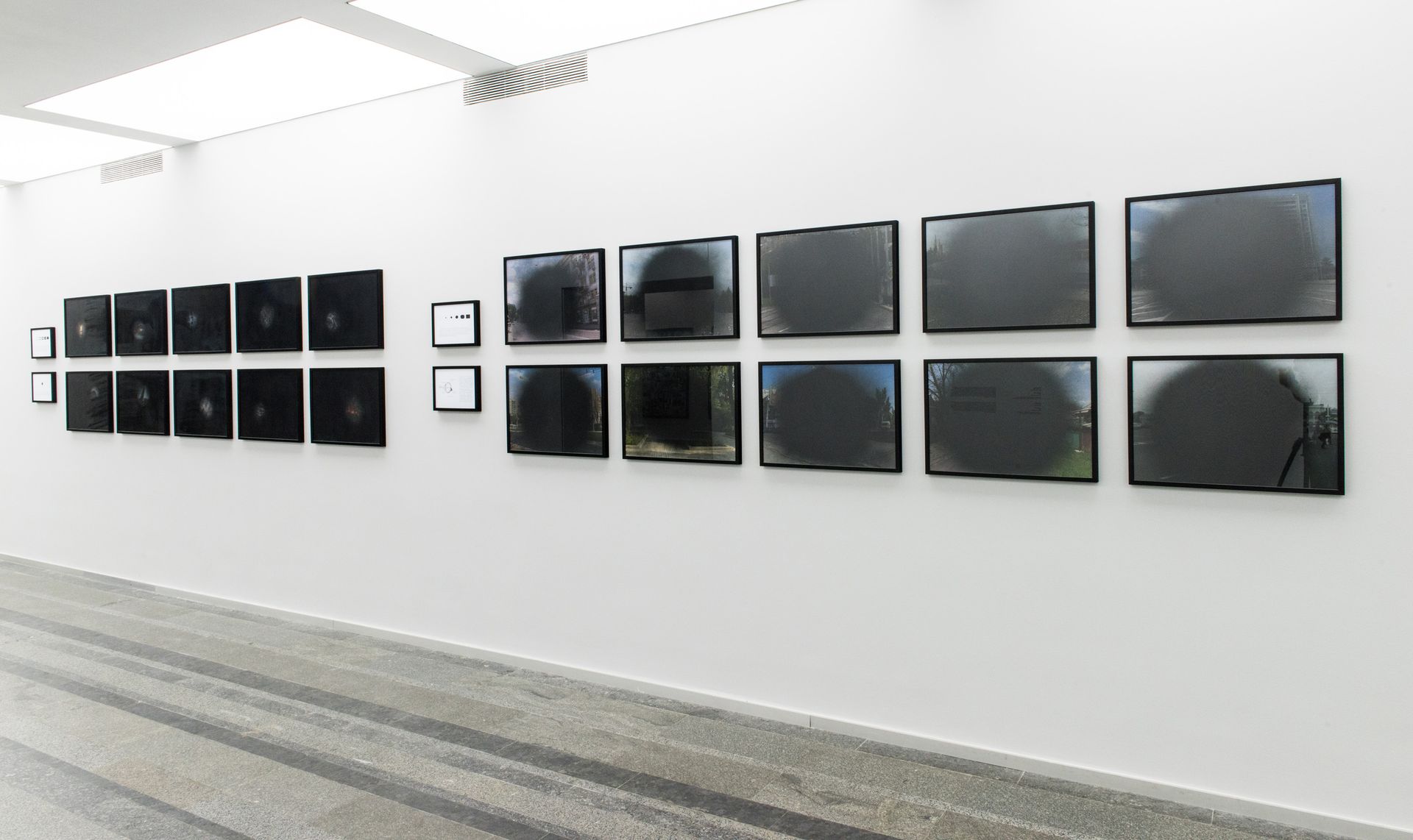
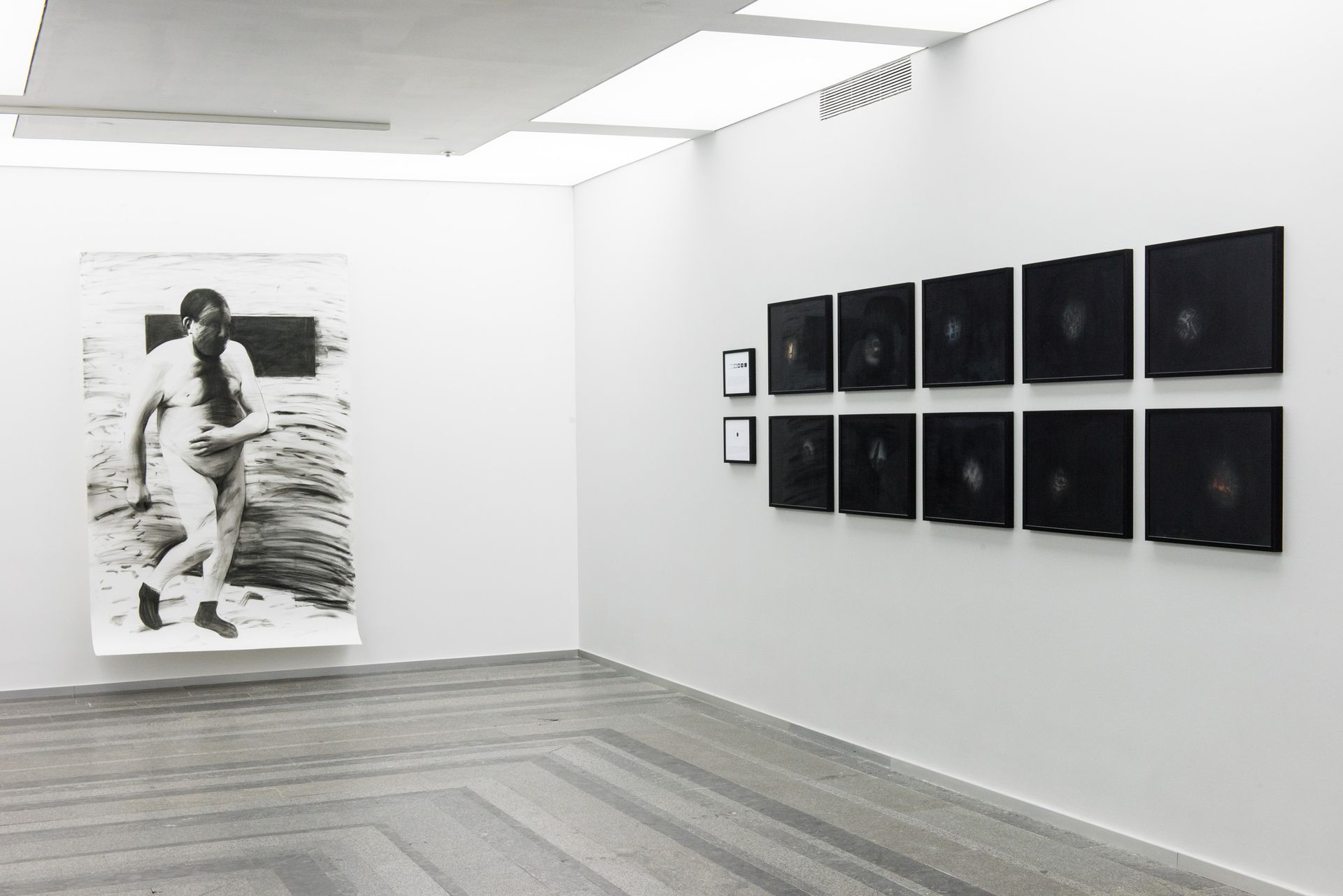
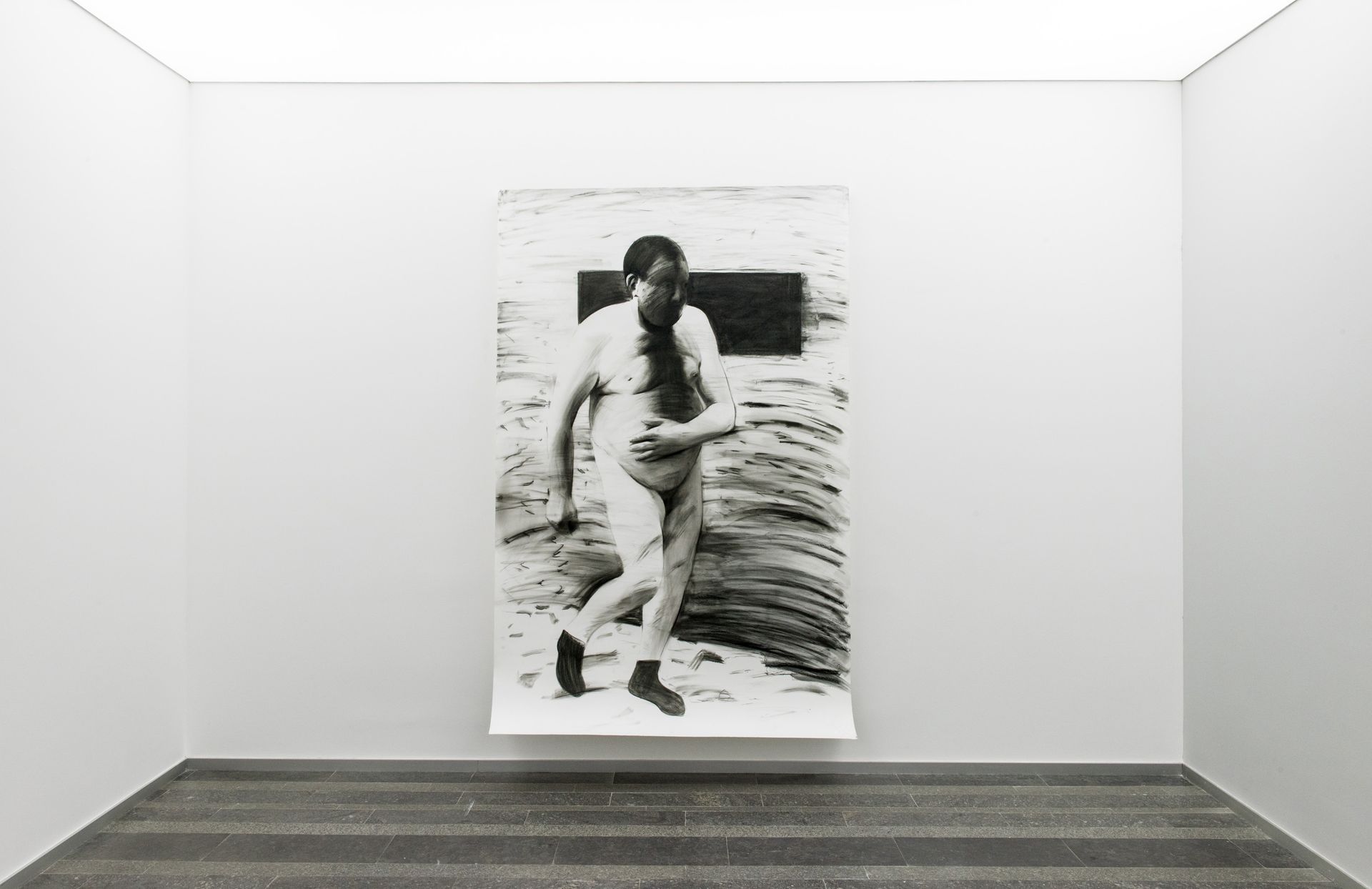
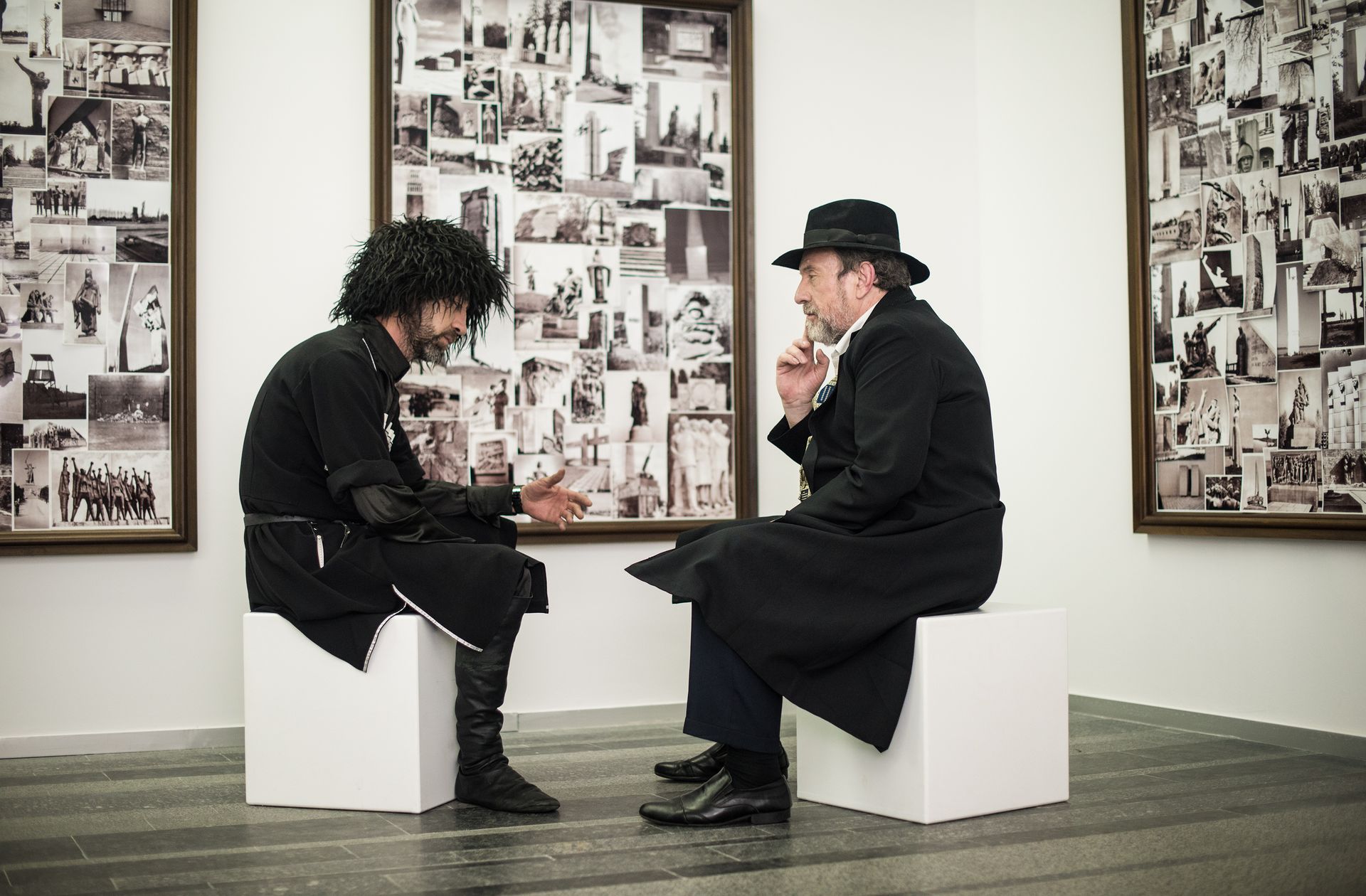
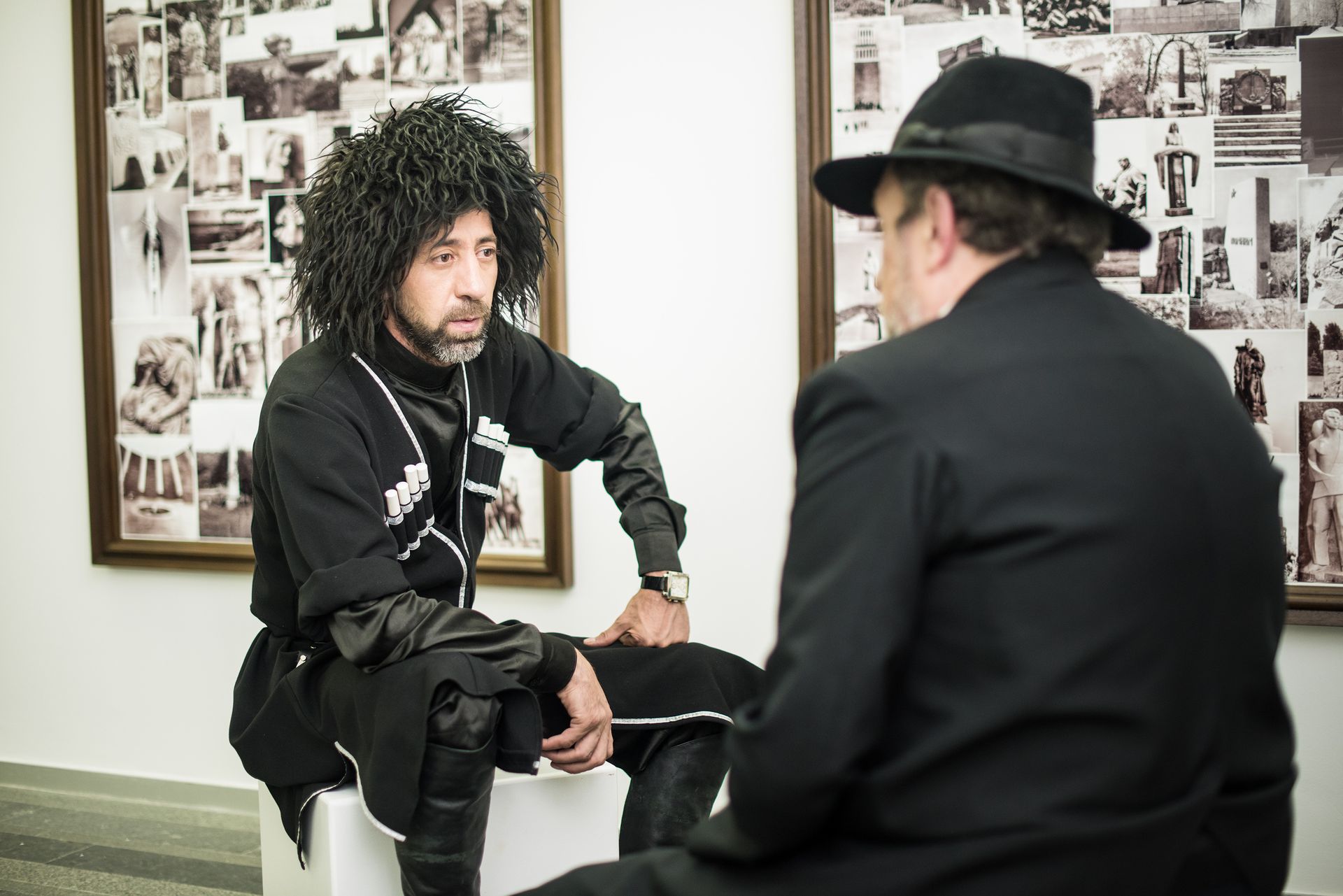
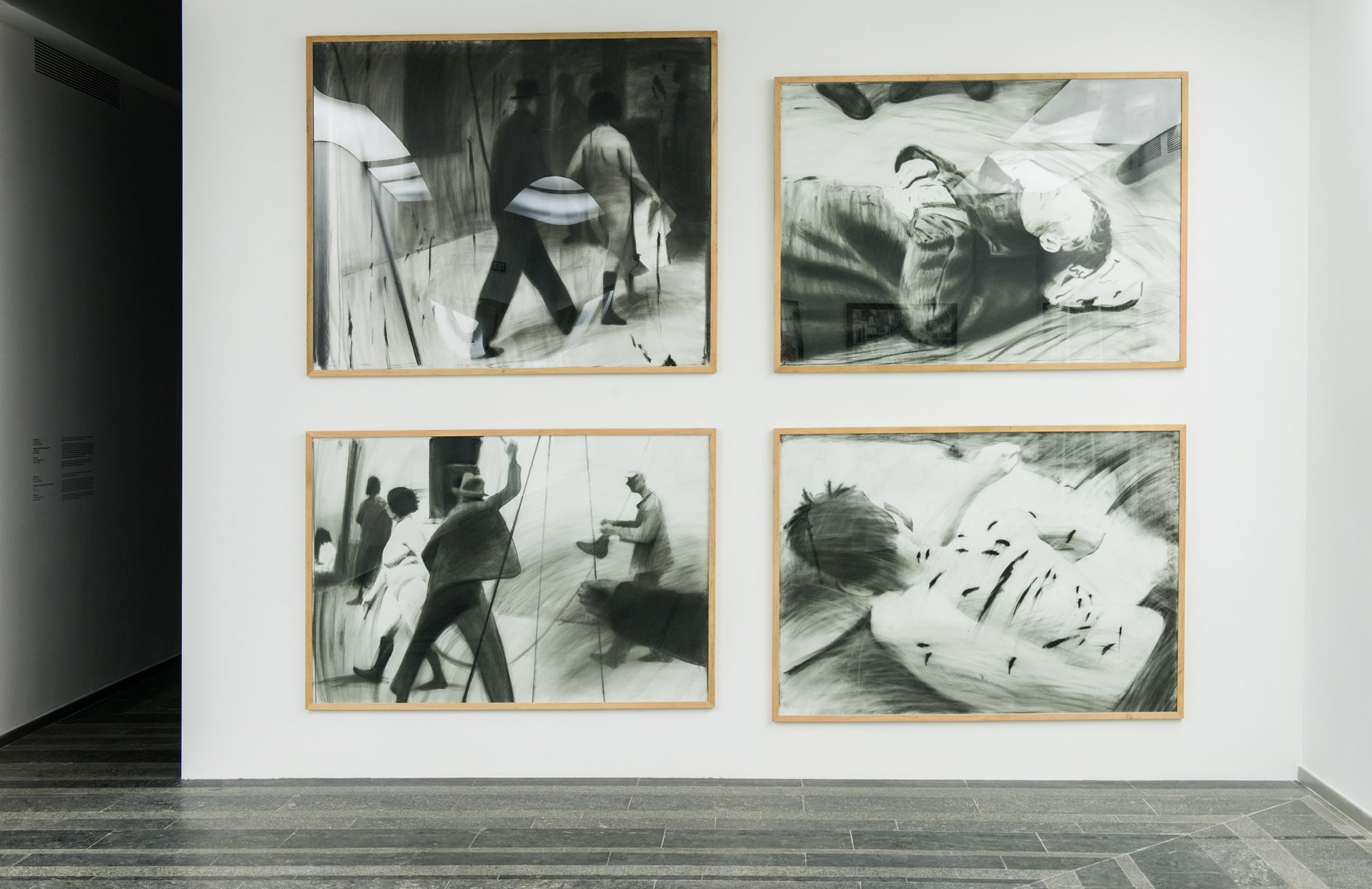
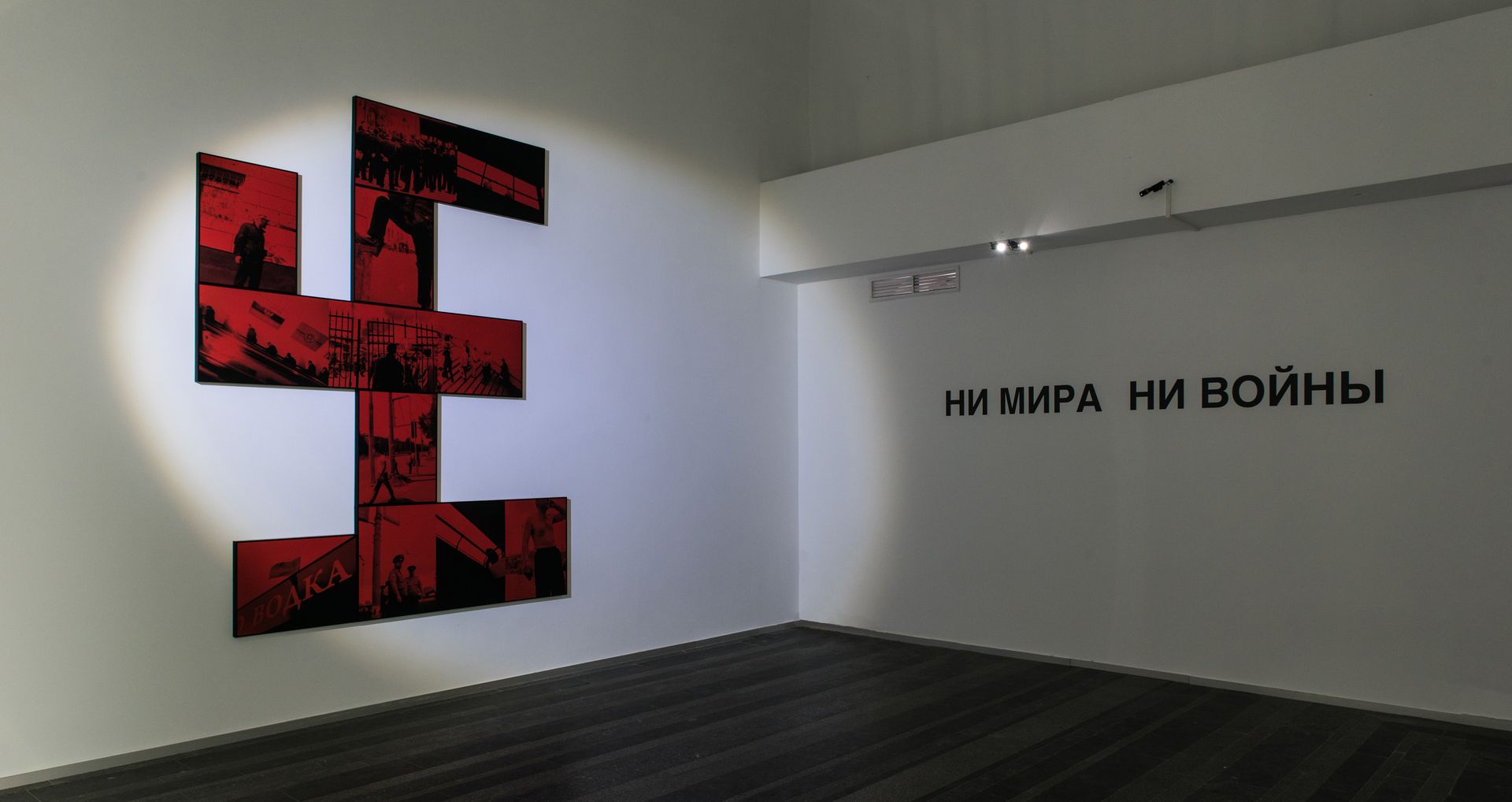
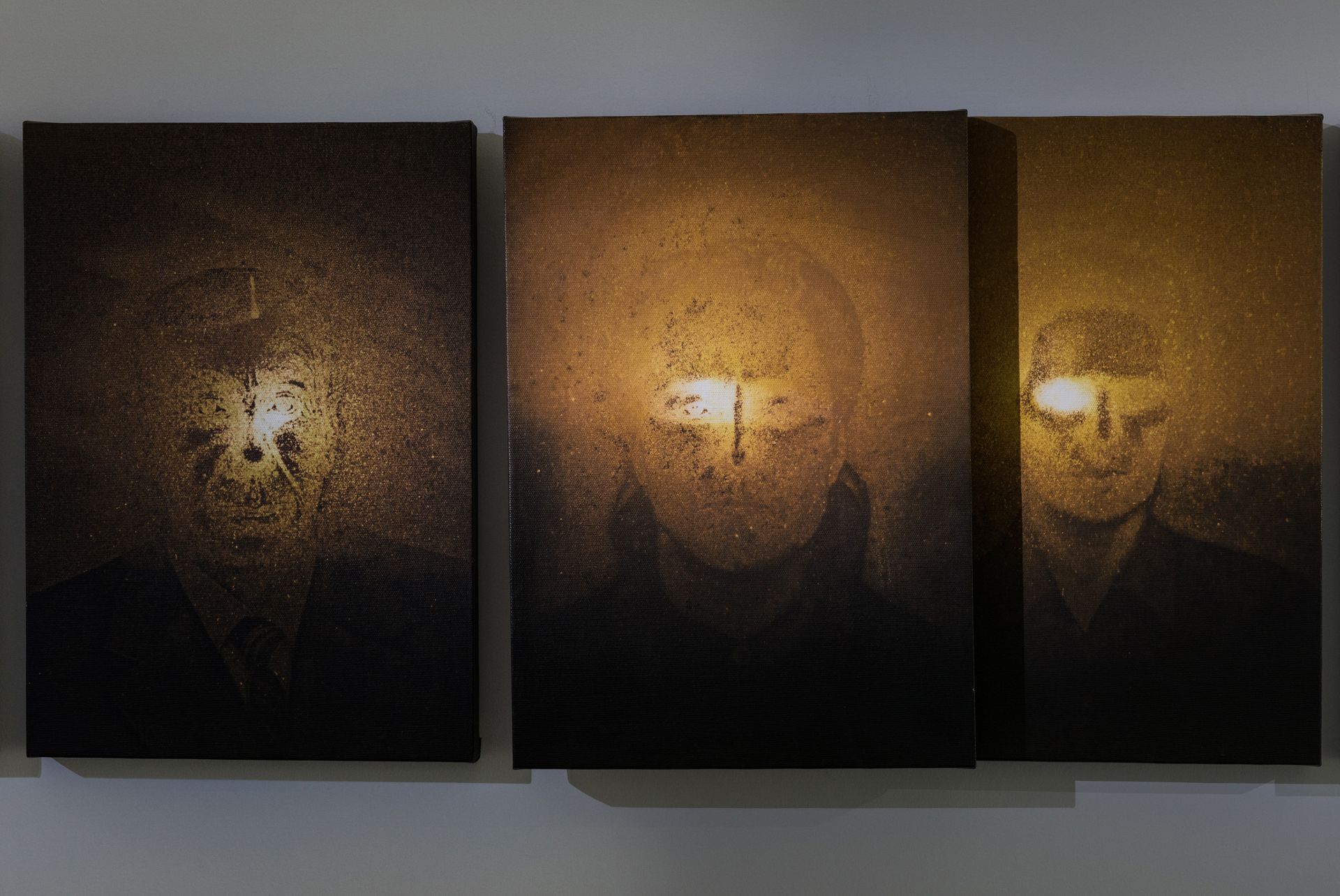
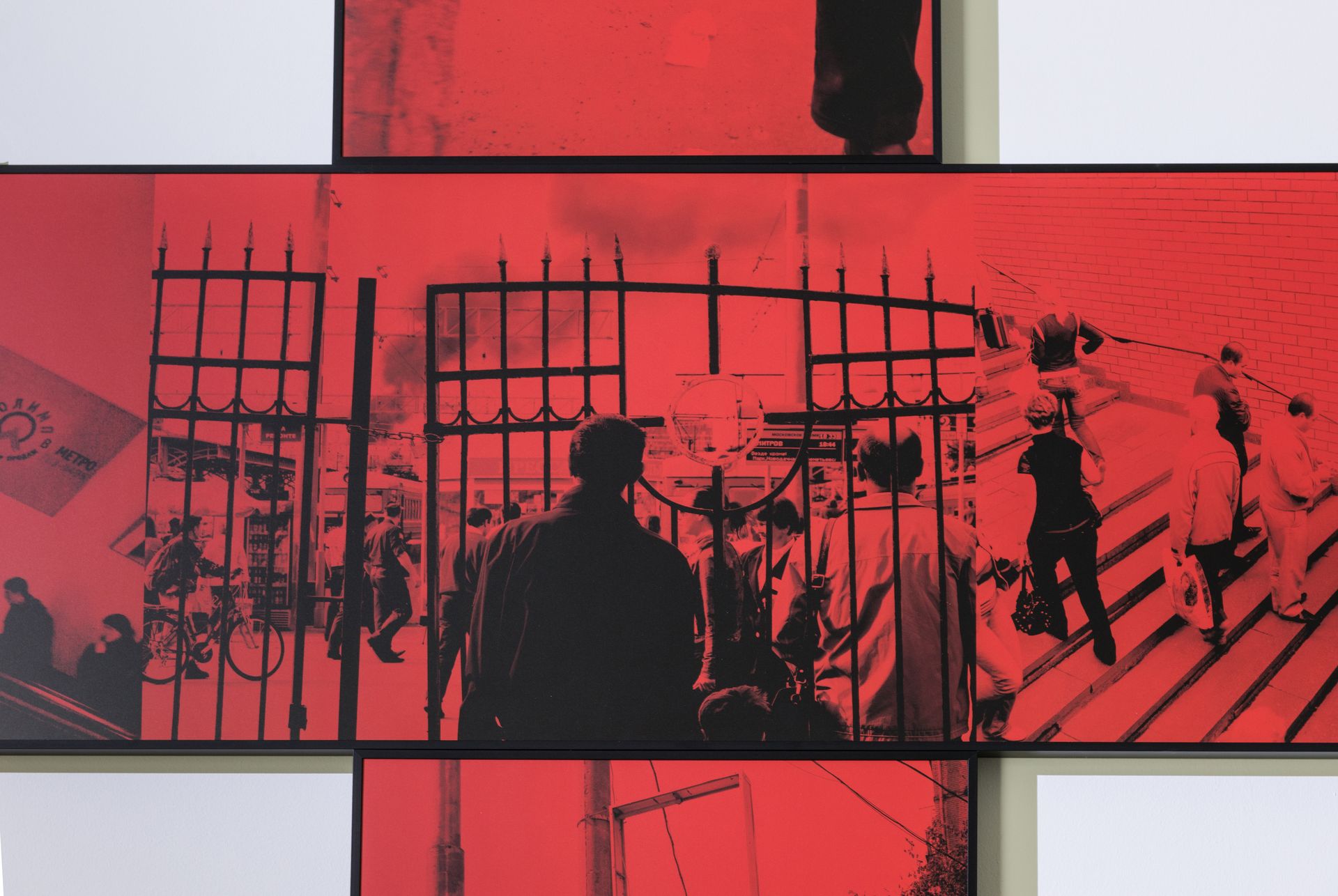
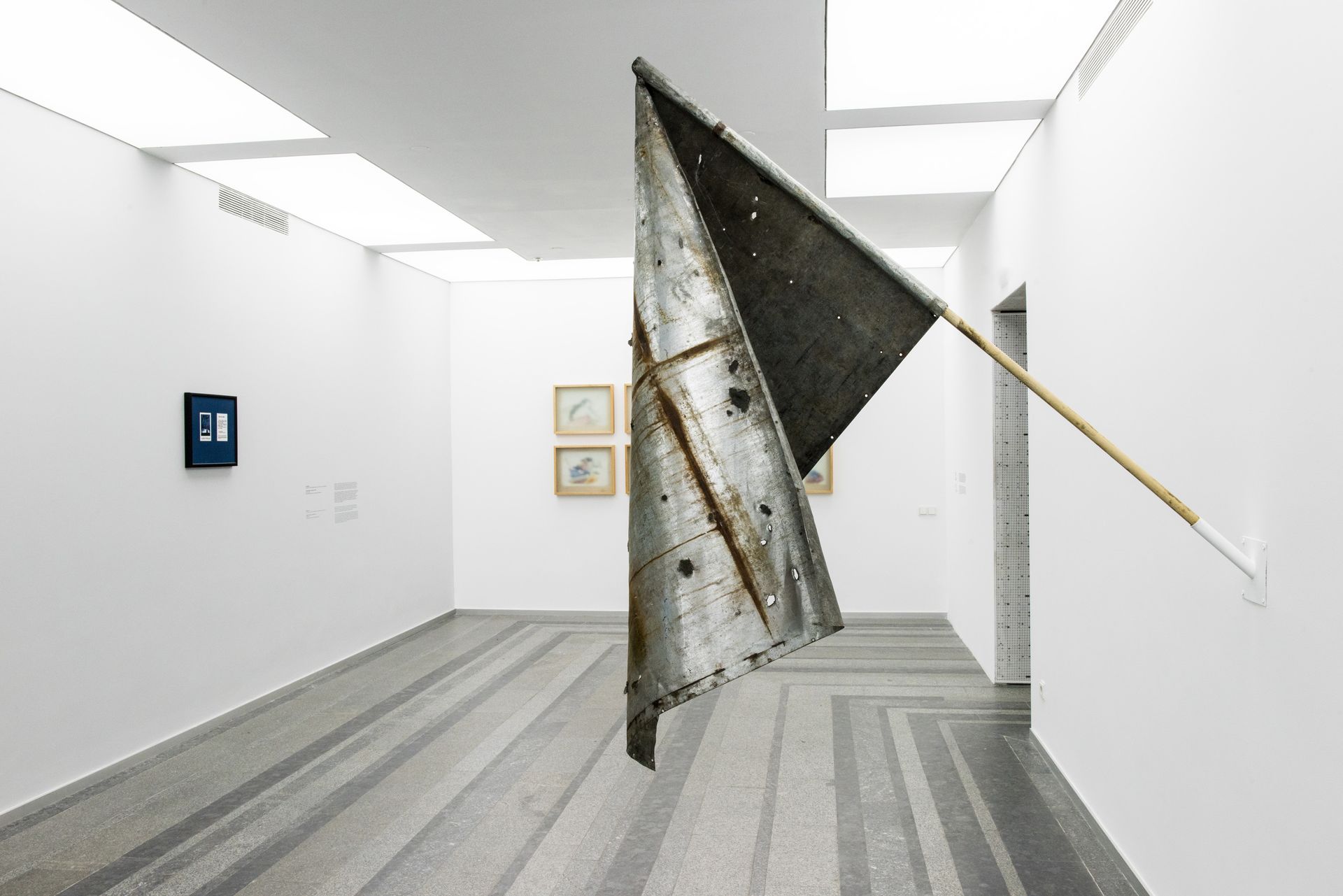
The exhibition features radical actions and performances of the 1990s, when artists began to rethink the post-war history, creating situations of ethical discomfort for the viewer. In these works, artists, taking on the roles of enemy, victim, invader, for perhaps the first time raise the question of guilt and responsibility for their own choice and problematize the theme of the defeated and the victors. At the exhibition, these works are combined with works of recent years dedicated to the theme of phantom memories of the past and victims of the present. This dialogue actualizes the issues of sacrifice, guilt, and responsibility amid the events in Ukraine today, when appeals to history become a tool of political manipulation and contribute to the split into “us” and “them” instead of dialogue.
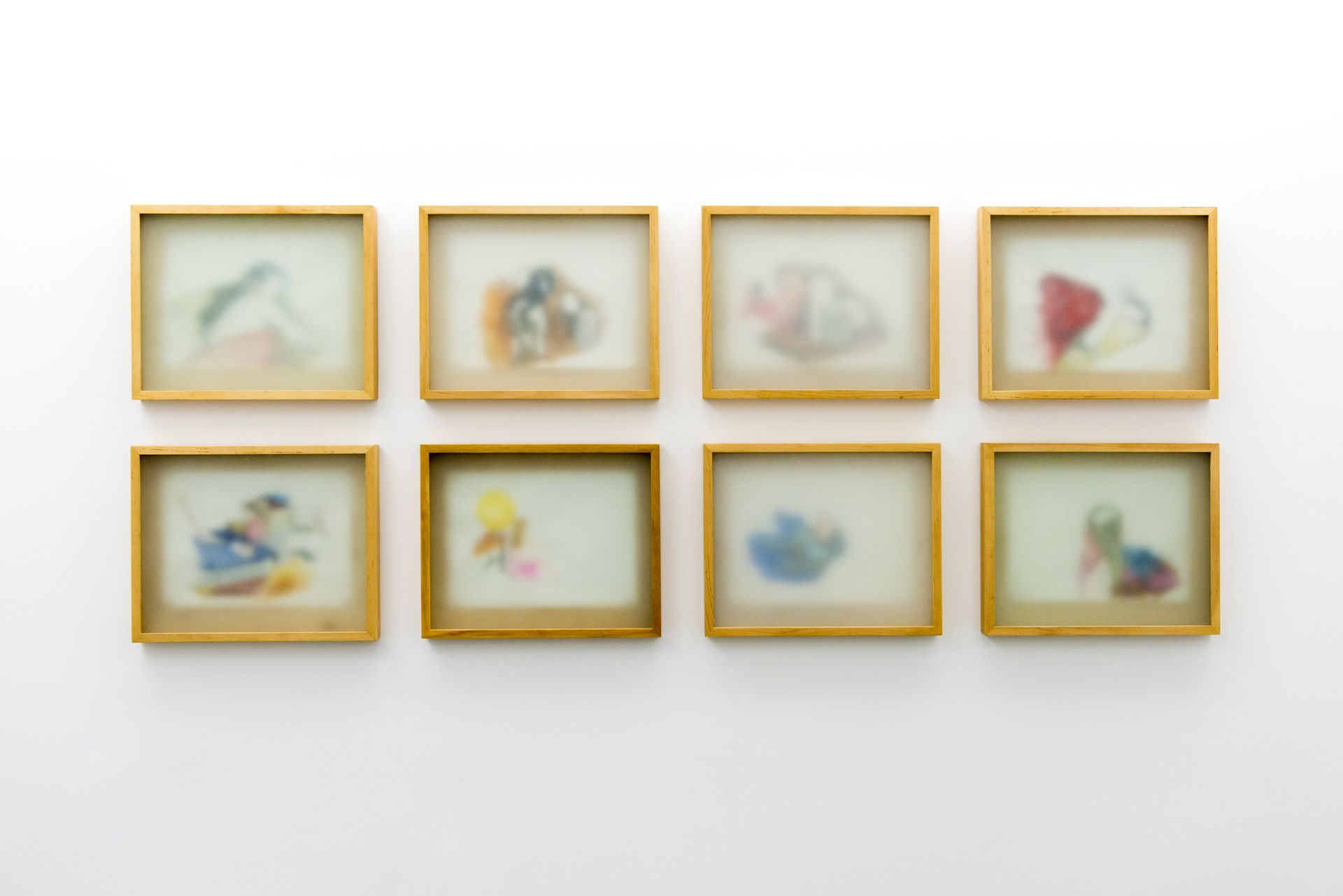
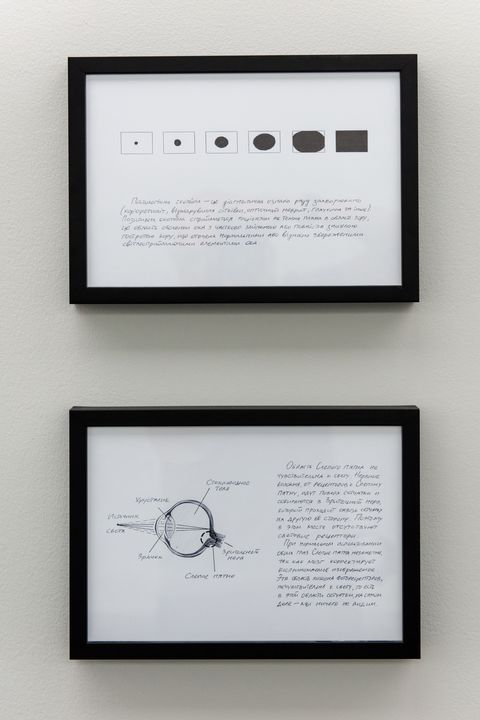
The works exhibited at the exhibition, which directly address the current military conflict in Ukraine, note that we are currently laying the foundations for the formation of a memory policy about the current situation in the future. Aware of the impossibility of separating the experience of suffering, the experience of the victim, which we, as witnesses, can only adopt through mediation, the artists offer a mediated, detached view of events, marking the uniqueness of each personal experience.
The exhibition proposes to break down established notions of “faithful” and “unfaithful,” postulating that sacrifice is not subject to hierarchy. In a state of excited social blindness, fueled by an information war, the exhibition emphasizes the impossibility of separating the experience of the other, but in contrast offers to understand it. After all, to understand means to win.
Curator: Tetyana Kochubynska
Co-curator: Bjorn Geldhof