All about Maksym Mamsikov, one of the most famous Ukrainian artists, — in a special project by Vogue.ua and PinchukArtCentre.
PinchukArtCentre has launched a Research Platform aimed at creating a living archive of Ukrainian art from the early 1980s to the present day. Vogue.ua and PinchukArtCentre are starting a collaboration within which they will publish articles about the most interesting representatives of Ukrainian art. The first hero was Oleksandr Hnylytskyi. The series continues with a story about Maksym Mamsikov, one of the most recognizable Ukrainian artists. Kateryna Yakovlenko, a staff member of the PinchukArtCentre Research Platform, talks about what makes up Mamsikov’s style.
Parkomuna
We visited Maksym Mamsikov’s studio together with Tetiana Kochubynska, curator of the PinchukArtCentre Research Platform, to ask him about the art of the 1990s, early works, and artists who influenced him. Preparing for the exhibition “Parkomuna. Place. Community. Phenomenon”, we used reproductions of artists’ works for research but could not imagine that one of the canvases — the original work — could be found in the studio, carelessly rolled up, without any reverence.
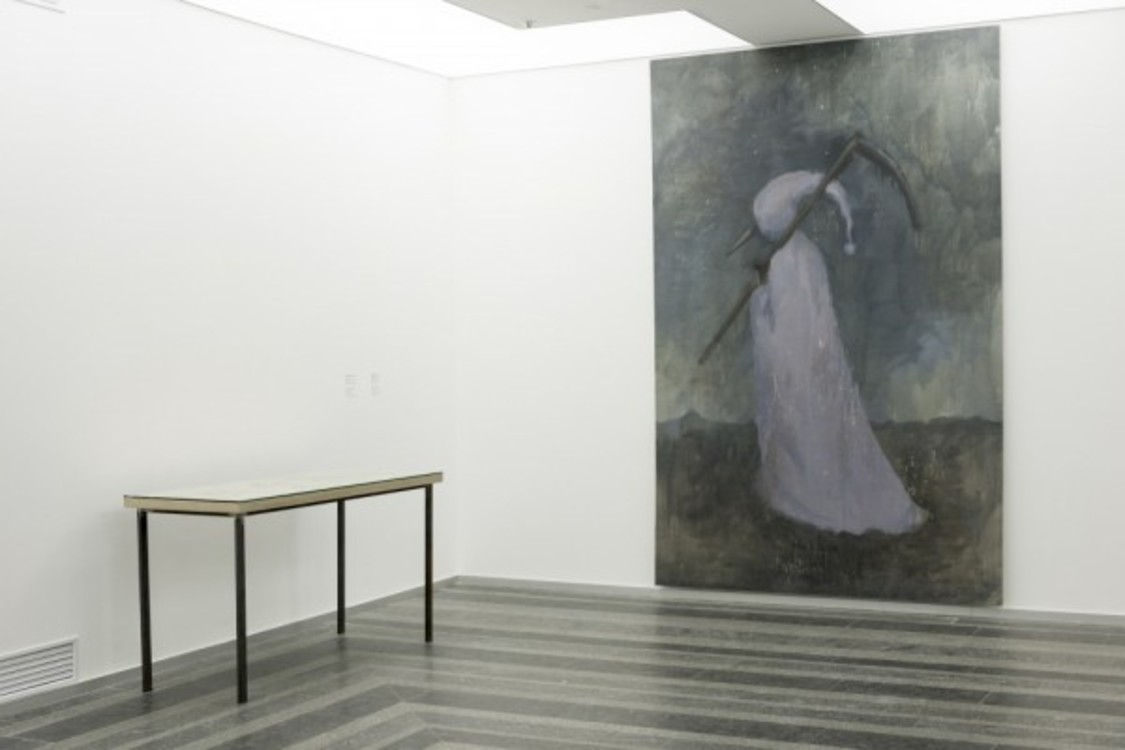
When we entered Mamsikov’s studio in Lukyanivka, a large canvas measuring three by two meters lay on the floor. It was “The Death of Buratino”: a work Mamsikov created in 1992 in response to the painting by artist Oleksandr Hnylytskyi “The Birth of Buratino” (1991). The artists were friends and lived together in Parkomuna on Mykhailivska Street.
“In 1991, Hnylytskyi’s painting and its title seemed so absurd that I decided to create my own work,” recalls Mamsikov. For many years, the painting lay in the studio, and no one knew about it. Only during the exhibition at PinchukArtCentre did the public see it.
Narrative searches
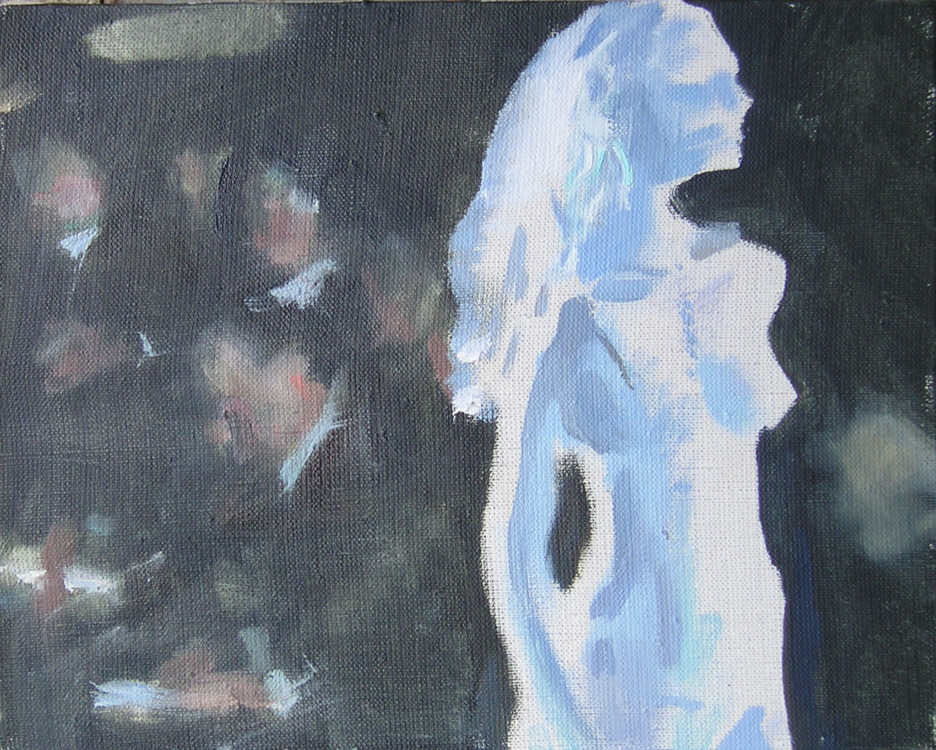
Mamsikov was born into the family of the 1970s artist Vladyslav Mamsikov. He enrolled in the graphic department of the Kyiv State Art Institute, served in the army, and “when he returned in 1991, everything in the country had changed: freedom was not just a scent — it was boiling in Kyiv.”
In the 1990s, Mamsikov lived in several squats in the center of Kyiv and later became a participant of the cult Parkomuna. He was friends with artist Oleh Holosiiv, who was already considered a successful artist at that time: exhibiting in Moscow, his works were being bought. Mamsikov essentially learned painting from him.
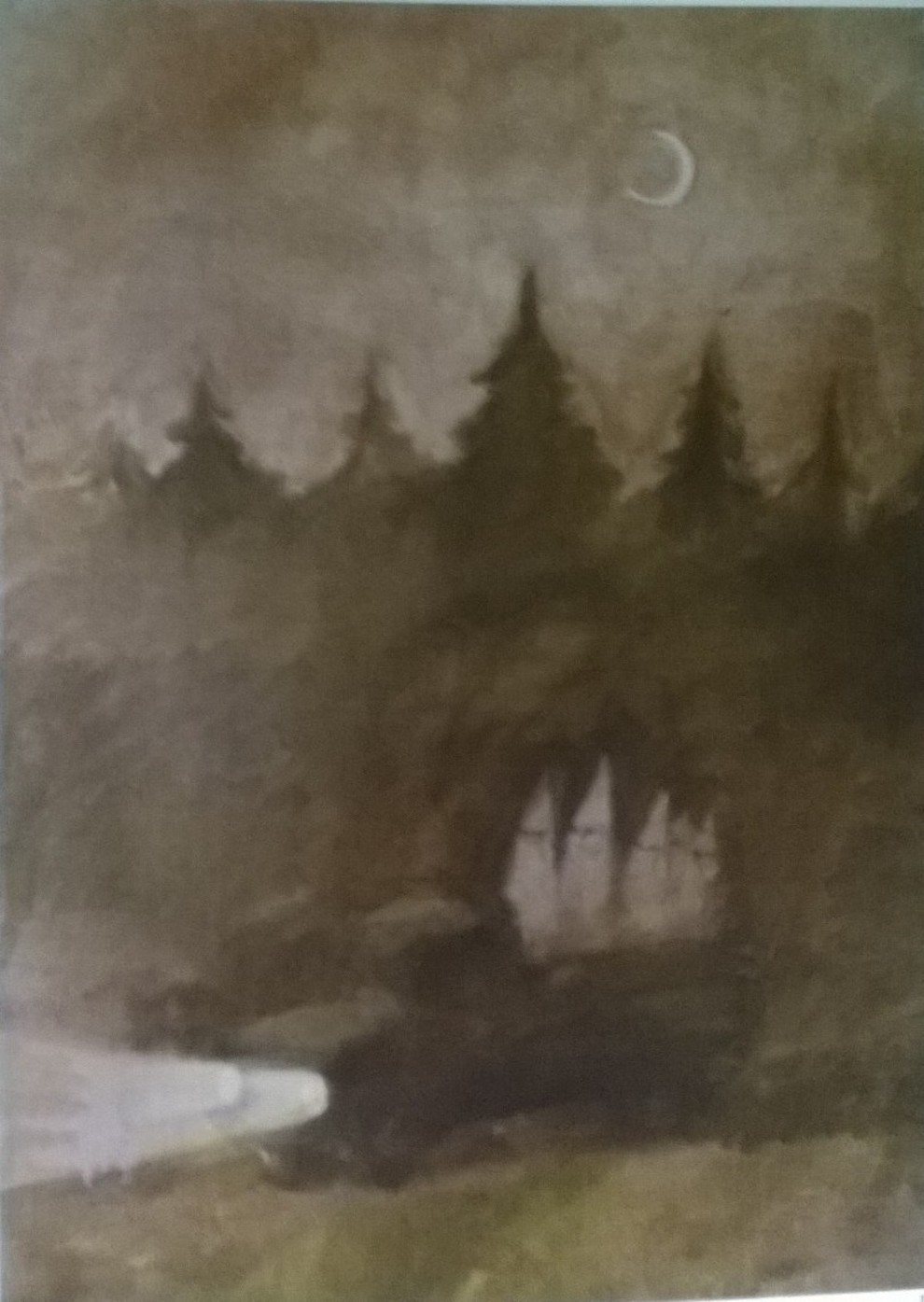
Mamsikov’s paintings are characterized by irony. The artist’s humor can be compared to the literary irony of Ostap Vyshnia — simple, everyday, kind. For example, this is noticeable in the work “Ku-Klux-Klan” (1993), created during Mamsikov’s psychedelic experiments, which led to the emergence of “hallucinogenic canvases.”
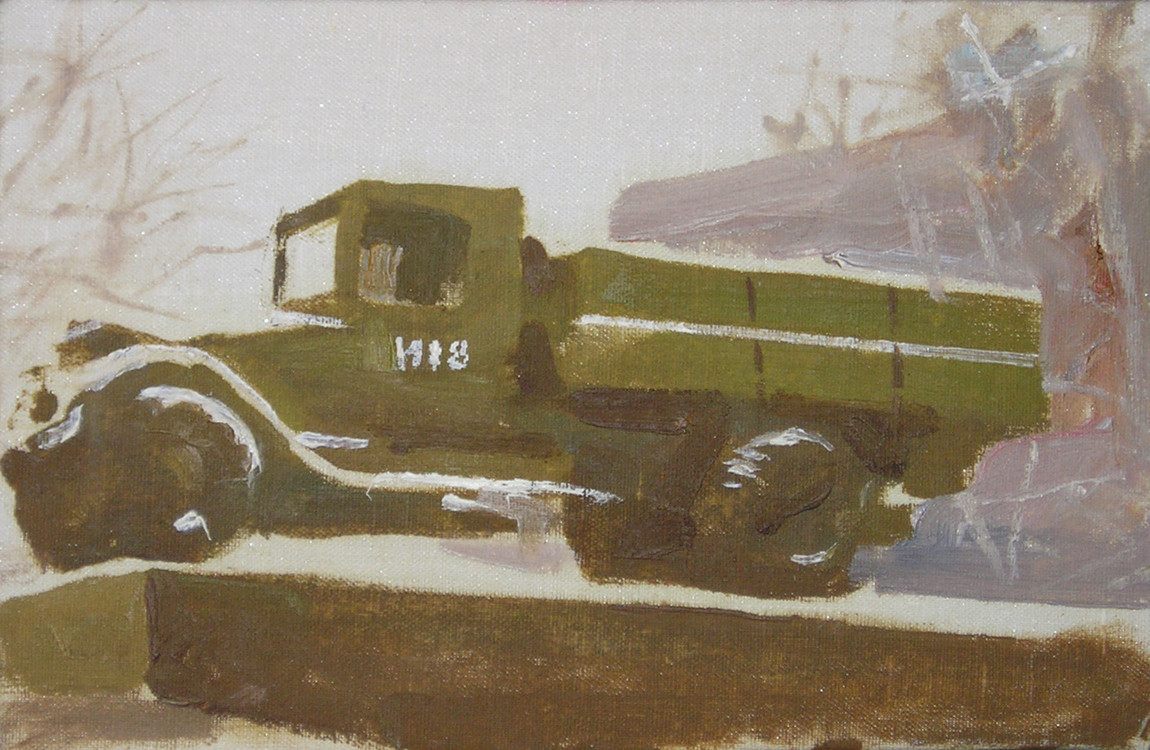
Using a monochrome palette, Mamsikov depicted characters of the racist Ku Klux Klan group. They are dressed in characteristic white robes that hide the body and face and move through a dark forest on a truck. The hoods of five members of the group are visible from the truck bed, “like carrots from a wallet,” says the artist.
The image chosen by Mamsikov is related to the context of the 1990s, when various ideological movements and sects emerged. One such extremist organization was the Kyiv White Brotherhood, active in 1990–1991.
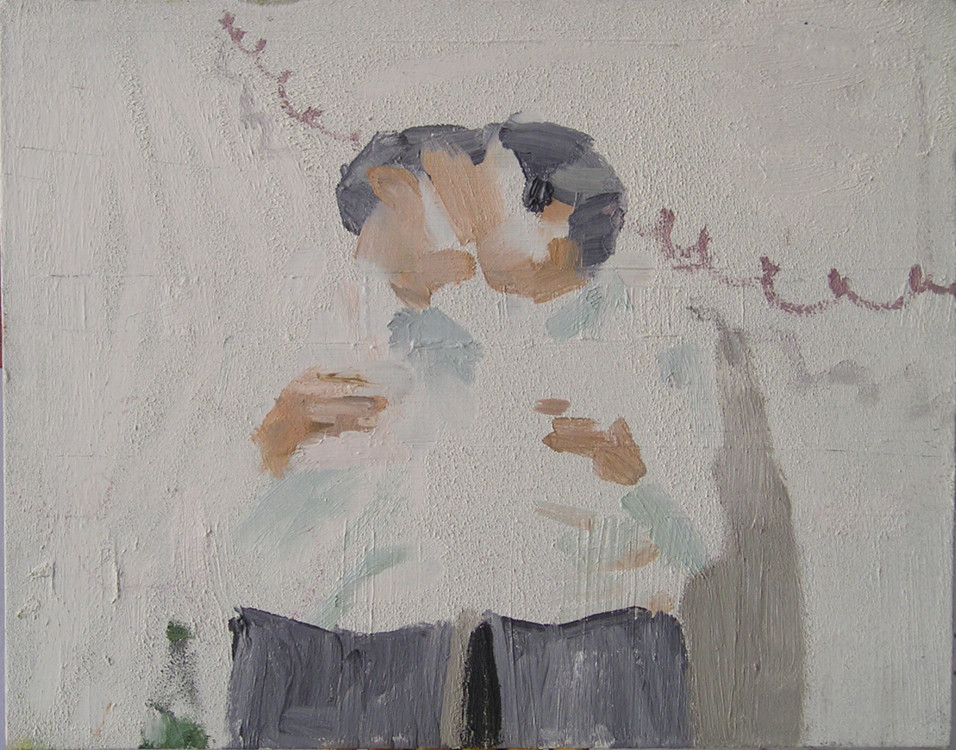
Some of the artist’s early works are now considered lost. Recently, photographer and director Anton Trofimov, who previously lived in Kyiv and now resides in New York, announced a search for “his Mamsikov.” A work titled “Untitled”, depicting a boy in a suit in the middle of a field, disappeared from his Kyiv apartment.
“I liked this work, and I begged Mamsikov for it on the condition that I would provide it for exhibitions if the need arose. Maks gave me the painting, which remains a sign of an important time for me. Before leaving Kyiv, I dragged it through all the apartments where I lived and hung it instead of a carpet. Now it has disappeared from the apartment,” Trofimov says. The search for the painting continues.
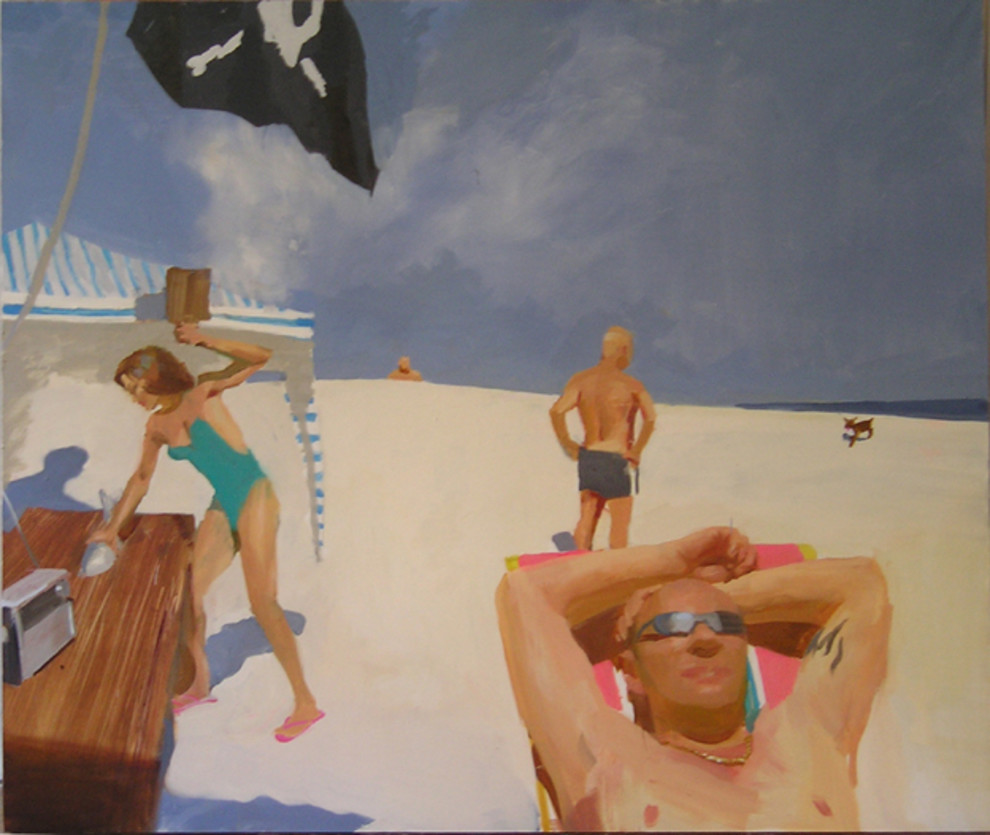
Experiments
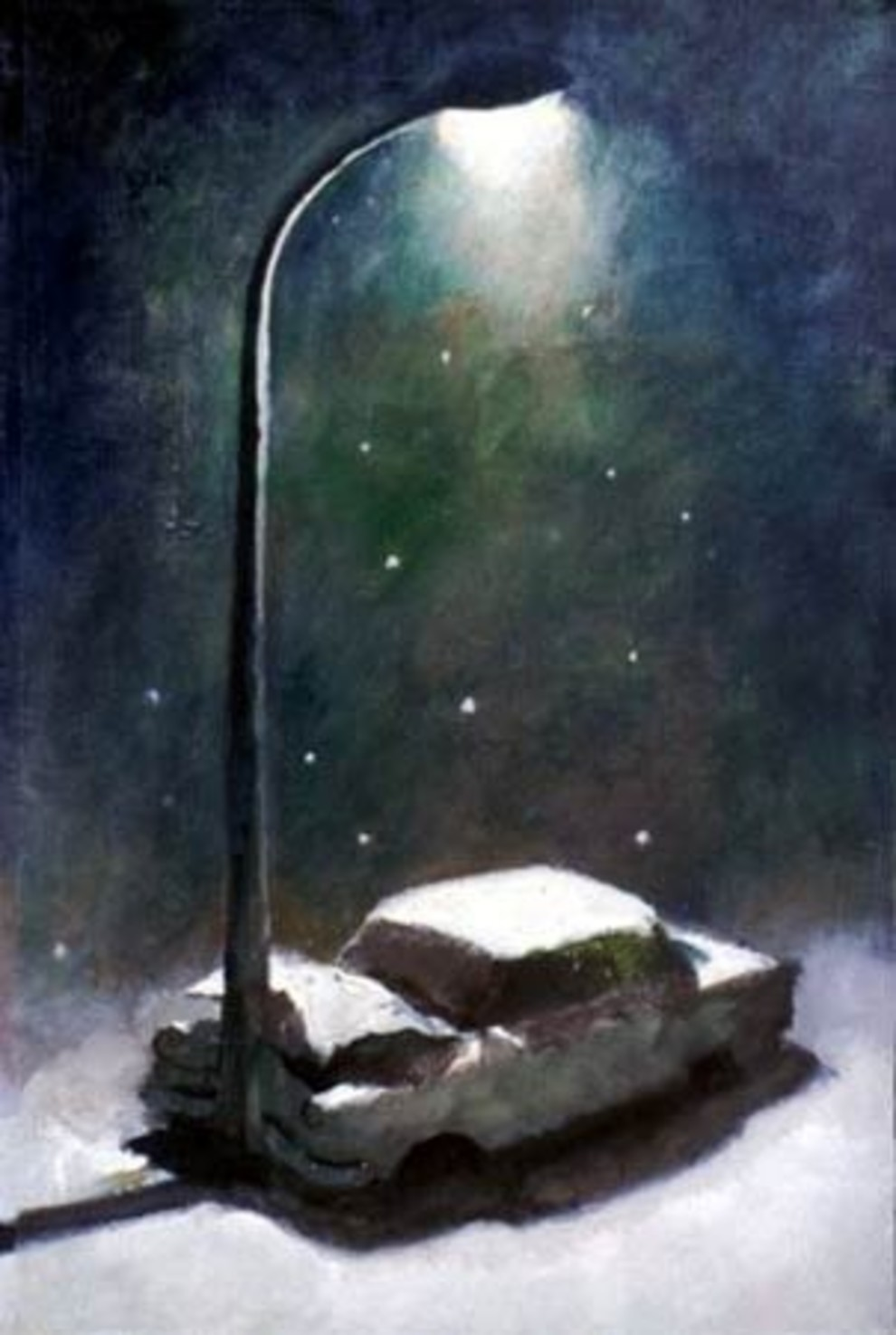
The last painting Mamsikov created in the Parkomuna squat was “The Lantern”, dated winter 1993. Mamsikov recreated a sad winter landscape depicting a Soviet car that crashed into a street lamp. The contrast of colors creates a special, poignant mood and conveys the depressive atmosphere on the eve of the squat’s collapse.
After that, Mamsikov left painting for a long time: he worked in advertising and even in a tattoo salon.
One of Mamsikov’s most interesting works of that period was the photo project “Berkovtsi Cemetery and Its Inhabitants”, which the artist created accidentally during an advertising shoot in 1999. The tombstones of Kyiv’s “raspberry jackets” impressed him with their pomposity and kitsch. To convey the entire funeral absurdity of the 1990s, the author does not resort to unnecessary means — he simply records the cemetery landscape with a camera. Mamsikov’s photographs were shown at group and solo exhibitions throughout Europe.
“Pocket” painting
At the end of the 1990s, the artist returned to painting, and at the beginning of the new millennium, he invented a pocket format for paintings dictated by the needs of the contemporary art market. Artists’ works became more accessible to buyers and, accordingly, sold better. Mamsikov began creating very small paintings — some were the size of a passport photo. The most striking work of this format was “Belomorkanal” — a redrawn illustration for Soviet cigarettes “Belomorkanal.”
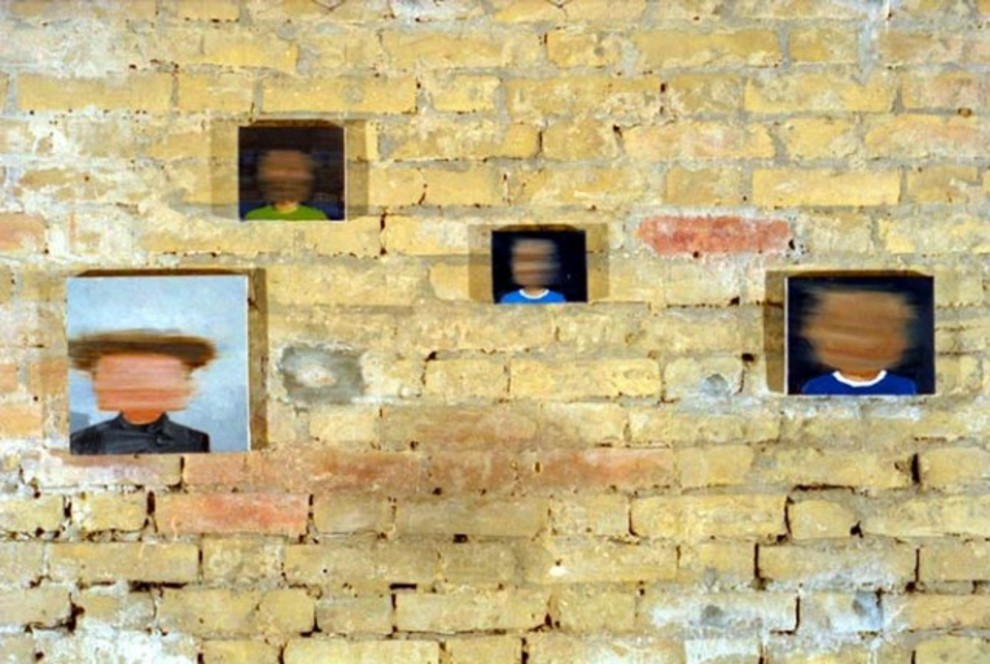
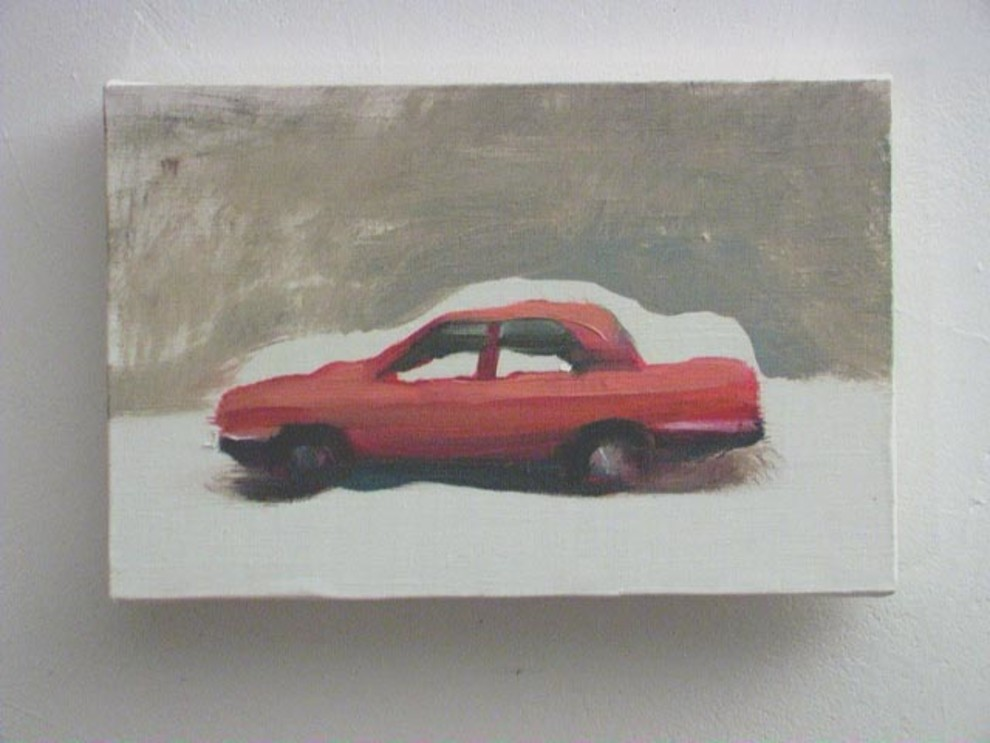
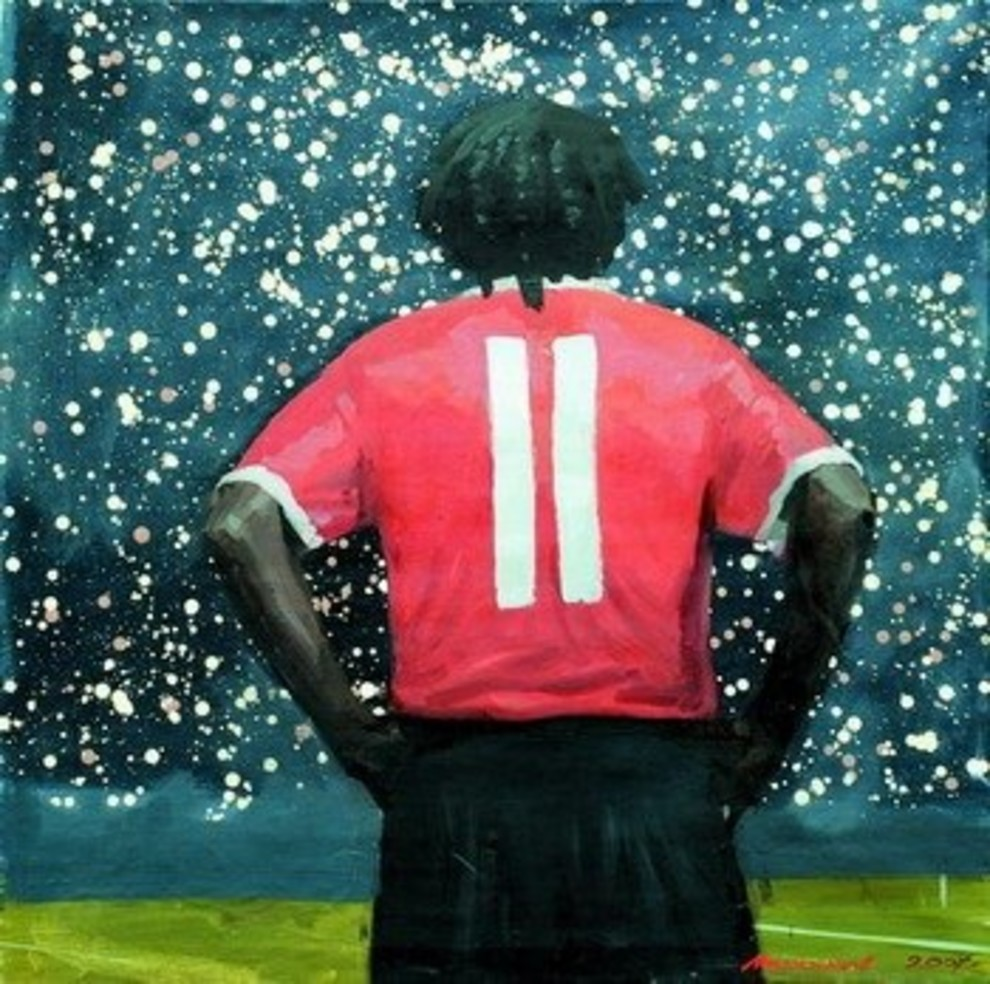
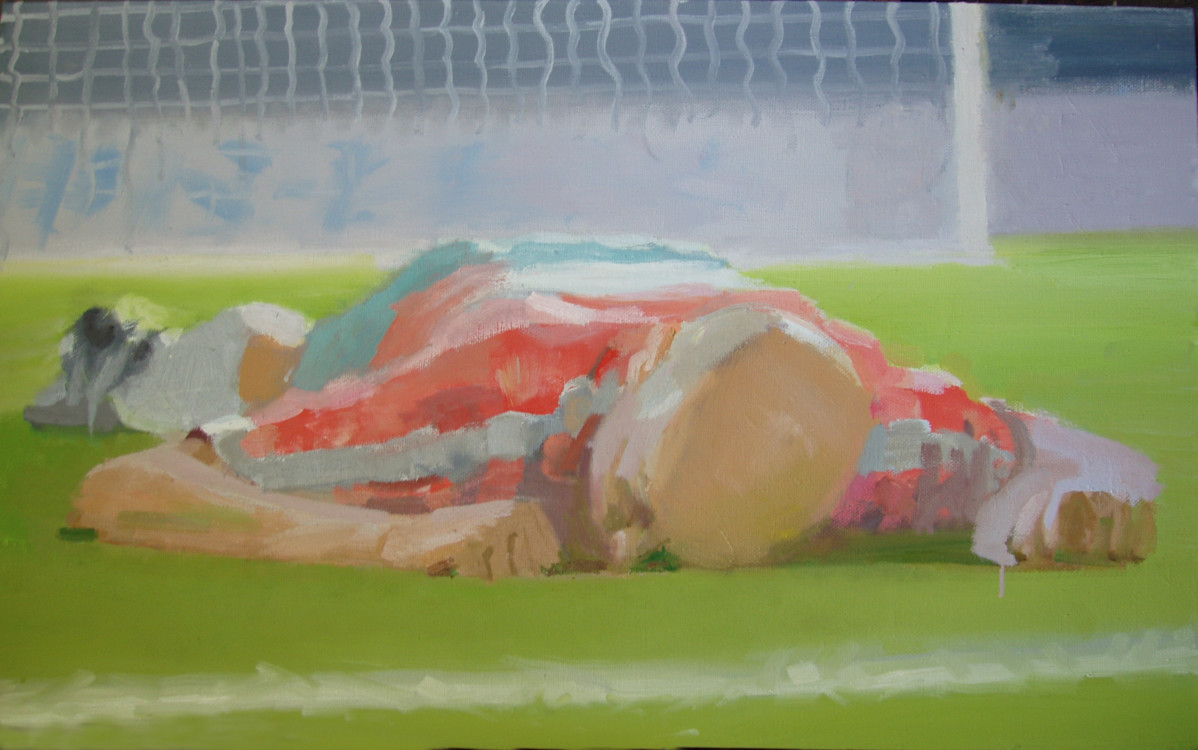
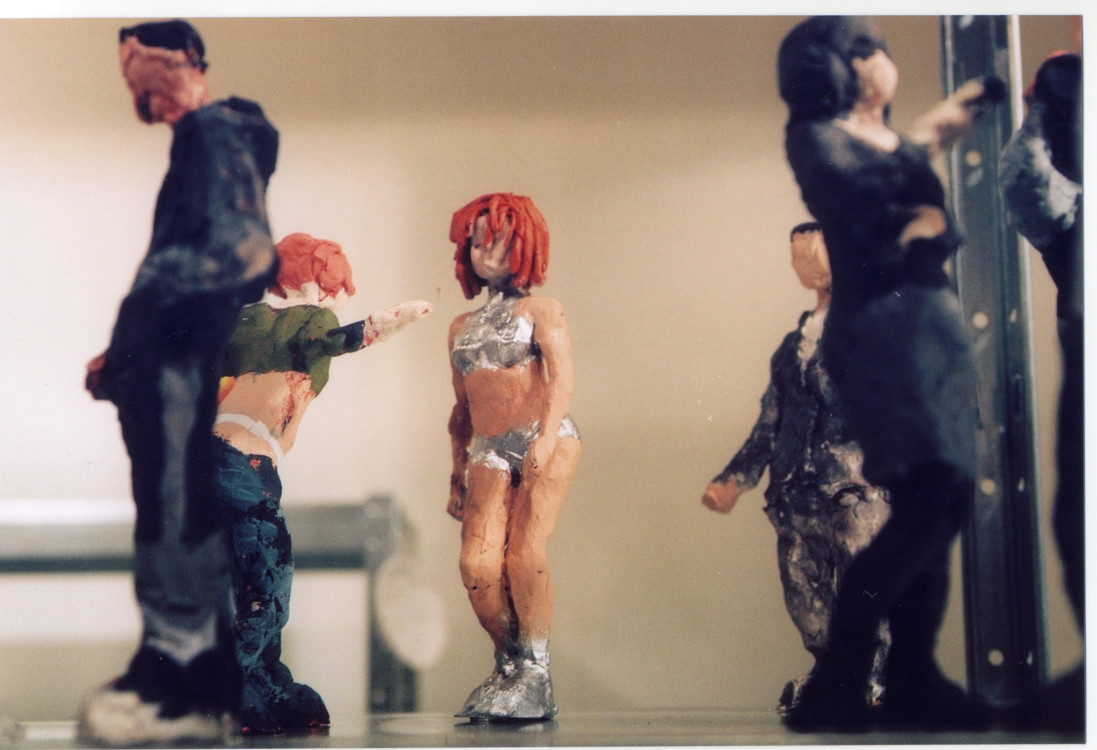
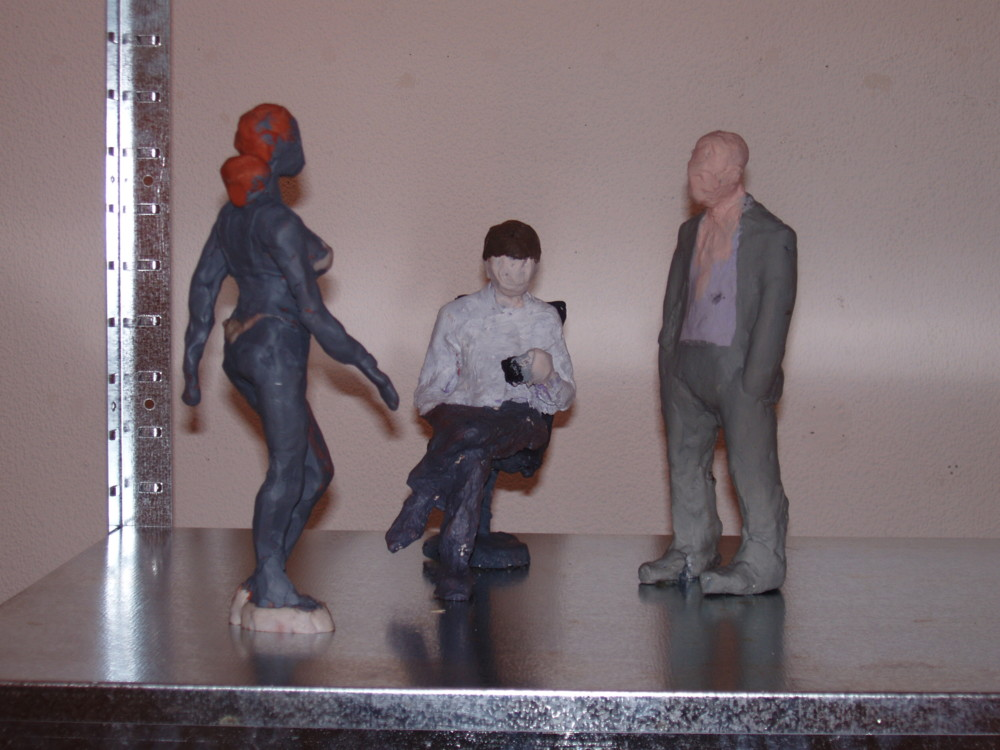
In the 2000s, the artist also worked with sculpture and experimented with installation. However, Mamsikov remained faithful primarily to painting. During this time, he created the series “High-rises”, “Billboards”, “Roads”, “Snowdrops”. His canvases feature well-known characters — artists Ihor Husiev and Kseniia Hnylytska, the Klitschko brothers, and football players of FC Shakhtar.
Color as form
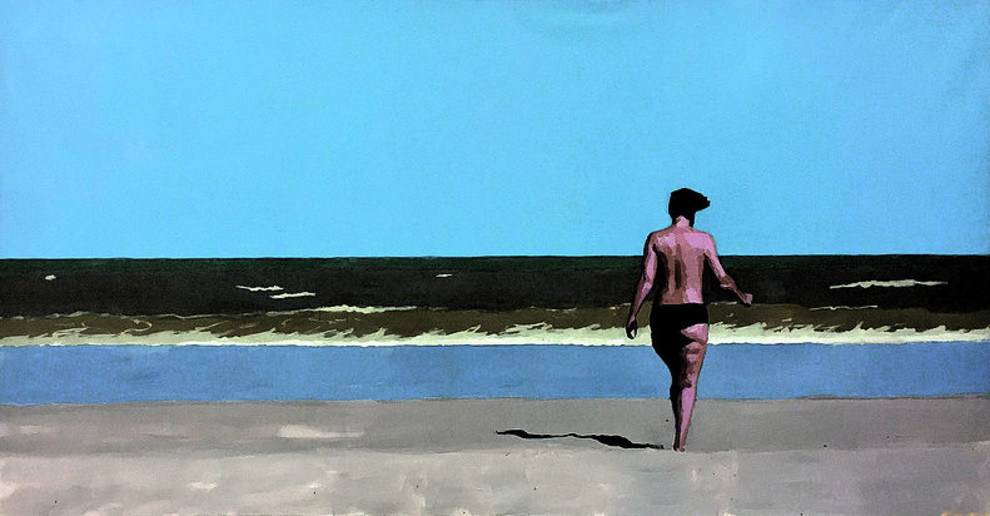
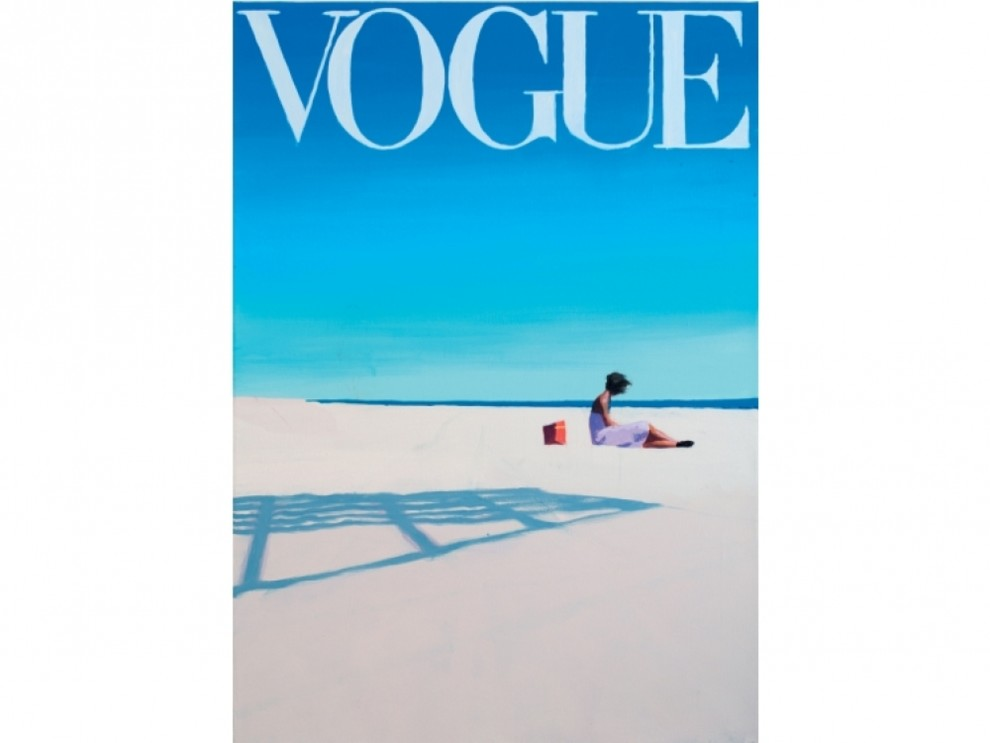
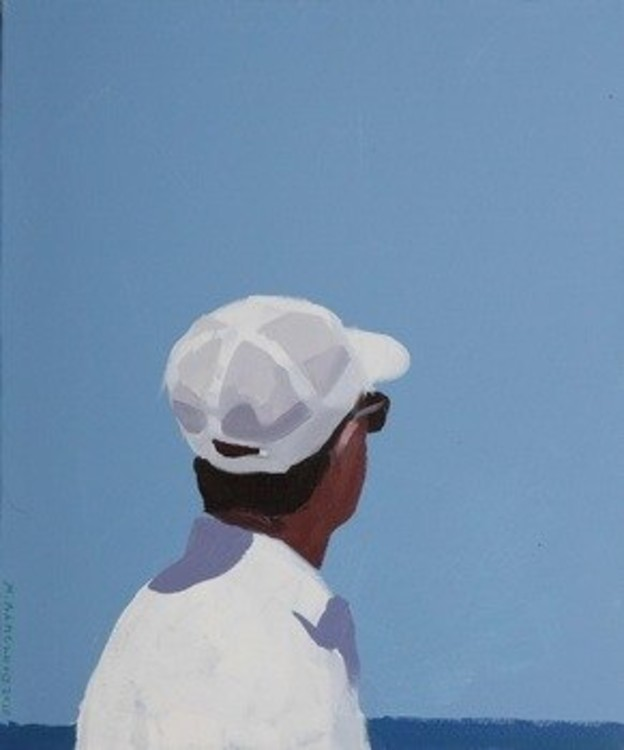
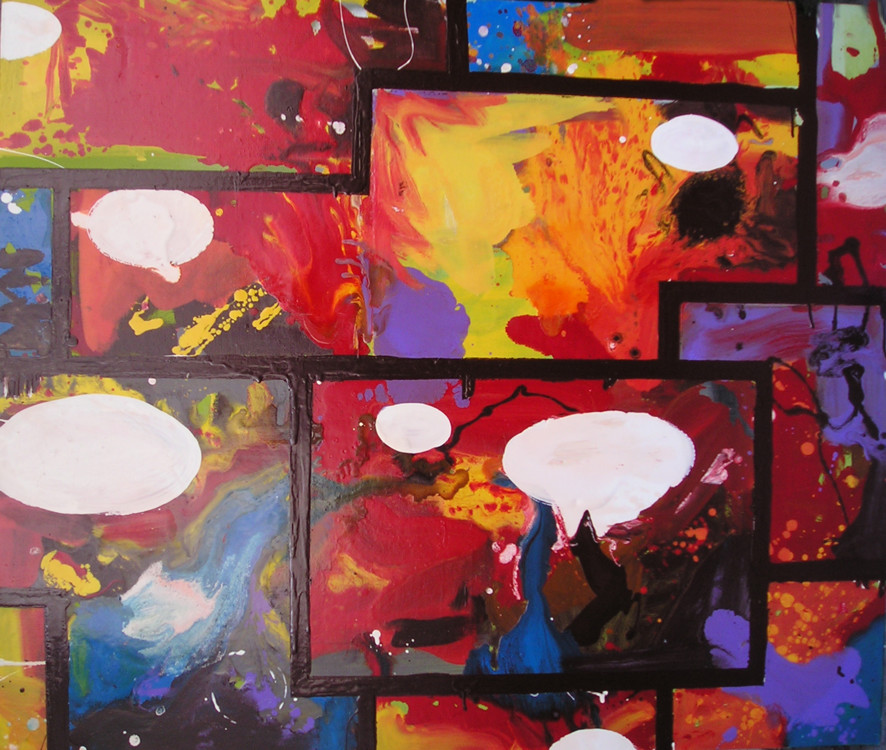
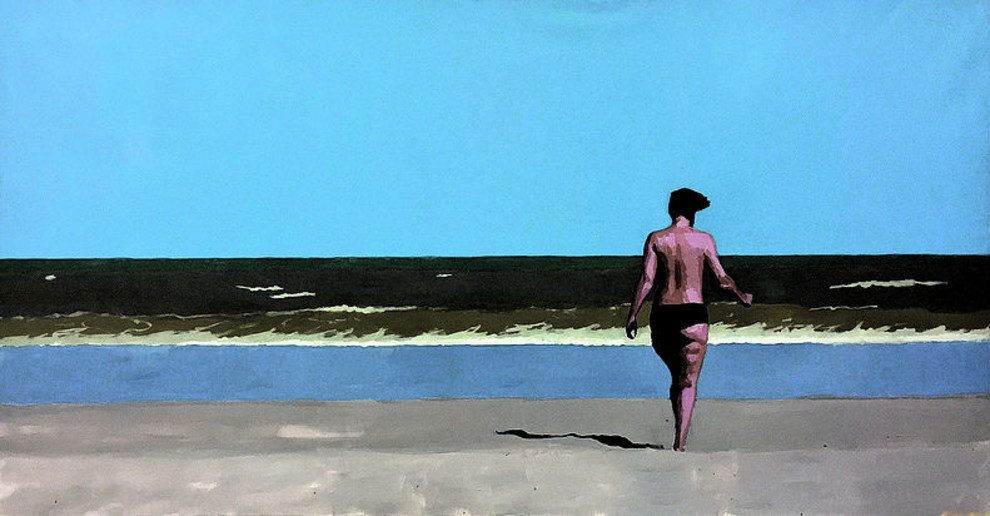
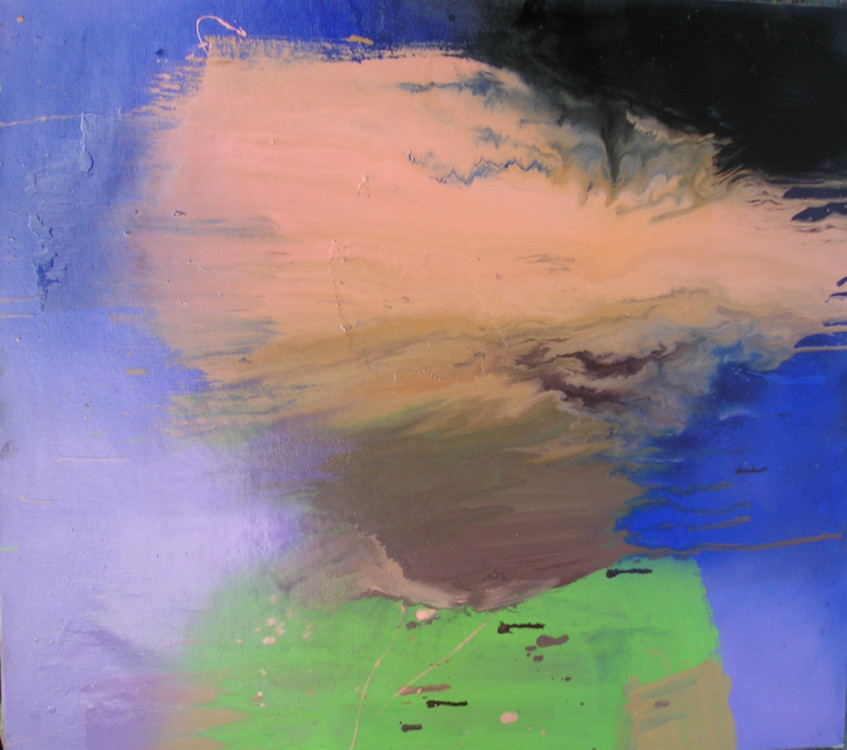
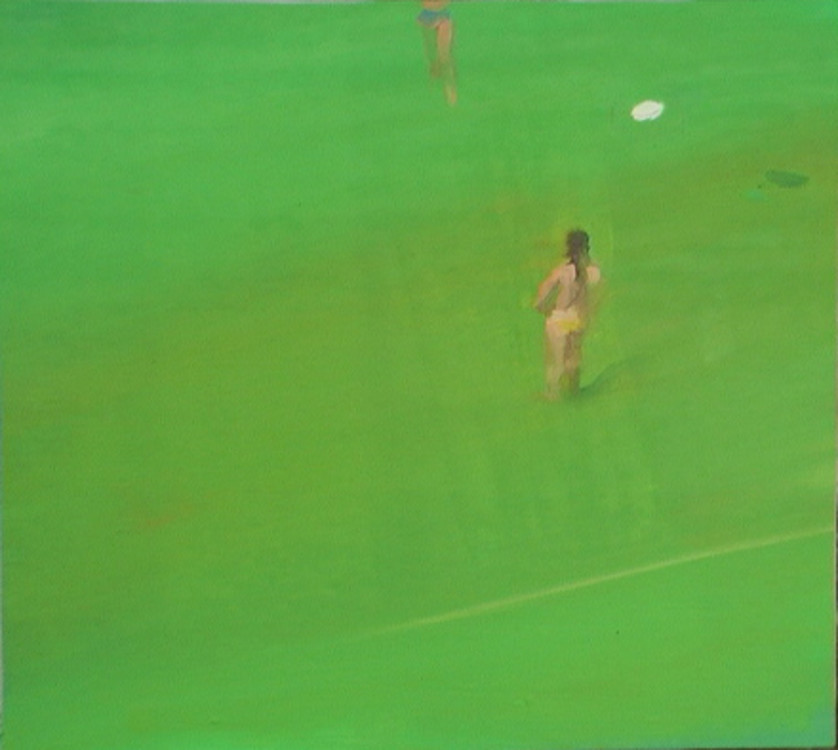
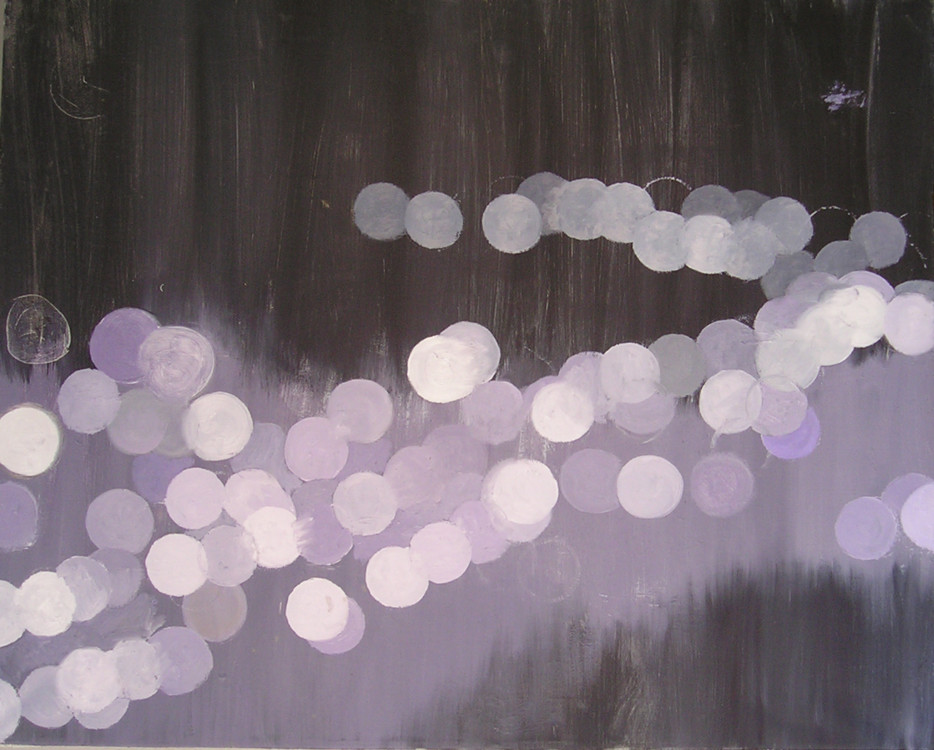
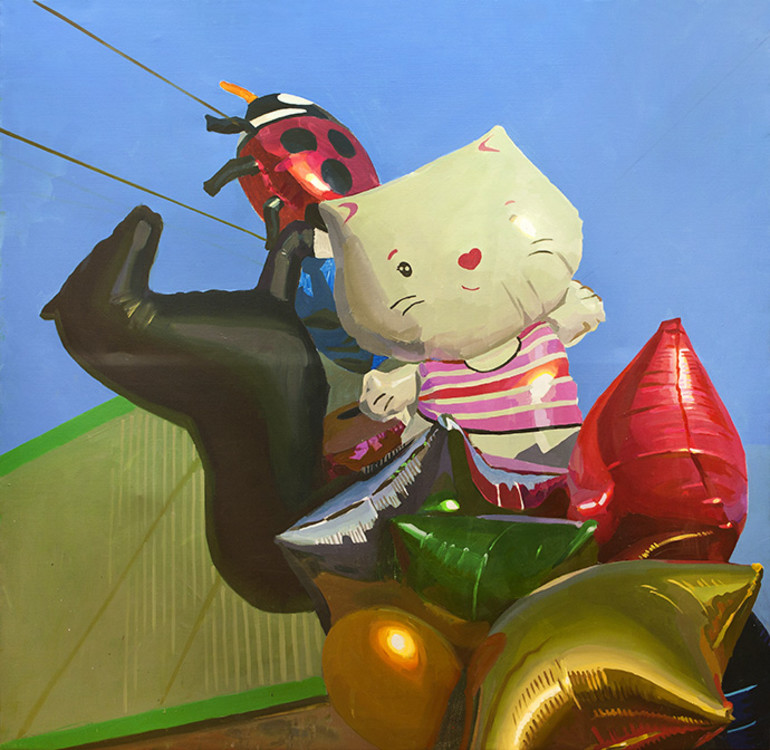
A new stage in Mamsikov’s painting began in the early 2000s, when working not so much with themes but with bright color became decisive for him. The artist created entire cycles of life-affirming “green works” and no less saturated “blue” ones, whose titles were formed by color. The “green” works are primarily related to football, the “blue” ones — to impressions from a trip to India. At the same time, balloons, seascapes, and unattractive bathers appeared, stylistically reminiscent of the works of the artist’s father, Vladyslav Mamsikov.
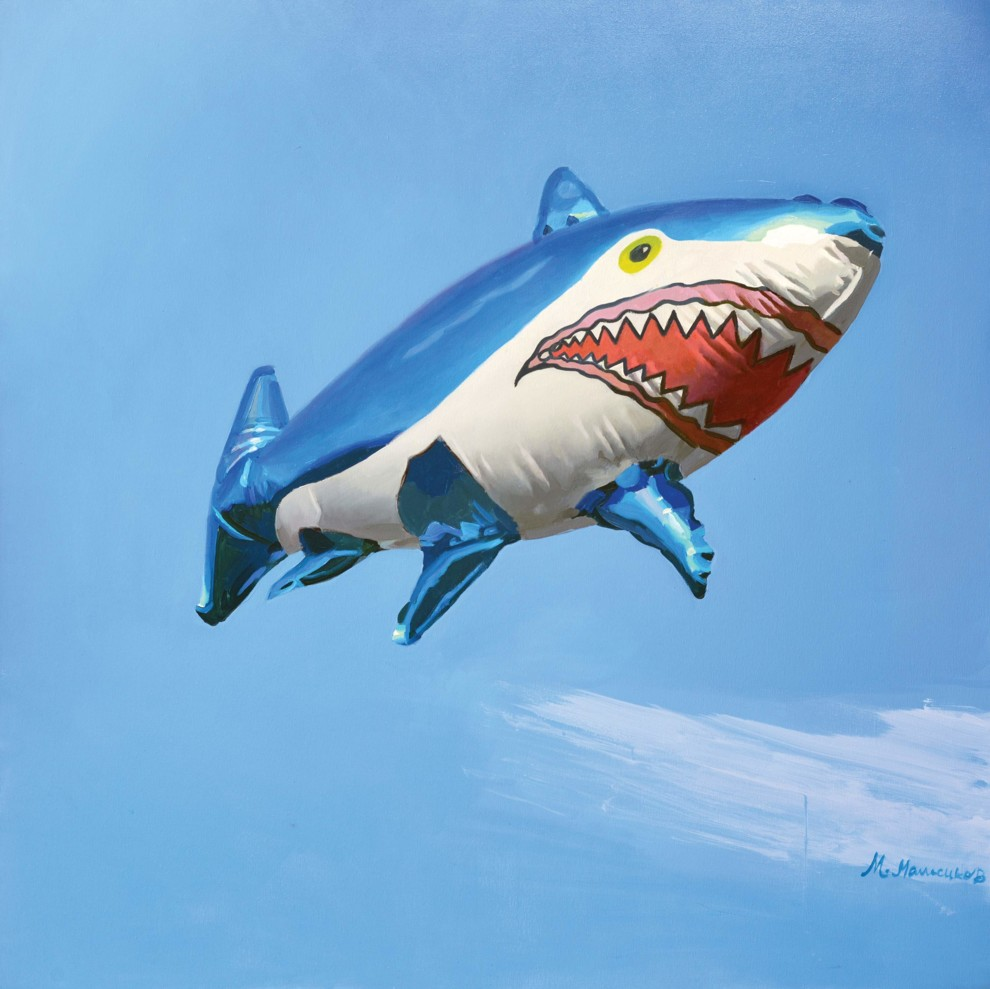
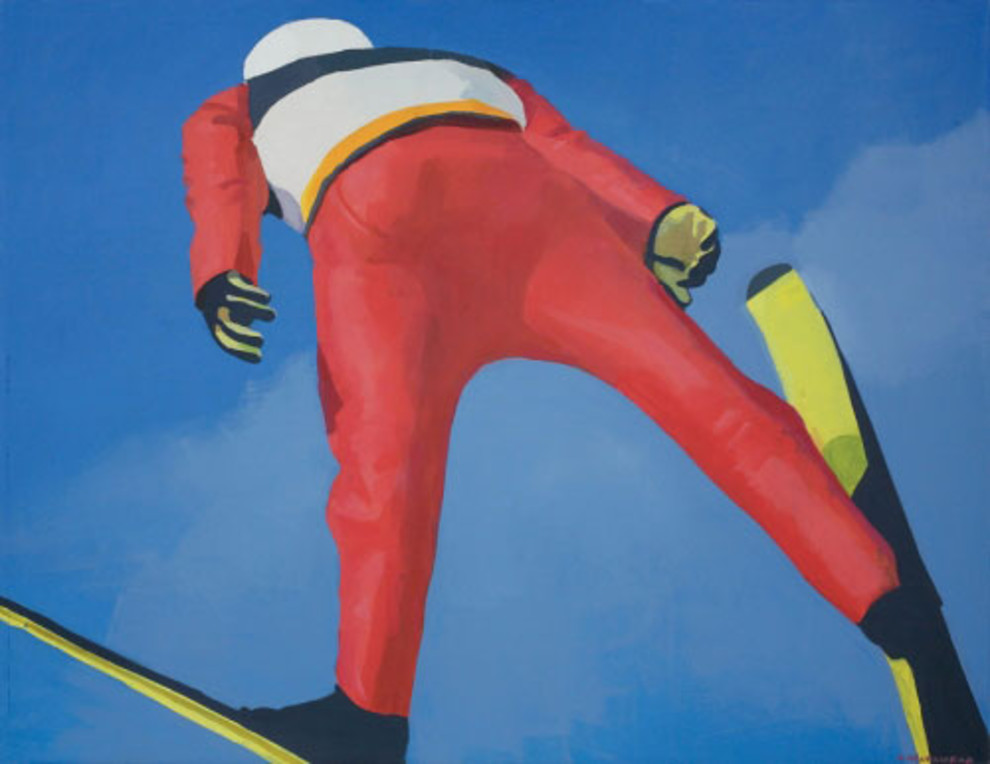
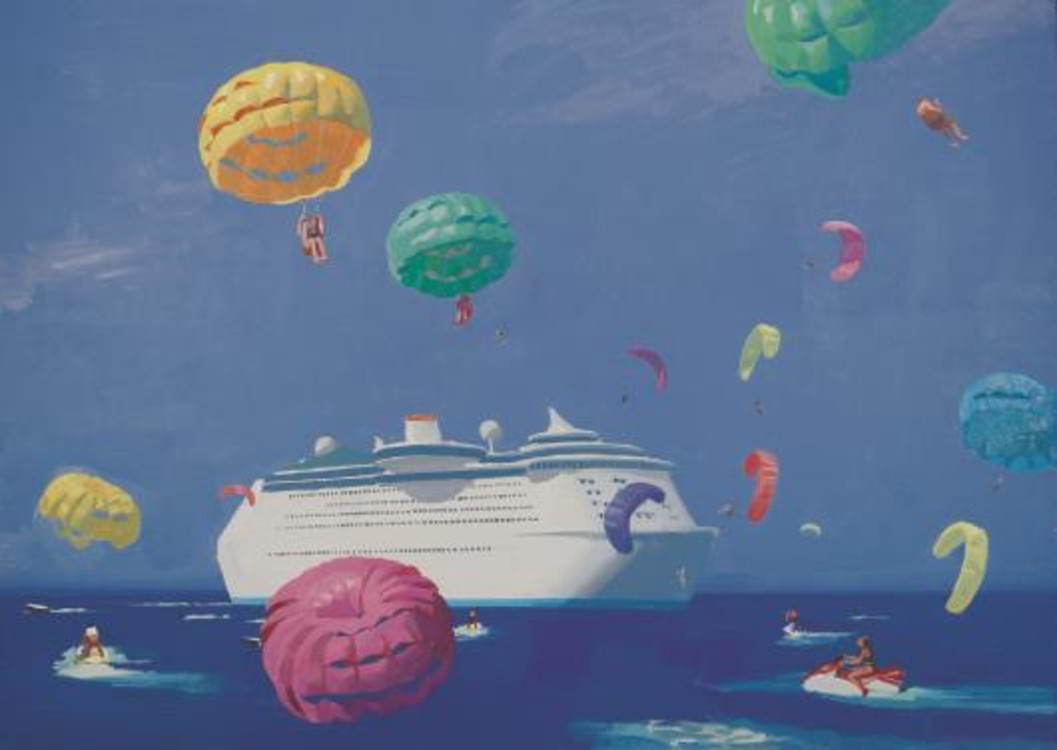
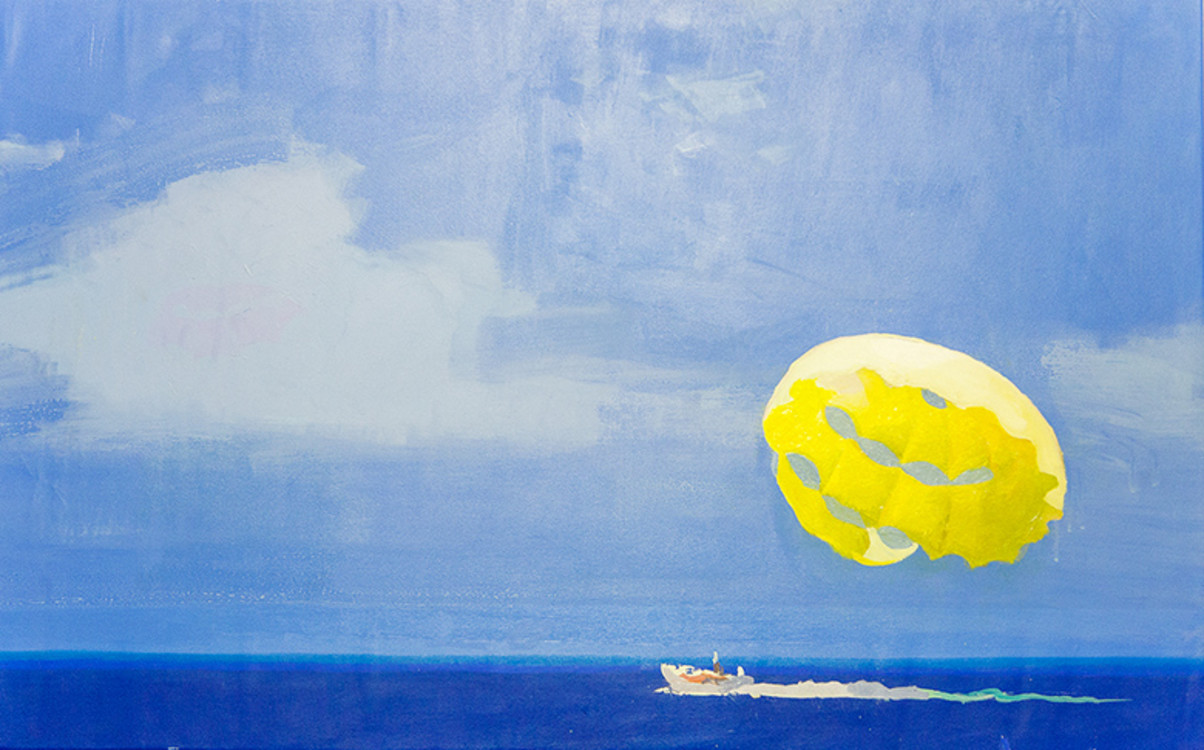
Mamsikov began working with blue in 2007. The so-called “blue cycle” works became a kind of artist’s calling card and were in great demand among collectors. It was with a “blue” work from 2009 that the artist debuted at the London Sotheby’s auction. His canvas “Seascape with Parachute” was sold for 10 thousand euros.
That same year, three more paintings by Mamsikov were sold at the Phillips de Pury auction: “Naval Battle” — for 20 thousand euros, “Lenin” — for 8 thousand, and “The Bell” — for 11.3 thousand euros.
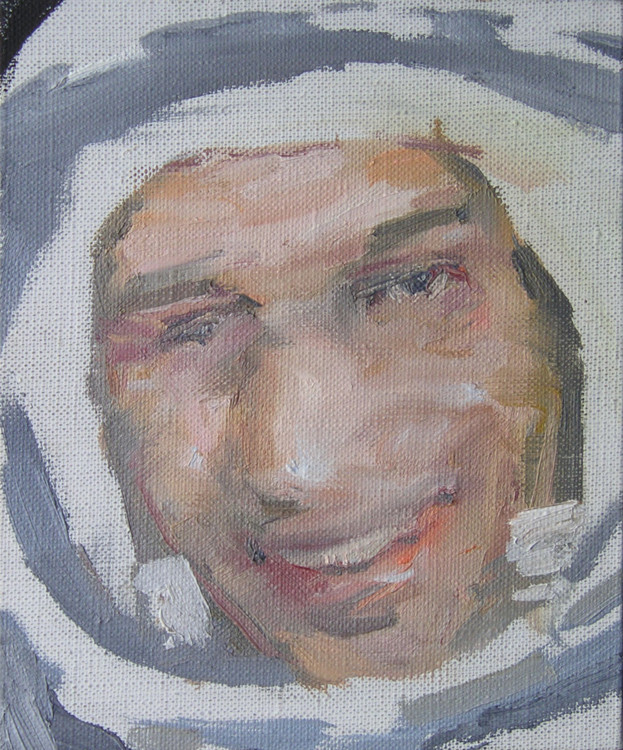
Mamsikov in private collections
Today, Mamsikov’s works are kept in private collections in Ukraine and abroad. Several of his works are in the collection of Kyiv’s Karas Gallery.
“Mamsikov is interesting for his searches. At the end of the 1990s — beginning of the 2000s, he constantly experimented, created sculptures from plasticine, and eventually returned to format painting. His paintings are very subtle and plastic studies of everyday life. Mamsikov differed from artists of his generation, such as Roitburd and Tistol. His colleagues thought epically, while he dealt with chamber, intimate themes. All this gives his works sensitivity,” says gallerist Yevhen Karas.
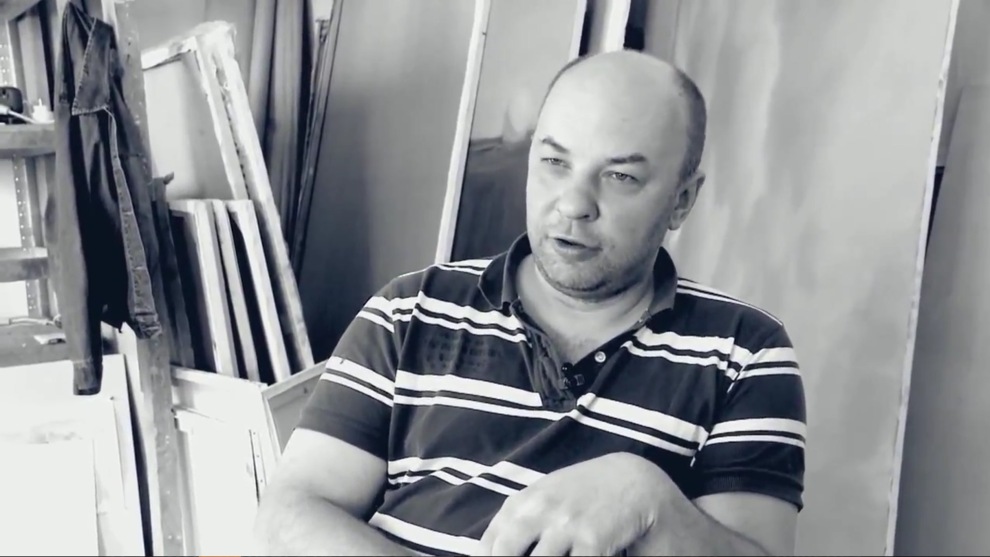
Many of Mamsikov’s works are now kept in the Hryn family collection.
“The Hryn family collection is a representative cross-section of Ukrainian art from the sixties generation to today,” says art historian Halyna Hleba. “The Hryns collect, among other things, works of artistic dynasties. One such dynasty in the collection is the Mamsikov family: Vladyslav Mamsikov, a bright representative of the seventies generation and the ‘strict style,’ and Maksym Mamsikov — a participant of Parkomuna and an artist of independent Ukraine.”