
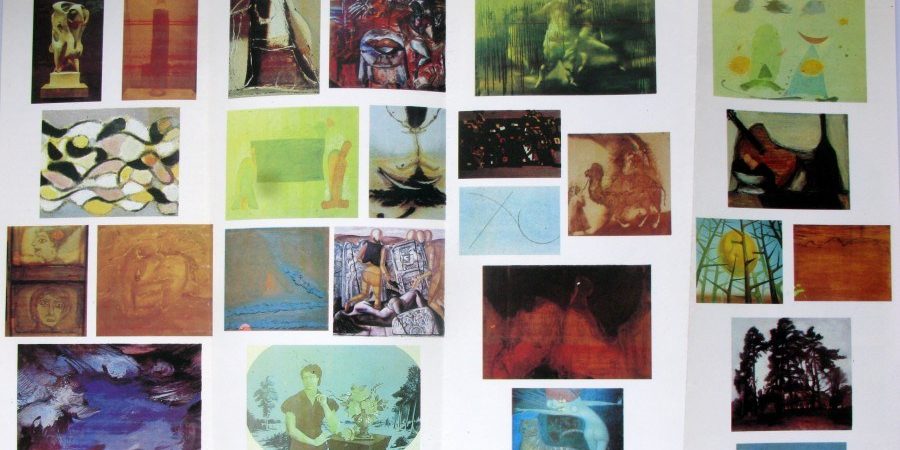
Sedniv plein air sessions are two-month creative residencies organized by the Union of Artists of the Ukrainian SSR at the House of Creativity and Recreation of the Artistic Fund of the Ukrainian SSR “Sedniv” (the town of Sedniv on the Snov River in Chernihiv region).
In contemporary Ukrainian art criticism, Sedniv plein air sessions usually refer to the sessions of 1988, 1989, and 1991, which were held under the leadership of the then head of the youth section of the Union of Artists, Tiberiy Silvashi, and art historian Oleksandr Solovyov. These sessions contributed to the formation of an artists’ community and defined the development vectors of Ukrainian art during the period of the USSR’s collapse.
Sedniv plein air sessions emerged within the general plein air movement that existed in the USSR. In Russia, there were also Houses of Creativity, such as “Senezh” in the Moscow region, founded in 1945 on the shore of Lake Senezh, and “Staraya Ladoga” near Leningrad (now Saint Petersburg), organized the same year.
The plein air movement in the USSR was most active during Khrushchev’s “thaw” — in the late 1950s to early 1960s, when romantic tendencies began to appear in painting [1]. At that time, several Houses of Creativity appeared in the Ukrainian SSR — the All-Union Korovin House of Creativity in the urban-type settlement of Gurzuf in Crimea, creative bases in Ochakiv and Zhdenievo (Transcarpathia), the House of Creativity and Recreation of the Artistic Fund of the Ukrainian SSR “Sedniv” in Chernihiv region [2], and others. The first plein air session in Sedniv took place in spring 1964 [3].
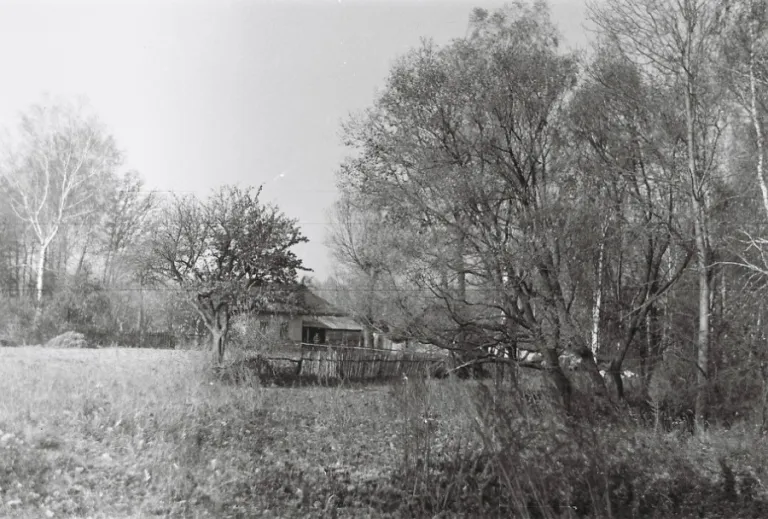
Regular visitors to the Sedniv creative base in the 1960s–1980s included artists Tetiana Yablonska, Viktor Shatalin, Mykola Hlushchenko, Mykhailo Derehus, Vira Barinova-Kuleba [4]. Many of them taught at the Kyiv State Art Institute, and some even taught artists of the so-called “new wave,” which allows establishing the continuity of the Ukrainian plein air painting tradition. Tetiana Yablonska later recalled: “For me, Sedniv is an indispensable place of genuine human communication… […] For me, Sedniv is still inexhaustible” [5].
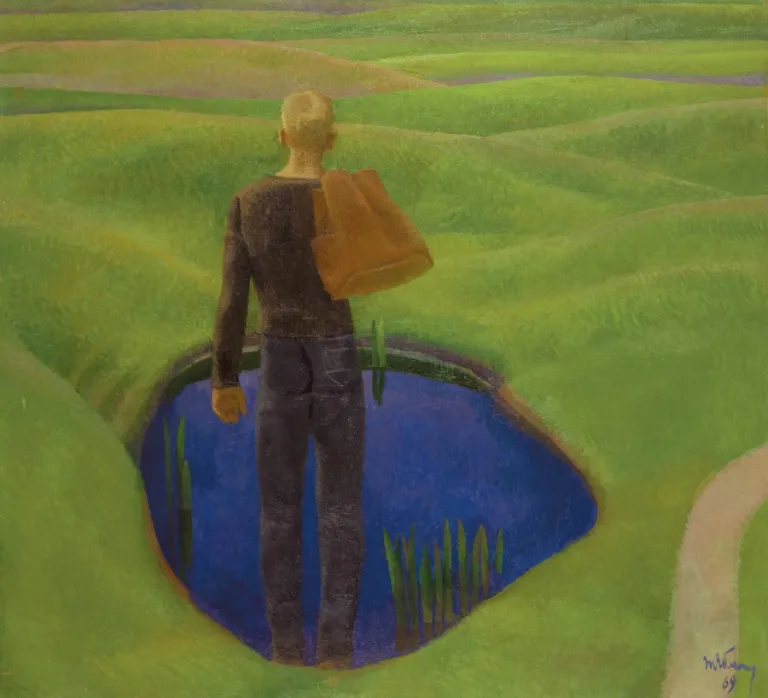
In February 1987, Tiberiy Silvashi became head of the youth section of the Union of Artists of the Ukrainian SSR. That same year, a planned plein air session was held in Transcarpathia at a mountain boarding house, organized by the Transcarpathian branch of the Union of Artists of the Ukrainian SSR, where Tiberiy Silvashi tried to include his group of artists. Among the Kyiv artists invited by Silvashi, Hlib Vysheslavskyi, Anna Sydorenko, Serhii Panych, and Kostyantyn Lyashev participated in this session [6].
Subsequently, the plein air sessions in Sedniv were organized by the head of the youth section of the Union of Artists, Tiberiy Silvashi, and art historian Oleksandr Solovyov. The selection of participants for the 1988 session began at the planned youth exhibition held at the Republican House of Artists. The organizers created a base of young artists with interesting artistic languages, in their opinion, and personally invited them to participate in the residency.
The curator of the plein air sessions, Tiberiy Silvashi, recalls: “Oleksandr Solovyov and I created a kind of database of young talented artists. About on the second or third day of the exhibition committee, it became clear that these people needed to be gathered together” [8].
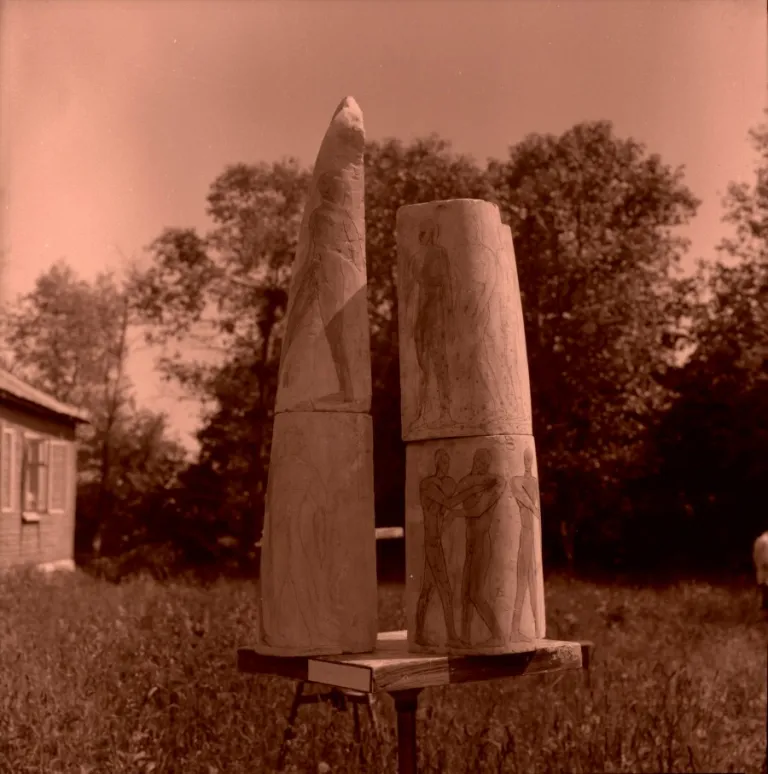
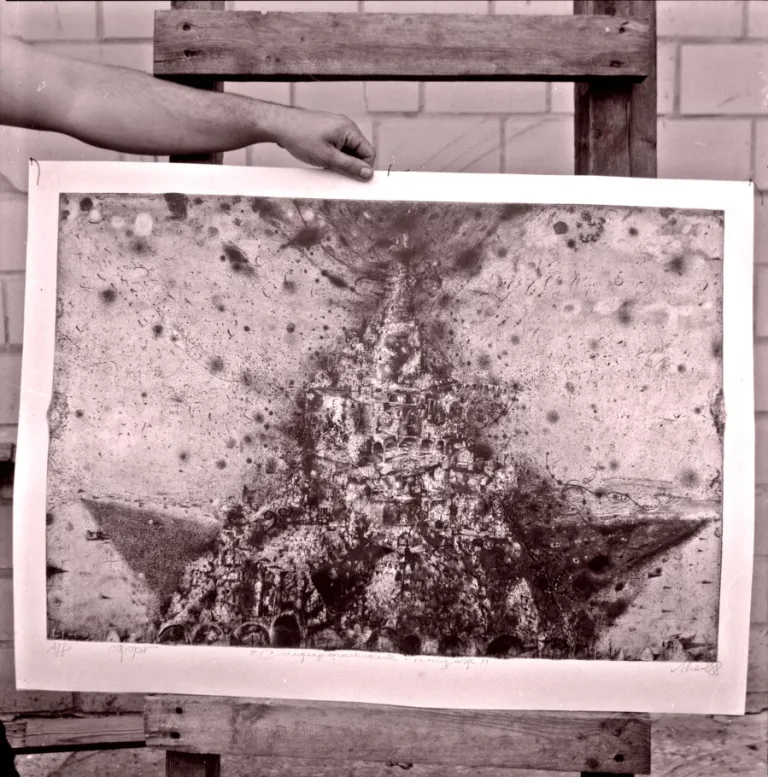
Young artists were allocated studio rooms at the Sedniv recreation house and provided with an educational program, within which invited specialists gave several lectures. In particular, the head of the Union of Artists, Andriy Chebykin, spoke about his trip to New York with a demonstration of photos from recent exhibitions of contemporary American art; artist Oleksandr Milovzorov gave a lecture on ceramics and tapestries by Lviv and Tallinn artists; and lecturer Sirje Helm from Tallinn (Estonia) [9] gave a report on postmodernism in the context of contemporary Lithuanian art [10].
The 1988 session was attended by a group of art history students under the guidance of Professor Iryna Mykhailivna Blyumina of the Kyiv State Art Institute (now the National Academy of Fine Arts and Architecture) [11]. As Tiberiy Silvashi recalls, “I considered it very important that art historians and artists participate together, so art historians were present at the first, second, and third sessions” [12].
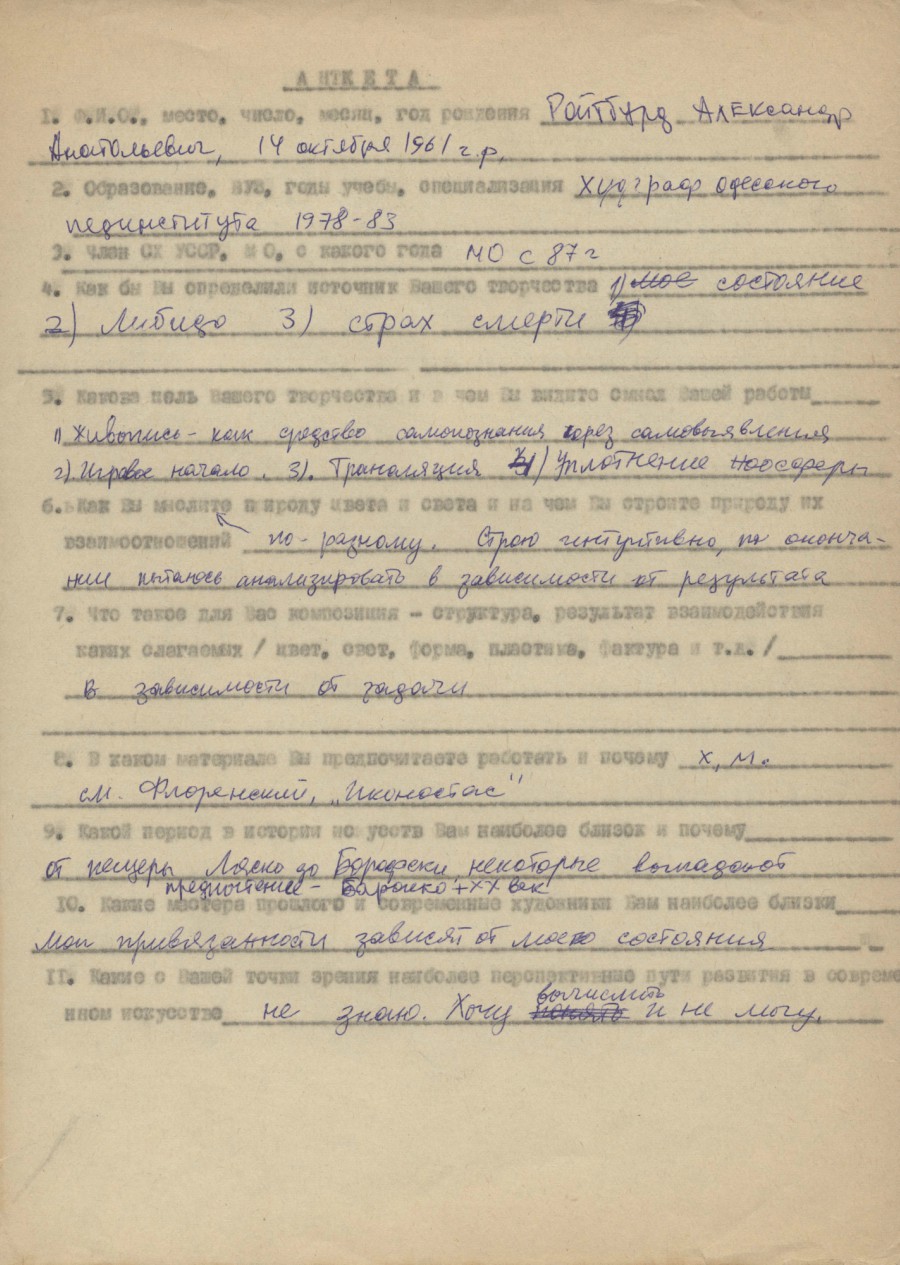
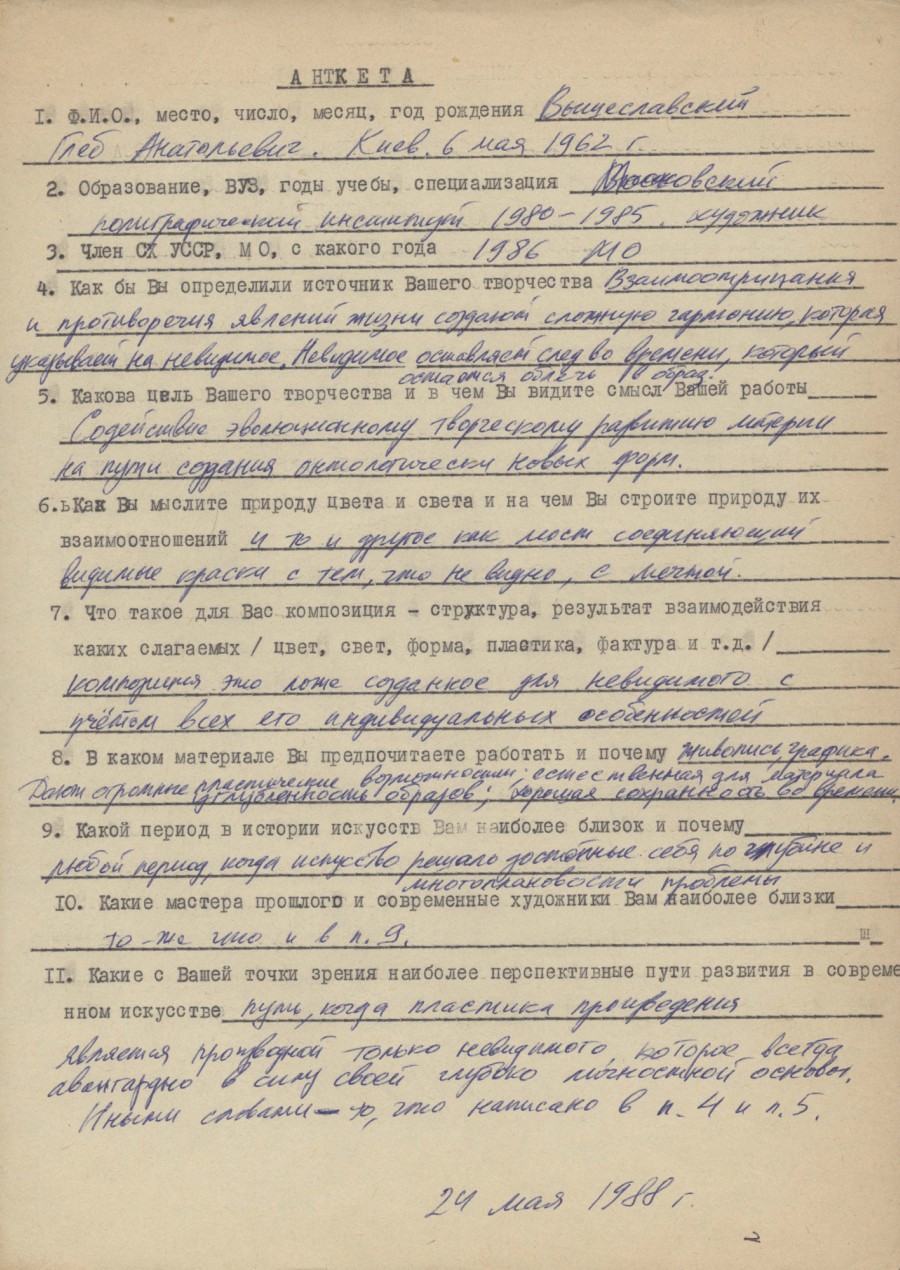
At the 1988 session, art historian Iryna Panych, wife of artist Serhii Panych, conducted a survey among the participants. She asked respondents to name their favorite period in art history, the most promising paths for the development of contemporary art, or “to identify the source of their creativity.” Artists Oleksandr Roitburd and Pavlo Makov indicated Baroque as a period close to them in art history, but most participants wrote “contemporary art” in this field. Among favorite artists, Morandi, Rembrandt, and Giotto were often mentioned. The questions for the survey were formulated by Iryna Panych together with the group leader Tiberiy Silvashi [13].
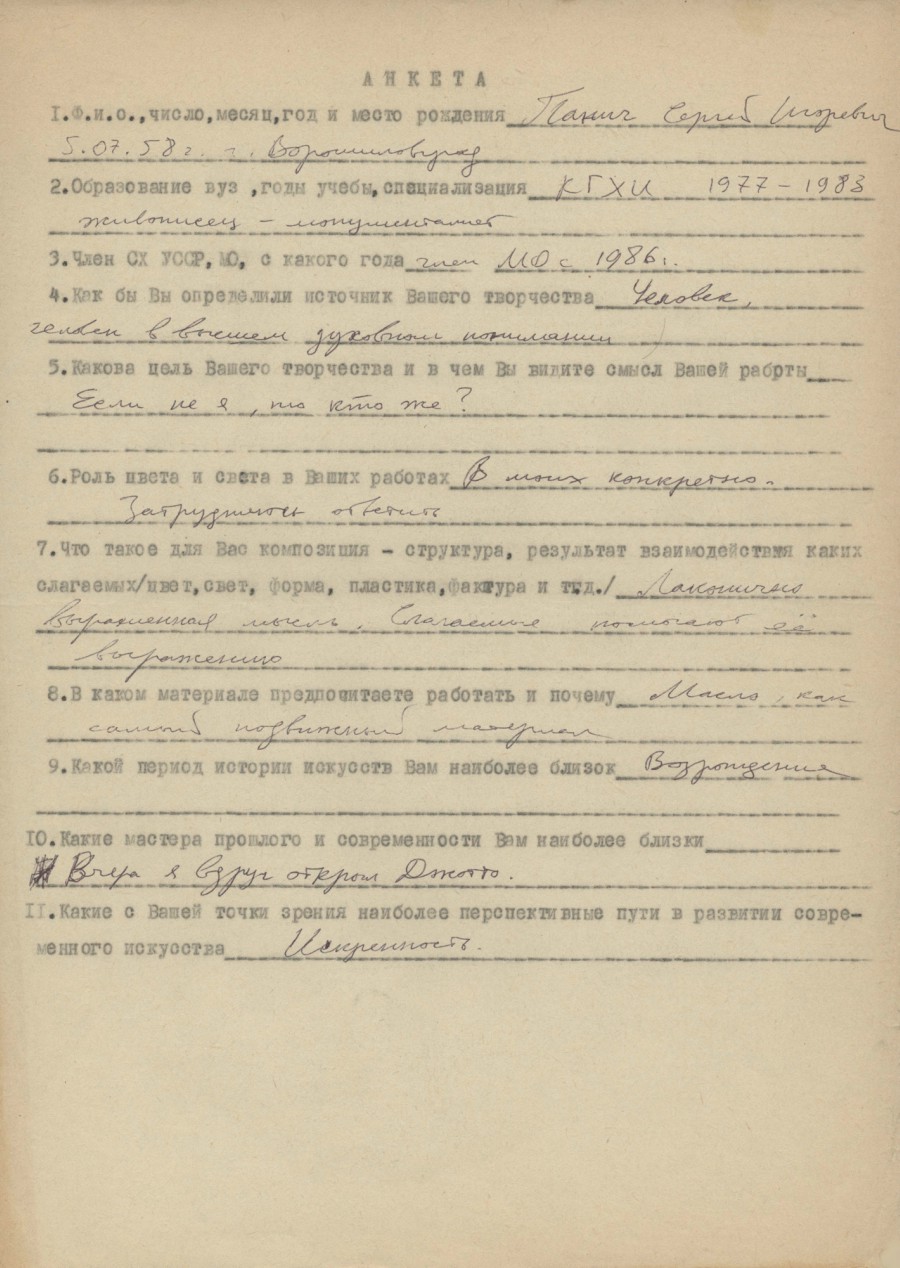
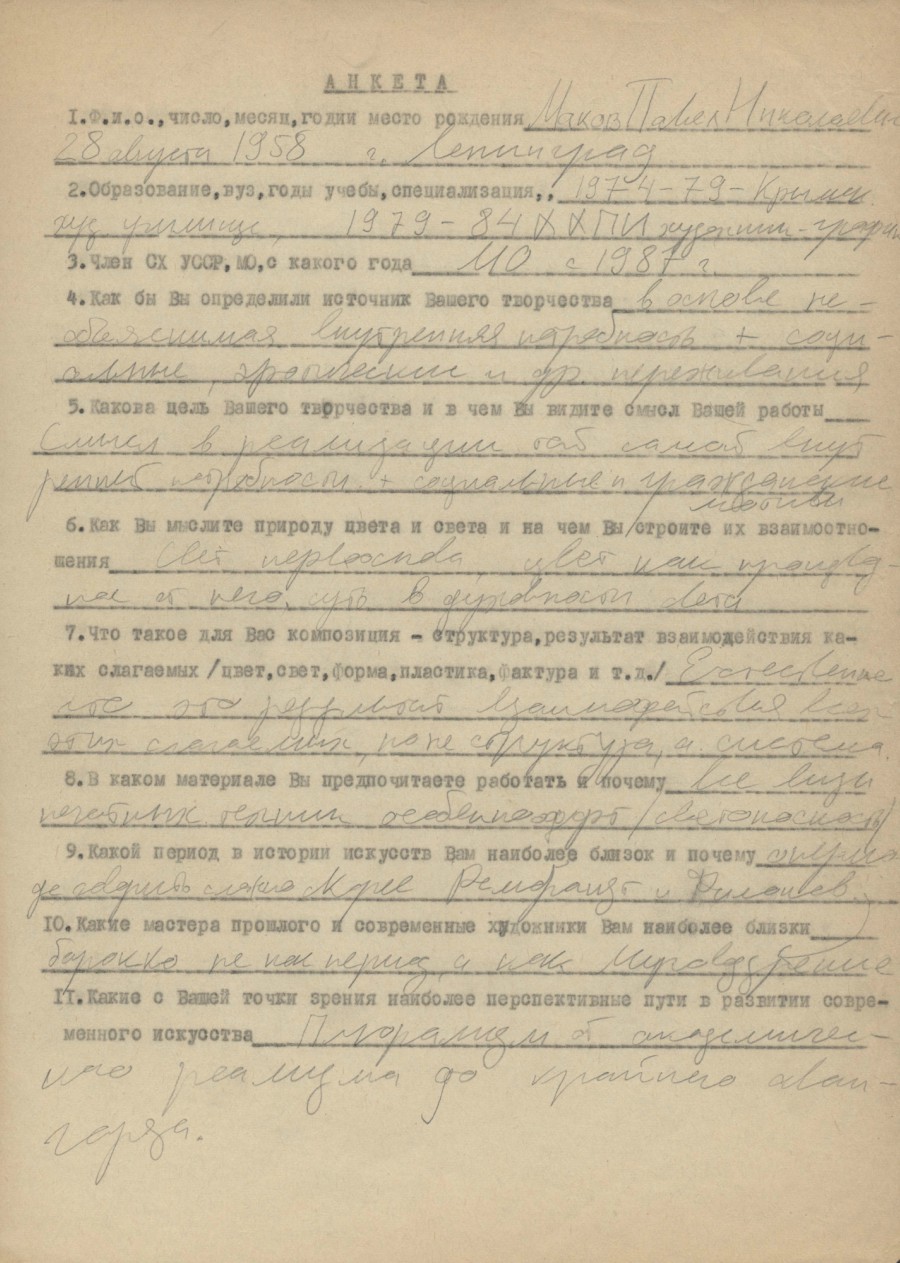
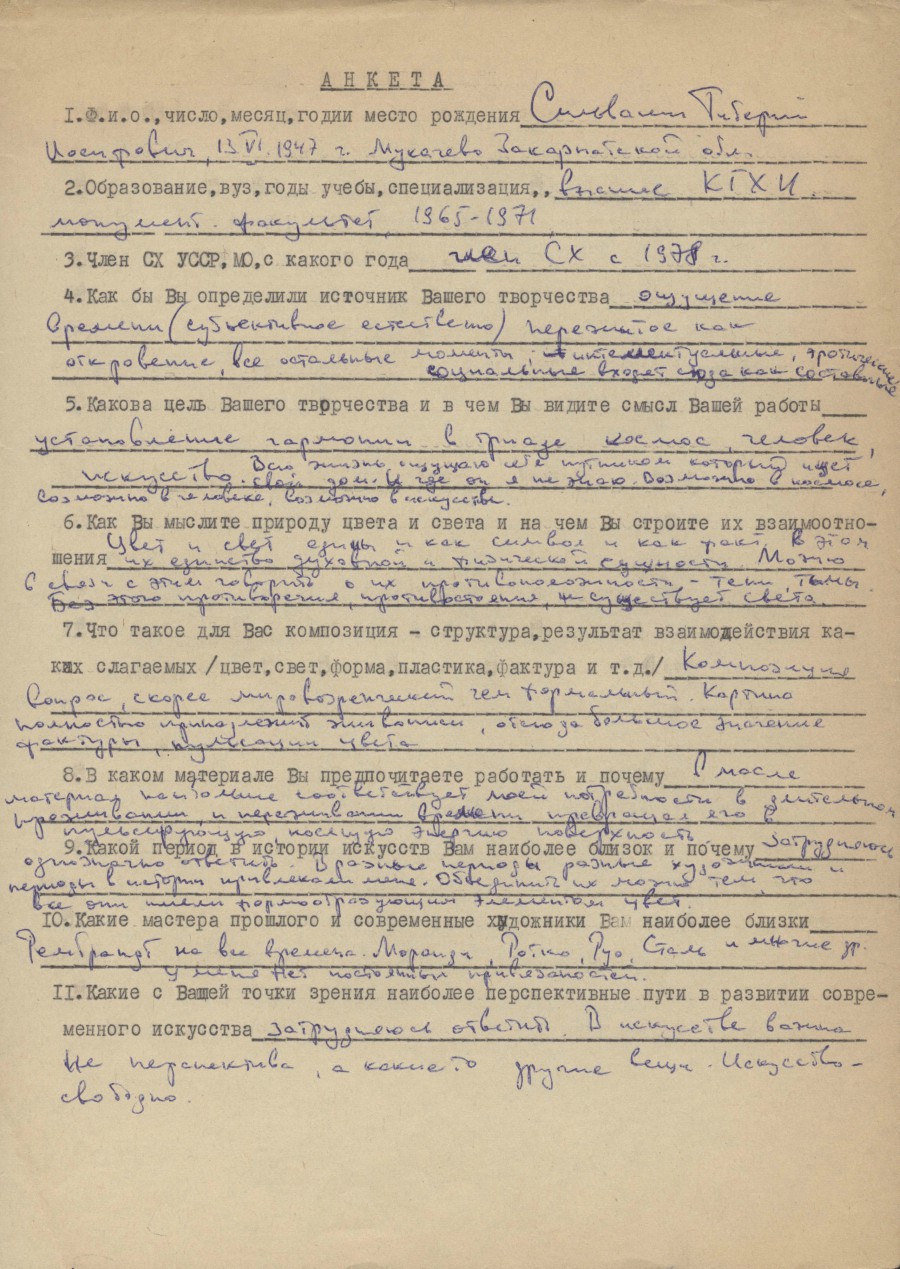
Several texts were written by art historians about the 1988 session: Olesya Avramenko wrote an article for the magazine “Ranok” [14], Iryna Panych (Komarova) for “Fine Arts” [15], and later a critical article by Olga Petrova appeared in “Zerkalo Nedeli” [16].
According to Tiberiy Silvashi, the main goal of the session, particularly in 1988, was to form an environment of a new generation of artists, since at the sessions the collective had the opportunity to discuss and receive a more objective critical evaluation of their own work. In the late 1980s and early 1990s, the Ukrainian art community experienced a crisis of self-identity and especially needed unification and support not only to resist the Soviet system and move away from the conservative Soviet academic painting school but also to develop a new independent contemporary Ukrainian art. The Sedniv session of 1988 became one of the first notable attempts to form a new circle of artists.
After the first session, an unscheduled reporting exhibition “Sedniv 88” was held at the Republican House of Artists in Kyiv. On its final day, a discussion of the exhibition took place, which took on a sharp controversial form. In the August issue of the newspaper “Culture and Life,” there was an announcement of the intention to publish in subsequent issues the opinions about the presented paintings from everyone who attended the “Sedniv 88” exhibition: both experts and art lovers [17].
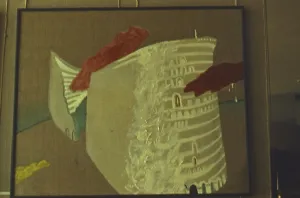
Вид експозиції виставки «Седнів 88» у виставковій залі Спілки художників УРСР
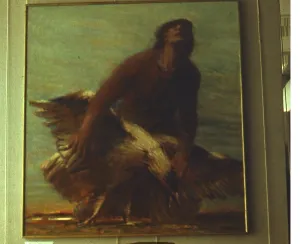
Вид експозиції виставки «Седнів 88» у виставковій залі Спілки художників УРСР
In subsequent issues of the newspaper, Oleksandr Solovyov’s article “Space of Tolerance” appeared. The author emphasized that a new methodological idea was developed at the sessions — the idea of pluralism, which was on everyone’s lips at that time [18]. Then articles by Oleksiy Zhuravel “Space of Tolerance or Monopoly of Modernism?” and Vasyl Afanasiev “Search for Individuality” were published. Zhuravel ironically used terms from Solovyov’s text, putting them in quotes, such as “new metaphoricalness,” “idea of pluralism,” “intellectual game.” Zhuravel also wrote: “…you are surprised by the winglessness and decline of Ukrainian fine art until the milestone exhibition ‘Sedniv 88′” [19].
In 1989, future participants of the squat “Paris Commune” Valeriia Trubina, Oleg Holosiy, and Oleksandr Hnylytskyi took part in the Sedniv session [20]. That year, the reporting exhibition was held at the Museum of Ukrainian Fine Arts.
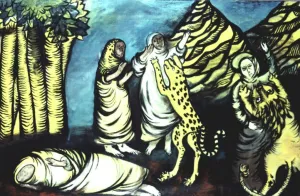
Роботу створено під час «Седнівського пленеру» 1989 року
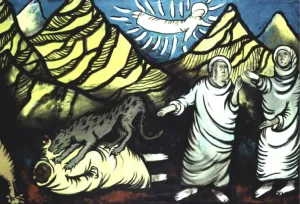
Роботу створено під час «Седнівського пленеру» 1989 року
The subsequent Sedniv sessions of 1989 and 1991 no longer faced fierce resistance from the public and older generation art historians.
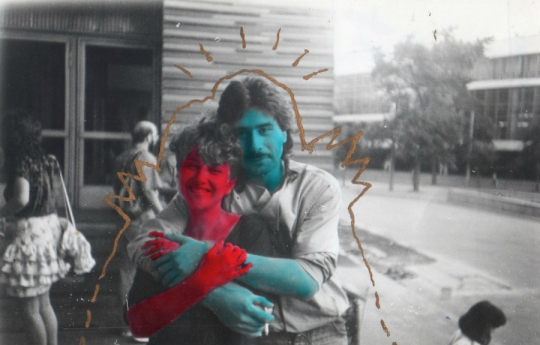
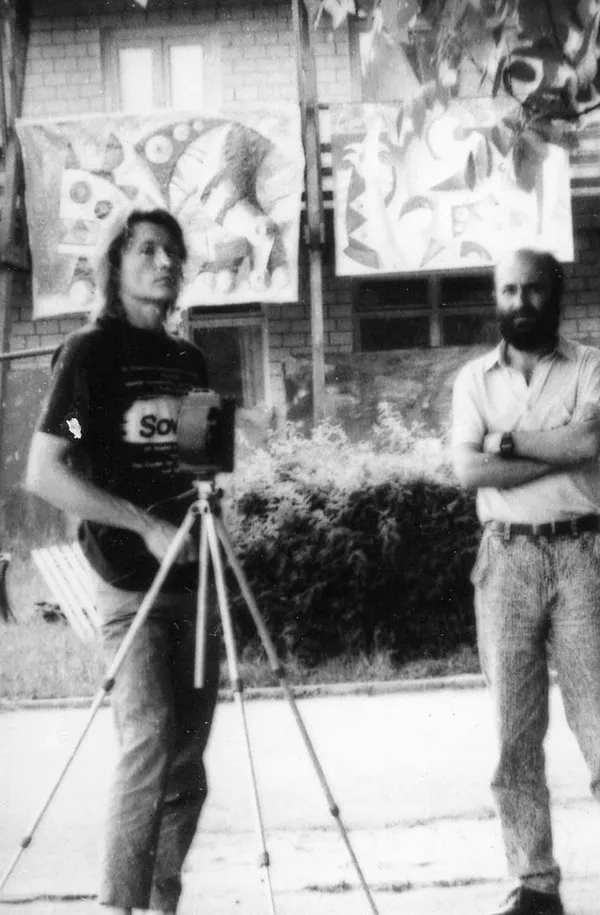
As Oleksandr Solovyov notes, “the result of the first session was an improvised exhibition in the halls of the Union of Artists, perceived by the art officialdom as a diversion undermining academic foundations, and the result of the second was already a prestigious exposition in the halls of the State Museum of Ukrainian Fine Arts (now the National Art Museum of Ukraine)” [21].
In 1990, the Union of Artists did not have resources to organize a youth session, so funds for the 1991 session were raised with the help of sponsors. In 1991, fifth-year students were allowed to participate. That year, Vasyl Tsagolov, Petro Bevza, Oleksandr and Serhii Zhivotkov, Eduard Belskyi, Dmytro Dulfan, Anatoliy Kryvolap, Serhii Zvyahintsev, and others came to Sedniv [22]. The 1991 reporting exhibition was not held, perhaps because “at that time the atmosphere was completely different, it felt like the format had exhausted itself” [23].
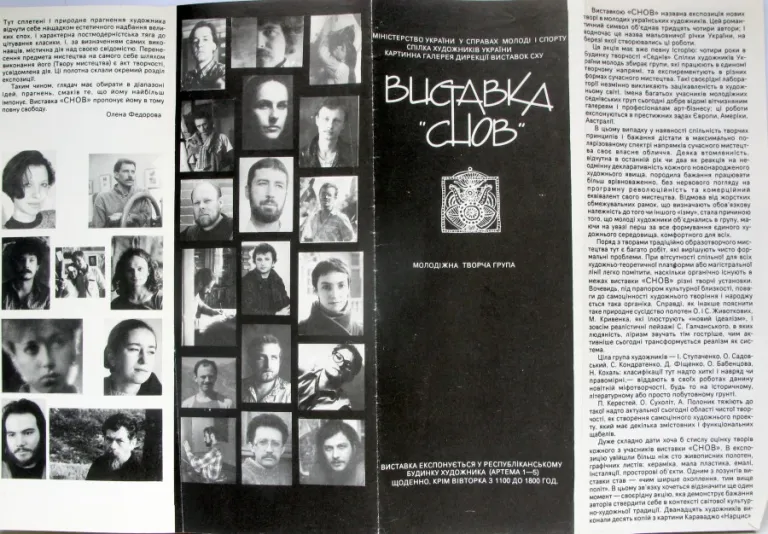
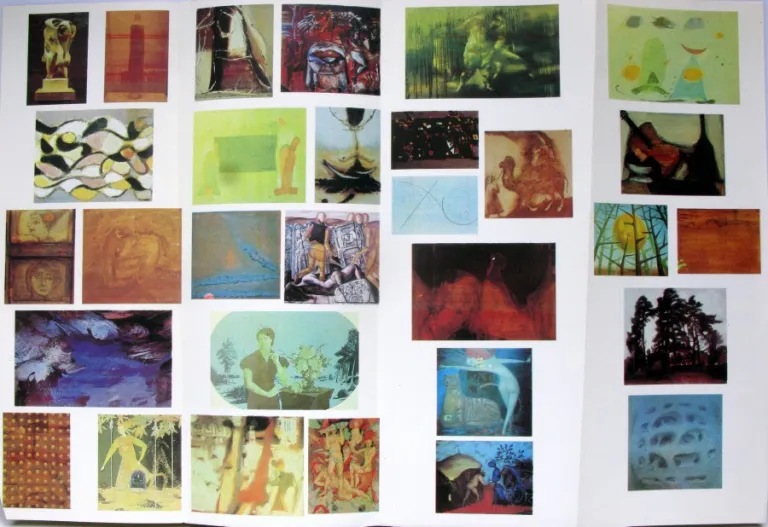
In the mid-1990s, the “Snov” plein air sessions were also held in Sedniv. They were organized by Dmytro Fishchenko — an artist and elder of the second and third trips to Sedniv [24]. However, unlike in 1988 and 1989, these sessions no longer had a serious educational program. Participants included Oleksandr and Serhii Zhivotkov, Mykola Kryvenko, Pavlo Kerestey, Oleksandr Sukholit, and others [25].
At the Sedniv plein air sessions, the concept of artists’ collaboration changed for the first time. Whereas previously plein air sessions involved studies in nature, the Sedniv sessions had features of a modern art residency: an educational program, freedom of creative realization, a reporting exhibition, and importantly, artists were provided with studios, accommodation, materials, etc. The Sedniv sessions created a unique precedent and marked a disruption in the Soviet art apparatus system, as they brought unofficial art to an official level while using state resources — funds of the Union of Artists.
The presence of many gifted young people in one place literally helped establish connections, gave impetus to a new stage in Ukrainian art, and contributed to the creation of artistic associations. As the curator of the sessions, Tiberiy Silvashi, notes, “there remained one step to the final formation of two groups — the ‘Painting Reserve’ and the ‘Paris Commune'” [26].