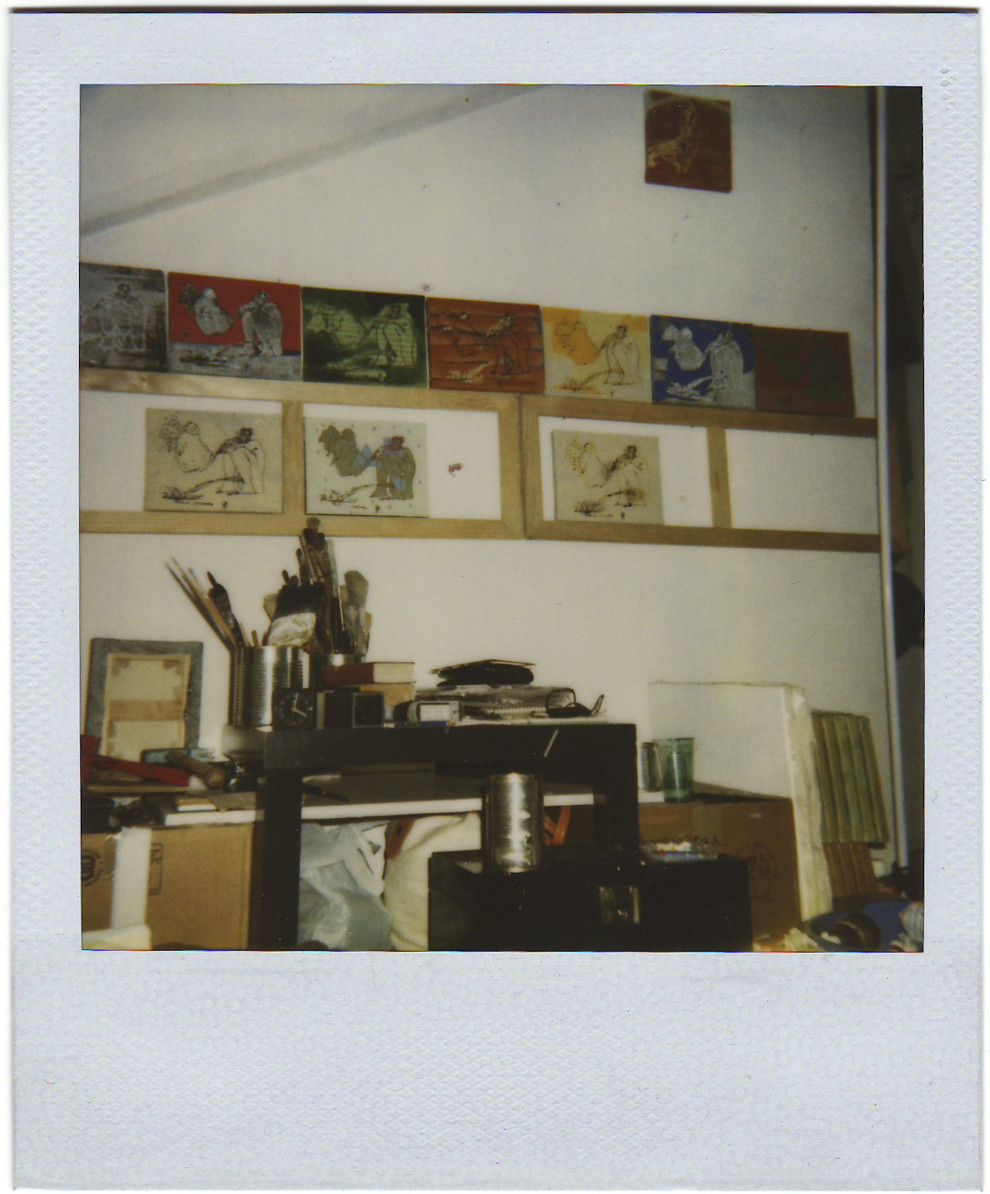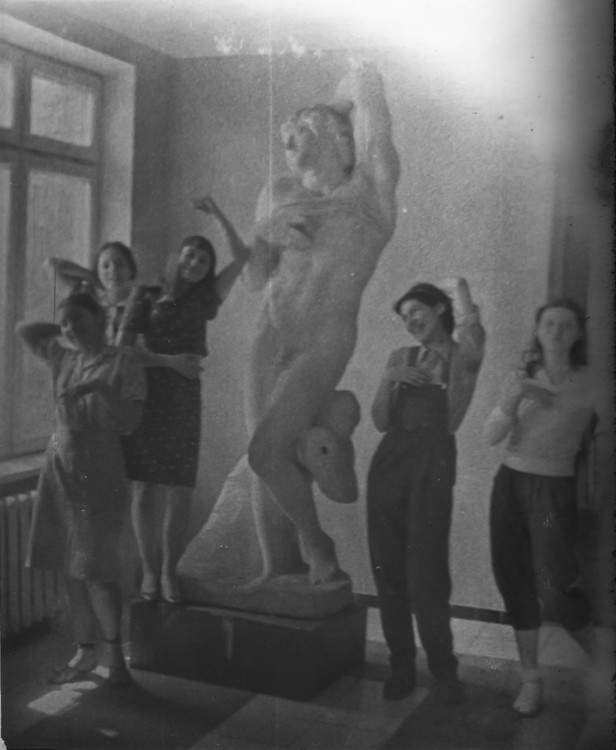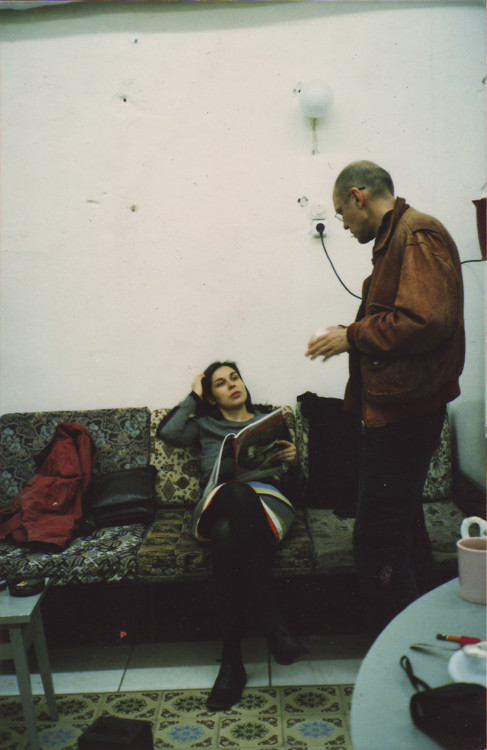
At PinchukArtCentre, a research platform was launched with the goal of creating a living archive of Ukrainian art from the early 1980s to the present day. The platform team visits artists’ studios: studying their biographies, past and present, and the research results can already be seen today in the PinchukArtCentre library. Within the framework of the Vogue.ua and art center project, we publish articles about the most interesting Ukrainian artists. The project’s heroes have already included Oleksandr Hnylytskyi, Maksym Mamsikov, Illia Isupov, Oleg Tistol. The next heroine — a Ukrainian in Paris, Yana Bystrova.
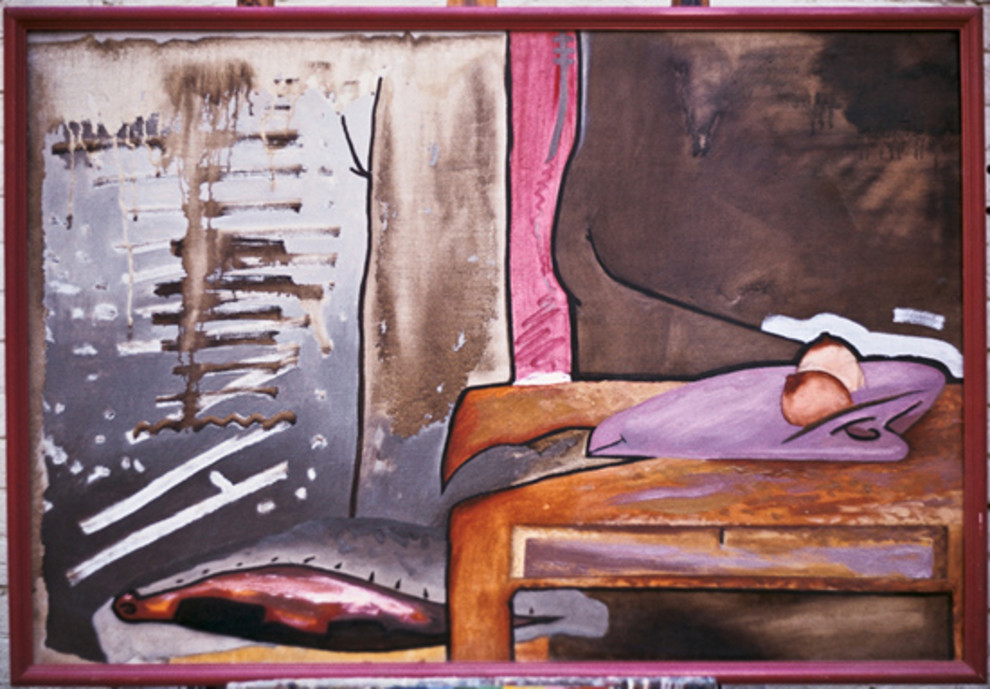
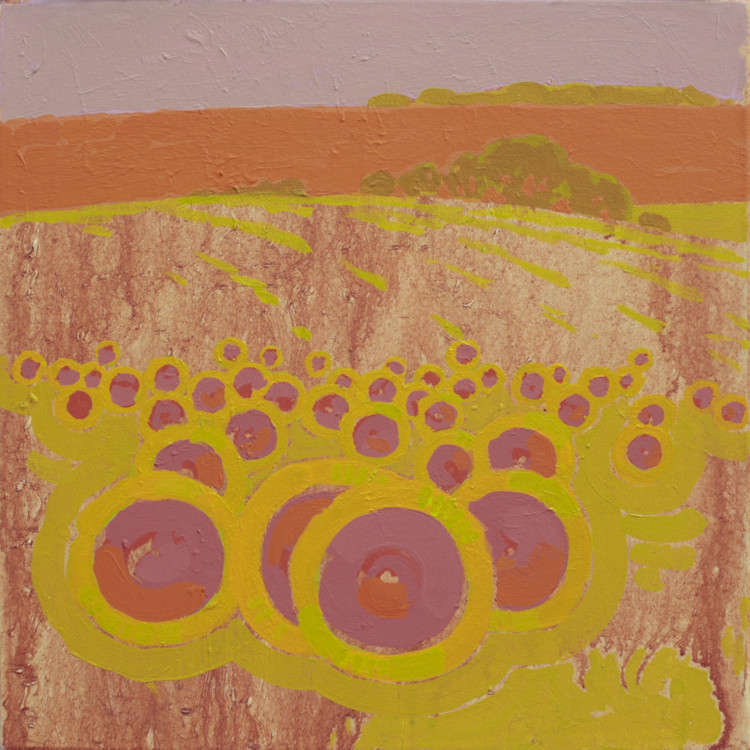
Red — is the favorite color of artist Yana Bystrova, a Kyiv native who has lived in Paris for 25 years. Fascination with color, studying its influence, ambivalence of perception, interpretation of the image, and the state of shifted perception — are characteristic features of her art. Whether early expressive canvases or later landscapes depicting French scenery, color is everywhere not just a background but the very subject matter of the painting.
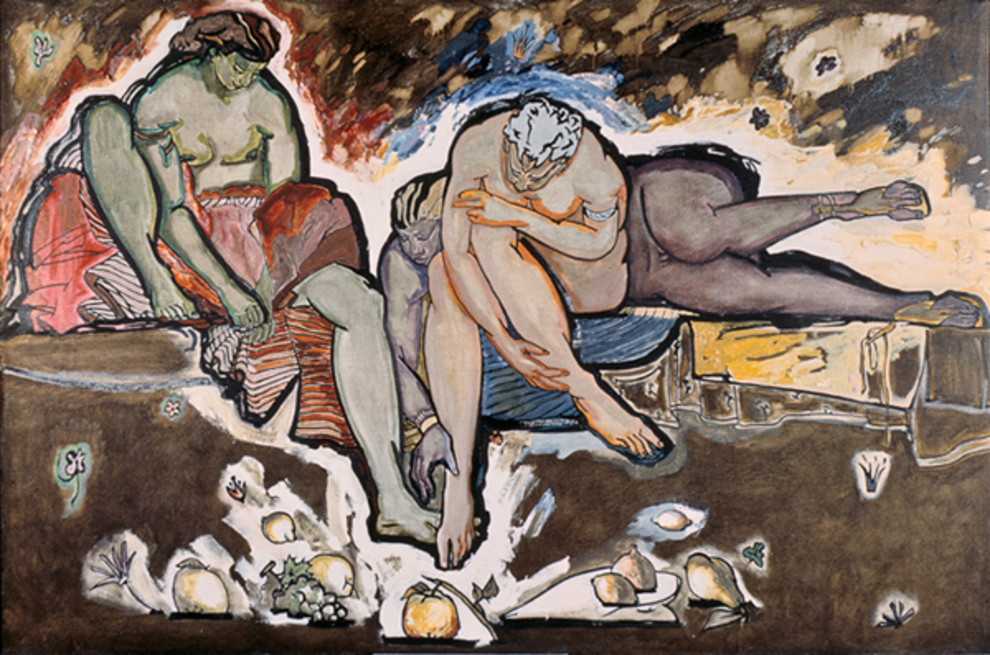
Yana began creating her first works in 1987, and from the 1990s they began to be exhibited abroad. At that time, Bystrova painted large canvases “that correspond to her inner mythology” — these are scenes from personal life and reminiscences of art history and literature.
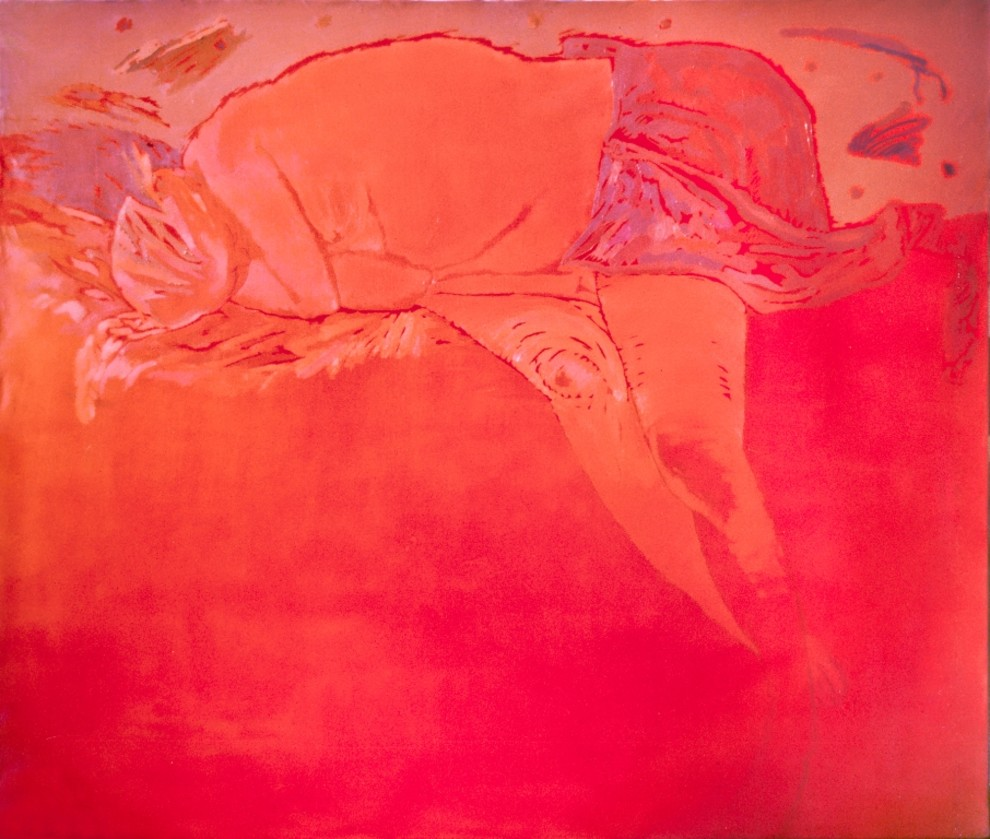
One of her most famous early works — the series of “red paintings” (about 10 canvases) — she sold back in the early 1990s. As the artist herself says, “the paintings sold like hotcakes.” Only one work (“Only the Healthy Will Survive”) returned to the artist’s family ownership more than ten years later; the rest settled with collectors from the 1990s and rarely appear in the public space.
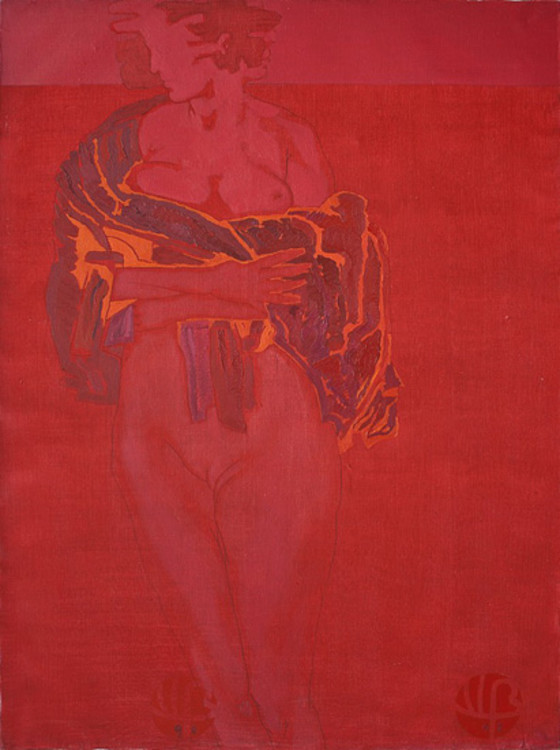
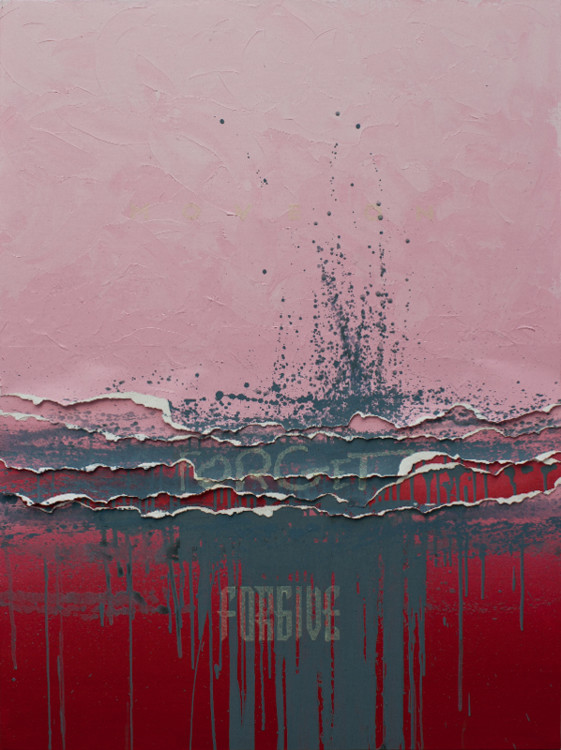
The “Red Series” — is central to Bystrova’s early work. The red here is special; she uses a gradation of this color from bright to purple. Manipulation with paints allows the artist to achieve a fluorescent effect on some canvases. Despite the use of such bright red, Bystrova’s shades have nothing in common with the usual red color associated with Soviet-era symbolism (in a political sense). Changes in color also convey changes in emotional state — thirst, passion, love, and hatred. Through color, Bystrova frees herself from political, social, and emotional tension, moving into a purely personal, emotional plane.
Women in Bystrova’s paintings are not typical for Soviet art — they are disproportionate and in this disproportionality are emotional and beautiful. “I admit, I didn’t know you could paint anything other than the female nature until I came to Paris,” — says the artist.
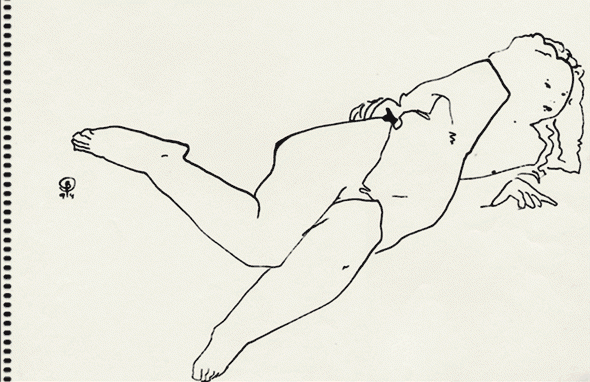
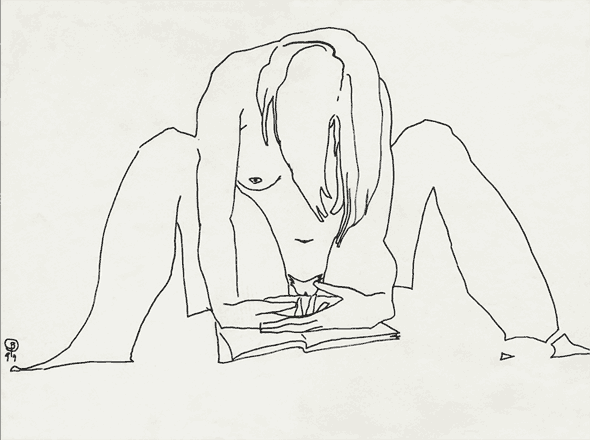
Bystrova admits that her love of color was passed on to her by Kyiv nonconformist artist Zoya Lerman. But both Bystrova and Lerman are also united by a love of the appearance of the body. As art historian Olga Petrova states, the war in Afghanistan played an important role in Lerman’s work — after these events, she could no longer create volumetric forms; the bodies of her heroines became flat, bodiless. But Bystrova’s interpretation of the female body happened after moving abroad. The artist for some time abandoned painting and created graphics, drawing her own silhouettes with pencil on white paper. However, this flat body is not devoid of corporeality — it is just as sexual and erotic.
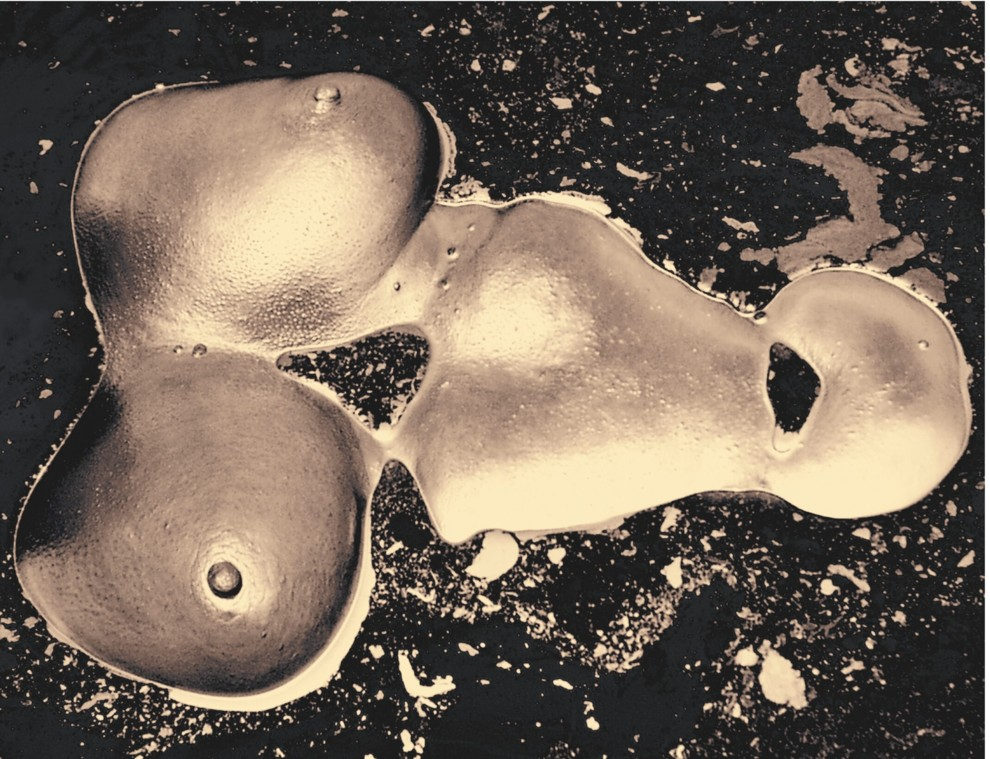
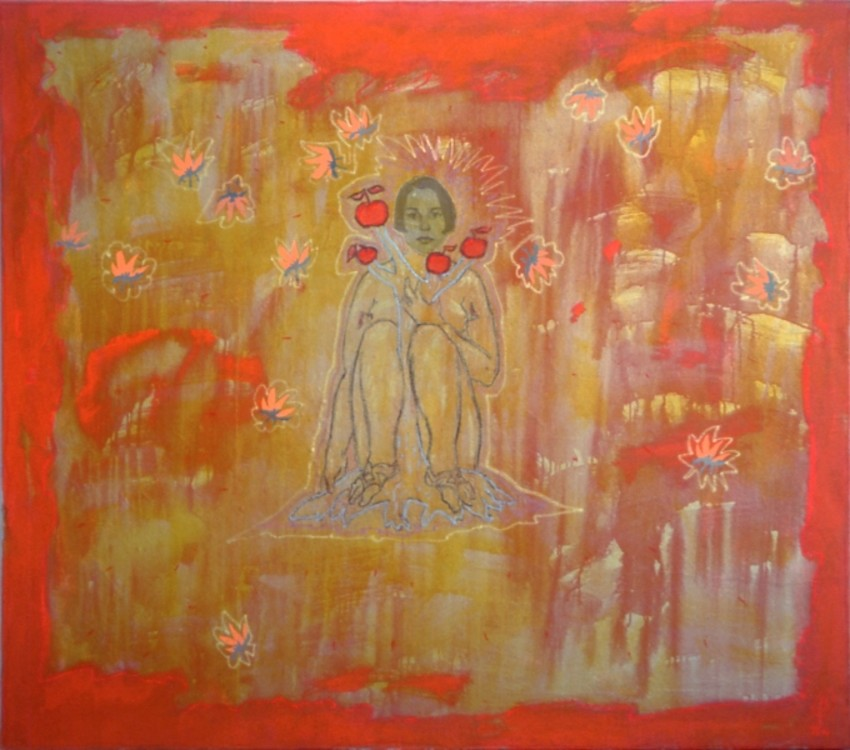
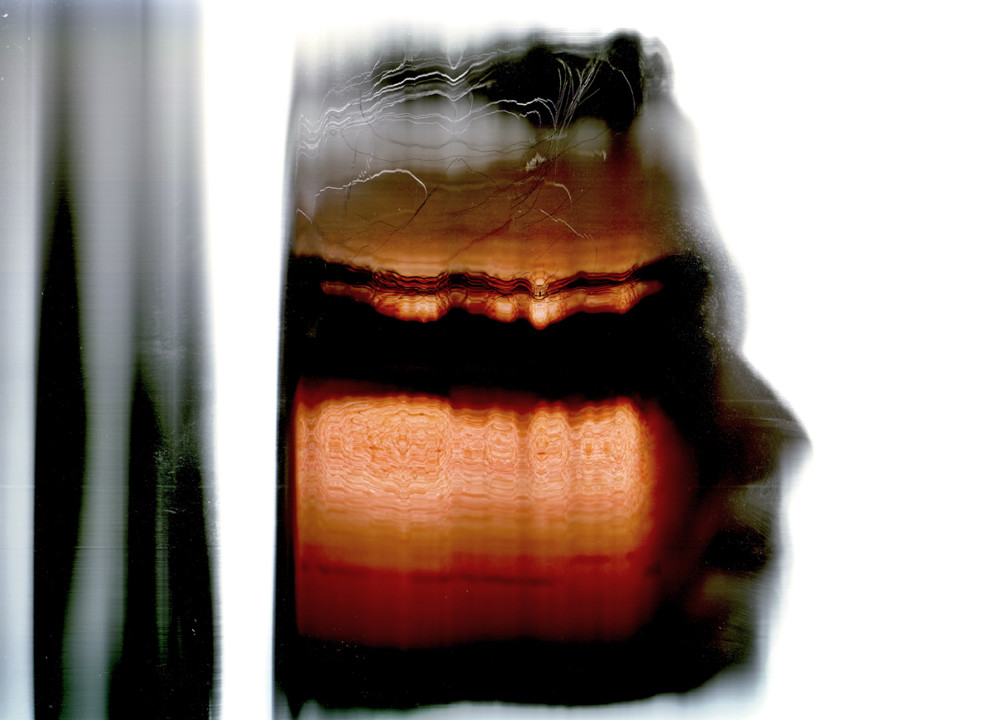
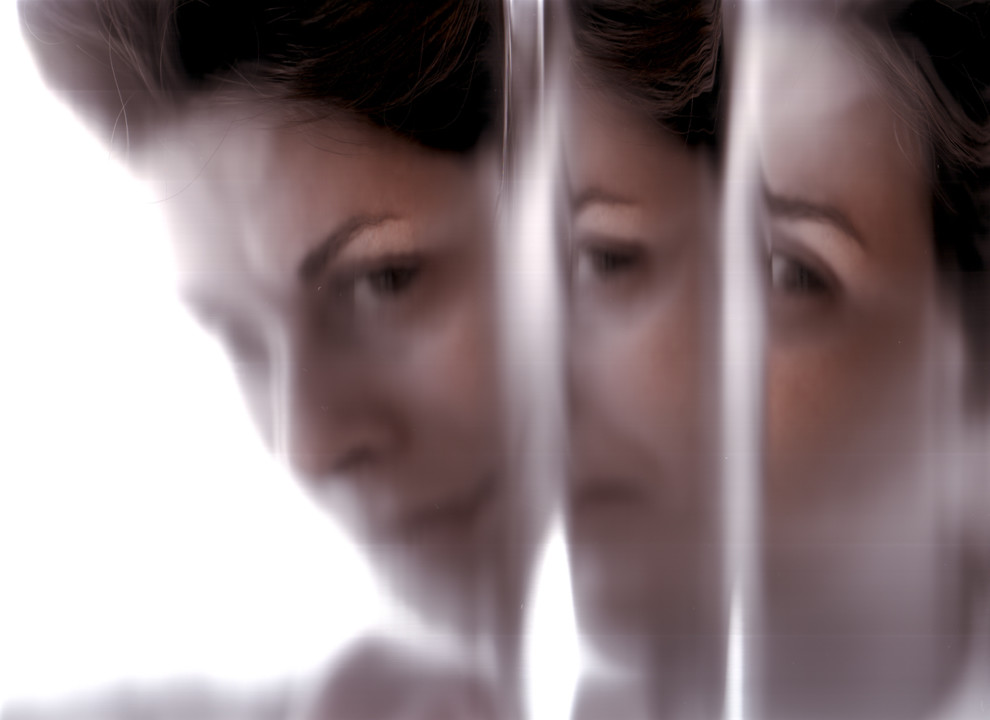
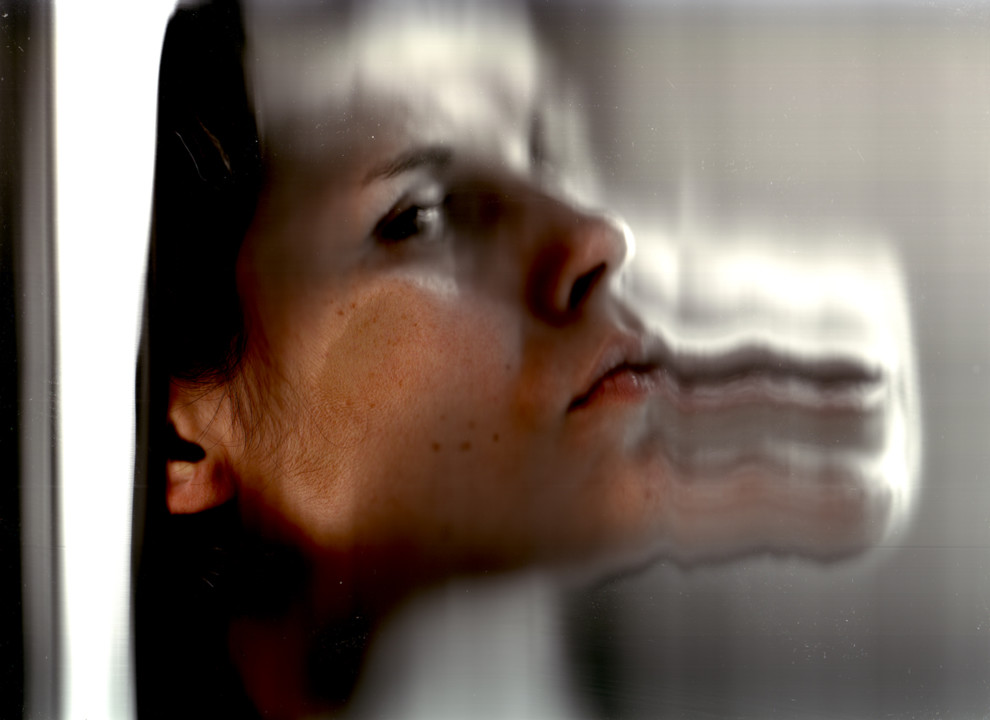
Bystrova’s Paris period — is mostly small works. Painting, graphics, silk-screen printing — things that could fit in her home without a studio. After some time, the artist became fascinated with photography — in her works, she continues to explore the theme of female corporeality, including her own. Working with design and Photoshop led to experimentation with imagery. Bystrova created self-portraits using montage, overlaying images.
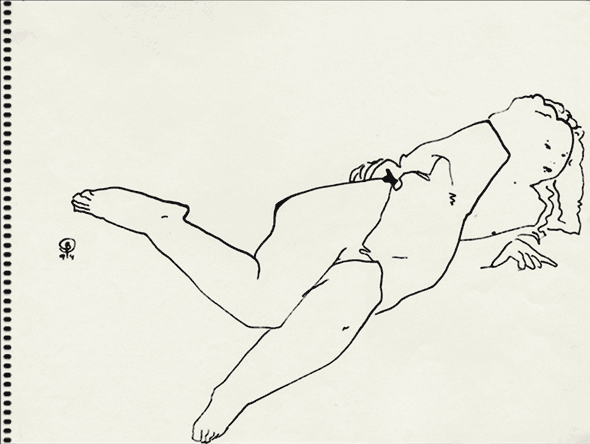
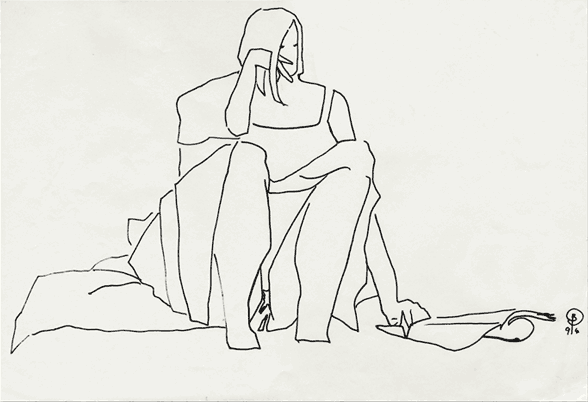
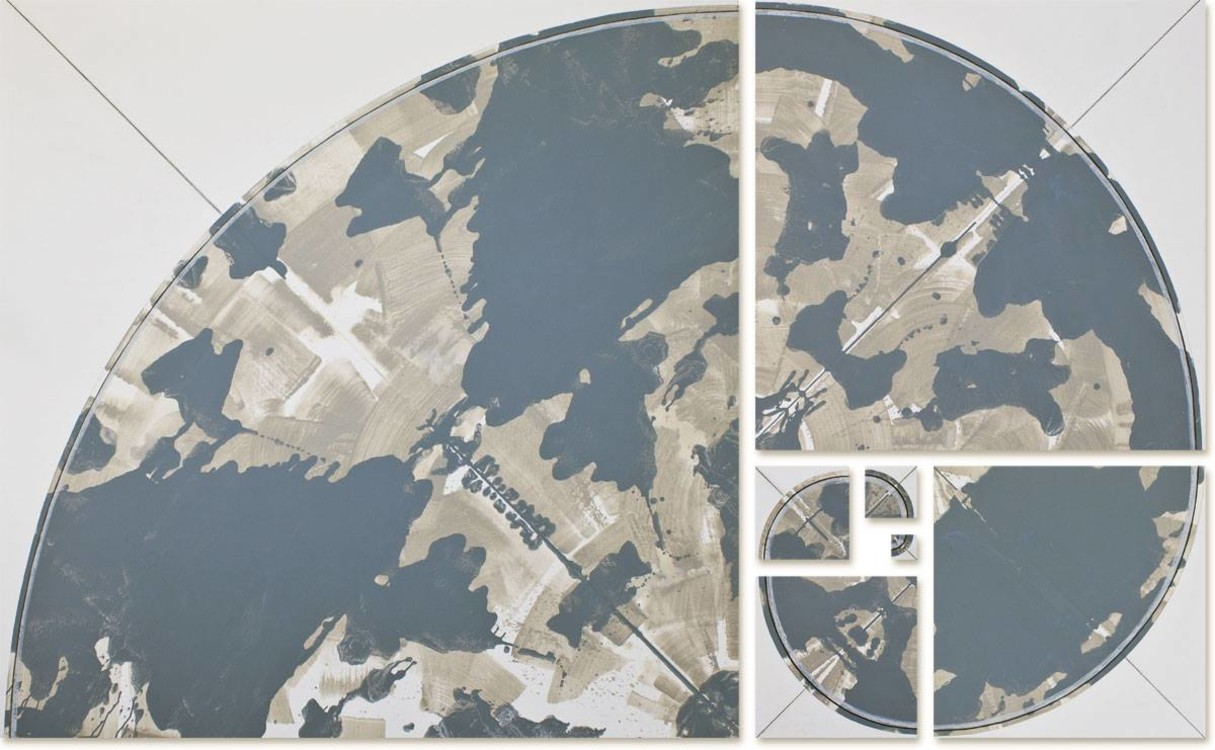
Bystrova’s works seem to respond to the debate about the objectification of the female body in art: is a woman always an object of desire, for example, in photography. According to the famous American visual culture researcher Laura Mulvey, a woman is always the object of male desire, even if the photo was taken by herself. In a patriarchal system, a female photographer, like the viewer, must borrow the male gaze, which over a long time in art has become a kind of canon.
Through her practice, Bystrova tries to break the canons of the patriarchal art world, to go beyond the existing artistic system where personal connections still mattered more than art itself. Today she lives in Paris, paints landscapes, and continues to experiment with color and form as before.