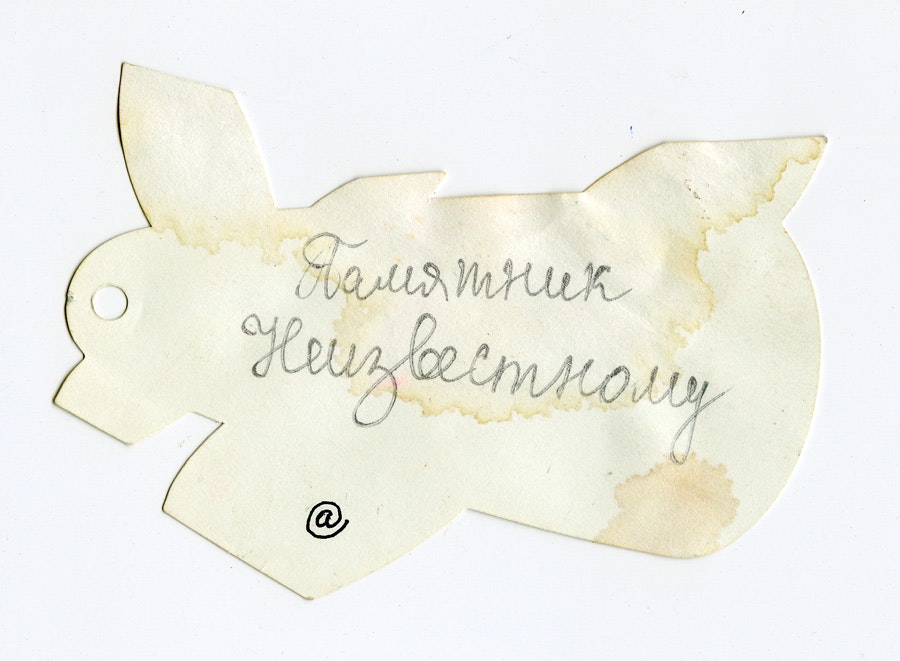
The text about Serhiy Anufriyev should begin like a fairy tale, a novella, or at least a collection of anecdotes. The creativity of the Odessa native is thoroughly permeated with literary play, and his life is a continuous work of art: objects, installations, actions, texts, and books that together form the corpus of conceptualism in Odessa and Moscow.
Soviet culottes
Serhiy Anufriyev was born into a family of artists Alexander Anufriyev and Margarita Zharkova; he grew up in the city of Isaac Babel, Mikhail Zhvanetsky, Ilf and Petrov. “On my father’s side, I am a native Muscovite. My ancestors, Italian masons, built the Moscow Kremlin,” Anufriyev wrote in the text “Kobzar under the pillow,” where he “retold” the history of his lineage. In such an artistic environment, where creativity and self-irony were valued, his first works emerged — light, romantic, touching, full of references to cultural works. Serhiy Anufriyev’s sister, restorer Yulia Zharkova, recalls that her brother always drew some English princes and princesses; the heroes of his graphic works were dressed in jabots and culottes, atypical for Soviet reality.
And Anufriyev himself became the embodiment of his own works. During our first meeting, he had a mustache drawn with a black marker (the artist said his children drew it). In the book The Irony Tower, Andrew Solomon recalls his extraordinary manner of dressing, as well as attempts to independently design and sew clothes. He inherited a subtle avant-garde style from his mother.
Since childhood, Anufriyev was interested in philosophy, knew the history of culture, and read banned and émigré literature. At a young age, he went to Moscow, where he met conceptualists. There he lived and created works, occasionally returning to Odessa. Anufriyev became one of the links connecting Ukrainian artistic practices with the Moscow experience, and his mother’s apartment on Sunny Street in Odessa turned into a center of contemporary art, unofficial exhibitions, and creative freedom. It was there that Leonid Voitsekhov held his famous exhibition-action “Relatives.”
Slogans and forms
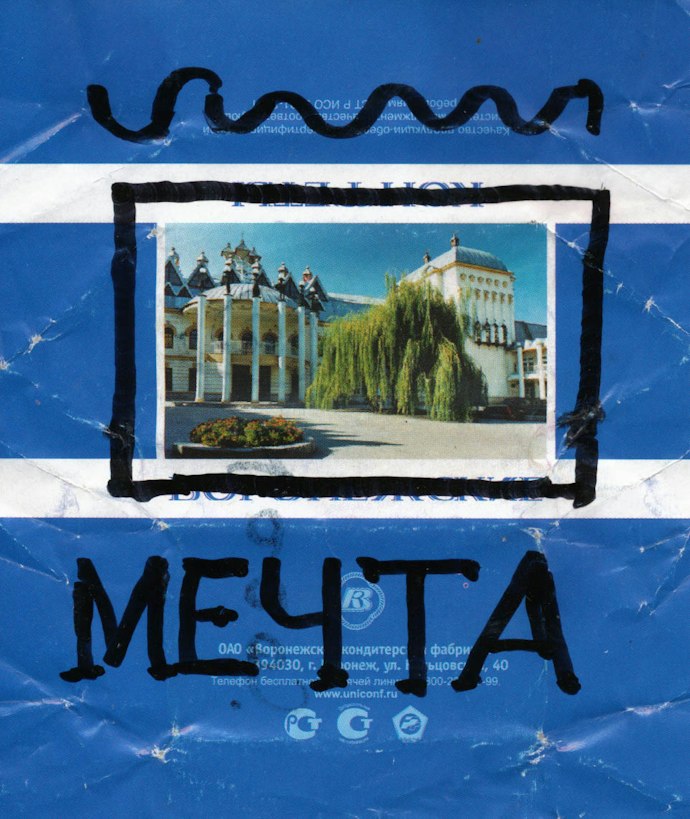
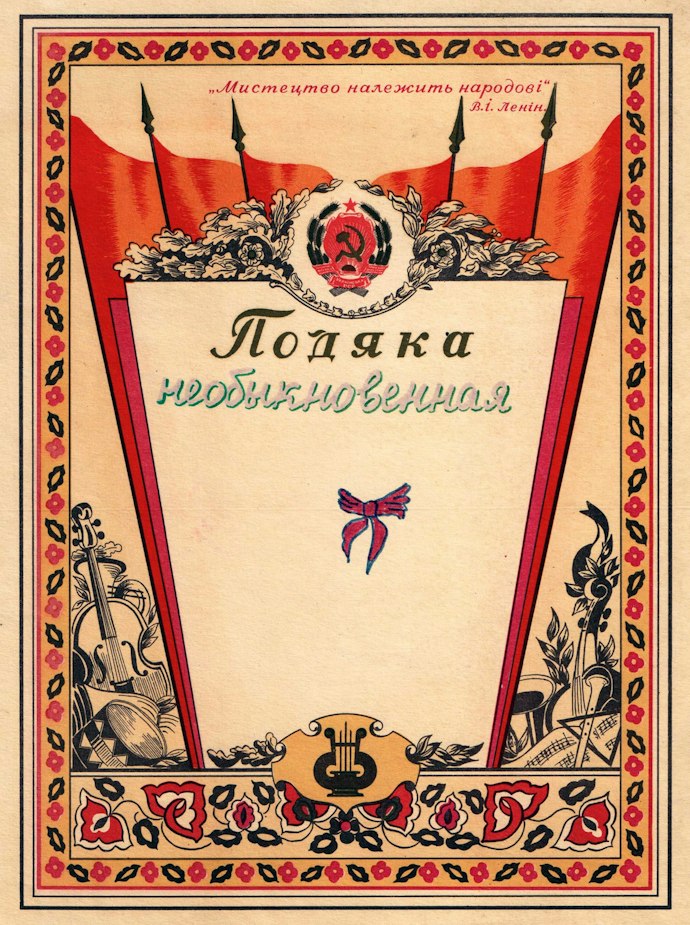
One of Anufriyev’s first independent works — the series “Gratitude” — imitates official documents that encourage for merits or generally positively evaluate someone’s activity and work. The irony of this work lies in the fact that the very form of “gratitudes” in the early 1980s was considered archaic, having lost its value. The artist emphasizes his attitude towards this official form and rhetoric with characteristics of such documents — “Gratitude non-transferable,” “Gratitude unusual,” “Gratitude unspeakable.” At the top of the document, the artist places Lenin’s famous phrase: “Art belongs to the people.”
In this series, the artist first addresses one of the important themes for him — the problem of language: he designed his “gratitudes” in Ukrainian and Russian. Today, this work could be considered political, as it raises questions of identity and culture.
The series “Stuttering” also speaks about language, but as a structure. Formally, the series looks like this: using repeated letters and their combinations, Anufriyev illustrates stuttering. When a person stutters, repeating a letter or phrase, they create a certain speech rhythm — similarly, words and letters create rhythm within a graphic work. In this stuttering, one can see political slogans and ideas repeated year after year but never leading to changes in society.
In this stuttering, one can see repeated political slogans that do not lead to changes.
Literally so
In the early 1980s, the artist coined the term “providential art.” A little later, artist and curator Maria Chuykova described it as follows: the viewer is invited to interpret the work themselves — through the complex plot embedded in it. Art is offered.
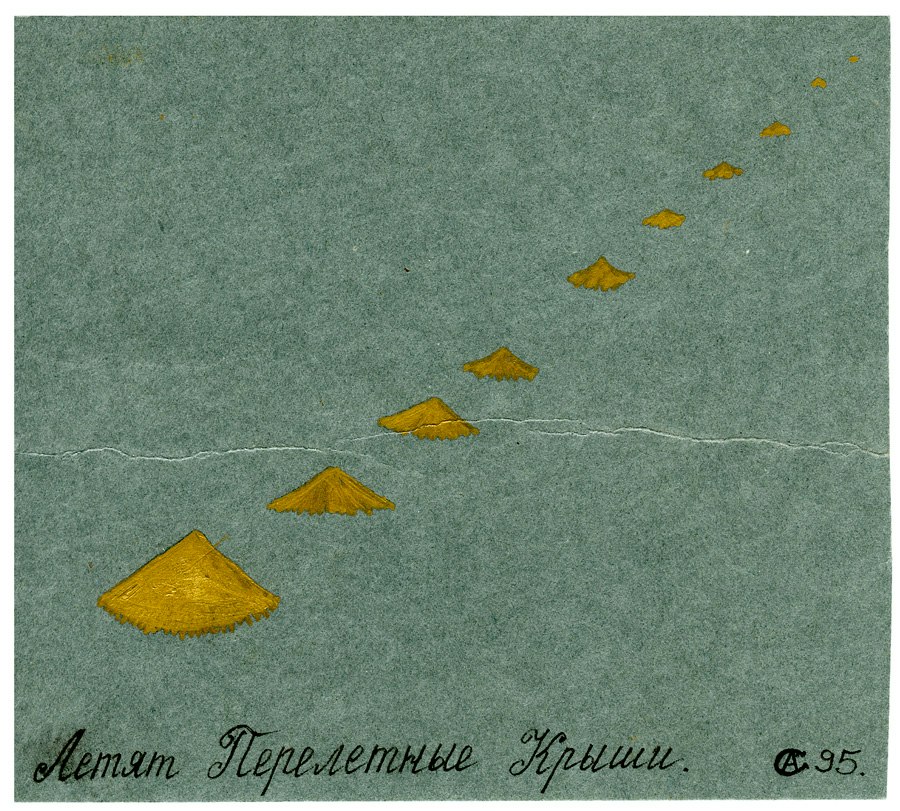
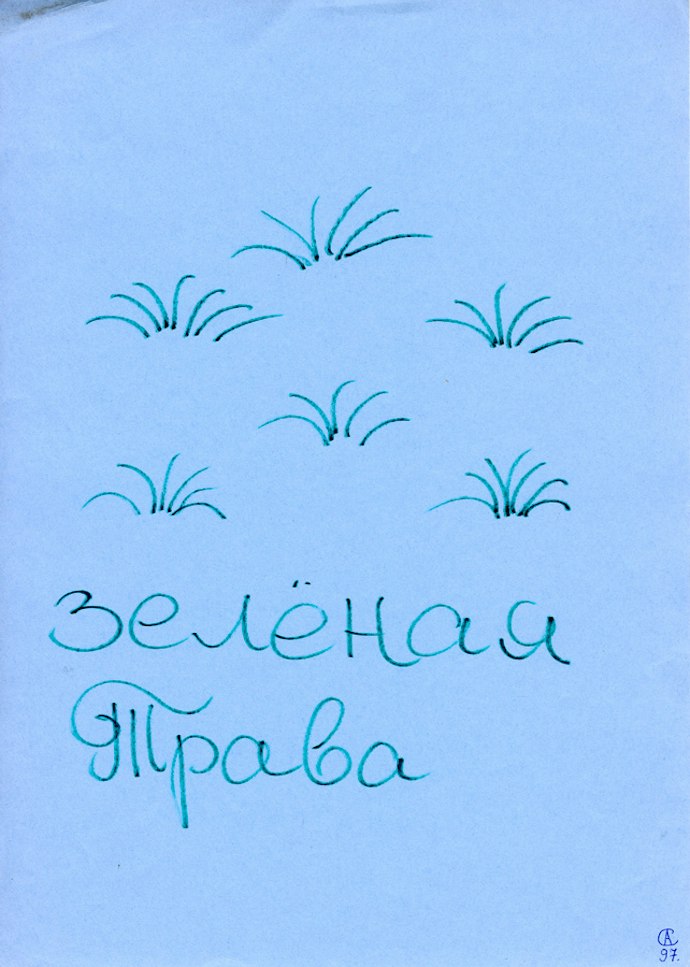
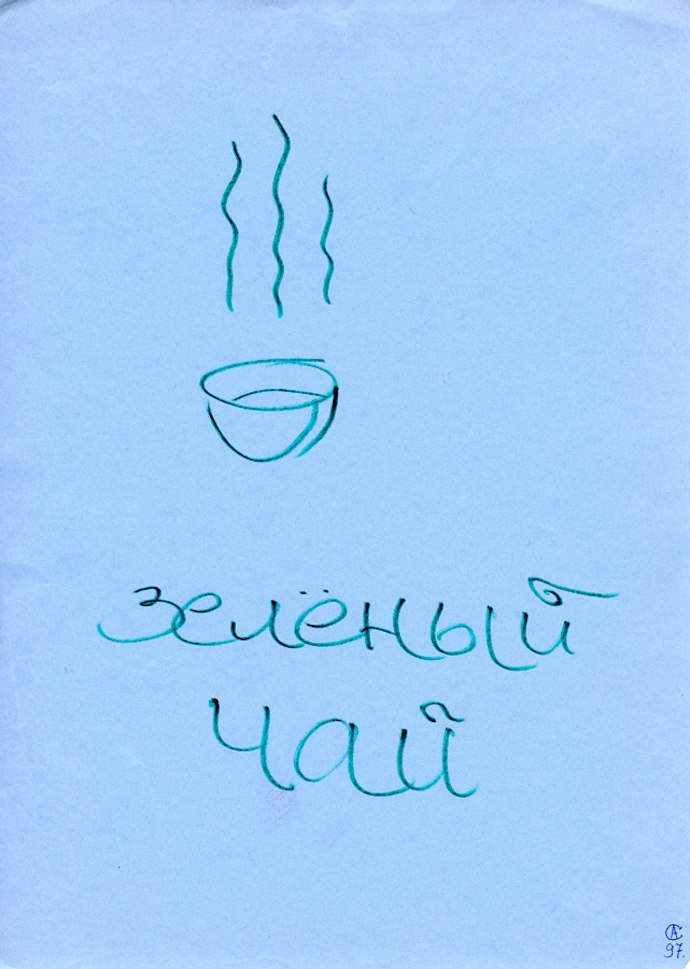
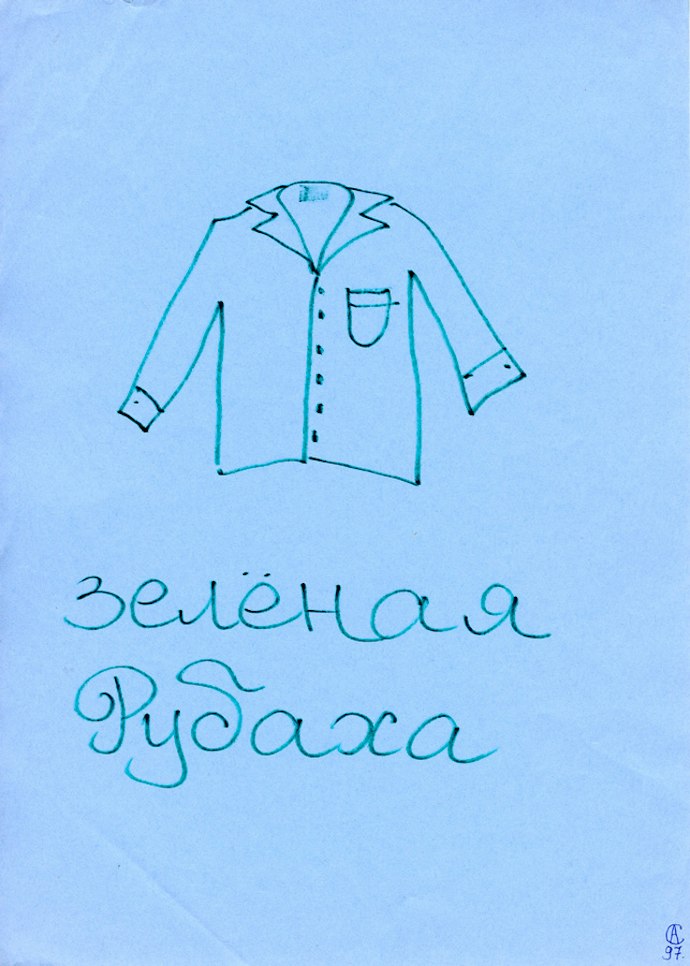
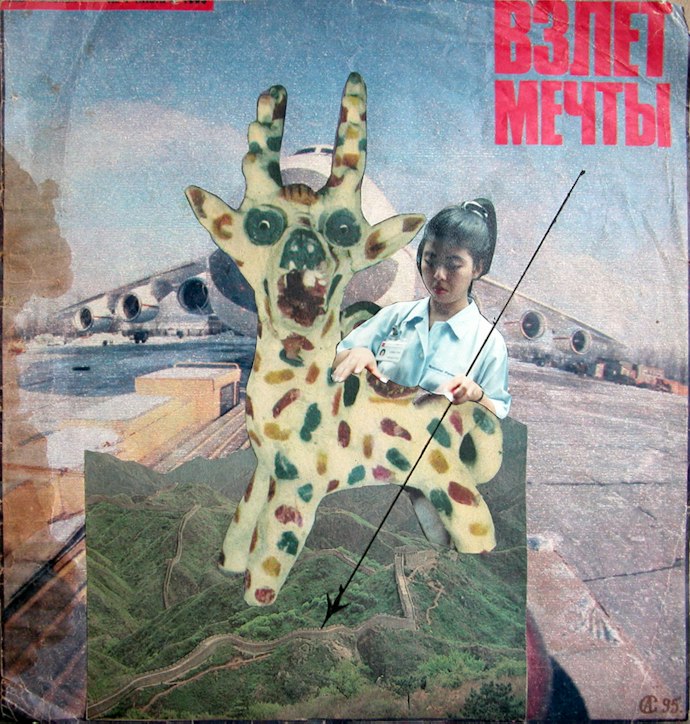
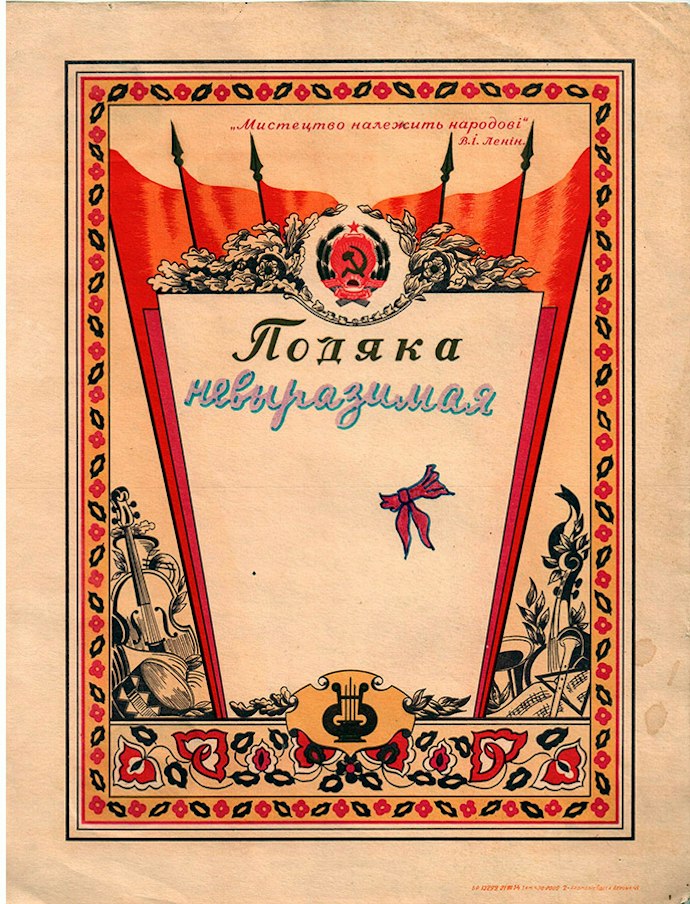
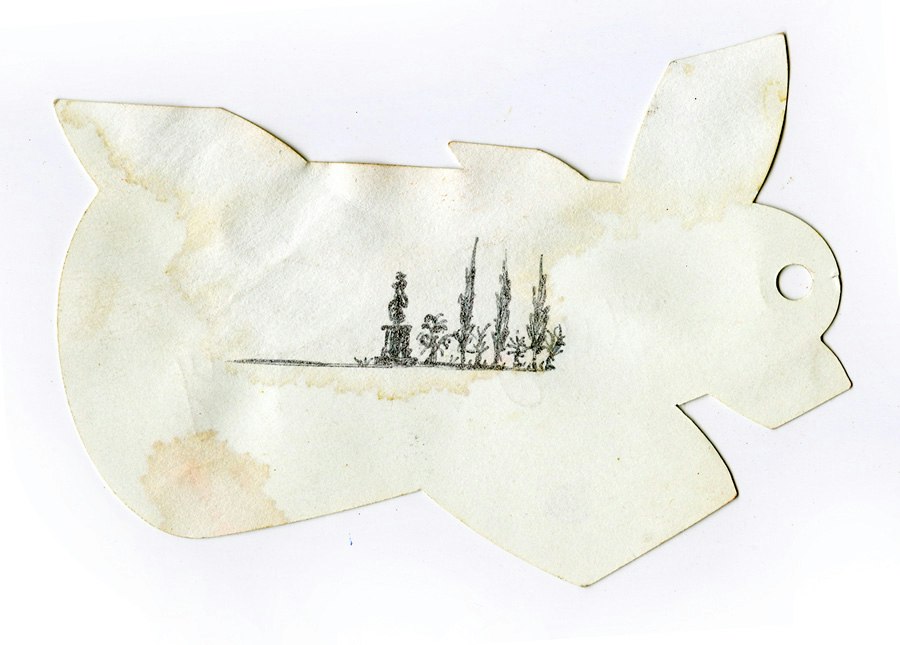
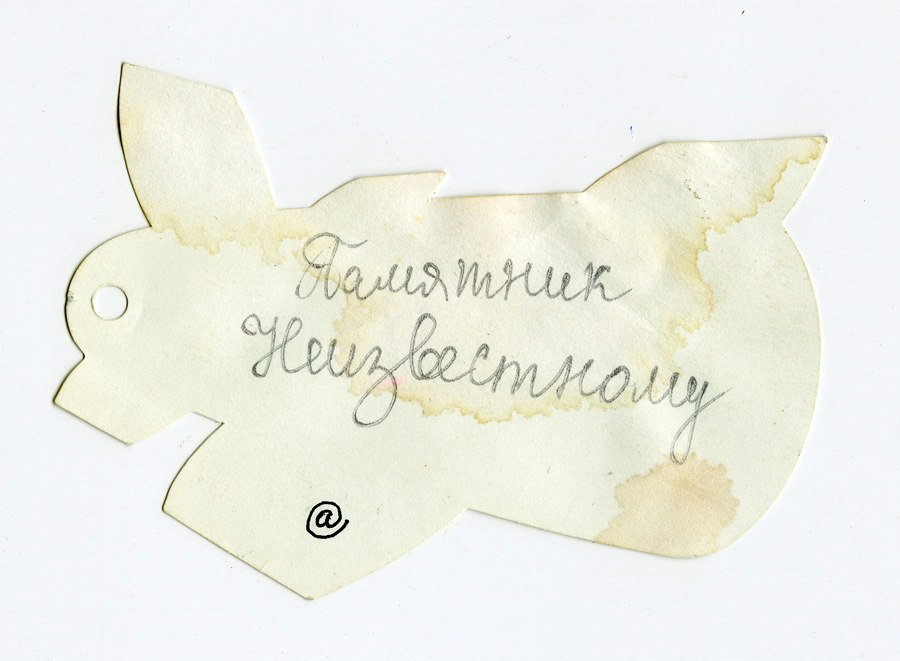
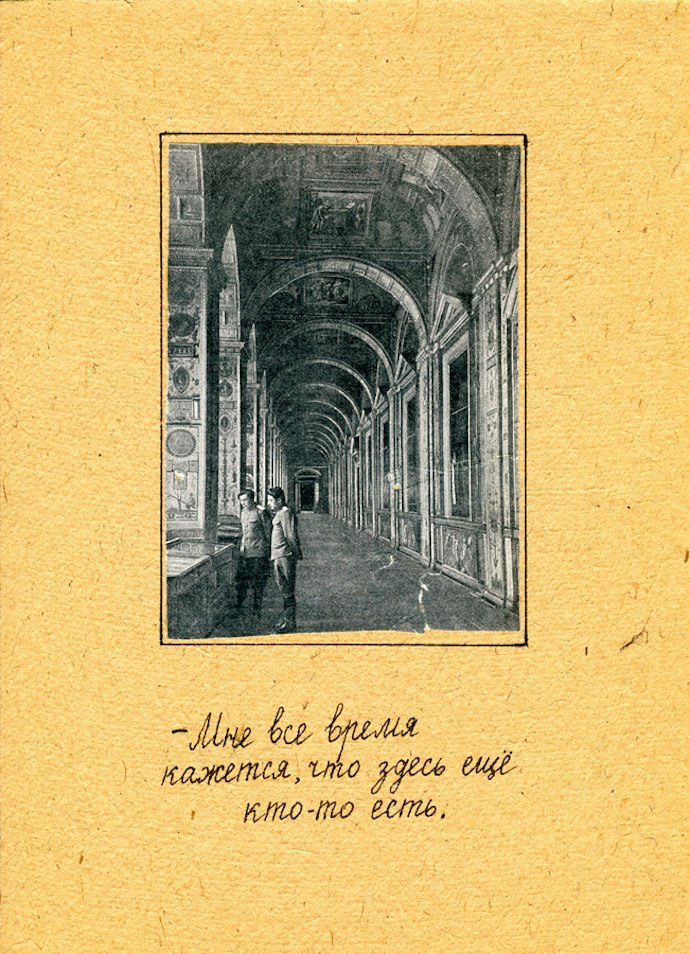
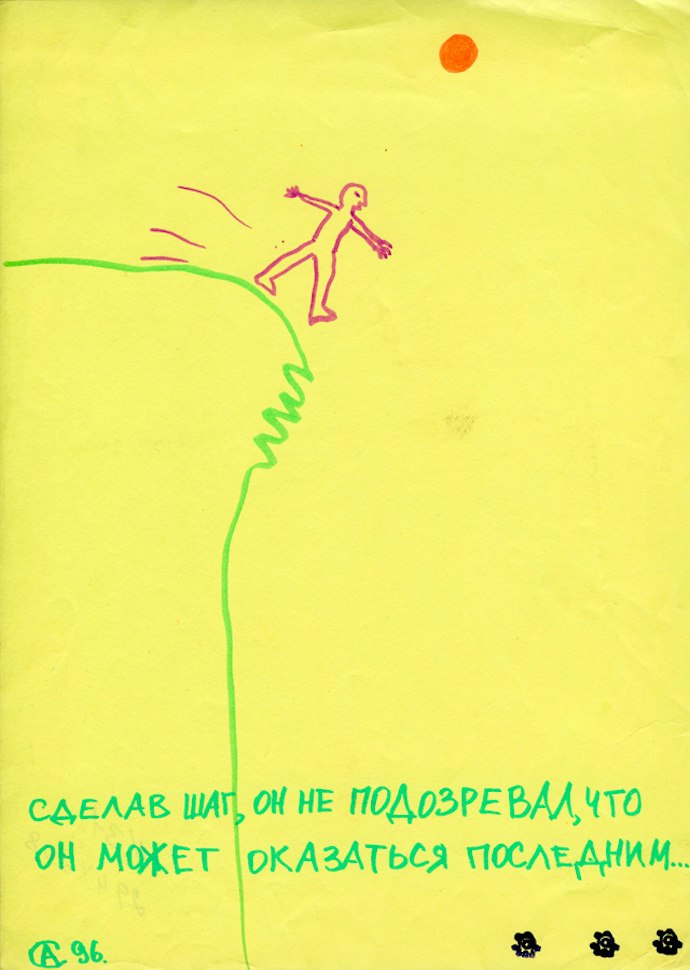
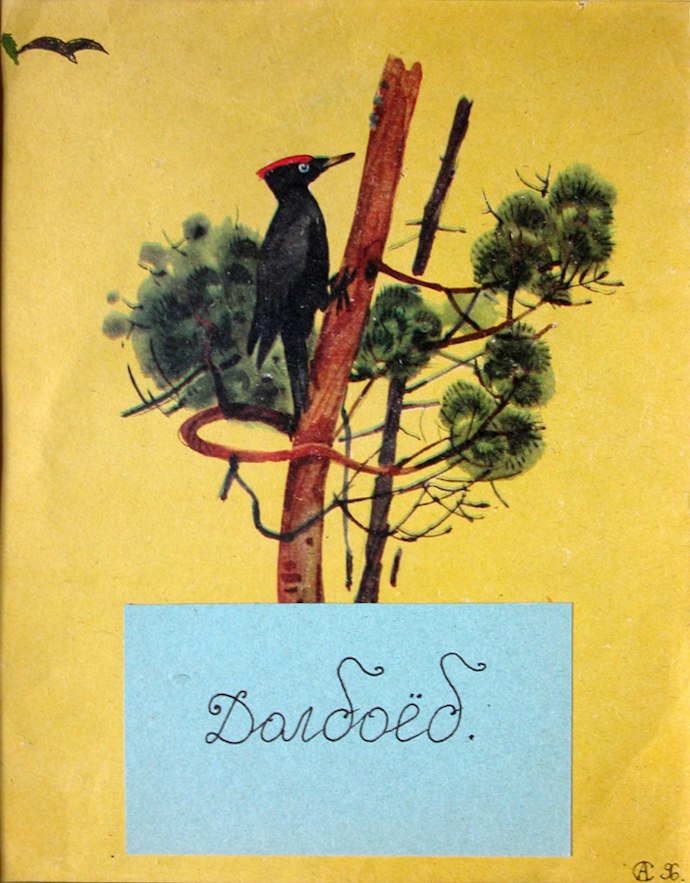
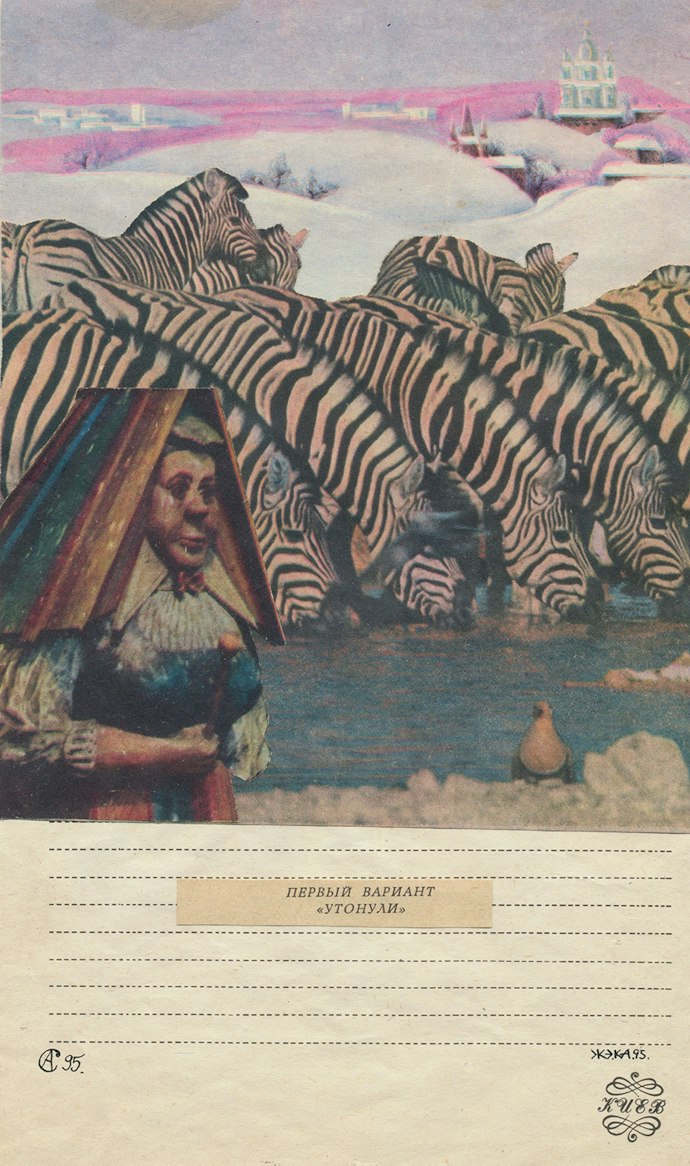
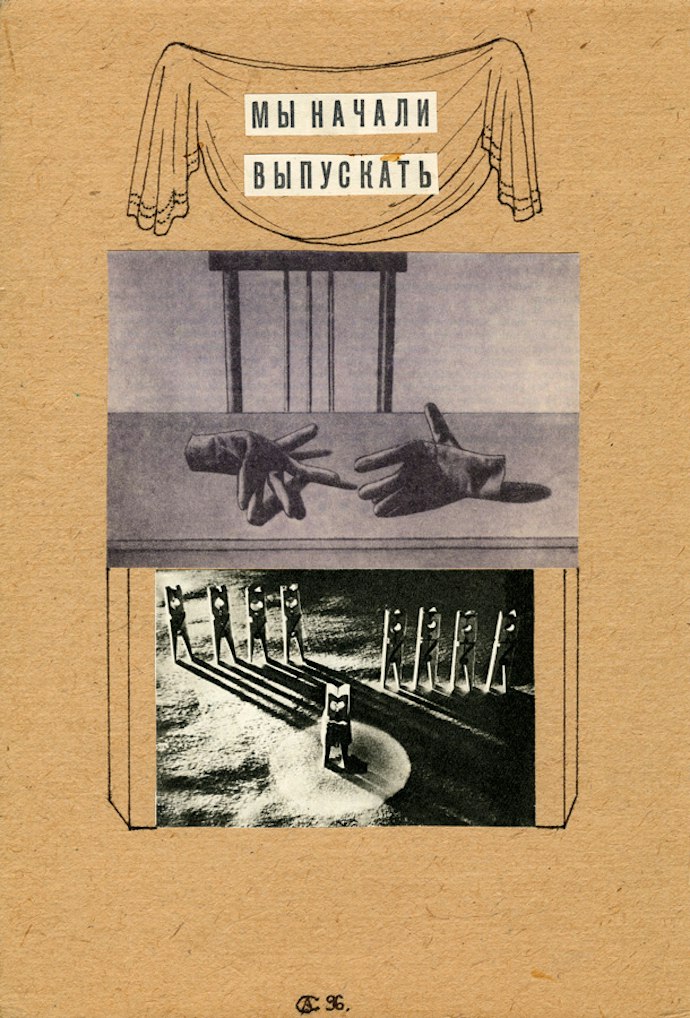
Such works have room for wordplay, imagery, and absurdity. Most often, the heroes of Anufriyev’s works were characters from children’s fairy tales, and the drawing itself was accompanied by text — as if phrases torn from other works or oral speech. Titles usually literally repeat the text on the works — and the viewer finds themselves at a dead end: could the author have embedded such a simple meaning? This disagreement with simplicity allows for deeper interpretation and imagination.
For example, “Clarity and Calm” — a collage with an image of a mountain landscape, and at the bottom, the artist left the inscription: “Clarity and Calm.” Perhaps the phrase was borrowed from Omar Khayyam’s work: “If wisdom is written in the heart in a line, // Then there will be clarity, love, and calm in it.” In this simplicity of language and image, in this “literariness,” the romance of the time is reflected, a special light and at the same time bold attitude to reality that existed only in the 1980s.
The viewer finds themselves at a dead end: could the author have embedded such a simple meaning?
Marker and narrative
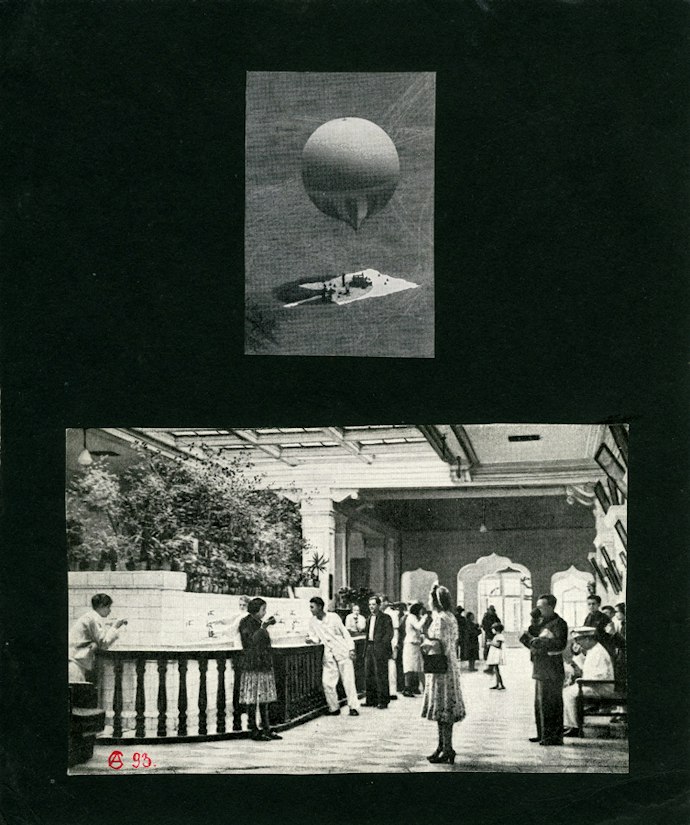
For his works, Anufriyev used everything at hand: paper, pens, pencils and markers, magazine cutouts, postcards, found objects. Essentially, he can turn any object into a work of art.
Recently, the artist has been working on the idea of a pattern (from English pattern — “sample,” “template.” — Ed.), based on narrative and storytelling. According to the artist, art at different times has had various and often complex relationships with literature. For example, modernists postulated the independence of visual art from literature. Contemporary art, “fighting literary tendencies,” stopped developing plots and genres, leaving this to comics and cinema. But it is precisely in narrativity that, according to Anufriyev, lies the path to the emergence and development of new art.
Art historian Tetyana Kochemasova noted that “the infinity of the white sheet, the point and the line on the plane turned out to be a kind of ‘space of freedom’ for many artists of the second half of the 20th century in Russia, where their creative searches could find visual embodiment without the risk of being banned.” If we consider Anufriyev’s creativity from this position, the artist’s desire to turn everything into creativity, not to stop, constantly think, exchange ideas, and create, to be in a state of a literary work where he is both author and hero becomes clear.